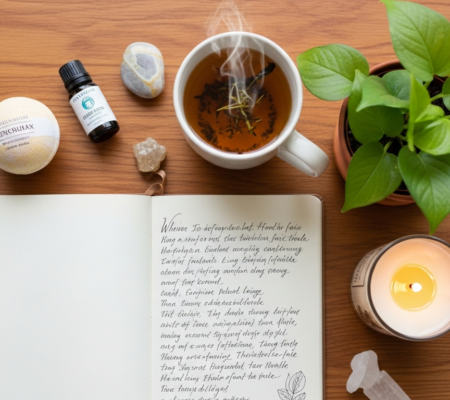


Embracing the Unfolding Wisdom of Self-Acceptance
One of the most profound shifts that occurs as we age is the gradual shedding of external expectations and the blossoming of true self-acceptance. In our younger years, we often find ourselves striving for an ideal – a perfect career, a flawless appearance, a picture-perfect relationship – dictated by societal norms, social media, or even well-meaning family and friends. We compare, we strive, we sometimes even diminish ourselves in the pursuit of an elusive perfection. But with each passing year, a quiet revolution begins within. We start to understand that true contentment doesn’t come from fitting into a mold, but from celebrating the unique, intricate mosaic of who we are.
This journey of self-acceptance is not about giving up on growth or improvement; rather, it’s about recognizing our inherent worth, flaws and all. It’s about understanding that our wrinkles tell stories of joy and worry, our scars are badges of resilience, and our quirks are what make us uniquely captivating. We learn to silence the inner critic that once screamed so loudly, replacing its harsh judgments with gentle understanding and compassion. This isn’t an overnight transformation; it’s a gradual process, like a slow-blooming flower finally unfurling its petals in the sun. We become less concerned with what others think and more attuned to our own inner compass, trusting our intuition and valuing our own opinions above all else.
Part of this lesson involves understanding that our appearance, while important for self-care and confidence, is not the sole determinant of our value. We learn to appreciate the strength of our bodies, the clarity of our minds, and the depth of our spirits. We might still enjoy experimenting with new beauty routines or fashion trends, but the motivation shifts from seeking external validation to expressing our authentic selves and feeling good in our own skin. This newfound self-love also empowers us to advocate for ourselves, set healthier boundaries, and pursue what truly brings us joy, rather than what we think we should be doing. It’s a powerful realization that truly allows us to embody the spirit of self-care. In fact, we often discover that the most profound act of self-care is simply being kind to ourselves, acknowledging our needs, and allowing ourselves to be imperfectly human. This ties in beautifully with the essence of our article, Treat Yourself: No One Loves You Like You Do, reminding us that prioritizing our own well-being isn’t selfish, but essential.
By our forties, fifties, and beyond, the noise of external expectations often fades into a background hum, allowing our authentic voice to emerge clearly. We understand that our worth is intrinsic, not conditional on our achievements, our relationships, or our physical appearance. This profound sense of self-acceptance is perhaps the most liberating lesson of all, freeing us to live with greater peace, confidence, and genuine happiness.
Time, The Most Precious Commodity: Prioritizing What Truly Matters

When we are younger, time often feels infinite. Days stretch out before us, filled with endless possibilities, and the future seems a distant, abstract concept. We might spend hours scrolling aimlessly, procrastinating on important tasks, or getting caught up in trivial dramas, believing there will always be more time. However, one of the most sobering and yet empowering life lessons that comes with age is the acute awareness of time’s finite nature. As the decades accumulate, we begin to truly grasp that time is not an endless resource, but our most precious and non-renewable commodity.
This realization doesn’t have to be morbid; instead, it can be a powerful catalyst for living a more intentional and fulfilling life. We start to prioritize experiences over possessions, meaningful connections over superficial acquaintances, and genuine joy over societal pressures. The relentless pursuit of “more” often gives way to an appreciation for “enough.” We learn to say no to commitments that don’t align with our values or drain our energy, understanding that protecting our time is a vital act of self-preservation. We become more discerning about where we invest our energy, recognizing that every minute spent on something that doesn’t nourish our soul is a minute lost. This heightened awareness encourages us to be present, to savor the small moments – a quiet morning coffee, a laughter-filled conversation with a friend, the warmth of the sun on our skin – because we understand that these moments are the very fabric of our lives.
The lesson of time’s value extends to how we plan for our future, too. We become more intentional about financial planning, not just for retirement, but for creating the kind of life we envision for ourselves in the years to come. We understand that investing in our health now will pay dividends in our later years, allowing us to enjoy our precious time with vitality and strength. This perspective shift often leads to a greater appreciation for the simple joys of life and a profound sense of gratitude for each day we are given. We stop waiting for the “perfect” moment to pursue a dream or connect with a loved one, realizing that the present moment is the only one we are truly guaranteed.
As we get older, we also become acutely aware of the time we have left with our loved ones. This can deepen our relationships, prompting us to spend more quality time with family and friends, to express our affection more freely, and to resolve conflicts with greater urgency and understanding. The trivial squabbles of youth seem to fade into insignificance when faced with the preciousness of shared moments. This understanding transforms how we live, encouraging us to embrace each day with intention, gratitude, and a clear sense of what truly matters, ensuring that our time is spent on creating a life rich in meaning and joy.
Relationships: Evolving Bonds and True Connections
Friendships That Stand the Test of Time
The lessons learned in friendship are particularly poignant. We discover that true friends are not those who are always present in every social gathering, but those who show up when it truly matters – through life’s triumphs and tribulations. We learn to identify and nurture the friendships that are reciprocal, supportive, and enriching, letting go of those that feel draining or inauthentic. The drama and competitive streaks that might have characterized some younger friendships often fade, replaced by a profound appreciation for shared history, unwavering loyalty, and honest communication. We understand that a handful of deep, meaningful connections are far more valuable than a vast network of casual acquaintances. These are the friends who have seen us through various life stages, celebrated our successes, and held our hands during our heartbreaks, and their presence becomes an invaluable source of strength and comfort. We also learn the art of being a good friend ourselves, offering empathy, active listening, and unconditional support.
The Nuances of Romantic Love
When it comes to romantic relationships, our perspective matures from often idealistic notions of fairy-tale love to a more realistic and profound understanding of partnership. We learn that lasting love isn’t just about intense passion, but about shared values, mutual respect, effective communication, and a willingness to navigate life’s challenges as a team. The “spark” evolves into a deeper, more enduring flame of companionship and understanding. We learn that compromise is not a weakness but a strength, and that true intimacy comes from vulnerability and trust, not just physical attraction. We also learn the importance of maintaining our individual identities within a partnership, understanding that a healthy relationship allows both individuals to grow and flourish independently while supporting each other’s journeys. The lessons of patience, forgiveness, and consistent effort become clearer. We realize that a truly impressive partner isn’t one who simply sweeps us off our feet, but one who stands by us, challenges us to be better, and makes us feel seen and valued every single day. This deeper appreciation of partnership and connection can even inspire us to keep the romance alive, perhaps even thinking about Surefire Ways To Impress Your Partner On Date Night, not out of obligation, but out of a genuine desire to nourish the bond.
Family Bonds: Forgiveness and Acceptance
Our relationships with family members also undergo significant shifts. We might learn to forgive past grievances, to accept family members for who they are rather than who we wish them to be, and to appreciate the unique history and connection we share. As we age, we often become the matriarchs or elders in our families, taking on new roles of guidance and support. We recognize the cyclical nature of family life and the importance of passing down traditions, stories, and wisdom to younger generations. The understanding that family, in its myriad forms, provides an essential foundation of belonging and love becomes increasingly evident.
Ultimately, getting older teaches us that true connection is built on authenticity, empathy, and a willingness to invest time and energy into those who truly matter. We learn to cultivate relationships that nourish our souls, challenge our perspectives, and provide a lasting source of joy and support, enriching the tapestry of our lives in invaluable ways.
The Art of Letting Go and Cultivating Inner Peace

One of the most liberating life lessons that ripens with age is the profound understanding of the art of letting go. In our younger years, we often cling tightly to things: grudges, past hurts, perceived failures, control over situations, and even people who no longer serve our highest good. This clinging can lead to immense emotional baggage, stress, and a constant feeling of being tethered to things that drain our energy and dim our light. As we mature, we begin to recognize the sheer burden of this emotional weight and discover the immense freedom that comes from releasing what no longer serves us.
This journey also involves letting go of the need for external validation. As mentioned in our discussion on self-acceptance, the desire to please everyone or to conform to others’ expectations gradually diminishes. We realize that our peace of mind is paramount, and sometimes that means making choices that others might not understand or approve of. This newfound freedom allows us to live more authentically and align our actions with our true values, rather than constantly seeking approval from the outside world.
Cultivating inner peace becomes a primary goal. This isn’t about avoiding challenges or living a life devoid of emotions; rather, it’s about developing the resilience and emotional intelligence to navigate life’s inevitable ups and downs with greater equanimity. It involves practices like mindfulness, meditation, spending time in nature, or engaging in creative pursuits that soothe the soul. We learn that peace is an inside job, not something we can find in external circumstances. We understand that true strength lies not in never falling, but in rising again with renewed perspective and a lighter heart. The ability to let go of what we cannot change and focus our energy on what we can control is a cornerstone of emotional maturity and a powerful pathway to sustained happiness. This profound understanding of managing our inner world is directly linked to the importance of How To Look After Your Mental Health, as letting go of past burdens and cultivating peace are crucial steps in maintaining emotional well-being.
The older we get, the more we understand that life is a continuous process of shedding and growing. Each act of letting go creates space for something new and more aligned with our evolving selves, paving the way for a deeper, more resonant inner peace.
Prioritizing Well-being: Mind, Body, and Soul
In our youth, we often take our health for granted. The body feels invincible, energy levels are high, and the focus is often on immediate gratification rather than long-term well-being. However, as we age, one of the most undeniable and critical life lessons we learn is the absolute necessity of prioritizing our well-being in a holistic sense – encompassing our mental, physical, and spiritual health. This isn’t just about avoiding illness; it’s about actively nurturing ourselves to live vibrantly, energetically, and joyfully for as long as possible.
Nurturing the Physical Body
The aches, pains, and changes in metabolism that often accompany aging serve as stark reminders that our bodies require diligent care. We learn the importance of consistent exercise, not just for aesthetics, but for strength, mobility, bone density, and cardiovascular health. The motivation shifts from fitting into a certain dress size to feeling strong, capable, and pain-free. We become more mindful of our nutrition, understanding the profound impact that food has on our energy levels, mood, and overall vitality. Regular check-ups, preventative screenings, and listening to our body’s signals become non-negotiable. This isn’t about an obsession with youth, but a commitment to maintaining a quality of life that allows us to pursue our passions and enjoy our later years with vigor. We realize that our body is our temple, and it deserves respect, nourishment, and consistent attention to thrive.
Safeguarding Mental Health
Just as our physical health changes, so too does our understanding of mental well-being. The pressures of modern life, past traumas, and the natural process of aging can all impact our mental state. As we get older, we become more adept at recognizing the signs of stress, anxiety, or depression, both in ourselves and in others. We learn the importance of seeking professional help when needed, understanding that mental health is just as critical as physical health, and there’s no shame in asking for support. Developing coping mechanisms, practicing mindfulness, engaging in hobbies that provide joy and distraction, and maintaining strong social connections all become vital tools in safeguarding our mental well-being. We learn to protect our peace, manage stress effectively, and prioritize activities that calm our minds and uplift our spirits. This is precisely why resources like our article How To Look After Your Mental Health become so incredibly valuable, offering actionable strategies to nurture this crucial aspect of ourselves.
Enriching the Soul and Spirit
Beyond the physical and mental, age often brings a deeper connection to our spiritual selves, however that may manifest. This could involve exploring faith, spending time in nature, engaging in creative expression, or simply cultivating a sense of purpose and meaning in our lives. We learn that life is more than just a series of tasks and achievements; it’s a journey of growth, self-discovery, and connection to something larger than ourselves. Finding activities that nourish our soul – whether it’s volunteering, pursuing a long-held passion, or simply enjoying quiet reflection – becomes an essential part of our self-care routine. This holistic approach to well-being ensures that we are not just surviving, but truly thriving, embracing all aspects of our magnificent selves as we navigate the journey of life.
Financial Freedom and Future Security: A Practical Wisdom
While often less glamorous than discussions of self-acceptance or relationships, one of the most enduring and practical life lessons that solidifies with age is the profound importance of financial literacy, planning, and achieving a degree of financial freedom. In our younger years, money can feel abstract, a means to immediate desires, or something we assume will “work itself out.” However, as responsibilities grow, careers evolve, and retirement looms on the horizon, the lessons of prudent financial management become unequivocally clear.
The Power of Saving and Investing
The first and most fundamental lesson is the power of saving, even small amounts, consistently over time. The concept of compound interest, once a dry economic principle, becomes a tangible force for future security. We learn that delaying gratification for larger, long-term goals — like a comfortable retirement, a child’s education, or owning a home — yields far greater rewards than impulsive spending. Investing, once perceived as complex and intimidating, becomes an accessible tool for wealth accumulation. We recognize that taking calculated risks and understanding market dynamics are crucial for growing our assets and protecting our future. This isn’t about becoming Wall Street gurus, but about making informed decisions to ensure a stable foundation for ourselves and our families.
Budgeting, Debt, and Financial Independence
As we get older, managing debt takes on a new urgency. The burden of high-interest credit card debt or overwhelming student loans becomes a significant impediment to achieving financial peace of mind. We learn to create and stick to budgets, differentiate between needs and wants, and make conscious choices about our spending. The goal shifts from simply earning money to managing it wisely, ensuring that our income supports our desired lifestyle without compromising our future. Financial independence isn’t necessarily about being rich; it’s about having choices, reducing stress, and knowing that we have a safety net to weather life’s unexpected storms. This understanding empowers us to make proactive decisions about our careers, our homes, and our overall quality of life, rather than being dictated by financial constraints.
Planning for the Unforeseen
Life has a way of throwing curveballs, and another crucial financial lesson is the importance of planning for the unforeseen. This includes building an emergency fund, having appropriate insurance (health, life, disability), and creating a will or estate plan. While these topics might seem daunting or unpleasant, they are acts of responsibility and care, ensuring that we and our loved ones are protected no matter what life brings. The peace of mind that comes from knowing we are prepared for potential challenges is invaluable, allowing us to live with less anxiety and more confidence.
Ultimately, financial wisdom gained with age is about taking control of our economic destiny. It’s about understanding that money is a tool, and when wielded wisely, it can provide security, freedom, and the ability to pursue our dreams without constant worry. This practical lesson empowers us to build a stable foundation, allowing us to focus on the other enriching aspects of life with greater peace and confidence as we continue our journey.
Finding Joy in the Everyday and Embracing the Now
In our younger years, happiness can often feel like a destination – something to be achieved once we hit a certain milestone: a dream job, a perfect partner, a certain income level. We might constantly chase the next big thing, always looking ahead to what could be, inadvertently overlooking the richness of the present moment. However, as we age, one of the most beautiful and transformative life lessons we learn is the profound art of finding joy in the everyday and truly embracing the “now.”
The Beauty of Small Moments
This lesson is about shifting our perspective from grand, monumental events to appreciating the quiet, often overlooked beauty of daily life. It’s about finding delight in a perfectly brewed cup of tea on a chilly morning, the warmth of the sun on our skin, the simple pleasure of a good book, or the sound of birdsong outside our window. We learn that happiness isn’t solely reserved for vacations or special occasions, but is woven into the very fabric of our ordinary days, if only we pause long enough to notice. The wisdom of age teaches us to slow down, to be present, and to savor these fleeting moments, understanding that they are the true building blocks of a joyful life. This shift allows us to cultivate a deeper sense of contentment and gratitude, transforming routine into ritual and the mundane into the magical.
Cultivating Gratitude
Hand-in-hand with finding joy in the everyday is the practice of cultivating gratitude. As we accumulate years, we often gain a clearer perspective on what truly matters and what we have to be thankful for. The challenges we’ve overcome, the love we’ve received, the simple fact of good health – these become profound reasons for gratitude. We realize that even in difficult times, there are often silver linings, lessons learned, or unexpected blessings. A daily practice of acknowledging what we are grateful for can profoundly shift our mindset, moving us away from scarcity and towards abundance. This isn’t about ignoring problems, but about choosing to focus on the good, which in turn amplifies our capacity for joy.
Living Authentically in the Present
Embracing the “now” also means shedding the burdens of the past and the anxieties of the future. While planning for the future is wise (as discussed in financial lessons), dwelling excessively on “what ifs” or past regrets only robs us of our present peace. Age brings the clarity to understand that the past is immutable, and the future is uncertain, but the present moment is where all life truly happens. This empowers us to live more authentically, making choices that align with our current values and desires, rather than being dictated by old narratives or hypothetical scenarios. It’s about being fully engaged in whatever we are doing, whether it’s a conversation with a loved one, a creative project, or simply enjoying a quiet moment of reflection.
Ultimately, this lesson teaches us that happiness is not a distant prize, but a conscious choice, a practice, and a way of being. By learning to find joy in the everyday and embracing the richness of the present moment, we unlock a profound and sustainable source of contentment that enriches every single day of our lives, making our journey through the years not just longer, but infinitely more beautiful and fulfilling.
Frequently Asked Questions
Recommended Resources
Learn more about this topic in Home Decor Ideas On A Budget 2026 at Rock Salt Plum.
Explore What Is Skin Cycling And How To Do It for additional insights.