
The Foundation of Well-being: Why Your Feet Deserve Love
Our feet are more than just appendages; they are the unsung heroes of our mobility and stability. From the moment we wake up to the second we finally rest, they are constantly working, absorbing impact, balancing our weight, and propelling us forward. Neglecting them can lead to a cascade of issues, not just localized discomfort but also problems that ripple through our entire body, affecting our posture, our gait, and even our energy levels. Think about it: chronic foot pain can make exercise feel like a chore, dampen your enthusiasm for social outings, and even impact your sleep. It’s a direct impediment to living your fullest, most vibrant life. Caring for your feet isn’t just about preventing corns or cracked heels; it’s about safeguarding your freedom of movement, ensuring your comfort, and ultimately, boosting your overall sense of well-being. It’s a vital aspect of a holistic self-care routine, one that aligns perfectly with the philosophy of
Treat Yourself: No One Loves You Like You Do
, because truly, who else will look after these precious instruments if not you? Investing time and effort into foot care is a profound act of self-respect, acknowledging the incredible work your body does for you every single day. When your feet feel good, you feel good, and that positive energy radiates outwards, influencing every aspect of your life.
Beyond the physical mechanics, there’s a significant psychological component to foot health. Feeling discomfort with every step can be a constant, low-level stressor, subtly eroding your peace of mind. Conversely, the feeling of fresh, pampered feet can provide an immediate sense of relief and lightness, a small but significant luxury that contributes to your mental clarity and emotional resilience. This connection underscores the importance of integrating foot care into a broader strategy for
How To Look After Your Mental Health
. A relaxing foot soak isn’t just good for your skin; it’s a moment of mindful pause, a chance to disconnect from external pressures and reconnect with your body. By nurturing our feet, we’re not just preventing physical ailments; we’re cultivating a deeper sense of comfort, confidence, and calm that supports our mental and emotional landscapes. It’s an investment in your present joy and your future mobility, ensuring you can continue to walk your chosen path with grace and ease for years to come.
Daily Rituals for Happy Feet: Simple Steps for Lasting Comfort

Consistent, gentle care is the cornerstone of healthy feet. Just like your daily skincare routine, a few simple steps each day can make a world of difference, preventing minor issues from escalating and keeping your feet feeling fresh and comfortable. Think of these as your non-negotiables for happy peds, easy to integrate into even the busiest schedules.
- Wash Them Daily: It might seem obvious, but many of us simply let the shower water run over our feet without giving them a proper scrub. Use a mild soap and a soft brush or washcloth to gently cleanse your feet, paying special attention to the spaces between your toes. This helps remove dirt, sweat, and bacteria that can lead to odor and infections.
- Dry Thoroughly: This step is absolutely critical. Moisture trapped between your toes creates a warm, damp environment perfect for fungal growth, like athlete’s foot. After washing, take the time to meticulously dry your entire foot, especially between each toe. A soft towel or even a hairdryer on a cool setting can be useful here.
- Moisturize Regularly: Our feet, particularly the soles and heels, are prone to dryness, which can lead to uncomfortable cracks and calluses. After drying, apply a rich, hydrating foot cream or lotion. Look for ingredients like urea, lactic acid, or salicylic acid, which help to exfoliate and soften tough skin. Massage it in gently, but avoid applying lotion between your toes, as this can trap moisture. Make this a ritual before bed, perhaps even slipping on a pair of cotton socks afterwards to lock in the moisture overnight.
- Inspect Your Feet: Make it a habit to quickly examine your feet daily. Look for any changes in skin color, swelling, blisters, cuts, bruises, ingrown toenails, or any unusual growths. Early detection of problems allows for quicker intervention and can prevent more serious issues down the line. If you have difficulty reaching your feet, use a mirror or ask a loved one for help.
- Trim Toenails Properly: Always trim your toenails straight across, not in a rounded shape. Cutting them too short or curving the edges can encourage ingrown toenails, which can be incredibly painful. Use clean, sharp clippers, and if your nails are thick or hard, trim them after a bath or shower when they are softer.
These daily habits are not time-consuming, but their cumulative effect is profound. They create a foundation of health and hygiene that will serve your feet well for years, ensuring they remain strong, supple, and ready to carry you wherever you want to go. Consistency is key; make these rituals as non-negotiable as brushing your teeth, and your feet will thank you with lasting comfort and vitality, enabling you to step confidently into every new day.
The Power of a Pedicure (DIY & Professional): More Than Just Polish
Treat Yourself: No One Loves You Like You Do
.
Professional Pedicures: A Pampering Escape
There’s something uniquely indulgent about sinking into a plush salon chair and letting an expert tend to your feet. A professional pedicure typically involves:
- Soaking: A warm, soothing foot bath softens skin and nails, preparing them for treatment and instantly easing tension.
- Exfoliation: Gentle scrubbing removes dead skin cells, revealing smoother, softer skin underneath.
- Callus Removal: Skilled technicians can safely and effectively reduce stubborn calluses and rough patches, which can be difficult to manage at home.
- Nail Care: Proper trimming, shaping, and cuticle care prevent ingrown nails and promote healthy growth.
- Massage: This is often the highlight! A foot and lower leg massage not only feels incredible but also improves circulation, reduces swelling, and melts away stress. This directly contributes to
How To Look After Your Mental Health
by providing a dedicated moment of relaxation and physical comfort.
- Moisturization and Polish: A final hydrating treatment and, of course, your chosen nail polish.
Beyond the immediate aesthetic benefits, professional pedicures offer a chance for expert eyes to spot potential issues you might miss, like early signs of fungal infections or unusual growths. They are a wonderful way to deeply clean, exfoliate, and hydrate your feet, leaving them feeling incredibly refreshed and revitalized. Plus, that feeling of having perfectly groomed feet can significantly boost your confidence, whether you’re slipping into open-toed shoes for a special event or just enjoying the quiet comfort of your own home. And for those moments when you want to feel your absolute best, perhaps for a romantic evening, well-cared-for feet can subtly contribute to that polished, put-together feeling, aligning with the spirit of
Surefire Ways To Impress Your Partner On Date Night
– it’s about feeling good from head to toe, inside and out.
DIY Pedicures: Self-Care on Your Own Terms
You don’t always need a salon visit to give your feet the love they deserve. A DIY pedicure at home can be just as therapeutic and effective, especially when you’re looking to relax and unwind without leaving the house. Here’s how to create your own spa experience:
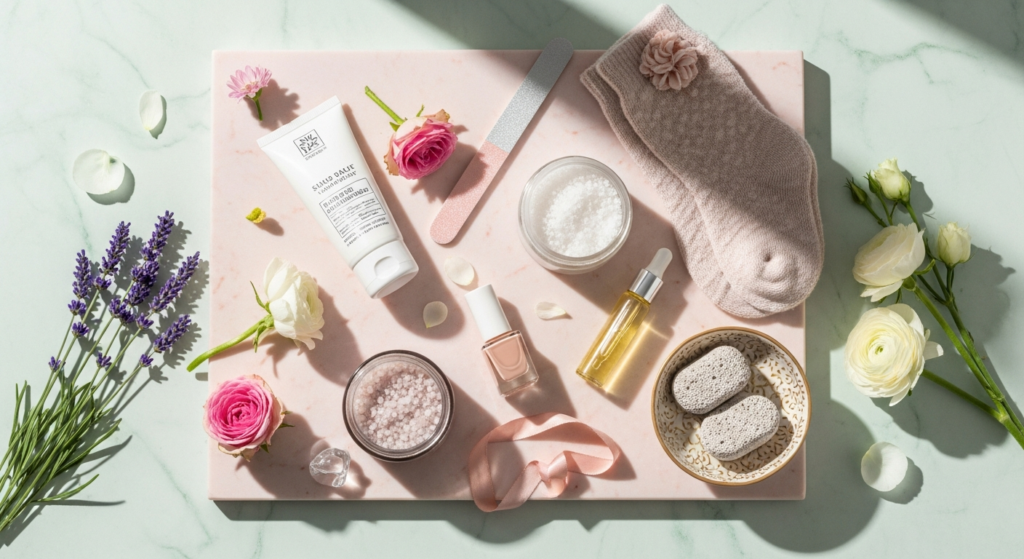
- Gather Your Supplies: A basin for soaking, Epsom salts or essential oils, a foot scrub, a pumice stone or foot file, nail clippers, a nail file, cuticle pusher, rich foot cream, and your favorite nail polish.
- Soak Your Feet: Fill a basin with warm water and add Epsom salts, a few drops of lavender or peppermint essential oil, or a specialized foot soak. Immerse your feet for 10-15 minutes, letting the warmth and aromatherapy melt away tension.
- Exfoliate and Smooth: Gently scrub your feet with a foot scrub, focusing on rough areas. Use a pumice stone or foot file on calluses and hardened skin, working slowly and carefully to avoid over-exfoliation.
- Nail and Cuticle Care: Dry your feet thoroughly. Trim your toenails straight across, and gently push back your cuticles with a cuticle pusher. Resist the urge to cut your cuticles, as this can lead to infection.
- Moisturize and Massage: Apply a generous amount of rich foot cream and massage it into your feet and lower legs. This is your moment to truly relax and connect with your body. Focus on areas that feel particularly tired or tense.
- Polish (Optional): If desired, apply a base coat, two coats of your favorite nail polish, and a top coat for a long-lasting finish.
Whether you opt for a luxurious salon treatment or a comforting home session, regular pedicures are an investment in your physical comfort and mental well-being. They keep your feet healthy, prevent common issues, and provide a dedicated slot in your schedule for mindful self-care. Make them a regular part of your routine, and feel the difference they make to your overall vitality.
Choosing Your Sole Mates: The Art of Smart Footwear
Our feet spend most of their waking hours encased in shoes, making footwear choices one of the most critical aspects of foot care. The right shoes are not just a fashion statement; they are a vital foundation for foot health, comfort, and overall body alignment. Conversely, ill-fitting or inappropriate shoes can be a primary culprit behind a host of foot problems, from bunions and corns to back pain. Understanding how to select your “sole mates” is an art that blends practicality, comfort, and a touch of personal style.
Understanding the Impact of Your Shoes
Every step you take puts pressure on your feet, and your shoes are the first line of defense. They should cushion, support, and protect. Shoes that are too tight can pinch and rub, leading to blisters, corns, and ingrown toenails. Shoes that are too loose can cause your foot to slide, leading to friction and instability. High heels, while fashionable, can throw off your body’s alignment, putting excessive pressure on the balls of your feet and shortening your Achilles tendons over time. Even seemingly innocuous flat shoes can be problematic if they lack adequate arch support.
Key Considerations When Buying Shoes:
- Prioritize Comfort and Fit: This is paramount. Always try on shoes at the end of the day when your feet are slightly swollen. Stand up and walk around to ensure there’s enough room, especially in the toe box. You should have about a thumb’s width between your longest toe and the end of the shoe. Ensure they don’t pinch anywhere.
- Measure Your Feet Regularly: Foot size can change over time due to age, weight fluctuations, and pregnancy. Don’t assume your size from years ago is still accurate.
- Arch Support is Essential: Whether you have high arches, flat feet, or something in between, proper arch support distributes pressure evenly and prevents strain. Look for shoes with built-in support or consider adding orthotic inserts if needed.
- Cushioning and Shock Absorption: Good cushioning, especially in the sole, helps absorb the impact of walking and standing, protecting your joints and reducing fatigue.
- Material Matters: Opt for breathable materials like leather, canvas, or mesh. These allow air circulation, preventing moisture buildup and reducing the risk of fungal infections. Avoid synthetic materials that don’t breathe well.
- Heel Height: While a moderate heel (1-2 inches) can be comfortable, excessive heel height (over 2 inches) should be reserved for special occasions. Opt for wider, more stable heels over stilettos for everyday wear.
- Sole Flexibility and Grip: The sole should be flexible enough to bend with your foot but firm enough to offer support. A non-slip sole is crucial for stability and preventing falls.
- Consider the Activity: Different activities require different shoes. Running shoes are designed for impact absorption, walking shoes for continuous movement, and dress shoes for aesthetics. Don’t try to make one pair do it all.
The Role of Socks: Your Feet’s Best Friend
Often an afterthought, socks play a vital role in foot health. They act as a barrier between your foot and shoe, wicking away moisture and preventing friction. Choose socks made from breathable, moisture-wicking materials like cotton blends, wool (especially Merino), or synthetic performance fabrics. Avoid tight elastic bands that can restrict circulation. Changing your socks daily, or even more frequently if your feet sweat a lot, is crucial for hygiene.
Making smart footwear choices is a proactive step towards long-term foot health. It’s about investing in your comfort and mobility, ensuring that your feet are well-supported and protected as they carry you through life’s many adventures. By choosing your shoes wisely, you’re not just making a purchase; you’re making a commitment to your body’s foundational well-being. This mindful approach to daily living extends to all areas of your life, including how you present yourself, perhaps even subtly enhancing your confidence on a
Surefire Ways To Impress Your Partner On Date Night
where feeling good from the ground up makes all the difference.
Beyond the Basics: Addressing Common Foot Concerns
Even with diligent daily care and smart footwear choices, our feet can sometimes develop specific issues. Knowing how to identify and address these common foot concerns is crucial for maintaining comfort and preventing escalation. While some problems require professional medical attention, many can be managed or alleviated with consistent home care and a keen eye.
Calluses and Corns
These are areas of thickened, hardened skin that develop as a protective response to repeated friction or pressure. Calluses are generally broader and flatter, often on the soles or heels, while corns are smaller, deeper, and have a central core, typically forming on or between toes. They can be painful, especially when pressed.
- Home Care: Soak your feet in warm water to soften the skin. Gently use a pumice stone or foot file to reduce the thickened skin. Apply a moisturizing cream containing urea or salicylic acid to help break down the callus. Use protective pads to reduce friction.
- Prevention: Wear properly fitting shoes with adequate padding. Use toe separators or protective sleeves for corns.
- When to See a Professional: If they are very painful, persist despite home treatment, or if you have diabetes or poor circulation, see a podiatrist. They can safely remove the thickened skin and identify underlying causes.
Cracked Heels
Often a result of extreme dryness, cracked heels can range from a cosmetic nuisance to deep, painful fissures that can bleed and become infected.
- Home Care: Soak your feet regularly in warm water. Apply a thick, emollient cream (especially one with urea or alpha hydroxy acids) several times a day, particularly before bed, then cover with cotton socks. Gently exfoliate with a pumice stone after soaking, but avoid aggressive scrubbing on deep cracks.
- Prevention: Moisturize daily. Avoid open-backed shoes like flip-flops for extended periods, as they can allow fat pads to expand sideways, increasing pressure and cracking.
- When to See a Professional: If cracks are deep, bleeding, or show signs of infection (redness, pus, severe pain).
Ingrown Toenails
This occurs when the edge of a toenail grows into the surrounding skin, causing pain, redness, swelling, and sometimes infection.
- Home Care: Soak the affected foot in warm, soapy water several times a day to reduce swelling and tenderness. Gently try to lift the edge of the nail with a cotton swab or dental floss (if it’s not too painful) and place a small piece of cotton or floss under it.
- Prevention: Trim toenails straight across, not rounded, and avoid cutting them too short. Wear shoes that provide ample toe room.
- When to See a Professional: If pain is severe, there are signs of infection, or the issue recurs. A podiatrist can safely remove the ingrown portion of the nail.
Athlete’s Foot (Tinea Pedis)
A common fungal infection that thrives in warm, moist environments. Symptoms include itching, burning, redness, scaling, and sometimes blisters, often between the toes.
- Home Care: Use over-the-counter antifungal creams, sprays, or powders. Keep feet clean and dry, especially between the toes. Wear clean, breathable socks daily.
- Prevention: Dry feet thoroughly after washing. Wear flip-flops in public showers, locker rooms, and pool areas. Choose breathable footwear and socks.
- When to See a Professional: If symptoms don’t improve with home treatment within two weeks, or if the infection is severe.
Bunions
A bony bump that forms on the joint at the base of your big toe, causing the big toe to point inward towards the other toes. Often painful, especially when wearing shoes.
- Home Care: Wear wide, comfortable shoes with a spacious toe box. Use bunion pads to cushion the area. Apply ice to reduce pain and inflammation.
- Prevention: Avoid tight, narrow, or high-heeled shoes.
- When to See a Professional: If pain is persistent, severe, or interferes with daily activities. A podiatrist can recommend custom orthotics, physical therapy, or, in severe cases, surgery.
Addressing these concerns promptly is key to preventing further discomfort and complications. Remember, your feet are complex structures, and persistent or worsening problems should always be evaluated by a healthcare professional, ideally a podiatrist. Don’t hesitate to seek expert advice; it’s an important part of comprehensive self-care and ensures your feet remain healthy and functional for all of life’s adventures, supporting your overall well-being and even your mood, connecting back to
How To Look After Your Mental Health
by removing a source of constant physical pain.
Pampering Your Peds: Indulgent Treatments for Ultimate Relaxation
While daily care and addressing specific concerns are fundamental, sometimes our feet (and our souls!) crave a little extra indulgence. Pampering treatments are not just about luxury; they are potent tools for relaxation, stress relief, and enhancing the overall health and appearance of your feet. Think of these as your personal spa rituals, perfectly embodying the spirit of
Treat Yourself: No One Loves You Like You Do
, and offering a direct pathway to unwind and reconnect with your body.
Foot Soaks: The Gateway to Relaxation
A warm foot soak is arguably one of the simplest yet most effective ways to soothe tired feet and calm a busy mind. The warmth relaxes muscles, improves circulation, and can be infused with ingredients that offer additional benefits.
- Epsom Salt Soak: Add half a cup of Epsom salts to a basin of warm water. The magnesium in Epsom salts is believed to help relax muscles and reduce inflammation. Soak for 15-20 minutes.
- Essential Oil Infusion: Enhance your soak with a few drops of essential oils. Lavender is excellent for relaxation, peppermint for invigorating tired feet, and tea tree oil for its antifungal properties. Always dilute essential oils in a carrier oil (like jojoba or almond oil) or mix with Epsom salts before adding to water.
- Herbal Soaks: Steep a few tea bags (chamomile for soothing, green tea for antioxidants) or fresh herbs like rosemary or mint in hot water, then add to your foot bath once cooled to a comfortable temperature.
A foot soak isn’t just for your feet; it’s a mindful moment that contributes significantly to
How To Look After Your Mental Health
, allowing you to de-stress and reset.
Foot Masks: Deep Nourishment and Rejuvenation
Just like face masks, foot masks deliver a concentrated boost of beneficial ingredients to the skin, tackling dryness and promoting softness.
- Hydrating Masks: Look for masks rich in ingredients like shea butter, hyaluronic acid, or natural oils. Apply a thick layer to clean, dry feet, cover with plastic wrap or cotton socks, and leave on for 15-30 minutes before rinsing or massaging in the excess.
- Exfoliating Masks: These often contain alpha or beta hydroxy acids to gently slough off dead skin over several days or weeks, revealing incredibly soft skin. Follow product instructions carefully.
- DIY Masks: Mash an avocado with a tablespoon of olive oil and a few drops of lemon juice for a nourishing, vitamin-rich mask. Or mix honey with milk for a natural moisturizer.
Foot Massages: Therapeutic Touch
A foot massage is a powerful tool for alleviating tension, improving circulation, and promoting overall relaxation. You can do it yourself, ask a partner, or seek a professional.
- Self-Massage: Using a rich lotion or oil, start by gently stroking the top of your foot. Then, use your thumbs to apply pressure to the arch and sole, working in small circles. Squeeze and pull each toe, and finish by massaging your ankles.
- Massage Tools: A simple golf ball, tennis ball, or specialized foot roller can be used to roll under your foot, targeting pressure points and relieving tightness.
- Partner Massage: If you’re looking for a way to connect and unwind, asking a partner for a foot massage can be a wonderfully intimate and relaxing experience, perhaps even setting a tender mood for
Surefire Ways To Impress Your Partner On Date Night
by prioritizing shared moments of care.
- Professional Reflexology: Consider a session with a reflexologist who applies pressure to specific points on the feet believed to correspond with different organs and systems in the body, promoting healing and relaxation.
Incorporating these indulgent treatments into your routine, even occasionally, transforms foot care from a chore into a cherished ritual. They offer a moment of pause, a chance to deeply nourish your body, and a powerful way to reduce stress and enhance your mood. By pampering your feet, you’re not just treating a part of your body; you’re nurturing your entire self, fostering a sense of peace and well-being that resonates throughout your life.
Feet for the Future: Long-Term Foot Health Strategies
While daily care and occasional pampering address immediate needs, true foot health is built on a foundation of long-term strategies. These practices ensure your feet remain strong, flexible, and pain-free as you navigate the years, allowing you to maintain an active, vibrant lifestyle well into 2026 and beyond. Thinking proactively about your foot health is an investment in your future mobility and quality of life.
The Importance of Movement and Exercise
Our feet are designed for movement, and regular exercise is vital for maintaining their strength and flexibility. Incorporate foot-specific exercises into your routine:
- Toe Curls: Place a towel flat on the floor and use your toes to scrunch it towards you. Repeat 10-15 times per foot.
- Marble Pick-Ups: Place marbles on the floor and use your toes to pick them up and place them into a bowl. This strengthens the intrinsic muscles of the foot.
- Ankle Rotations: Sit or lie down and gently rotate your ankles clockwise and counter-clockwise to improve flexibility and range of motion.
- Calf Stretches: Tight calf muscles can put extra strain on your feet. Regular calf stretches (e.g., leaning against a wall with one leg back) help maintain flexibility in the Achilles tendon and relieve pressure on the foot.
- Walking: Regular walking in supportive shoes is one of the best exercises for your feet and overall health. It strengthens muscles, improves circulation, and maintains joint mobility.
These exercises not only prevent stiffness and weakness but also improve balance, which is crucial as we age. A strong foundation literally supports every step you take.
Stay Hydrated and Nourished
What you put into your body directly impacts the health of your skin, nails, and connective tissues, including those in your feet.
- Hydration: Drinking plenty of water is essential for skin elasticity, preventing dryness and cracking on your heels and soles.
- Balanced Diet: A diet rich in vitamins and minerals supports strong nails and healthy skin. Calcium and Vitamin D are important for bone health, while Vitamin C aids in collagen production for healthy connective tissues. Omega-3 fatty acids can help reduce inflammation.
Regular Professional Check-ups
Just as you visit a dentist for your teeth or an optometrist for your eyes, consider regular check-ups with a podiatrist, especially as you age or if you have underlying health conditions like diabetes. A podiatrist can:
- Detect early signs of problems.
- Provide expert care for corns, calluses, and ingrown nails.
- Assess your gait and recommend custom orthotics if needed.
- Offer advice on managing chronic conditions affecting the feet.
Early intervention is always more effective and less invasive than treating advanced problems. This proactive approach to health underscores the importance of taking charge of your well-being, a principle that extends to
How To Look After Your Mental Health
by reducing potential sources of chronic pain and anxiety.
Listen to Your Feet
Perhaps the most important long-term strategy is simply to listen to your body. Your feet are constantly sending you signals. Persistent pain, numbness, tingling, or swelling are not normal and should not be ignored. Pay attention to how your feet feel in different shoes, after different activities, and throughout the day. Adjust your routines, footwear, or seek professional advice when something feels off. This mindful awareness empowers you to respond to your body’s needs and maintain optimal foot health.
By integrating these long-term strategies into your lifestyle, you’re not just treating your feet; you’re investing in your freedom, your comfort, and your ability to enjoy every aspect of life. Happy, healthy feet are your reliable companions, ready to carry you gracefully through all of life’s adventures, ensuring that you can step confidently and comfortably towards whatever the future holds, whether it’s a brisk walk in the park or dancing the night away on a
Surefire Ways To Impress Your Partner On Date Night
.
Frequently Asked Questions
Recommended Resources
Learn more about this topic in Benefits Of Walking Daily at Rock Salt Plum.
Explore How To Style A Classic White Button Down Shirt Outfits for additional insights.