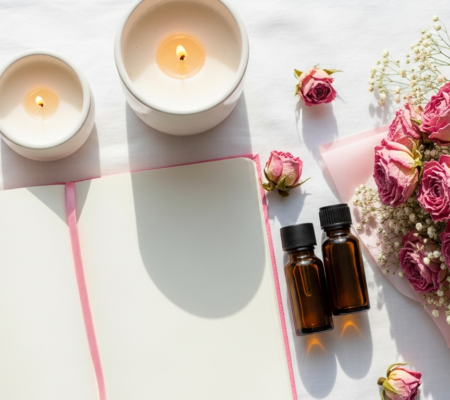


In the bustling rhythm of modern life, where our days often overflow with responsibilities, deadlines, and endless digital notifications, the transition from day to night can feel like a blur. For many women, the evening hours, instead of offering solace, become another extension of the day’s demands, leaving us feeling perpetually “on.” But what if there was a way to reclaim these precious hours, to transform them into a sanctuary of peace and rejuvenation? Enter the concept of cozy evening rituals – intentional practices designed to help you gently detach from the day’s stresses and truly relax and unwind at home. This isn’t about adding more to your to-do list; it’s about mindfully curating moments that nourish your soul, prepare you for restorative sleep, and empower you to greet tomorrow with renewed energy and clarity. Let’s explore how you can craft your own personalized symphony of calm, transforming your evenings into a cherished haven of self-care.
The Power of the Evening Ritual: Why It Matters for Modern Women
As modern women, we often wear many hats: professional, partner, mother, friend, caregiver, and more. The relentless pace can leave us feeling depleted, struggling to switch off our minds even when our bodies crave rest. This constant state of alertness, often fueled by blue light from screens and the mental load of managing everything, directly impacts our well-being. This is precisely where the profound importance of an evening ritual comes into play. It acts as a deliberate “off-ramp” from the highway of daily demands, signaling to your brain and body that it’s time to transition from doing to being.
Think of your evening ritual as a cornerstone of your broader how to create a self-care routine. It’s not just a nice-to-have; it’s a non-negotiable component for sustaining your energy, preserving your mental health, and enhancing your overall quality of life. Without a dedicated wind-down period, many of us carry the day’s anxieties, unresolved thoughts, and physical tension straight into our beds, leading to restless sleep, increased stress, and a diminished capacity to cope with future challenges.
Establishing consistent evening rituals offers a myriad of benefits that extend far beyond simply falling asleep faster. These include:
- Reduced Stress Levels: By consciously disengaging from stressors, you give your nervous system a much-needed break, lowering cortisol levels and promoting a state of calm. This is one of the most effective best ways to reduce stress naturally.
- Improved Sleep Quality: A relaxed mind and body are essential for deep, restorative sleep. Rituals help regulate your circadian rhythm, making it easier to fall asleep and stay asleep.
- Enhanced Mental Clarity: Dedicating time to quiet reflection or gentle activities allows your mind to process the day’s events, leading to greater clarity and reduced mental clutter.
- Emotional Regulation: Creating a predictable, soothing environment can help stabilize mood, reduce irritability, and foster a sense of emotional balance.
- Increased Self-Awareness: Intentional evening practices provide an opportunity to check in with yourself, acknowledge your feelings, and understand your needs.
- Cultivating Presence: In a world that constantly pulls us into the past or future, a ritual anchors us in the present moment, fostering mindfulness and appreciation for the simple joys.
In essence, an evening ritual is an act of profound self-respect and self-love. It’s a powerful tool for modern women to reclaim their evenings, nurture their inner selves, and build resilience against the demands of a fast-paced world. It’s about consciously choosing to prioritize your peace, one cozy moment at a time.
Setting the Stage: Cultivating Your Cozy Sanctuary
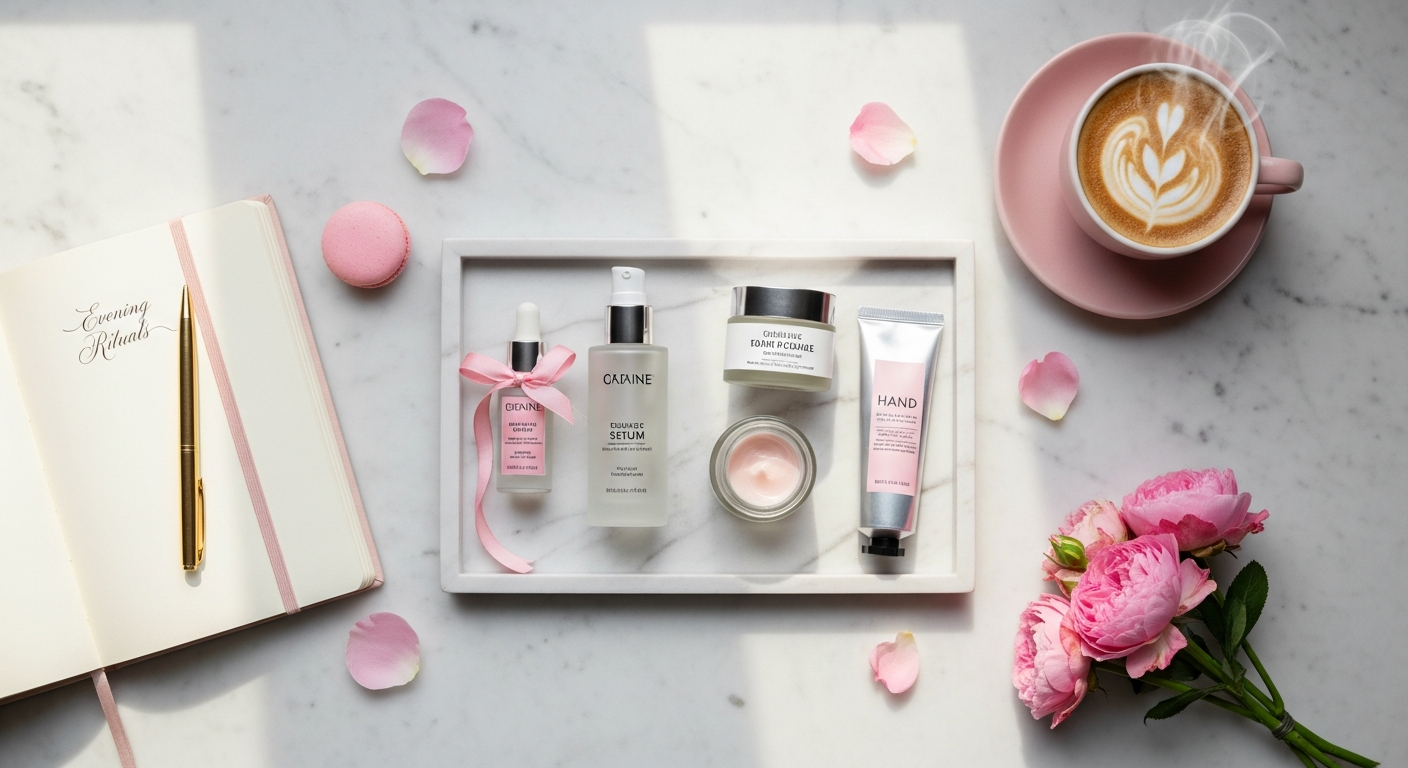
Before you even begin your ritual, the environment itself plays a crucial role in preparing your mind and body for relaxation. Think of your home, or at least a designated corner of it, as your personal sanctuary – a space where comfort reigns supreme and the outside world fades away. Creating this cozy atmosphere is an art form, engaging all your senses to signal that it’s time to unwind.
Here’s how to transform your space into a haven of tranquility:
-
Master the Art of Lighting: Harsh overhead lights are the enemy of relaxation. Opt for soft, warm, and dim lighting.
- Dimmer Switches: If you have them, utilize them to create a gentle glow.
- Lamps with Warm Bulbs: Place strategically around the room to cast a comforting ambiance.
- Candles: The flickering glow of candles is inherently soothing. Choose unscented or lightly scented candles to avoid overwhelming your senses. Always prioritize safety and never leave candles unattended.
- Salt Lamps: These emit a soft, warm light and are believed by some to purify the air and promote a sense of calm.
-
Engage Your Sense of Smell with Aromatherapy: Our olfactory sense is powerfully linked to memory and emotion. Harness its power to induce relaxation.
- Essential Oil Diffuser: Diffuse calming essential oils like lavender (renowned for its sleep-inducing properties), chamomile, cedarwood, bergamot, or frankincense.
- Room Sprays: A quick spritz of a pillow mist or room spray with relaxing scents can set the mood instantly.
- Scented Candles (Subtle): As mentioned before, if using scented candles, choose natural, subtle aromas that aren’t too strong or artificial.
-
Embrace Comfort with Textiles: The feeling of soft, inviting textures can immediately reduce tension.
- Cozy Blankets and Throws: Drape soft blankets on your sofa or bed. The act of wrapping yourself in one is a primal comfort.
- Comfortable Loungewear: Change out of your day clothes into something soft, loose, and comfortable – pajamas, a plush robe, or your favorite sweats. This physical shift signals the end of the workday.
- Soft Pillows: Ensure your pillows are comfortable and supportive, whether for your head in bed or for lounging on the sofa.
-
Minimize Visual Clutter: A messy environment can contribute to a cluttered mind. Take a few minutes to tidy up your space.
- Declutter Surfaces: Clear away papers, dirty dishes, or anything that visually reminds you of tasks or responsibilities.
- Make Your Bed: If you haven’t already, making your bed creates a visually appealing and inviting sleep space.
- Consider Plants: A touch of greenery can bring a sense of calm and freshness to your environment.
-
Curate Calming Sounds: While silence can be golden, some gentle background sounds can enhance relaxation.
- Soft Music: Instrumental, classical, ambient, or nature sounds can be incredibly soothing. Create a dedicated playlist for your evening ritual.
- White Noise Machine: If external noises are a problem, a white noise machine can create a consistent, calming background.
-
Deep Breathing Exercises: The simplest yet most profound tool for immediate relaxation. Conscious breathing activates your parasympathetic nervous system, signaling your body to “rest and digest.”
- 4-7-8 Breathing: Inhale deeply through your nose for a count of four, hold your breath for a count of seven, and then exhale completely through your mouth with a whoosh sound for a count of eight. Repeat several times.
- Box Breathing: Inhale for four counts, hold for four, exhale for four, hold for four. This creates a rhythmic, calming pattern.
- Diaphragmatic Breathing: Place one hand on your chest and one on your belly. As you inhale, focus on expanding your belly, not just your chest. This ensures you’re breathing deeply and efficiently.
-
Gentle Stretching or Yoga: Release physical tension stored in your muscles from the day. This isn’t about an intense workout; it’s about mindful movement and gentle release.
- Cat-Cow Stretch: On hands and knees, arch and round your spine, coordinating with your breath.
- Child’s Pose: A deeply restorative pose that calms the mind and gently stretches the back and hips.
- Legs-Up-The-Wall Pose: Lie on your back and rest your legs vertically against a wall. This pose is excellent for reducing fatigue and promoting relaxation.
- Simple Neck and Shoulder Rolls: Slowly roll your head from side to side and gently rotate your shoulders to release tension.
-
Journaling for Reflection and Release: Putting thoughts and feelings onto paper can be incredibly therapeutic, helping you to process the day and clear your mind.
- Gratitude Journaling: List 3-5 things you are grateful for from the day. This shifts your focus to positivity.
- Brain Dump: Write down everything on your mind – worries, to-dos, creative ideas – to get them out of your head and onto the page.
- Reflective Prompts: Ask yourself questions like, “What was one small joy today?” or “What do I need to let go of before bed?”
-
Meditation and Mindfulness Practices: The benefits of meditation for stress relief are widely acclaimed, offering a powerful way to train your mind to be present and calm.
- Guided Meditations: Use apps or online resources to follow a guided meditation specifically designed for relaxation or sleep. These can be as short as 5-10 minutes.
- Body Scan Meditation: Lie down and systematically bring awareness to each part of your body, noticing any sensations without judgment, and consciously releasing tension.
- Mindful Awareness: Simply sit quietly and observe your breath, sounds, and sensations without getting caught up in thoughts. If your mind wanders, gently bring it back to your anchor (e.g., your breath).
- Visualization: Imagine yourself in a peaceful, calming place – a serene beach, a quiet forest, a cozy cabin. Engage all your senses in this mental escape.
-
Sip on a Warm, Soothing Drink: A warm beverage can be incredibly comforting and signal to your body that it’s time to slow down.
- Herbal Teas: Opt for caffeine-free varieties known for their calming properties, such as chamomile, lavender, peppermint, valerian root, or passionflower tea.
- Golden Milk: A warm milk-based drink (dairy or non-dairy) infused with turmeric, ginger, and other spices, often sweetened with a touch of honey. Turmeric has anti-inflammatory properties and the warmth is very soothing.
- Warm Water with Lemon: A simple, hydrating option that can also aid digestion.
-
Indulge in a Warm Bath or Shower: The therapeutic power of water is undeniable. A warm bath or shower can relax muscles, soothe the mind, and prepare you for sleep.
- Add Epsom Salts: Magnesium in Epsom salts can help relax muscles and ease tension.
- Essential Oils: Add a few drops of calming essential oils (like lavender) to the bathwater (ensure they are bath-safe or use a carrier oil).
- Dim the Lights: Create a spa-like atmosphere by dimming the bathroom lights or using candles.
-
Immerse Yourself in a Good Book: There’s something uniquely calming about getting lost in the pages of a physical book. It’s a wonderful escape that doesn’t involve screens.
- Choose Wisely: Opt for fiction, poetry, or uplifting non-fiction. Avoid heavy, intense, or work-related reading right before bed.
- Physical Books: The tactile experience of holding a book and turning pages is part of the charm. If using an e-reader, ensure it has a warm, non-backlit setting.
-
Listen to Calming Music, Podcasts, or Audiobooks: If reading isn’t your preferred method, or if you want to multitask with a warm drink or bath, auditory content can be incredibly relaxing.
- Ambient Music: Look for playlists specifically designed for relaxation, meditation, or sleep.
- Nature Sounds: Gentle rain, ocean waves, or forest sounds can be deeply soothing.
- Calm Podcasts/Audiobooks: Choose stories or educational content that is not overly stimulating or suspenseful.
-
Embrace a Digital Detox: This is arguably one of the most crucial elements of a modern evening ritual. The blue light emitted by screens (phones, tablets, computers, TVs) suppresses melatonin production, interfering with your body’s natural sleep cycle.
- Set a Cut-Off Time: Aim to put away all screens at least 60-90 minutes before your intended bedtime.
- Create a Charging Station: Keep your phone and other devices out of the bedroom, or at least away from your bed, to remove the temptation to scroll.
- Replace Screen Time: Fill the void left by screens with any of the other nurturing activities mentioned above.
-
Engage in a Gentle Hobby: If you enjoy creative or repetitive tasks, incorporate a short burst of a gentle hobby that doesn’t require intense focus.
- Knitting or Crocheting: The rhythmic motion can be very meditative.
- Drawing or Doodling: Express yourself without pressure.
- Puzzles: A simple jigsaw or crossword puzzle can provide a gentle mental distraction.
-
Start Small and Simple: Don’t try to implement every suggestion at once. Overwhelm is the enemy of consistency.
- Pick One or Two Activities: Begin with just one or two activities that appeal most to you – perhaps 10 minutes of journaling and a cup of herbal tea.
- Gradually Build: Once those feel natural, you can gradually add more elements as you feel ready.
-
Be Flexible, Not Rigid: Life happens. Some evenings will be shorter, busier, or simply different. Your ritual should adapt, not break.
- Have a “Mini-Ritual”: On nights when time is scarce, have a condensed version ready – perhaps just 5 minutes of deep breathing and turning off screens.
- Forgive Yourself: If you miss a night, don’t beat yourself up. Simply pick it back up the next evening. Consistency over perfection is the mantra for long-term success.
-
Listen to Your Body and Intuition: Your needs will vary from day to day and season to season. What feels good one night might not another.
- Check In: Before starting your ritual, take a moment to ask yourself, “What do I truly need tonight?” Is it quiet reflection, physical release, or pure comfort?
- Experiment: Don’t be afraid to try different combinations of activities until you find what truly resonates with your unique energy and preferences.
-
Make it a Habit, Not a Chore: The difference between a sustainable ritual and a forgotten task lies in your approach.
- Connect to a Trigger: Link your ritual to an existing evening habit, like finishing dinner or brushing your teeth. This helps your brain associate the trigger with the start of your wind-down.
- Set an Alarm: A gentle reminder on your phone (perhaps with a calming chime) can signal the start of your ritual time.
- Mindset Matters: Approach your ritual as a gift you give yourself, a sacred time for self-care, rather than another item on your to-do list.
-
Involve Loved Ones (if applicable): If you live with a partner or family, communicate your need for this wind-down time.
- Set Boundaries: Explain that this time is for you to unwind and ask for their support in minimizing interruptions.
- Model the Behavior: Your commitment to self-care might even inspire others in your household to create their own calming routines.
-
Troubleshoot Common Obstacles: Anticipate potential disruptions and have a plan.
- Kids’ Bedtime: Schedule your ritual after children are asleep, or incorporate a family wind-down activity before their bedtime.
- Late Work: If you work late, create a mini-ritual specifically for those evenings, even if it’s just 15 minutes.
- Lack of Motivation: Remind yourself of the benefits – better sleep, less stress, more energy for tomorrow. Sometimes, just starting with the smallest step (like putting on cozy socks) can create momentum.
By thoughtfully preparing your environment, you’re not just decorating; you’re actively constructing a physical space that supports your intention to relax and unwind. This conscious effort sets a powerful precedent for the mental and emotional winding down that is to follow.
Mindful Moments: Incorporating Relaxation Techniques
Once your physical space is transformed into a cozy haven, the next step is to invite tranquility into your mind and body through mindful practices. These techniques are among the best ways to reduce stress naturally, helping you to release tension, quiet the mental chatter, and cultivate a deeper sense of peace. They are vital components of any effective evening ritual, acting as powerful anchors in the present moment.
Incorporating these mindful moments into your evening ritual is about cultivating an inner landscape of calm. It’s about consciously choosing to slow down, tune in, and nourish your mental and emotional well-being, paving the way for a truly restorative night.
Nourishing Your Body & Soul: Gentle Habits for Inner Peace
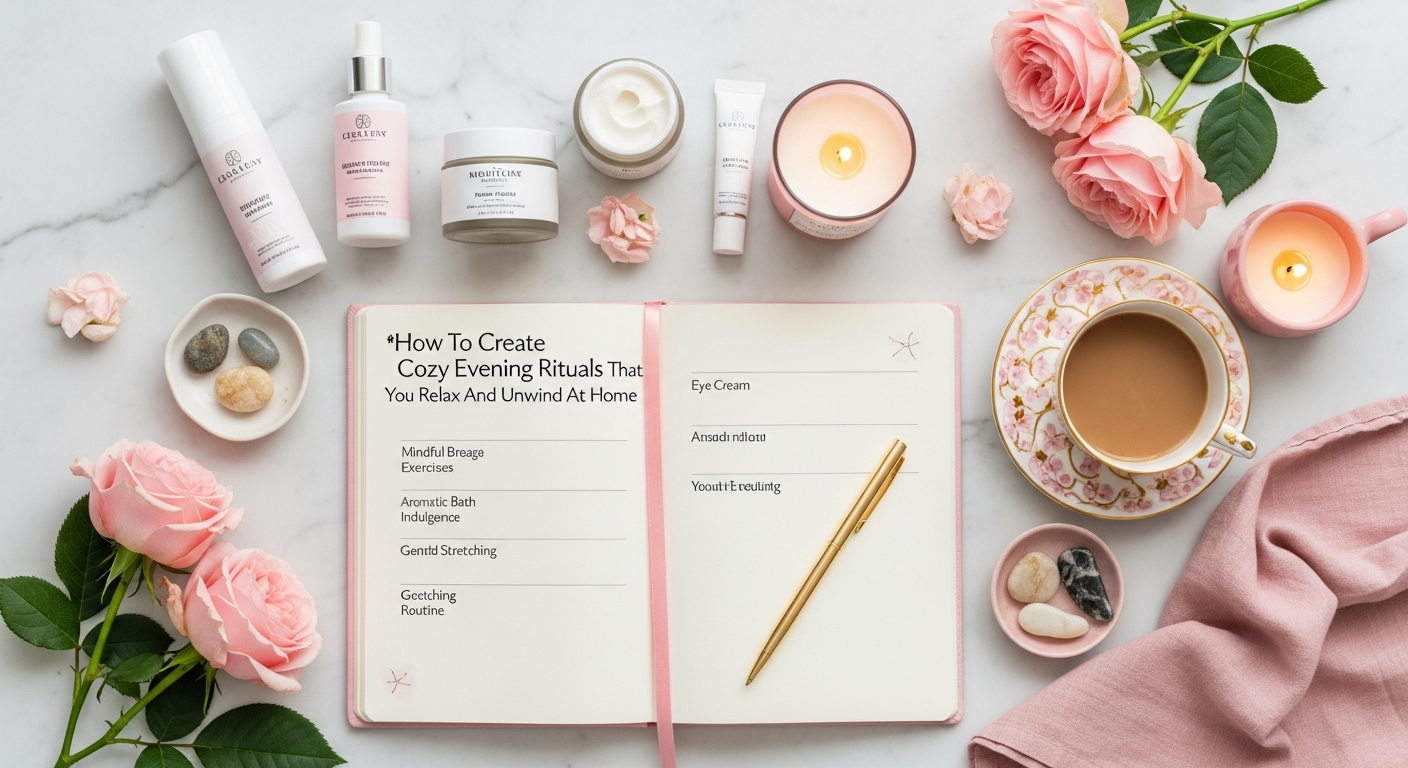
Beyond the mindful practices that calm your mind, nurturing your body and soul with gentle, comforting habits is equally important for creating a truly cozy evening ritual. These activities focus on sensory pleasure, warmth, and disconnection from the external world, allowing you to fully embrace a state of relaxation. They complement your mental unwinding by providing physical comfort and a sense of quiet contentment.
By integrating these gentle habits, you create a holistic approach to unwinding that addresses both your mental and physical needs. These are the moments where you truly disconnect, recharge, and prepare your entire being for a night of restful sleep.
Crafting Your Personalized Ritual: Tips for Consistency and Joy
The beauty of an evening ritual lies in its personalization. There’s no one-size-fits-all formula, and what brings one woman peace might not resonate with another. The goal is to create a sequence of activities that genuinely feels restorative and enjoyable to you. Once you’ve identified what works, the next challenge is consistency – making your ritual a regular, cherished part of your life rather than a fleeting experiment.
Here’s how to craft a ritual that sticks and brings you joy:
Remember, your evening ritual is a personal journey of self-discovery and self-nourishment. It evolves with you. Embrace the process, savor the moments, and allow yourself the grace to create a habit that truly supports your well-being in 2026 and beyond.
Beyond the Ritual: Extending Relaxation into Your Sleep
The beauty of a well-crafted cozy evening ritual extends far beyond the moments you spend actively unwinding. Its true power lies in its ability to seamlessly transition you into a night
Recommended Resources
Related reading: Best Tinted Moisturizers For Natural Everyday Coverage (The Contextual Life).
Learn more about this topic in Women’S Health Tips Every Woman Should Know at Veralyn Media.
Wine Pairings for the Perfect Relaxation Ritual
No cozy evening ritual is complete without the right glass of wine. Whether you’re drawing a bubble bath, winding down with a book, or simply enjoying quiet time, the right wine enhances the entire sensory experience.
Best Wines to Pair With a Bubble Bath or Relaxing Evening
| Wine | Flavor Profile | Best Ritual Pairing | Mood |
|---|---|---|---|
| Prosecco or Champagne | Light, bubbly, citrus, floral | Bubble bath, self-care Sunday | Celebratory, uplifting |
| Rosé (Provence style) | Dry, strawberry, rose petal, light | Evening bath, face mask, journaling | Romantic, soft, peaceful |
| Pinot Noir (Oregon/Burgundy) | Cherry, earthy, silky, low tannin | Candle-lit bath, reading, unwinding | Cozy, contemplative |
| Riesling (Off-dry) | Peach, honey, floral, light sweetness | Aromatherapy bath, meditation | Soothing, dreamy |
| Sauvignon Blanc | Crisp, citrus, herbaceous, refreshing | Warm evening skincare routine | Refreshed, revitalized |
Tips for a Wine + Bath Self-Care Ritual
- Temperature: Keep your wine cool — a wine chiller or bathroom ice bucket keeps white wines and rosé at the ideal 45–55°F even in a steamy bathroom.
- Glassware: Use a stemless wine glass for the bath — easier to hold and less likely to tip. Some people prefer a small plastic wine glass for safety.
- Timing: Pour your glass just before you step in. Bath water should be warm but not too hot (98–104°F is ideal) — extreme heat can dull your palate.
- Atmosphere: Pair your wine with matching candle scents: floral rosé + rose candle; citrus Sauvignon Blanc + lemon verbena; Pinot Noir + sandalwood or cedar.
- Alcohol note: Stick to one glass. Hot baths already dilate blood vessels and can intensify the effects of alcohol.