
Understanding Dairy: A Look at Traditional Milk and Its Potential Downsides for Women
For generations, cow’s milk has been touted as a cornerstone of a healthy diet, especially for its calcium content. Many of us grew up with the mantra, “milk does a body good,” and for some, traditional dairy products continue to be a perfectly fine part of their diet. However, for a growing number of women, dairy can be a source of discomfort, inflammation, and even contribute to more significant health concerns. It’s important to understand that our bodies are unique, and what works for one may not work for another. Listening to your body is perhaps the most profound act of self-love, a theme we often explore when we talk about How To Look After Your Mental Health – it all starts with awareness and gentle care.
One of the most common issues is lactose intolerance. Lactose, the sugar found in milk, requires an enzyme called lactase to be properly digested. As we age, many people, particularly women, produce less lactase, leading to symptoms like bloating, gas, cramps, and diarrhea after consuming dairy. These symptoms, while not life-threatening, can significantly impact your daily comfort and confidence. Imagine planning a delightful Surefire Ways To Impress Your Partner On Date Night, only to feel uncomfortable and sluggish because of an innocent glass of milk with dinner. It truly dampens the sparkle of an evening!
Beyond lactose, dairy can also contain natural hormones, including estrogens and androgens, which are present due to the cow’s reproductive cycle. While the levels are often low, some research suggests a potential link between these hormones and hormonal imbalances in women. For those struggling with conditions like PCOS (Polycystic Ovary Syndrome) or endometriosis, reducing dairy intake is often recommended by healthcare professionals to help manage symptoms and support hormonal equilibrium. Furthermore, dairy products can sometimes contribute to inflammation in the body. Casein, a protein in milk, can be difficult for some individuals to digest, potentially triggering an inflammatory response. Chronic inflammation is a silent culprit behind a myriad of health issues, from joint pain to skin problems like acne, and even contributes to the aging process. By recognizing these potential drawbacks, we empower ourselves to make informed decisions that align with our personal health goals and embrace a more gentle, nourishing approach to our diet.
Making a conscious choice to explore alternatives isn’t about deprivation; it’s about giving your body the best possible fuel and eliminating potential stressors. It’s about recognizing that sometimes, the traditional path isn’t the optimal one for your unique system. This thoughtful approach to nutrition is a powerful way to Treat Yourself: No One Loves You Like You Do, by actively seeking out what truly makes you feel your best.
The Nutritional Powerhouses: Exploring the Diverse World of Non-Dairy Milks
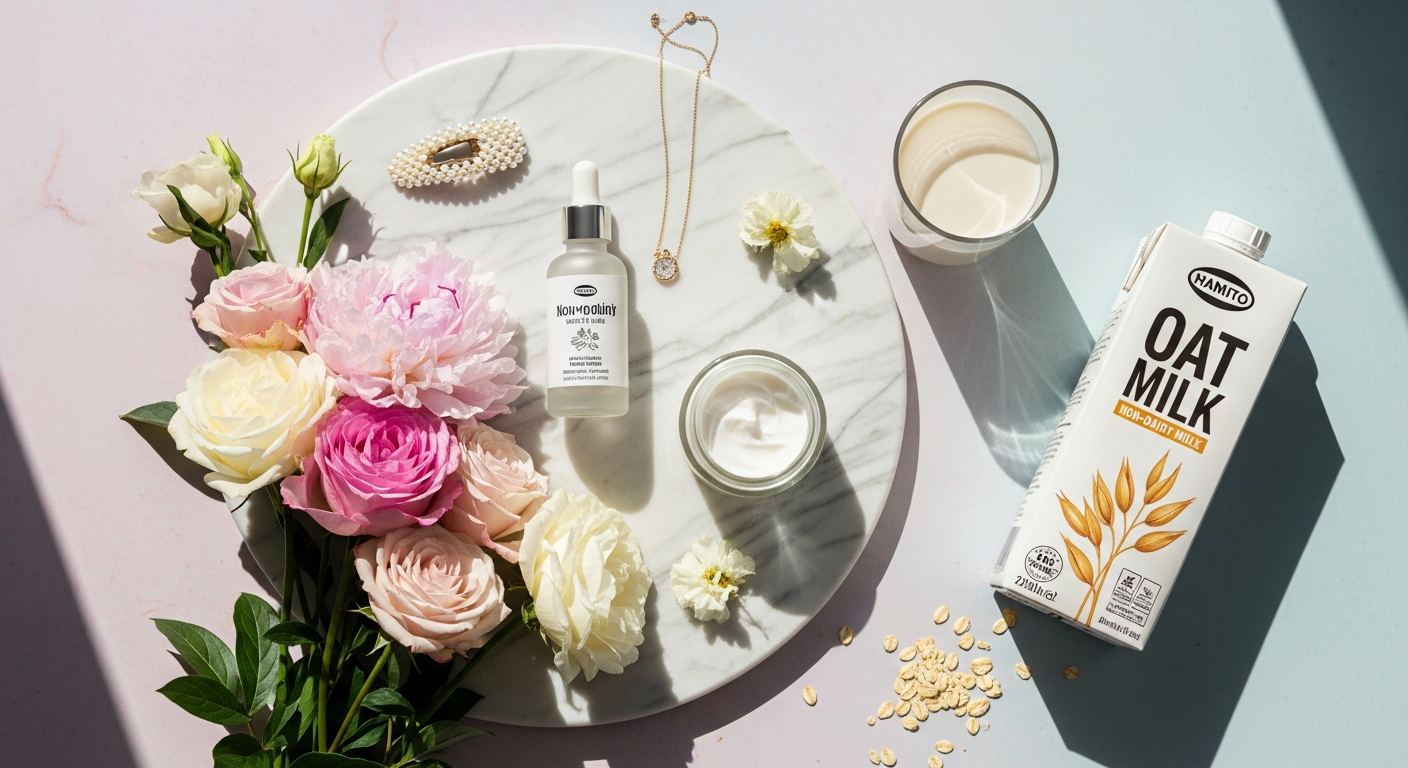
Stepping into the world of non-dairy milks is like opening a treasure chest of nutritional diversity! Gone are the days when soy milk was the only alternative. Today, the market offers an incredible array of plant-based milks, each boasting its own unique profile of vitamins, minerals, and healthy fats. This abundance means you can choose an option that perfectly aligns with your taste preferences, dietary needs, and health aspirations. It’s an exciting journey of discovery, and finding your perfect plant-based companion can feel like a genuine win for your well-being.
Let’s take a closer look at some of the stars of the non-dairy show:
- Almond Milk: A widely popular choice, almond milk is generally low in calories and fat, making it an excellent option for those mindful of their caloric intake. It’s often fortified with calcium and Vitamin D, essential for bone health, and Vitamin E, a powerful antioxidant that supports skin health. Its mild, slightly nutty flavor makes it incredibly versatile in smoothies, coffee, and cereals.
- Oat Milk: Creamy and naturally sweet, oat milk has surged in popularity. It’s a fantastic source of soluble fiber, particularly beta-glucans, which are known to help lower cholesterol and promote gut health. The fiber content also contributes to a feeling of fullness, which can be beneficial for weight management. Many brands are fortified with B vitamins, calcium, and vitamin D, making it a robust nutritional choice.
- Soy Milk: One of the original dairy alternatives, soy milk is unique for its high protein content, comparable to cow’s milk. It’s a complete protein, meaning it contains all nine essential amino acids. Soy milk is also a good source of isoflavones, plant compounds that some research suggests may have benefits for heart health and menopausal symptoms. Choose unsweetened, organic varieties for the most health benefits.
- Coconut Milk: For a richer, more indulgent flavor, coconut milk is a wonderful option. While higher in saturated fat, it contains medium-chain triglycerides (MCTs), which are easily metabolized by the body for energy and may support brain function. It’s naturally lactose-free and a great base for curries, desserts, and tropical smoothies. Look for the refrigerated carton varieties for drinking, as opposed to the canned culinary coconut milk.
- Cashew Milk: Known for its exceptionally creamy texture, cashew milk is a delight in coffee and lattes. It’s generally lower in calories and fat than full-fat cow’s milk and provides essential vitamins and minerals, often including calcium, Vitamin D, and Vitamin B12 through fortification. Its subtle, sweet flavor is a real treat.
- Hemp Milk: Derived from the hemp plant (without the psychoactive compounds!), hemp milk offers a nutty flavor and impressive nutritional benefits. It’s a fantastic source of omega-3 and omega-6 fatty acids in an optimal ratio, crucial for brain health, heart health, and reducing inflammation. It also provides protein and a good dose of vitamins and minerals.
- Rice Milk: A good option for those with multiple allergies, as it’s typically free from nuts, soy, and gluten. Rice milk is naturally sweet and thin in consistency. While lower in protein, it’s often fortified with calcium and Vitamin D.
When selecting your non-dairy milk, always check the ingredients label. Opt for unsweetened varieties to minimize added sugars, and look for those fortified with calcium, Vitamin D, and B12, especially if you’re reducing other sources of these nutrients. By consciously choosing your non-dairy milk, you’re not just avoiding dairy; you’re actively embracing a spectrum of plant-based goodness that can genuinely elevate your nutritional intake and support your body’s specific needs in 2026 and beyond.
Gut Health & Digestion: Why Your Tummy Will Thank You for Going Dairy-Free
As we discussed, lactose intolerance is widespread. For those affected, consuming dairy leads to undigested lactose fermenting in the colon, causing a cascade of uncomfortable symptoms: bloating that makes your favorite jeans feel tight, painful gas, cramps, and sometimes even diarrhea or constipation. These aren’t just minor inconveniences; they can significantly impact your quality of life, making you feel sluggish, irritable, and self-conscious. Switching to non-dairy alternatives can offer immediate and profound relief, allowing your digestive system to work more smoothly and efficiently.
Beyond lactose, some individuals are sensitive to casein, a protein found in dairy. Casein can be difficult to digest for some, potentially contributing to gut inflammation, leaky gut syndrome, and even triggering symptoms similar to IBS (Irritable Bowel Syndrome). By removing this potential irritant, you give your gut a much-needed break, allowing it to heal and rebalance. Many non-dairy milks, particularly oat and almond, are naturally easy to digest and can be a soothing presence for a sensitive stomach.
Furthermore, the fiber content in many plant-based milks (like oat milk) actively supports a healthy gut. Fiber acts as a prebiotic, feeding the beneficial bacteria in your gut microbiome. A diverse and thriving microbiome is crucial for robust digestion, efficient nutrient absorption, and even plays a role in regulating inflammation throughout the body. When your gut is happy, you absorb nutrients better, your energy levels are more stable, and your overall sense of well-being significantly improves. This is a profound way to truly Treat Yourself: No One Loves You Like You Do – by fostering inner harmony, starting with your gut. Imagine waking up feeling light, energized, and free from digestive distress. That’s the power of a happy tummy, and for many, a dairy-free approach is the key to unlocking it. Making this change can free up mental and physical energy that was previously consumed by digestive discomfort, allowing you to focus on other aspects of your self-care journey.
Skin Health & Radiance: Unveiling the Dairy-Free Glow
We all dream of radiant, clear skin, and often invest heavily in serums, creams, and treatments. But true beauty, as we often discuss at Sometimes Daily, radiates from within. What we put into our bodies has a profound impact on the health and appearance of our skin. For many women, dairy products can be a hidden culprit behind frustrating skin issues, and opting for non-dairy alternatives can be a game-changer in achieving that coveted healthy glow.
One of the most common skin complaints linked to dairy is acne. While acne is multi-factorial, with genetics and hormones playing significant roles, numerous studies and anecdotal reports suggest a strong correlation between dairy consumption and breakouts, especially cystic and inflammatory acne around the jawline and chin. This link is thought to be due to several factors present in dairy:
- Hormones: Dairy milk naturally contains hormones, including insulin-like growth factor 1 (IGF-1). IGF-1 has been shown to increase sebum production (the oily substance that can clog pores) and promote the growth of skin cells, leading to blocked follicles and inflammation, which are prime conditions for acne.
- Inflammation: For individuals sensitive to dairy proteins (like casein) or lactose, consuming dairy can trigger a systemic inflammatory response. This internal inflammation can manifest externally as redness, irritation, and aggravated acne lesions. Reducing dairy can calm this inflammatory cascade, leading to a clearer, more even complexion.
- Growth Factors: Dairy also contains various growth factors that, while beneficial for growing calves, may stimulate excess cell growth and oil production in human skin, contributing to pore blockages and breakouts.
Beyond acne, dairy can also exacerbate other skin conditions like eczema and rosacea in sensitive individuals. The inflammatory potential of dairy can worsen redness, dryness, and itching, making these conditions more challenging to manage. By eliminating dairy, many women report a significant reduction in inflammation, leading to calmer, less reactive skin. Imagine feeling so confident in your natural skin that you don’t even need much makeup for those Surefire Ways To Impress Your Partner On Date Night! This newfound confidence is truly empowering.
Switching to non-dairy milks, especially those like almond milk (rich in Vitamin E, an antioxidant) or hemp milk (packed with omega fatty acids), can provide your skin with beneficial nutrients that support its health and resilience. These plant-based alternatives often contain antioxidants that fight free radical damage, essential fatty acids that maintain the skin’s barrier function, and a lack of inflammatory compounds that can irritate sensitive skin. It’s not just about removing something potentially harmful; it’s about replacing it with something actively nourishing. Embracing a dairy-free lifestyle for clearer skin is a beautiful example of how choosing health is a profound way to Treat Yourself: No One Loves You Like You Do. It’s an investment in your self-esteem and your long-term skin health, allowing your natural radiance to shine through without the constant battle against breakouts and irritation.
Hormonal Balance & Well-being: A Kinder Choice for Your Body
For women, hormonal balance is a delicate dance, influencing everything from our mood and energy levels to our reproductive health and overall vitality. When our hormones are out of sync, it can feel like our entire world is off-kilter. This is where dietary choices, including the milk we consume, can play a surprisingly significant role. Embracing non-dairy alternatives can be a gentle yet powerful step towards supporting hormonal harmony and enhancing your overall well-being, directly impacting topics like How To Look After Your Mental Health.
As mentioned earlier, conventional cow’s milk naturally contains hormones, including estrogens and androgens. While the levels are low, some experts suggest that consistent consumption, especially of milk from pregnant cows, could potentially influence our own hormonal pathways. For women already grappling with hormonal imbalances, such as those with PCOS (Polycystic Ovary Syndrome), endometriosis, or even PMS (Premenstrual Syndrome), reducing external hormonal inputs can be a strategic move. Many women with PCOS find that dairy exacerbates their symptoms, including acne, irregular cycles, and insulin resistance. Removing dairy can help to reduce inflammation and modulate insulin response, creating a more favorable environment for hormonal balance.
Beyond the direct hormonal content, dairy’s potential to cause inflammation in sensitive individuals also plays a role. Chronic inflammation can disrupt the endocrine system, affecting the production and regulation of hormones throughout the body. By choosing anti-inflammatory plant-based milks, you’re not only removing a potential inflammatory trigger but also actively supporting a calmer internal environment, which is conducive to hormonal equilibrium. Think of it as creating a serene sanctuary within your body, allowing your delicate hormonal systems to function optimally.
Furthermore, the link between gut health and hormonal balance cannot be overstated. A healthy gut microbiome, which non-dairy milks often support through their digestibility and fiber content, is crucial for metabolizing and excreting excess hormones, particularly estrogen. If your gut isn’t functioning optimally, these excess hormones can be reabsorbed, leading to estrogen dominance-like symptoms. By fostering a healthy gut with dairy-free choices, you indirectly support your body’s natural detoxification processes and help maintain a healthy hormonal balance. This holistic approach to well-being is fundamental to feeling your best, both physically and emotionally.
When your hormones are more balanced, you often experience fewer mood swings, improved energy, better sleep, and a greater sense of emotional stability. This internal harmony translates to a more confident and resilient you, ready to tackle any challenge, whether it’s a big project at work or enjoying a delightful, stress-free Surefire Ways To Impress Your Partner On Date Night. Making the choice to support your hormonal health through dairy-free options is a testament to the profound commitment you have to your own well-being, a true act of self-love and an embodiment of the principle to Treat Yourself: No One Loves You Like You Do.
Weight Management & Energy Levels: Fueling Your Body Smartly
Maintaining a healthy weight and consistent energy levels are key components of a vibrant, fulfilling life. For many women, navigating these aspects can feel like a constant battle, but sometimes, simple dietary shifts can make a world of difference. Choosing non-dairy milk can be a strategic and empowering move towards smarter fueling, helping you manage your weight and sustain your energy throughout your busy day, making it easier to prioritize your well-being and even enjoy those special moments like a perfectly executed Surefire Ways To Impress Your Partner On Date Night without feeling sluggish.
Let’s consider the caloric content. While traditional whole milk can be quite calorie-dense, many unsweetened non-dairy milks offer significantly fewer calories per serving. For example, unsweetened almond milk can have as few as 30-40 calories per cup, compared to around 150 calories in a cup of whole cow’s milk. Over the course of a day, or even a week, these seemingly small differences can add up, making it easier to stay within your desired caloric intake without feeling deprived. This isn’t about restrictive dieting; it’s about making smart, conscious choices that support your goals. It’s about empowering yourself with knowledge to make choices that truly serve your body and its needs.
Furthermore, the impact on digestion plays a crucial role. If dairy causes digestive distress, bloating, and inflammation, your body is expending precious energy trying to cope with these issues. This can leave you feeling fatigued and sluggish, even after consuming what you thought was a healthy meal. By switching to easily digestible non-dairy milks, your body can allocate its energy more efficiently, leading to sustained vitality. You’ll likely experience less post-meal sluggishness and more consistent energy throughout the day, allowing you to focus better, engage more actively, and simply feel more alive. This sustained energy is invaluable for everything from managing daily stress to having the mental clarity to How To Look After Your Mental Health effectively.
Some non-dairy options, particularly oat milk and soy milk, also offer beneficial fiber and protein, which contribute to satiety. Fiber helps you feel full for longer, reducing the urge to snack unnecessarily, while protein is essential for muscle maintenance and repair, and also promotes a feeling of fullness. This combination can be incredibly helpful for weight management, as it naturally encourages healthier eating patterns without feeling like a chore. When you feel genuinely satisfied and energized by the food you consume, you’re less likely to reach for less nutritious options driven by hunger or energy dips.
Making conscious choices about your milk isn’t just about weight; it’s about optimizing your body’s performance. It’s about fueling yourself with ingredients that uplift you, rather than weighing you down. This mindful approach to nutrition is a powerful act of self-care and a beautiful way to Treat Yourself: No One Loves You Like You Do. By choosing non-dairy milk, you’re investing in a future where you feel lighter, more energetic, and completely in tune with your body’s needs, ready to embrace all the wonderful experiences 2026 has to offer.
Environmental & Ethical Considerations: Aligning Your Choices with Your Values
Beyond the personal health benefits, many women are increasingly drawn to non-dairy milks for their broader impact on the planet and animal welfare. In 2026, conscious consumerism is more than a trend; it’s a reflection of our values and a commitment to a more sustainable and compassionate world. Choosing plant-based milks can be a powerful way to align your daily habits with these deeper convictions, contributing to a better future for all.
The environmental footprint of traditional dairy farming is significant. Raising dairy cows requires vast amounts of land for grazing and feed production, contributing to deforestation and habitat loss. It’s also incredibly water-intensive; producing just one glass of cow’s milk can require hundreds of liters of water. Furthermore, dairy cows produce methane, a potent greenhouse gas, contributing to climate change. While all agricultural practices have an environmental impact, many non-dairy milk alternatives generally have a lower footprint in terms of land use, water consumption, and greenhouse gas emissions. For instance, almond milk, while requiring water for almonds, typically uses less land and produces fewer emissions than dairy. Oat milk is often lauded for its relatively low environmental impact across the board, making it a favorite for eco-conscious consumers. By opting for plant-based milks, you’re making a tangible choice to support more sustainable food systems and reduce your personal environmental impact.
For many, the ethical considerations regarding animal welfare are also a primary motivator. The industrial scale of modern dairy farming raises concerns about the living conditions of cows, their reproductive cycles, and the separation of calves from their mothers shortly after birth. For those who feel a deep connection to animals and believe in compassionate living, choosing non-dairy milks is a direct way to support practices that align with these values. It’s an extension of the empathy we cultivate in all areas of our lives, from how we interact with others to the choices we make at the grocery store. This kind of thoughtful decision-making is a profound expression of self-care, as it allows us to live in greater harmony with our internal compass and external actions.
Making a shift to non-dairy milk isn’t just a dietary change; it’s a statement about the kind of world you want to live in and the values you uphold. It’s about recognizing that every choice we make, no matter how small, has ripples. From the health benefits that help you How To Look After Your Mental Health by feeling good in your body, to the environmental impact that contributes to a healthier planet, these decisions are interconnected. When you choose a non-dairy milk, you’re not just nourishing your body; you’re nurturing your soul by living in alignment with your ethics. This holistic approach to living is truly a way to Treat Yourself: No One Loves You Like You Do, by fostering a sense of purpose and integrity in your daily choices, making your morning latte not just a drink, but a conscious act of kindness towards yourself and the world around you.
FAQ: Your Non-Dairy Milk Questions Answered
Q1: How do I ensure I’m getting enough calcium and Vitamin D if I go dairy-free?
A1: This is a fantastic and very common question! Many non-dairy milks are heavily fortified with calcium and Vitamin D, often in amounts comparable to or even exceeding traditional cow’s milk. Always check the nutrition label for these essential nutrients. Beyond fortified milks, you can ensure adequate intake by incorporating other calcium-rich foods like leafy greens (kale, spinach), fortified orange juice, tofu, sesame seeds, and chia seeds. For Vitamin D, consider fortified cereals, mushrooms, and safe sun exposure, or discuss supplementation with your healthcare provider, especially if you live in an area with limited sunlight.
Q2: Are all non-dairy milks healthy? What should I look out for?
A2: While non-dairy milks offer many benefits, it’s crucial to be a savvy shopper. Always opt for unsweetened varieties to avoid excessive added sugars, which can negate many of the health benefits. Also, check the ingredient list for unnecessary additives, gums, or oils. Ideally, choose brands with minimal ingredients. Look for those fortified with calcium, Vitamin D, and B12, as these are common nutrients found in dairy that you’ll want to ensure you’re still getting. Prioritizing organic options can also reduce exposure to pesticides.
Q3: Can switching to non-dairy milk help with my skin issues like acne?
A3: For many women, yes! While acne is complex, numerous individuals report significant improvements in their skin, particularly reductions in inflammatory and cystic acne, after eliminating dairy. This is often attributed to dairy’s potential to increase IGF-1 (a hormone linked to sebum production) and its inflammatory properties. By removing these potential triggers, your skin may become calmer and clearer. It’s worth trying for a few weeks to see if you notice a difference – a wonderful way to Treat Yourself: No One Loves You Like You Do by nurturing your skin from within.
Q4: Which non-dairy milk is best for coffee and baking?
A4: For coffee, oat milk is a reigning champion due to its creamy texture and ability to froth beautifully, making it perfect for lattes and cappuccinos. Soy milk and cashew milk are also excellent choices for their richness. For baking, almond milk and oat milk are incredibly versatile and can often be substituted 1:1 for cow’s milk in most recipes. Coconut milk (from a carton, not canned) can also add a subtle sweetness and richness. Experiment to find your favorite!
Q5: I’m worried about the environmental impact of non-dairy milks, particularly almond milk’s water usage. What should I choose?
A5: It’s wonderful to be mindful of environmental impact! While almond milk does require water, its overall environmental footprint is generally lower than dairy when considering land use and greenhouse gas emissions. However, if water usage is a primary concern for you, oat milk is often cited as one of the most sustainable non-dairy options, requiring less water and land than both dairy and almonds. Hemp milk is another great, sustainable choice. Researching specific brands and their sourcing practices can also help you make the most informed and eco-conscious decision.
Q6: If I switch to non-dairy, will I feel deprived or miss the taste of regular milk?
A6: Absolutely not! The world of non-dairy milks has evolved so much that there are delicious options for every palate. Many women find they quickly adapt and even prefer the taste and texture of plant-based milks. It’s an opportunity to explore new flavors and textures, enriching your culinary experience. Think of it as an exciting culinary adventure, a chance to expand your horizons and discover new favorites. This journey of discovery is a truly delightful way to embrace self-care and make choices that contribute to your overall happiness and health in 2026.
Recommended Resources
Related reading: How To Make Your Home Feel Cozy And Welcoming (The Contextual Life).
For more on heres why non, see Moissanite Vs Diamond Engagement Ring on Celebrity Exchange.