

Harnessing the Power of AI Scribe Solutions in Healthcare: A Game Changer for Providers
The healthcare industry has long been at the forefront of adopting innovative technologies to streamline operations and enhance patient care. Among the latest advancements, AI scribe solutions are transforming how healthcare providers manage documentation processes. These sophisticated systems are designed to reduce the administrative burden on clinicians, allowing them to focus more on patient interactions. With the promise of increased efficiency and accuracy, AI scribes are gaining traction in various medical settings. Below, we delve into the implications and benefits of medical AI Scribe technology in today’s environment.
Exploring the Rise of AI Scribe Technology in Healthcare Environments
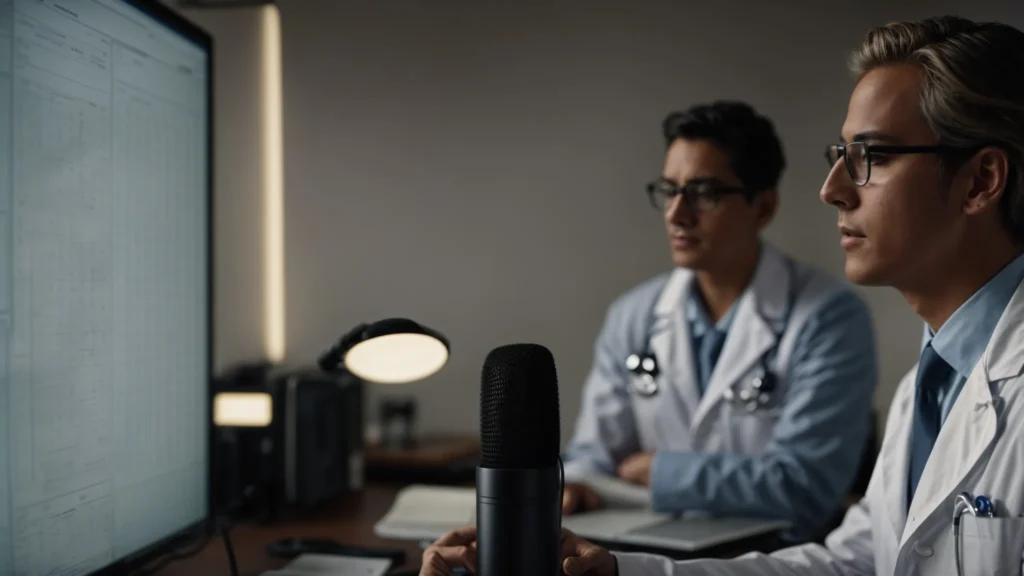
As demands on healthcare providers increase, the importance of efficient documentation becomes increasingly clear. AI scribe technology, with its innovative approach, addresses this pressing need by offering a hands-free way to create comprehensive medical records. Artificial intelligence can now understand and interpret the nuances of patient-provider conversations, ensuring that critical information is captured accurately and efficiently.
The rise of AI scribes can be attributed to the surge in digital health initiatives and the push to reduce administrative burden on clinicians. Traditional documentation methods were not only time-consuming but also error-prone. AI scribe solutions offer a viable alternative, seamlessly integrating into clinical workflows to enhance productivity and enable a focus on patient care.
The presence of an AI scribe during consultations alleviates the taxing process of note-taking for healthcare providers. These systems listen, learn, and adapt to specific medical terminologies and practice styles, offering a tailored approach to documentation. Moreover, as AI technology continues to advance, these systems are becoming more sophisticated, offering greater accuracy and context-aware support.
Enhancing Clinical Documentation Accuracy With AI Scribe Systems
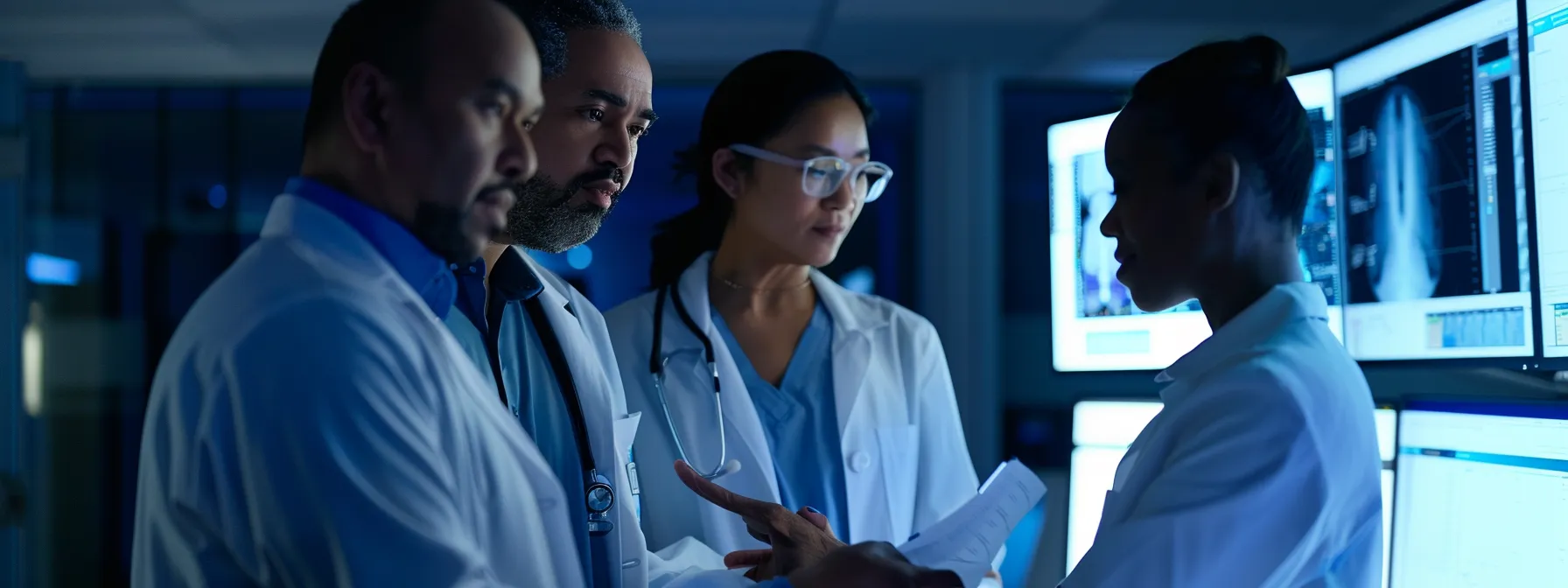
One key benefit of AI scribe systems is their ability to enhance the accuracy of clinical documentation. By automating the capture of patient encounters, these tools minimize the possibility of omissions or inaccuracies that can occur with manual entry. This ensures that the patient’s medical record is a complete and accurate reflection of the care delivered, which is crucial for both quality of care and legal compliance.
Improved documentation accuracy also facilitates better communication among the healthcare team. With clear, precise medical notes, providers can make more informed decisions about treatment and care coordination. This collaborative environment, supported by accurate data, can lead to better patient outcomes and more personalized care plans.
Moreover, AI scribes can streamline coding and billing by providing detailed, accurate records that accurately reflect the services rendered. This can reduce claim denials and improve the financial health of medical practices. The detailed documentation AI scribes provide is particularly valuable for supporting the justification of billing codes and ensuring appropriate reimbursement for services.
By freeing clinicians from repetitive, meticulous documentation, AI scribes enable them to focus on more critical aspects of care delivery. As this technology continues to evolve, its precision and reliability are likely to make it an indispensable tool in modern healthcare practices.
Evaluating the Impact of AI Scribe Solutions on Healthcare Delivery

The evolution of AI scribe solutions represents a significant milestone in healthcare delivery. Evaluating their impact involves assessing metrics such as patient care quality, clinical operations efficiency, and healthcare providers’ return on investment. Initial findings indicate substantial positive effects of AI scribes in these areas.
Patient care is benefiting from more accurate and detailed records, which in turn support improved clinical decision-making. Furthermore, the consistent use of AI scribes helps standardize medical records, making them more valuable for research and population health management. This enhanced documentation quality is raising the standard of care across the board.
In addition to the visible benefits of AI scribes, hidden advantages such as reduced clinician burnout further support the positive narrative surrounding this technology. As healthcare continues to embrace AI scribe solutions, the symbiotic relationship between human providers and artificial intelligence is anticipated to drive a new era of excellence in healthcare delivery.
AI scribe technology is emerging as an invaluable ally in building a more efficient, effective, and human-centric healthcare system. By enhancing documentation accuracy, streamlining patient encounters, mitigating burnout, and integrating seamlessly with EHRs, AI scribes are ushering in a new standard of care. These systems not only benefit providers but also improve the patient experience, marking a significant step in the ongoing evolution of the healthcare landscape.