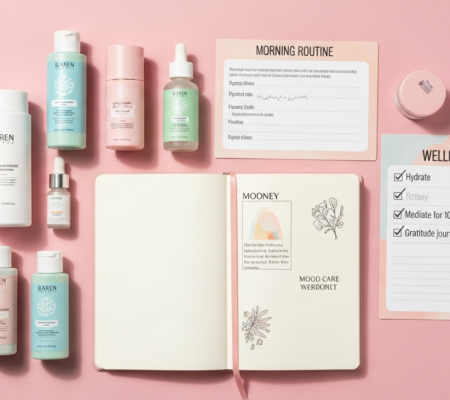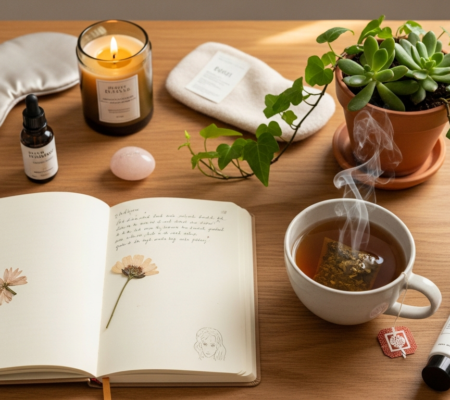

The Foundation: Mindful Mornings & Intentional Evenings
The bookends of our day – how we begin and how we conclude – play an extraordinary role in setting the tone for our mental state. Establishing mindful routines during these crucial periods can significantly enhance your resilience and emotional balance, laying a strong foundation for daily mental health improvement.
Crafting a Mindful Morning Routine
Imagine starting your day not with a frantic scramble, but with a sense of calm and purpose. This isn’t a luxury; it’s a powerful mental health strategy. A mindful morning routine doesn’t have to be an hour-long yoga session (unless you want it to be!). It’s about creating space for intentionality before the demands of the day fully kick in.
- Delay Digital Engagement: Resist the urge to immediately grab your phone. The influx of emails, social media notifications, and news headlines can instantly trigger stress and comparison. Give yourself at least 15-30 minutes, ideally an hour, before diving into the digital world. Use this time for yourself.
- Practice Gratitude: Before even getting out of bed, take a few moments to think of three things you are grateful for. It could be as simple as the warmth of your blanket, the sound of birds, or the prospect of a warm cup of coffee. This practice, often a cornerstone of any effective How To Create Self Care Routine, shifts your brain’s focus towards positivity and abundance. You can also write these down in a gratitude journal.
- Mindful Movement or Stretching: A few minutes of gentle stretching, a short walk, or some sun salutations can awaken your body and mind. This isn’t about an intense workout, but about connecting with your physical self and releasing any overnight tension. It’s a gentle way to signal to your body that it’s time to become alert and engaged.
- Short Meditation or Deep Breathing: Even 5-10 minutes of focused breathing or guided meditation can significantly reduce anxiety and improve focus. There are numerous free apps and resources available to guide you through this process. It helps to anchor you in the present moment and cultivate a sense of inner calm that you can carry throughout your day.
- Hydration and Nourishment: Start your day with a glass of water, perhaps with lemon, to rehydrate your body after sleep. Follow this with a nutritious breakfast. Fueling your body with wholesome foods impacts your energy levels, mood, and cognitive function.
Developing an Intentional Evening Wind-Down
Just as mornings set the tone, evenings prepare us for restorative sleep, which is non-negotiable for mental health. An intentional evening routine helps to shed the day’s stresses and signal to your body and mind that it’s time to unwind.
- Digital Sunset: Aim to put away screens (phones, tablets, laptops, TVs) at least 60-90 minutes before bedtime. The blue light emitted by these devices can interfere with melatonin production, disrupting your sleep cycle. Engage in screen-free activities instead.
- Light Reading: Pick up a physical book or magazine. Reading can be a wonderful escape that calms the mind and allows you to disconnect from your own thoughts and anxieties. Choose something light and enjoyable, not work-related or overly stimulating.
- Journaling for Release: Use a journal to offload any lingering thoughts, worries, or to-do lists from the day. This “brain dump” can prevent rumination when your head hits the pillow. You can also use it to reflect on positive moments or lessons learned, fostering a sense of closure for the day.
- Warm Bath or Shower: A warm bath with Epsom salts or a relaxing shower can soothe muscles, lower body temperature slightly (a signal for sleep), and create a sense of tranquility. Consider adding essential oils like lavender for extra relaxation.
- Gentle Stretching or Yoga Nidra: A few minutes of gentle, restorative stretches or a guided Yoga Nidra (yogic sleep) practice can prepare your body and mind for deep rest. This is about releasing physical tension and quieting the mental chatter.
- Review and Prepare (Briefly): A quick review of your next day’s schedule or a brief to-do list can help alleviate morning anxiety. Write it down so you don’t have to keep it in your head. Keep this very short and focused, not a deep dive into planning.
Nourishing Your Body, Nurturing Your Mind: The Mind-Body Connection

Our mental health is inextricably linked to our physical health. What we consume, how we move, and how we care for our physical self directly impacts our mood, energy, and cognitive function. Prioritizing physical well-being is a powerful, everyday strategy for improving mental health.
The Power of Nutrition and Hydration
You are what you eat, and your brain is no exception. A balanced diet provides the essential nutrients for neurotransmitter production, energy regulation, and overall brain function.
- Balanced Meals: Focus on whole, unprocessed foods. Incorporate plenty of fruits, vegetables, lean proteins, and healthy fats (like avocados, nuts, seeds, and olive oil). These provide sustained energy and essential vitamins and minerals crucial for brain health.
- Omega-3 Fatty Acids: Found in fatty fish (salmon, mackerel), flaxseeds, and walnuts, Omega-3s are vital for brain structure and function and have been linked to reduced symptoms of depression and anxiety.
- Gut-Brain Axis: The gut is often called the “second brain” due to its extensive connection to the brain and its role in producing neurotransmitters. Support your gut health with probiotics (fermented foods like yogurt, kimchi, sauerkraut) and prebiotics (fiber-rich foods). A healthy gut contributes to a healthy mind.
- Limit Processed Foods, Sugar, and Caffeine: While tempting, these can lead to energy crashes, mood swings, and increased anxiety. Aim for moderation and be mindful of how these substances affect your personal mental state.
- Stay Hydrated: Even mild dehydration can lead to fatigue, irritability, and difficulty concentrating. Make water your primary beverage throughout the day. Keep a water bottle handy as a constant reminder.
Embracing Movement and Physical Activity
Exercise isn’t just for physical fitness; it’s a potent antidepressant and anti-anxiety tool. Regular physical activity releases endorphins, reduces stress hormones, and improves sleep quality. It’s one of the Best Wellness Habits Women Over 30 can adopt to combat age-related stress and maintain vitality.
- Find Joy in Movement: Don’t force yourself into activities you dread. Explore different forms of exercise – dancing, hiking, swimming, cycling, yoga, walking – until you find something you genuinely enjoy. Consistency is more important than intensity.
- Integrate Movement Throughout Your Day: You don’t need a dedicated gym session every day. Take the stairs, walk during your lunch break, stand up and stretch every hour, or do a few squats while waiting for your coffee to brew. Every bit adds up.
- Outdoor Activity: Spending time in nature, even a short walk in a local park, has profound benefits for mental health. Exposure to natural light helps regulate circadian rhythms, and green spaces have been shown to reduce stress and improve mood.
- Mindful Exercise: Pay attention to your body during exercise. Notice your breath, the sensation of your muscles working, and the rhythm of your movements. This can turn physical activity into a moving meditation, enhancing its mental health benefits.
Cultivating Connection & Community: The Power of Belonging
Nurturing Meaningful Relationships
Quality over quantity is key when it comes to social connections. Focus on relationships that are supportive, reciprocal, and uplifting.
- Regular Check-ins: Make a conscious effort to connect with loved ones daily or several times a week, even if it’s just a quick text, a phone call, or a video chat. These small interactions reinforce bonds.
- Active Listening: When you are with friends or family, practice active listening. Give them your full attention, put your phone away, and engage genuinely. Feeling heard and understood is a powerful human need.
- Share and Be Vulnerable: Open up about your experiences, feelings, and challenges (appropriately, of course). Vulnerability fosters deeper connection and allows others to support you.
- Set Boundaries: While connection is important, it’s equally crucial to protect your energy. Learn to say no to social engagements that drain you and set boundaries with relationships that are consistently negative or demanding. This is a vital part of your How To Create Self Care Routine.
Engaging with Your Community
Beyond your inner circle, connecting with a broader community can provide a sense of purpose and belonging.
- Join Groups or Clubs: Whether it’s a book club, a hiking group, a volunteer organization, or a fitness class, joining groups based on shared interests can introduce you to new people and expand your social network.
- Volunteer Your Time: Helping others is a powerful way to boost your own mental well-being. It provides a sense of purpose, perspective, and connection to something larger than yourself.
- Practice Acts of Kindness: Small gestures of kindness, like holding a door, offering a compliment, or helping a neighbor, not only brighten someone else’s day but also activate positive emotions within you.
- Engage Locally: Support local businesses, attend community events, or participate in local initiatives. Feeling connected to your physical community can enhance your sense of belonging.
Mastering Your Mindset: Thoughts, Resilience & Self-Compassion

Our thoughts are not always facts, and learning to observe, challenge, and reframe them is a cornerstone of daily mental health improvement. Cultivating a resilient and compassionate mindset empowers you to navigate challenges with greater ease.
Challenging Negative Thought Patterns
We all have internal monologues, and sometimes these can turn critical or pessimistic. Learning to manage these thoughts is a daily practice.
- Identify Cognitive Distortions: Become aware of common unhelpful thinking styles like “all-or-nothing” thinking, catastrophizing, mind-reading, or overgeneralization. Once you can identify them, you can challenge them.
- Question Your Thoughts: When a negative thought arises, ask yourself: Is this truly a fact? What evidence do I have to support it? Is there another way of looking at this situation? What would I tell a friend in this situation?
- Practice Thought Replacement/Reframing: Once you’ve challenged a negative thought, consciously try to replace it with a more balanced or positive one. For example, instead of “I always mess everything up,” try “I made a mistake, but I can learn from it.”
- Mindfulness of Thoughts: Observe your thoughts without judgment. Imagine them as clouds passing by in the sky. Acknowledge their presence, but don’t get swept away by them. This detachment creates space for a calmer response.
Cultivating Self-Compassion
Treating yourself with the same kindness and understanding you would offer a good friend is vital for mental health. This is particularly important for women, who often face immense societal pressures and internal criticism, impacting everything from career choices to Best Skincare Routine Acne Prone Skin. Self-compassion is not self-pity; it’s recognizing your shared humanity and imperfection.
- Self-Kindness vs. Self-Judgment: When you make a mistake or face a setback, avoid harsh self-criticism. Instead, offer yourself words of encouragement and understanding.
- Common Humanity: Remind yourself that suffering, imperfection, and challenges are part of the human experience. You are not alone in your struggles.
- Mindful Self-Awareness: Acknowledge your pain and emotions without suppressing them or exaggerating them. Simply observe your feelings with a sense of gentle curiosity.
- Practice Self-Care Rituals: Beyond the basics, integrate intentional acts of self-kindness into your day. This could be enjoying a favorite tea, listening to calming music, or spending time on a hobby that brings you joy.
Embracing Imperfection and Growth Mindset
Life is a journey of continuous learning and evolution. Adopting a growth mindset means viewing challenges as opportunities for growth rather than insurmountable obstacles.
- Learn from Mistakes: Instead of dwelling on failures, analyze what went wrong, extract the lesson, and move forward. Every setback is a chance to grow.
- Celebrate Small Wins: Acknowledge your progress, no matter how small. This reinforces positive behaviors and builds self-efficacy.
- Challenge Perfectionism: Understand that perfection is an illusion that often leads to procrastination and anxiety. Strive for excellence, not perfection.
Engaging in Meaningful Activities & Hobbies: Finding Joy and Purpose
Beyond our responsibilities, dedicating time to activities that bring us joy, purpose, and a sense of flow is incredibly beneficial for mental health. These daily doses of pleasure and engagement act as powerful antidotes to stress and burnout.
Pursuing Passions and Creative Outlets
Engaging in activities purely for the love of them can be deeply restorative.
- Rediscover Old Hobbies: Think back to activities you enjoyed as a child or during a less busy time in your life. Did you love to paint, write, play an instrument, or garden? Reconnect with these sources of joy.
- Explore New Interests: Be open to trying new things. Take a class, watch tutorials, or join a local group. Learning a new skill can boost confidence and provide a fresh perspective.
- Creative Expression: Whether it’s journaling, drawing, crafting, cooking, or playing music, creative outlets allow you to express emotions, reduce stress, and tap into a different part of your brain.
- Mindful Engagement: When engaging in a hobby, practice mindfulness. Immerse yourself fully in the activity, noticing the sensations, sounds, and feelings. This helps achieve a state of “flow,” where time seems to disappear, and you are fully present.
Connecting with Nature
The therapeutic benefits of spending time in nature, often referred to as “forest bathing” or “ecotherapy,” are well-documented. It’s a simple, yet profound, daily mental health practice.
- Daily Dose of Green: Make an effort to spend at least 10-20 minutes outdoors each day. This could be a walk in a park, sitting in your garden, or simply having your coffee on a balcony.
- Engage Your Senses: When in nature, consciously engage your senses. Notice the sounds of birds, the feel of the breeze, the scent of flowers, and the visual beauty around you.
- Bring Nature Indoors: If outdoor access is limited, bring plants into your home or office. Even looking at nature scenes or listening to nature sounds can have a calming effect.
Practical Tools & Techniques for Daily Resilience in 2026
In our increasingly complex world of 2026, building daily resilience isn’t just about grand gestures; it’s about integrating small, consistent practices that help us navigate stress, manage emotions, and maintain our mental equilibrium. These actionable tools can be woven into the fabric of your everyday life.
The Power of Journaling
Journaling is a versatile and powerful tool for self-reflection, emotional processing, and stress reduction. It’s a private space to explore your thoughts and feelings without judgment.
- Expressive Journaling: Dedicate 5-10 minutes each day to writing freely about whatever comes to mind – your worries, joys, frustrations, or plans. Don’t worry about grammar or structure; just let it flow. This can help you process emotions and gain clarity.
- Gratitude Journaling: As mentioned earlier, regularly listing things you’re grateful for can significantly shift your perspective towards positivity.
- Problem-Solving Journaling: If you’re grappling with a specific problem, use your journal to brainstorm solutions, weigh pros and cons, and explore different perspectives.
- Bullet Journaling: For those who prefer a more structured approach, bullet journaling can combine planning, tracking habits (including mental health practices), and creative expression.
Mindful Breathing Exercises
Breathing is an automatic function, but conscious, deep breathing is a potent tool for calming the nervous system and reducing immediate stress or anxiety.
- Diaphragmatic (Belly) Breathing: Place one hand on your chest and the other on your belly. Inhale deeply through your nose, feeling your belly rise. Exhale slowly through your mouth, feeling your belly fall. Repeat for several minutes. This activates the parasympathetic nervous system, promoting relaxation.
- 4-7-8 Breathing: Inhale through your nose for a count of 4, hold your breath for a count of 7, and exhale completely through your mouth for a count of 8. Repeat 3-4 times. This technique is excellent for calming the mind before sleep or during moments of acute stress.
- Box Breathing: Inhale for 4 counts, hold for 4 counts, exhale for 4 counts, hold for 4 counts. Repeat. This is a simple yet effective way to regulate your breath and focus your mind.
Implementing Regular Digital Detoxes
While technology offers many benefits, constant connectivity can lead to mental fatigue, comparison, and anxiety. Intentional breaks are essential.
- Daily Mini-Breaks: Schedule short periods throughout your day (e.g., during meals, before bed, first thing in the morning) where you completely disconnect from screens.
- Weekly Digital Sabbath: Consider dedicating a full day or half-day each week to being completely offline. Use this time for hobbies, nature, social connection, or relaxation.
- Notification Management: Turn off non-essential notifications on your phone to reduce constant interruptions and the urge to check your device.
- Mindful Scrolling: If you must use social media, set a timer and be aware of how it makes you feel. If it’s causing distress, step away.
Setting Realistic Goals and Boundaries
Overwhelm often stems from trying to do too much or not protecting our energy. Setting clear, achievable goals and firm boundaries is crucial for mental well-being.
- SMART Goals: Ensure your goals are Specific, Measurable, Achievable, Relevant, and Time-bound. Break larger goals into smaller, manageable steps.
- Prioritize and Delegate: Learn to identify your most important tasks and focus on those. Don’t be afraid to delegate when possible or say no to new commitments that would overstretch you.
- Saying No: Understand that “no” is a complete sentence. Protecting your time and energy is a form of self-respect and essential for preventing burnout. This is a core component of any robust How To Create Self Care Routine.
- Time Blocking: Schedule dedicated time for work, self-care, social activities, and relaxation in your calendar. Treat these appointments with yourself as non-negotiable.
When to Seek Professional Support: Recognizing the Signs
While daily practices are incredibly powerful, it’s also vital to recognize when you might need professional help. Mental health challenges are not a sign of weakness, and seeking support is a sign of strength and self-awareness.
Recognizing the Red Flags
Pay attention to persistent changes in your mood, behavior, or daily functioning that last for more than a couple of weeks and significantly impact your quality of life.
- Persistent Sadness or Irritability: A pervasive low mood, loss of interest in activities you once enjoyed, or frequent angry outbursts.
- Changes in Sleep Patterns: Significant insomnia, oversleeping, or restless sleep.
- Changes in Appetite or Weight: Unexplained weight gain or loss, or significant changes in eating habits.
- Low Energy and Fatigue: Feeling constantly tired, even after adequate sleep.
- Difficulty Concentrating: Struggling to focus, make decisions, or remember things.
- Withdrawal from Social Activities: Isolating yourself from friends and family.
- Increased Anxiety or Worry: Persistent feelings of nervousness, dread, or being on edge.
- Physical Symptoms: Frequent headaches, digestive issues, or chronic pain without a clear medical cause.
- Thoughts of Self-Harm or Suicide: If you or someone you know is experiencing suicidal thoughts, please seek immediate help. Contact a crisis hotline or emergency services.
Exploring Avenues of Support
There are many resources available, and finding the right fit for you is important.
- Talk to Your Doctor: Your primary care physician can be a first point of contact. They can assess your symptoms, rule out physical causes, and provide referrals to mental health specialists.
- Therapy/Counseling: A licensed therapist or counselor can provide a safe space to explore your thoughts and feelings, develop coping strategies, and address underlying issues. Modalities like Cognitive Behavioral Therapy (CBT) and Dialectical Behavior Therapy (DBT) are highly effective.
- Psychiatry: A psychiatrist is a medical doctor specializing in mental health who can diagnose mental health conditions and prescribe medication if appropriate.
- Support Groups: Connecting with others who share similar experiences can provide validation, understanding, and a sense of community.
- Online Resources and Apps: Many reputable mental health apps and online platforms offer guided meditations, therapy exercises, and educational content. Ensure they are from credible sources.
Remember, seeking help is a sign of strength, not weakness. Just as you wouldn’t hesitate to see a doctor for a broken bone, addressing your mental health with professional support when needed is a crucial part of holistic well-being. Combining daily self-care practices with professional guidance creates the most robust framework for lasting mental health improvement.
Frequently Asked Questions
Recommended Resources
Explore Vintage Jewelry Trends 2025 for additional insights.
Check out Postpartum Recovery Guide For New Moms on Veralyn Media for a deeper dive.
From Our Network
- how to declutter your home with kids (en Veralynmedia)
- SPF sunscreen guide why you need it daily (en Fashiongoggled)