
Understanding Gratitude: More Than Just “Thank You”
Gratitude, at its core, is the appreciation for what is valuable and meaningful to oneself; it is a general state of thankfulness and appreciation. While often expressed through a simple “thank you,” true gratitude runs much deeper than mere politeness or a fleeting acknowledgment. It’s a conscious recognition and appreciation of the positive aspects of life, whether they are grand gestures or the smallest, most overlooked blessings. It’s about shifting your perspective from what’s lacking to what’s abundant, from problems to possibilities, from worries to wonders. This isn’t about ignoring life’s difficulties; rather, it’s about acknowledging them while simultaneously choosing to focus on the good that still exists.
For many, particularly women navigating the complexities of modern life, cultivating genuine gratitude can be a radical act of self-love and empowerment. It involves pausing, reflecting, and allowing yourself to feel the warmth and joy that comes from appreciating the people, experiences, and even material possessions that enrich your existence. It’s a powerful counter-narrative to the pervasive culture of comparison and constant striving, which can often leave us feeling inadequate or perpetually unsatisfied. When we intentionally practice gratitude, we begin to rewire our brains to seek out and register positivity, fundamentally altering our emotional baseline. This isn’t about being naive; it’s about being strategically optimistic and building mental resilience. It’s a vital component of a holistic approach to mental health and emotional well-being, laying the groundwork for greater contentment and inner peace. By understanding gratitude as a sustained practice of appreciative awareness rather than a fleeting emotion, we unlock its profound potential to consistently uplift our spirits and improve our overall quality of life.
The Science Behind a Grateful Mood: How it Impacts Your Brain and Body
The notion that gratitude can profoundly impact our mood and overall well-being isn’t just anecdotal wisdom; it’s increasingly supported by robust scientific research. Neuroscientists and psychologists have extensively studied the effects of gratitude on the brain and body, revealing a fascinating interplay of hormones, neurotransmitters, and neural pathways that explain how to practice gratitude daily to boost your mood on a physiological level.
When you actively engage in gratitude, several key changes occur within your brain:
- Dopamine and Serotonin Boost: Practicing gratitude stimulates the brain’s reward system, increasing the release of dopamine, often referred to as the “feel-good” neurotransmitter. Dopamine is associated with pleasure, motivation, and reward. Simultaneously, serotonin levels, another crucial neurotransmitter for mood regulation, also tend to rise. Higher levels of both are linked to feelings of happiness, contentment, and a reduction in symptoms of depression and anxiety.
- Reduced Cortisol Levels: Gratitude acts as a powerful stress reducer. When you focus on positive aspects, your body’s production of cortisol, the primary stress hormone, decreases. Chronic stress and elevated cortisol can have detrimental effects on both mental and physical health, contributing to mood disorders, sleep disturbances, and even physical ailments. By mitigating stress, gratitude helps to protect your body from these harmful effects.
- Enhanced Neural Plasticity: Regular gratitude practice can actually reshape your brain over time. It strengthens neural pathways associated with positive emotions and empathy, making it easier for your brain to naturally default to a more positive outlook. This is a prime example of neuroplasticity, the brain’s ability to reorganize itself by forming new neural connections throughout life. The more you practice gratitude, the more adept your brain becomes at experiencing it.
- Improved Sleep Quality: Studies have shown that people who regularly practice gratitude tend to sleep better. By reducing stress and anxiety before bed, and shifting focus away from worries, gratitude helps to calm the mind, making it easier to fall asleep and experience more restful, restorative sleep.
- Strengthened Immune System: The link between mental state and physical health is undeniable. Chronic stress suppresses the immune system, making us more susceptible to illness. By reducing stress and fostering positive emotions, gratitude can indirectly contribute to a more robust immune response, helping your body fight off infections and diseases more effectively.
Beyond these immediate physiological changes, a grateful mindset also fosters greater resilience. When faced with adversity, individuals who regularly practice gratitude are often better equipped to cope, finding silver linings and maintaining a sense of hope, even in challenging circumstances. This resilience is a vital component of mental wellness, especially for women navigating the demands of modern life. Understanding these scientific underpinnings provides compelling motivation to integrate gratitude as a non-negotiable part of your daily routine, transforming not just your mood but your entire biological experience.
Practical Strategies to Cultivate Daily Gratitude
Morning Rituals for Gratitude
Starting your day with gratitude sets a positive tone and can influence your entire outlook. Make it a non-negotiable part of your morning routine:
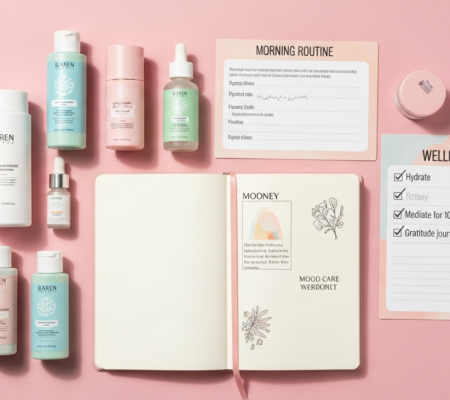
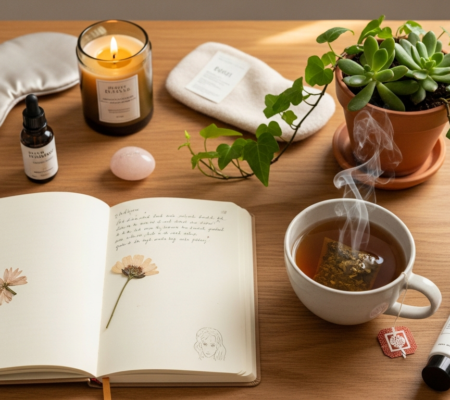
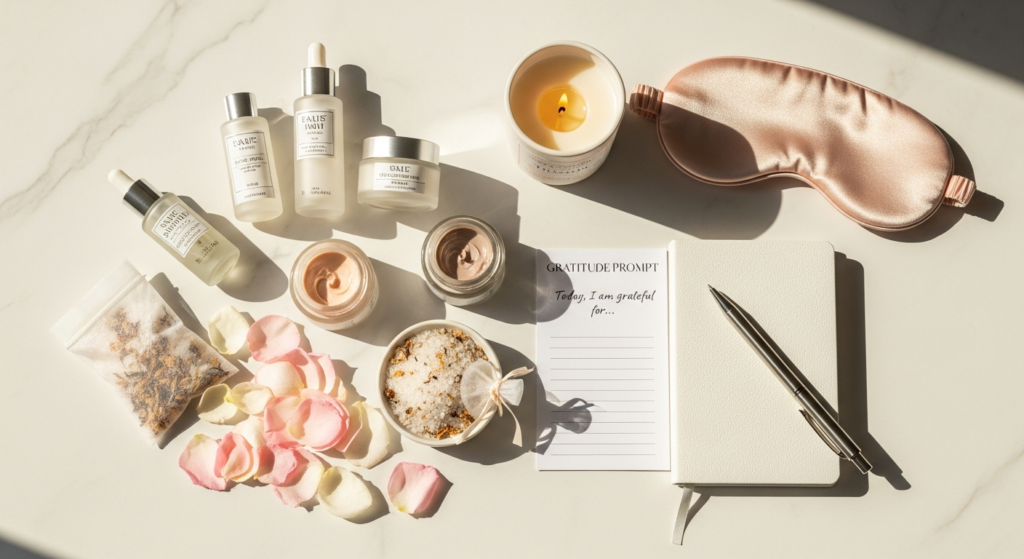
- The Gratitude Journal: This is perhaps the most widely recommended and effective practice. Dedicate 5-10 minutes each morning to writing down 3-5 things you are grateful for. They don’t have to be monumental; they can be as simple as “the warmth of my coffee,” “a good night’s sleep,” “the sound of birds outside my window,” or “my comfortable bed.” The act of physically writing helps solidify these thoughts. For women looking to How To Create Self Care Routine, incorporating a gratitude journal is a foundational step towards building a practice that nourishes your mind and spirit.
- Mindful Moments: Before you even get out of bed, take a few deep breaths and consciously think of one thing you are looking forward to or one blessing from the previous day. Allow yourself to feel the positive emotion associated with it.
- Gratitude Affirmations: As you get ready, repeat a gratitude-focused affirmation, such as “I am grateful for all the good in my life,” or “Today, I choose to see the blessings.”
Throughout Your Day
Infuse gratitude into the fabric of your day, even amidst the hustle and bustle:
- Gratitude Triggers: Choose a common daily activity as your “gratitude trigger.” For example, every time you wash your hands, take a sip of water, or answer the phone, pause for a moment to think of one thing you’re grateful for. This builds mini-gratitude breaks into your routine.
- Expressing Appreciation: Make an effort to thank people genuinely. A sincere compliment, a kind word, or a thoughtful email can not only make someone else’s day but also reinforce your own feelings of gratitude. Acknowledge the efforts of colleagues, family members, and service providers.
- Mindful Consumption: When eating a meal, take a moment to appreciate the food, its source, and the effort that went into preparing it. When enjoying a beautiful view, pause to take it in fully. This practice helps combat the tendency to rush through experiences without truly savoring them.
- Shift Your Perspective in Challenges: When faced with a minor frustration (e.g., traffic, a spilled coffee), try to find a tiny silver lining or a lesson. “I’m grateful for the safety of my car, even if traffic is slow,” or “I’m grateful I have clean clothes to change into.” This isn’t about ignoring the problem but reframing your reaction.
Evening Reflections
Ending your day with gratitude can promote better sleep and consolidate positive feelings:
- The “Three Good Things” Exercise: Before bed, reflect on at least three specific good things that happened during your day. They don’t have to be grand; perhaps a productive meeting, a kind word from a friend, a delicious meal, or a moment of peace. Write them down in your journal or simply replay them in your mind. This helps you go to sleep on a positive note.
- Gratitude Jar: Keep a jar and slips of paper near your bed. Throughout the day, or at night, jot down moments of gratitude and drop them in the jar. On a particularly challenging day, or at the end of the year (e.g., December 2026), you can open the jar and read through all the blessings you’ve accumulated.
- Expressing Thanks to Loved Ones: Take a moment to tell a partner, child, or even a pet how much you appreciate them. These small acts of connection deepen relationships and reinforce feelings of gratitude.
Consistency is key. Like any muscle, your gratitude muscle strengthens with regular exercise. By incorporating these simple yet powerful practices into your daily life, you will begin to notice a profound shift in your mood, your outlook, and your overall sense of well-being.
Integrating Gratitude into Your Self-Care & Wellness Journey
For women committed to nurturing their holistic well-being, gratitude isn’t just a nice-to-have; it’s an essential component. It deeply intertwines with other self-care practices, amplifying their effects and creating a robust foundation for a joyful and resilient life. Let’s explore how gratitude can be seamlessly integrated into your broader self-care and wellness journey, enhancing everything from your daily routines to your long-term health habits.
Gratitude as a Core Element of Your Self-Care Routine
When we talk about How To Create Self Care Routine, we often think of bubble baths, face masks, or quiet reading time. While these are wonderful and valid forms of self-care, true self-care extends beyond superficial pampering to encompass practices that nourish your mind, body, and spirit. Gratitude directly addresses the mental and spiritual aspects, making it a powerful, non-negotiable self-care tool.
Consider gratitude as the internal moisturizer for your soul. Just as you wouldn’t skip your daily skincare, you shouldn’t neglect your daily gratitude practice. It acts as a buffer against stress and negativity, creating a more positive internal environment. Integrating gratitude into your self-care routine means:
- Intentional Reflection: Dedicating specific time within your self-care schedule for gratitude journaling or mindful appreciation. This might be during your morning quiet time, a mid-day pause, or as part of your evening wind-down.
- Mindful Movement: If your self-care includes yoga, walking, or other forms of exercise, use that time to reflect on the ability of your body, the beauty of your surroundings, or the opportunity to move freely.
- Nourishing Your Mind: Combining gratitude with practices like meditation, deep breathing, or reading uplifting content. A grateful mind is more receptive to positive input and less prone to dwelling on anxieties.
By consciously weaving gratitude into the fabric of your self-care, you’re not just adding another item to your list; you’re enriching the entire experience, making your self-care more effective and deeply fulfilling. It helps shift self-care from a chore to a genuine act of love and appreciation for yourself.
Enhancing Wellness Habits for Women Over 30
As women move into their 30s and beyond, the focus on sustainable wellness habits often sharpens. This stage of life frequently brings increased responsibilities and a clearer understanding of the importance of proactive health management. Gratitude is one of the Best Wellness Habits Women Over 30 can adopt, offering profound benefits for both mental and physical health.
For women over 30, managing stress, maintaining energy levels, and fostering mental clarity become increasingly important. Gratitude excels in these areas:
- Stress Reduction: The scientific evidence linking gratitude to reduced cortisol levels is particularly relevant here. Chronic stress can exacerbate hormonal imbalances, contribute to weight gain, and accelerate aging. Daily gratitude acts as a natural stress antidote, helping to maintain equilibrium.
- Emotional Resilience: Life inevitably throws curveballs. For women balancing careers, families, and personal aspirations, resilience is key. Gratitude helps build this by training the mind to find positive aspects and lessons even in challenging situations, preventing prolonged periods of emotional distress.
- Improved Relationships: As we mature, the quality of our relationships becomes paramount. Gratitude fosters deeper connections by encouraging us to acknowledge and appreciate the people in our lives, leading to more fulfilling social interactions and stronger support systems.
- Better Sleep: Sleep quality often becomes a concern for women over 30. By calming the mind and reducing anxiety before bed, gratitude practice can significantly improve sleep patterns, contributing to better energy and cognitive function the next day.
Integrating gratitude into existing wellness habits, such as mindfulness meditation, regular exercise, or healthy eating, can amplify their positive effects, creating a powerful synergy for sustained well-being.
Holistic Well-being and Skin Health
While an article about gratitude might not immediately bring to mind skincare, the connection between our mental state, overall well-being, and skin health is undeniable. Our skin is often a mirror of our internal health, and stress, in particular, can wreak havoc on its appearance. For those concerned with Best Skincare Routine Acne Prone Skin, incorporating gratitude can be a surprisingly effective complementary strategy.
Here’s how gratitude indirectly supports healthy skin:
- Stress Reduction Directly Impacts Skin: As established, gratitude is a powerful stress reducer. When stress levels are high, the body produces more cortisol, which can trigger inflammation. For acne-prone skin, this inflammation can lead to increased breakouts, redness, and slower healing. By mitigating stress through gratitude, you are actively reducing a major internal trigger for skin issues.
- Improved Sleep Leads to Better Skin: Adequate, restful sleep is crucial for skin regeneration and repair. During sleep, your skin produces new collagen, repairs damage from environmental stressors, and increases blood flow. Since gratitude improves sleep quality, it indirectly contributes to a clearer, healthier, and more radiant complexion.
- Enhanced Overall Health and Lifestyle Choices: Women who practice gratitude often report higher levels of self-care and a greater commitment to healthy lifestyle choices. This holistic approach – including balanced nutrition, hydration, and regular exercise – all contribute to vibrant skin. A grateful mindset encourages you to treat your body, including your skin, with more care and respect.
While gratitude won’t replace your topical treatments or dermatologist visits, understanding its role in stress reduction and overall well-being highlights its value as part of a holistic approach to skin health. A calm, grateful mind is truly one of the best beauty secrets, helping to foster a glow that comes from within.
Overcoming Common Obstacles to Daily Gratitude
While the benefits of gratitude are compelling, committing to a daily practice isn’t always easy. Life throws curveballs, and sometimes, finding things to be grateful for can feel like an insurmountable task. However, recognizing these common obstacles and developing strategies to overcome them is key to sustaining your gratitude practice and consistently reaping its mood-boosting rewards. Here’s how to practice gratitude daily to boost your mood even when faced with challenges.
- “I Don’t Have Time”: This is perhaps the most frequent excuse. In our fast-paced lives, adding another item to the to-do list can feel overwhelming.
- Solution: Start small. Dedicate just one minute. Instead of writing a long list, commit to simply thinking of one thing you’re grateful for while you brush your teeth, wait for your coffee, or stand in line. Use micro-moments. As it becomes a habit, you might naturally extend the time.
- “My Life is Too Hard Right Now; I Have Nothing to Be Grateful For”: During periods of significant stress, loss, or hardship, gratitude can feel impossible, even insulting.
- Solution: Acknowledge your feelings. It’s okay to feel sad, angry, or overwhelmed. Gratitude isn’t about denying pain, but about finding tiny glimmers of light amidst the darkness. Focus on the absolute basics: the ability to breathe, a roof over your head, a warm blanket, a single kind word from someone. Sometimes, simply being grateful for the strength to endure is enough. Remember, even in the deepest valleys, there are often lessons or small moments of support to appreciate.
- “It Feels Forced or Inauthentic”: Initially, gratitude may feel like an intellectual exercise rather than a genuine emotion.
- Solution: Don’t force profound feelings. Start with things that are easy to appreciate without deep emotional attachment. Your phone that works, clean water, the internet, a comfortable chair. As you consistently practice, the emotional connection will naturally deepen. The act of seeking gratitude, even if it feels mechanical at first, trains your brain to notice positive aspects, making genuine feelings more accessible over time.
- “I Keep Forgetting to Practice”: Consistency is hard, especially when forming new habits.
- Solution: Set reminders. Use your phone’s alarm, a sticky note on your mirror, or a visual cue like a special mug or journal. Pair your gratitude practice with an existing habit, like having your morning coffee or winding down at night. For example, “Every time I pour my first cup of coffee, I’ll write one thing I’m grateful for.”
- “It Feels Selfish or Superficial”: Some may worry that focusing on personal gratitude is self-indulgent or ignores global issues.
- Solution: Understand that personal well-being is not selfish. By boosting your own mood and resilience through gratitude, you are better equipped to help others, contribute positively to the world, and tackle bigger issues from a place of strength rather than depletion. Gratitude is a foundation for compassion and generosity, not a replacement for them.
- “Comparison Traps”: Seeing others’ seemingly perfect lives on social media can make your own blessings feel insignificant.
- Solution: Practice “unplugging” and focus inward. Remind yourself that social media often presents curated highlights, not reality. Shift your focus from comparing your journey to others’ to appreciating your unique path and the blessings within it. Your gratitude practice is personal and not subject to external validation.
Overcoming these obstacles requires patience, self-compassion, and persistence. Remember that gratitude is a practice, not a destination. There will be days when it comes easily, and days when it feels like a struggle. The key is to keep showing up, even imperfectly, and trust that the cumulative effect will profoundly enhance your mood and overall life satisfaction.
Making Gratitude a Lifelong Habit: Sustaining Your Practice into 2026 and Beyond
Cultivating daily gratitude is not just a fleeting trend or a temporary fix for a bad mood; it’s a transformative lifestyle choice that, when sustained, can fundamentally reshape your experience of life. Making gratitude a lifelong habit requires commitment, adaptability, and a deep understanding of its enduring power. As we look towards 2026 and beyond, embedding this practice firmly in your routine will serve as an anchor for well-being, resilience, and joy.
To ensure gratitude remains a consistent and impactful part of your life, consider these strategies for long-term integration:
- Diversify Your Practice: Don’t limit yourself to just one method. If journaling feels stale, switch to a gratitude jar, a mental list, or expressing thanks to others. Variety keeps the practice fresh and engaging, preventing it from feeling like a chore. Explore different prompts or focus areas each week (e.g., gratitude for senses, for relationships, for nature).
- Regular Check-ins and Re-evaluations: Periodically reflect on how your gratitude practice is serving you. Is it still boosting your mood effectively? Are there new areas of your life you could focus on? Just as you might review your Best Skincare Routine Acne Prone Skin to ensure it’s still effective, regularly assess your gratitude practice. Adjust as needed to keep it meaningful and impactful.
- Share Your Gratitude: Expressing gratitude to others not only strengthens relationships but also reinforces your own feelings of appreciation. Make it a point to regularly thank friends, family, colleagues, and even strangers. Write thank-you notes, send thoughtful messages, or simply verbalize your appreciation. This creates a positive feedback loop, inspiring more gratitude in return.
- Educate Yourself and Others: Continue to read about the science and philosophy of gratitude. Understanding its profound effects can provide renewed motivation during challenging times. Share your experiences with others, inspiring them to embark on their own gratitude journey. Being an advocate for gratitude can deepen your own commitment.
- Anticipate and Plan for Obstacles: Life will inevitably present challenges that make gratitude difficult. Instead of being blindsided, anticipate these periods. Have a “gratitude toolkit” ready – perhaps a list of go-to simple gratitudes, a favorite uplifting quote, or a plan to reach out to a supportive friend. Knowing how to practice gratitude daily to boost your mood during tough times is a testament to its power.
- Integrate with Major Life Events: Whether celebrating milestones, navigating transitions, or coping with losses, consciously bring gratitude into these moments. Acknowledge the blessings that accompanied a new job, the support received during a difficult period, or the cherished memories of someone lost. This helps anchor your life’s narrative in appreciation.
- Celebrate Small Victories: Don’t wait for grand achievements to feel grateful. Celebrate the small wins, the daily progress, and the simple joys. This reinforces the idea that gratitude is an everyday phenomenon, not reserved for extraordinary circumstances.
By consciously committing to these strategies, gratitude can evolve from a practice into a deeply ingrained way of being. It transforms your lens on life, allowing you to consistently find joy, build resilience, and maintain a positive outlook, ensuring that your mood remains consistently boosted in 2026 and all the years that follow. Embrace it as an essential pillar of your self-care, a vital component of your wellness, and a pathway to a richer, more fulfilling existence.
Frequently Asked Questions About Daily Gratitude
What is the easiest way to start a daily gratitude practice?
The easiest way to start is with a gratitude journal. Dedicate just 2-5 minutes each morning or evening to write down 3-5 simple things you are genuinely grateful for. They don’t have to be profound; start with basics like “my morning coffee,” “a comfortable bed,” or “the sunshine.” Consistency is more important than quantity at the beginning.
How long does it take for daily gratitude to boost my mood?
Many people report feeling an immediate, subtle shift in mood even after their first gratitude practice. However, significant, lasting mood-boosting effects typically become noticeable after consistent daily practice for at least 21 days to a few months. Like any habit, the brain needs time to rewire and strengthen neural pathways associated with positive emotions.
Can gratitude help with anxiety or depression?
What if I don’t feel grateful on a particular day?
It’s completely normal to have days where gratitude feels difficult or forced, especially during challenging times. On these days, acknowledge your feelings without judgment. Then, try to find the absolute simplest things: the ability to breathe, clean water, a safe space, or a functioning body part. Even acknowledging the challenge itself and your strength to face it can be a form of gratitude. Don’t force profound emotions; just the act of looking for something positive is beneficial.
Is there a “right” way to practice gratitude?
There’s no single “right” way! The best practice is the one you can stick with consistently. Common methods include journaling, mental lists, expressing thanks to others, using a gratitude jar, or mindful appreciation. Experiment with different techniques to find what resonates most with you and fits seamlessly into your lifestyle, ensuring it feels authentic and not like a chore.
How can I make gratitude a lifelong habit, even into 2026 and beyond?
To make gratitude a lifelong habit, focus on consistency, variety, and integration. Consistently dedicate a few minutes daily, even if it’s just a quick mental note. Vary your methods to keep it fresh. Integrate it with existing routines like your morning coffee or evening wind-down. Regularly reflect on how it benefits you, share your gratitude with others, and be prepared to adapt your practice during life’s inevitable ups and downs. Over time, it will become an ingrained part of your positive mindset.
Recommended Resources
Related reading: French Girl Style Guide Wardrobe Essentials (Fashion Goggled).
Learn more about this topic in How To Declutter Your Home And Mind at Rock Salt Plum.