

Understanding the Challenge: Why Positivity Feels Elusive When Life is Hard
Before we dive into solutions, it’s crucial to acknowledge the very real reasons why cultivating positivity can feel like an uphill battle during difficult times. Understanding these underlying mechanisms is the first step toward effectively counteracting them.
The Brain’s Negativity Bias
Our brains are hardwired for survival. For our ancestors, identifying threats and remembering negative experiences was paramount to staying alive. This evolutionary trait, known as the negativity bias, means we tend to notice, remember, and dwell on negative events more than positive ones. When life is hard, this bias goes into overdrive, making it feel like negative thoughts and emotions are the only ones available.
It’s not a personal failing; it’s a built-in mechanism. Recognizing this can help you detach from the immediate emotional response and understand that your brain is simply doing its job, albeit a job that sometimes needs a gentle redirect. This understanding helps us approach the task of building a positive mindset with self-compassion, rather than self-criticism.
The Weight of External Circumstances
When external circumstances are genuinely challenging – a job loss, a serious illness, a significant personal setback – it’s natural for these events to cast a long shadow over our internal landscape. It’s not just “all in your head.” The stress of financial instability, the grief of loss, or the fear of the unknown are legitimate responses to real-world problems. These circumstances can deplete our emotional reserves, making it harder to access feelings of hope or optimism.
The sheer volume of negative inputs can also be overwhelming. News cycles often focus on crises, social media can highlight others’ seemingly perfect lives, and personal interactions might inadvertently add to the burden. Acknowledging the weight of these external factors is essential for validating your feelings and giving yourself permission to struggle before you can rebuild.
The Myth of Toxic Positivity
In our pursuit of a positive mindset, it’s vital to differentiate genuine positivity from what’s often termed “toxic positivity.” Toxic positivity is the excessive and ineffective overgeneralization of a happy, optimistic state across all situations. It denies, minimizes, or invalidates the authentic human emotional experience. Telling someone to “just be positive” when they’re grieving or experiencing significant trauma can be incredibly harmful, as it implies their current feelings are wrong or should be suppressed.
True positivity isn’t about ignoring pain or pretending everything is fine. It’s about acknowledging the pain, feeling it, and then choosing to look for glimmers of hope, learning, and growth within the experience. It’s a proactive engagement with reality, not an escape from it. Our goal here is to cultivate this authentic, resilient form of positivity, which embraces the full spectrum of human emotions, not a shallow, performative one.
Laying the Foundation: Cultivating Awareness and Acceptance
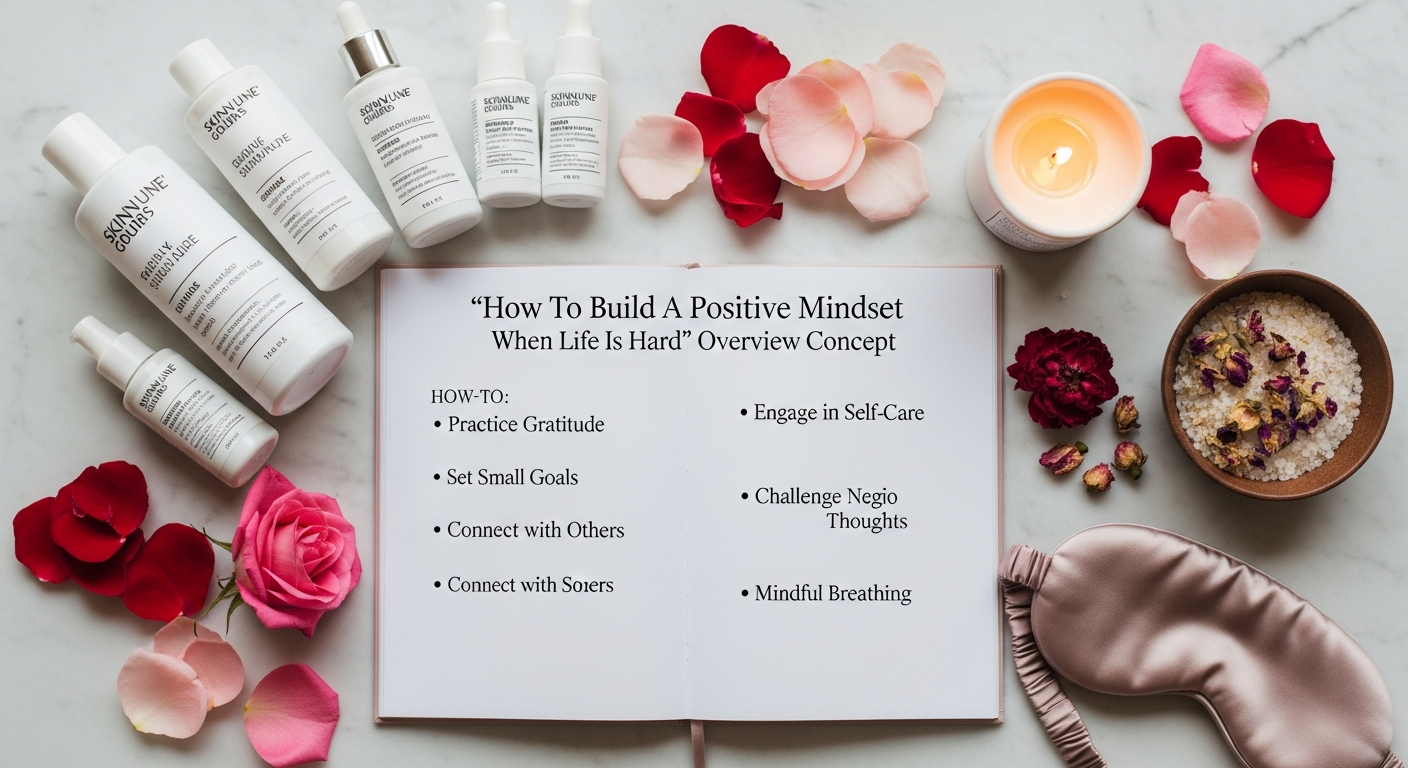
Before you can actively shift your mindset, you must first create a stable internal environment. This involves understanding and accepting your current emotional state, no matter how difficult it may seem. This foundational work is crucial for building lasting positivity.
Acknowledging Your Feelings: It’s Okay Not to Be Okay
One of the most powerful steps in how to build a positive mindset when life is hard is to simply acknowledge what you’re feeling without judgment. Suppressing emotions like sadness, anger, fear, or frustration doesn’t make them disappear; it often intensifies them or causes them to manifest in unhelpful ways. Give yourself permission to feel whatever you’re feeling.
Try a simple check-in: “What am I feeling right now?” Is it sadness? Anxiety? Overwhelm? Name it. This act of naming can create a subtle distance between you and the emotion, allowing you to observe it rather than be consumed by it. Remember, feelings are transient; they come and go. They are signals, not permanent states of being. This self-awareness is a cornerstone of emotional intelligence and self-compassion.
Practicing Non-Judgmental Observation
Once you’ve acknowledged your feelings, the next step is to observe them without judgment. This means refraining from telling yourself you “shouldn’t” feel a certain way, or criticizing yourself for not being “strong enough” or “positive enough.” Think of your emotions and thoughts as clouds passing in the sky – you can see them, notice their shape and color, but you don’t have to grab onto them or let them define the whole sky.
This practice is often central to mindfulness. Instead of getting caught in a spiraling thought pattern, you simply notice the thought: “Ah, there’s that worry again about my job.” Or, “I notice a feeling of sadness in my chest.” This creates space for you to choose your response, rather than reacting impulsively. Over time, this detachment empowers you to regain control over your internal narrative.
The Power of Acceptance
Acceptance isn’t about liking a difficult situation or resigning yourself to a negative fate. It’s about acknowledging reality as it is, in this moment, without resistance. When you resist what is, you often create additional suffering on top of the original pain. For example, if you’ve lost your job, acceptance means acknowledging the job loss and the feelings that come with it, rather than constantly wishing it hadn’t happened or blaming yourself endlessly.
Acceptance frees up energy that was previously spent fighting reality. This liberated energy can then be channeled into constructive action and finding solutions. It’s a profound act of self-care, allowing you to stop struggling against the current and instead, find your footing to navigate it. True acceptance doesn’t mean giving up; it means embracing what is so you can move forward with greater clarity and peace.
Practical Strategies for Shifting Your Perspective
Gratitude Practices: Finding Light in the Darkness
It might sound cliché, but gratitude is a powerful antidote to negativity. When life is hard, it’s easy to focus solely on what’s going wrong. Actively seeking out things to be grateful for forces your brain to look for the good, however small. This isn’t about ignoring your pain, but about expanding your focus.
- Gratitude Journal: Each day, write down 3-5 things you are genuinely grateful for. It could be the warmth of your coffee, a kind word from a friend, a sunny moment, or even just the fact that you woke up. Consistency is key.
- Gratitude Walk: As you walk, consciously notice things around you that bring you a sense of appreciation – the trees, a friendly dog, the sound of birds.
- Gratitude Rock: Keep a small rock or pebble in your pocket. Each time you touch it, think of one thing you’re grateful for.
Over time, these practices can rewire your brain to more readily identify positive aspects of your life, even amidst challenges. It’s a fundamental step in how to build a positive mindset when life is hard.
Mindful Moments: Anchoring Yourself in the Present
When life is hard, our minds often swing between regretting the past and worrying about the future. Mindfulness brings us back to the present moment, which is often less daunting than our anxieties about what might be.
- Five Senses Check-in: Take a few moments to notice 5 things you can see, 4 things you can hear, 3 things you can feel, 2 things you can smell, and 1 thing you can taste. This grounds you instantly.
- Mindful Breathing: Simply focus on the sensation of your breath entering and leaving your body for a few minutes. When your mind wanders (and it will), gently bring it back to your breath.
- Engage Fully: When doing a routine task, like washing dishes or drinking tea, dedicate your full attention to it. Notice the sensations, the smells, the sounds. This transforms mundane moments into opportunities for peace.
Regular mindful moments reduce stress, improve focus, and create mental space for more positive thoughts to emerge. They are invaluable tools in your self-care arsenal.
Limiting Negative Inputs and Curating Your Environment
Your environment, both physical and informational, profoundly impacts your mindset. When you’re struggling, you’re more susceptible to negative influences.
- Digital Detox: Reduce your exposure to overwhelming news, negative social media feeds, or toxic online communities. Consider setting specific times for checking news or social media, or unfollow accounts that drain your energy.
- Physical Space: Declutter and organize your living or workspace. A clean, organized environment can create a sense of calm and control, reducing feelings of overwhelm. Add elements that bring you joy, like plants, comforting textures, or inspiring artwork.
- Social Circle: Gravitate towards people who uplift you, offer genuine support, and have a generally positive outlook. While it’s important to have friends who can empathize with your struggles, constantly dwelling in negativity with others can be counterproductive.
Curating your environment is a proactive step in protecting your mental and emotional energy, creating fertile ground for a more positive mindset.
The Art of Journaling for Clarity and Release
Journaling is a powerful tool for processing emotions, gaining clarity, and shifting perspective. It allows you to externalize your thoughts and feelings, preventing them from swirling unchecked in your mind.
- Free-Flow Writing: Simply write whatever comes to mind without judgment, grammar concerns, or a specific topic. This can be cathartic, releasing pent-up emotions and thoughts.
- Prompted Journaling: Use prompts to guide your reflection. Examples: “What am I worried about right now, and what’s one small step I can take to address it?” “What’s one good thing that happened today, no matter how small?” “What lessons am I learning from this difficult time?”
- Gratitude Journaling: As mentioned, dedicate a section or a separate journal specifically to things you’re grateful for.
Journaling provides a safe space for introspection and self-discovery. It helps you identify negative thought patterns, challenge them, and ultimately, cultivate a more balanced and positive outlook. It’s an excellent component of How To Create Self Care Routine.
Building Resilience Through Self-Care and Healthy Habits
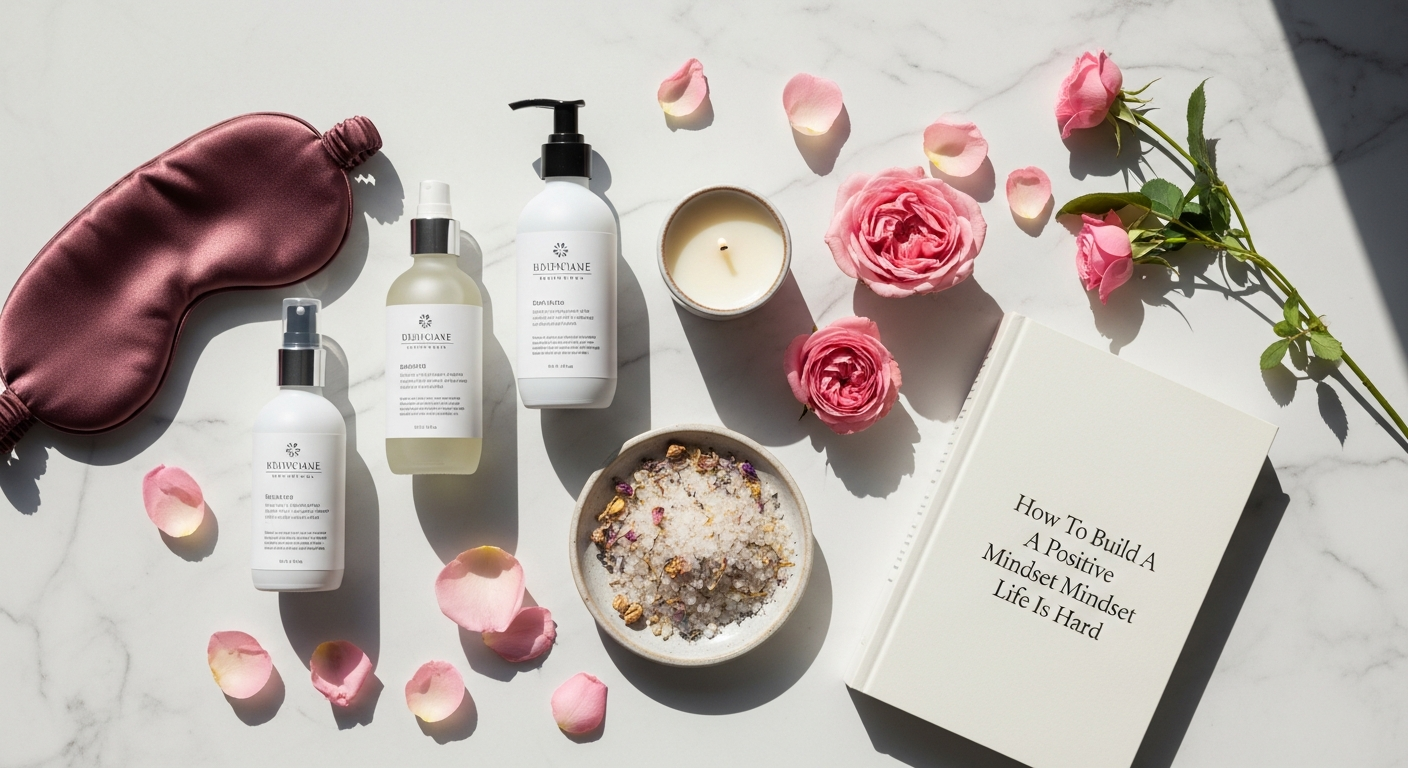
A positive mindset isn’t just about what goes on in your head; it’s deeply intertwined with your physical and emotional well-being. When life is hard, self-care often feels like a luxury, but it’s an absolute necessity for building and maintaining resilience.
Prioritizing Your Physical Well-being: Sleep, Nutrition, Movement
Your physical health forms the bedrock of your mental health. Neglecting these fundamental needs makes it significantly harder to cope with stress and maintain a positive outlook.
- Sleep: Aim for 7-9 hours of quality sleep. Lack of sleep exacerbates stress, anxiety, and irritability. Establish a consistent sleep schedule and create a calming bedtime routine.
- Nutrition: Fuel your body with nutrient-dense foods. A diet rich in fruits, vegetables, whole grains, and lean proteins supports brain health and mood stability. Minimize processed foods, excessive sugar, and caffeine, which can contribute to energy crashes and mood swings.
- Movement: Regular physical activity is a powerful stress reliever and mood booster. It doesn’t have to be intense; even a daily walk, gentle yoga, or dancing to your favorite music can release endorphins, reduce cortisol, and clear your head.
These basics might seem simple, but their impact on your ability to build a positive mindset when life is hard is profound.
Creating Your Personalized Self-Care Routine
Self-care is not selfish; it’s essential for sustained well-being. It’s about consciously engaging in activities that replenish your energy and soothe your soul. A personalized self-care routine should be flexible and adaptable to your unique needs and the demands of your life.
To truly understand How To Create Self Care Routine, consider these elements:
- Emotional Self-Care: Activities that help you process and express emotions, like journaling, talking to a trusted friend, listening to music, or practicing mindfulness.
- Physical Self-Care: As mentioned above – sleep, nutrition, movement, but also things like taking a warm bath, getting a massage, or simply resting.
- Spiritual Self-Care: Practices that connect you to your values or a sense of purpose, such as meditation, spending time in nature, prayer, or reading inspiring texts.
- Social Self-Care: Nurturing meaningful relationships. This might be a coffee date with a friend, a phone call to a family member, or joining a supportive community.
- Mental Self-Care: Engaging your mind in stimulating yet relaxing ways, like reading a book, learning a new skill, or doing a puzzle.
Start small, identify one or two activities that genuinely restore you, and commit to incorporating them into your daily or weekly schedule. Your self-care routine is your anchor during turbulent times.
Embracing Wellness Habits for Long-Term Strength
Beyond immediate self-care, cultivating sustainable wellness habits is key for long-term resilience, especially for women navigating the complexities of life. For women over 30, these habits become even more critical as life often brings increased responsibilities and hormonal shifts.
When considering the Best Wellness Habits Women Over 30, think about:
- Regular Health Check-ups: Proactive health management can prevent small issues from becoming major stressors.
- Stress Management Techniques: Beyond mindfulness, explore techniques like progressive muscle relaxation, deep breathing exercises, or even engaging in creative hobbies.
- Setting Boundaries: Learning to say no to commitments that overextend you, and protecting your time and energy. This is crucial for preventing burnout.
- Continuous Learning: Engaging your brain with new information or skills keeps you mentally agile and provides a sense of accomplishment.
- Financial Wellness: While not purely self-care, having a sense of financial stability reduces a significant source of stress, which directly impacts your mindset.
These habits contribute to an overall sense of control and empowerment, strengthening your capacity to maintain a positive mindset even when faced with adversity.
The Role of Skincare in Mind-Body Connection
It might seem trivial when discussing how to build a positive mindset when life is hard, but a consistent skincare routine can be a surprisingly powerful act of self-care and a touchstone for mental well-being. The simple ritual of caring for your skin provides a moment of calm and control in a chaotic world.
For those with specific concerns, like knowing the Best Skincare Routine Acne Prone Skin, the benefits are twofold:
- Ritual and Routine: The consistent steps of cleansing, treating, and moisturizing create a predictable, soothing routine. This ritual can be a meditative experience, grounding you in the present moment and providing a sense of normalcy when other aspects of life feel out of control.
- Sensory Experience: The gentle touch, the pleasant scents, the feeling of products on your skin – these sensory inputs can be incredibly calming and stress-reducing.
- Visible Improvement: Taking proactive steps to address skin concerns, whether it’s acne, dryness, or aging, and seeing positive results can boost self-esteem and provide a tangible sense of accomplishment. Feeling good about your appearance, even subtly, can positively impact your overall mood and confidence.
- Mindful Attention: Applying skincare products can be a mindful practice. Focus on the sensations, the process, and the act of nurturing yourself. It’s a small but significant way to show yourself kindness.
Don’t underestimate the power of these small, consistent acts of self-nurturing. They collectively contribute to a stronger, more positive internal state.
Nurturing Your Inner World: Mindset Shifts and Cognitive Reframing
While external strategies are important, the most profound changes in how to build a positive mindset when life is hard come from within. This involves actively challenging negative thought patterns and consciously choosing different perspectives.
Challenging Negative Thought Patterns
Our thoughts are not always facts. When life is hard, it’s common for our minds to default to negative, often irrational, thought patterns. Learning to identify and challenge these patterns is a cornerstone of cognitive behavioral therapy and a vital skill for building resilience.
- Identify the Thought: What specific negative thought is running through your mind? “I’m a failure,” “This will never get better,” “I can’t handle this.”
- Question the Evidence: Is there concrete evidence to support this thought? Is there any evidence against it? Are you catastrophizing (assuming the worst)? Are you generalizing (one bad event means everything is bad)?
- Consider Alternatives: What’s another way to look at this situation? What would you tell a friend in the same situation? Is there a more balanced or realistic perspective?
- Reframe: Replace the negative thought with a more balanced one. Instead of “I’m a failure,” try “I’m facing a setback, and I’m learning how to navigate it.” Instead of “This will never get better,” try “This is incredibly challenging right now, but situations can change, and I have the capacity to grow.”
This process takes practice, but it’s incredibly empowering. You begin to realize you have control over how you interpret events, rather than being passively subjected to your thoughts.
The “What If” Game: Shifting from Worry to Possibility
The “what if” game usually leads us down a rabbit hole of anxiety and fear (“What if I lose my job? What if I get sick?”). We can consciously flip this game to work for us, shifting from worry to exploring possibilities and solutions.
When you catch yourself spiraling with negative “what ifs,” pause and intentionally ask:
- “What if I can handle this?”
- “What if something good comes out of this difficult situation?”
- “What if I learn a valuable lesson?”
- “What if I discover inner strengths I never knew I had?”
- “What if there’s a solution I haven’t considered yet?”
This isn’t about ignoring problems, but about actively seeking out potential positive outcomes, solutions, or personal growth opportunities. It trains your brain to look for hope and agency, rather than just despair.
Cultivating Self-Compassion
When life is hard, it’s easy to be incredibly harsh on ourselves. Self-compassion is about treating yourself with the same kindness, understanding, and care you would offer a dear friend who is struggling. It’s a crucial component of how to build a positive mindset when life is hard.
- Mindful Self-Kindness: Instead of self-criticism, offer yourself words of comfort. “This is really hard right now,” or “It’s okay to feel this way.”
- Common Humanity: Remember that suffering is a universal human experience. You are not alone in your struggles. Many others have faced similar challenges and found ways to cope and thrive.
- Self-Compassion Break:
- Notice you are suffering: “This is a moment of suffering.”
- Connect to your common humanity: “Suffering is a part of life.”
- Offer yourself kindness: “May I be kind to myself. May I give myself the compassion I need.”
Self-compassion reduces stress, fosters resilience, and builds an inner reservoir of strength that allows you to face challenges with greater equanimity and less self-blame.
Setting Realistic Expectations and Celebrating Small Wins
When life is hard, it’s unrealistic to expect to be joyful all the time. Setting an impossible standard for positivity can lead to further frustration and self-criticism. Instead, set realistic expectations for your emotional landscape.
- Acknowledge the Ebbs and Flows: Understand that some days will be better than others. It’s normal to have bad days or moments of sadness. Your goal isn’t constant bliss, but rather developing the tools to navigate the tough times and find moments of peace and joy when they arise.
- Break Down Goals: If you’re facing a large, daunting challenge, break it down into the smallest possible steps. This makes the task feel less overwhelming and each completed step becomes a “small win.”
- Celebrate Progress: Actively acknowledge and celebrate these small wins. Did you get out of bed today when you wanted to stay hidden? That’s a win. Did you complete one small task you’ve been dreading? Celebrate it. Did you practice gratitude for five minutes? That’s a win.
Celebrating small wins creates a positive feedback loop, reinforcing your efforts and building momentum, which is essential for how to build a positive mindset when life is hard.
Sustaining Positivity: Long-Term Practices for a Resilient Mind
Building a positive mindset isn’t a one-time fix; it’s an ongoing journey. These long-term practices help embed resilience and optimism into your daily life, creating a robust foundation for enduring positivity.
Building a Supportive Community
Humans are social creatures, and connection is vital for our well-being. When life is hard, isolating ourselves can exacerbate negative feelings. Actively seeking and nurturing a supportive community is a powerful buffer against adversity.
- Connect with Loved Ones: Reach out to friends and family who lift you up, listen without judgment, and offer genuine encouragement.
- Seek Like-Minded Individuals: Join groups, clubs, or online communities that align with your interests or provide support for specific challenges you might be facing. This can include anything from a book club to a support group for single parents.
- Offer Support to Others: Helping others can be incredibly fulfilling and shifts your focus from your own challenges to contributing positively to someone else’s life. This act of giving can generate profound positive feelings.
A strong support system reminds you that you are not alone and provides different perspectives and emotional resources when you need them most.
Continuous Learning and Growth
Embracing a growth mindset – the belief that your abilities and intelligence can be developed through dedication and hard work – is inherently positive. When you view challenges as opportunities for learning, rather than insurmountable obstacles, you foster resilience.
- Read and Explore: Engage with books, articles, podcasts, or documentaries that inspire you, teach new skills, or offer fresh perspectives.
- Learn a New Skill: Whether it’s a language, an instrument, coding, or a craft, the process of learning something new stimulates your brain, builds confidence, and provides a sense of accomplishment.
- Reflect on Experiences: After a difficult period, take time to reflect on what you learned, how you grew, and what strengths you discovered. This turns adversity into wisdom.
Continuous learning keeps your mind active, flexible, and open to possibilities, which is key for how to build a positive mindset when life is hard.
The Power of Purpose and Contribution
Having a sense of purpose provides direction and meaning, especially during difficult times. This purpose doesn’t have to be grand; it can be as simple as being a good parent, excelling at your job, or contributing to your local community.
- Identify Your Values: What truly matters to you? What principles guide your life? Living in alignment with your values brings a deeper sense of fulfillment.
- Engage in Meaningful Work: If possible, find ways to make your work feel purposeful, or seek out volunteer opportunities that resonate with your values.
- Contribute to Something Larger: Whether through volunteering, advocacy, or simply being a positive influence in your circle, contributing to something beyond yourself can provide immense satisfaction and a sense of meaning, which strengthens your positive outlook.
Connecting to a purpose can provide a vital anchor and source of motivation when life feels overwhelming.
Regular Reflection and Adjustment
Building a positive mindset is not a linear process. There will be good days and bad days, breakthroughs and setbacks. Regular reflection allows you to assess what’s working, what’s not, and make necessary adjustments to your strategies.
- Weekly Check-ins: Take a few minutes at the end of each week to reflect. What challenged you? What brought you joy? What self-care practices were most effective?
- Adjust Your Routine: Based on your reflections, be willing to adapt your self-care routine, your gratitude practices, or your stress management techniques. What worked last month might need tweaking this month.
- Be Patient with Yourself: Building lasting change takes time and consistent effort. There will be moments of doubt or regression. Treat these as opportunities to learn and redirect, rather than reasons to give up.
This ongoing process of self-awareness, practice, and adjustment ensures that your approach to how to build a positive mindset when life is hard remains effective and tailored to your evolving needs, solidifying your resilience for the long haul into 2026.
Frequently Asked Questions
Recommended Resources
You might also enjoy Small Living Room Decorating Ideas from Rock Salt Plum.
For more on how to build, see How To Be Happier In Everyday Life Simple Habits on The Contextual Life.