
Embracing Your Wellness Journey in Your 30s: A Foundational Shift
The transition into your 30s often brings a renewed sense of self and purpose, but it can also usher in a period of intense demands. From career acceleration and potential family planning to managing evolving relationships and financial responsibilities, the plates you’re spinning can multiply quickly. This is precisely why establishing robust wellness habits isn’t just beneficial; it’s essential. It’s about building resilience, preventing burnout, and laying a strong foundation for healthy aging. Rather than viewing self-care as an indulgence, women in their 30s must recognize it as a non-negotiable component of a thriving life. This isn’t about perfection; it’s about consistency, self-compassion, and making small, sustainable changes that accumulate into significant positive impacts over time.
Understanding the unique physiological and psychological shifts that occur in this decade is key. Hormonal fluctuations can begin to affect metabolism, energy levels, and even mood more noticeably. Stress can become a chronic companion if not managed effectively. The habits you forge now will dictate your vitality and resilience not just for today, but for decades to come. Think of this period as your prime opportunity to create a personalized wellness blueprint that adapts to your evolving needs and keeps you feeling vibrant and capable, well into 2026 and beyond.
Redefining Self-Care: More Than Just Bubble Baths
While a relaxing bath certainly has its place, true self-care for women over 30 extends far beyond superficial pampering. It encompasses a holistic approach to nurturing your physical, mental, emotional, and spiritual needs. It’s about setting boundaries, saying no when necessary, prioritizing sleep, nourishing your body with whole foods, engaging in regular movement, and cultivating meaningful connections. It’s also about introspection and understanding what truly replenishes your energy reserves, allowing you to show up as your best self in all areas of your life. This deeper understanding of self-care is crucial for creating a truly effective and sustainable wellness routine.
- Mindful Moments: Integrate short periods of reflection, meditation, or deep breathing into your daily routine.
- Boundary Setting: Learn to protect your time and energy by clearly communicating your limits to others.
- Prioritizing Sleep: Recognize sleep as a foundational pillar of health, not a luxury to be sacrificed.
- Nutrient-Dense Eating: Focus on whole, unprocessed foods that fuel your body and mind effectively.
- Regular Movement: Find forms of exercise you genuinely enjoy to make it a sustainable habit.
Nurturing Your Mind: Mental & Emotional Well-being for Thriving Thirties
In your 30s, the demands on your mental and emotional reserves can be immense. Balancing career aspirations with personal life, navigating complex relationships, and perhaps even starting a family can create a fertile ground for stress and anxiety. Cultivating robust mental and emotional wellness habits is paramount to maintaining clarity, resilience, and inner peace. It’s about building a strong internal framework that allows you to weather life’s storms without being overwhelmed and to truly enjoy the journey.
Proactive mental health practices are not a sign of weakness; they are a testament to self-awareness and strength. Just as you would maintain your physical health, your mental and emotional landscape requires regular attention and care. This includes understanding your triggers, developing coping mechanisms, and seeking professional support when needed. Remember, your mental well-being is the bedrock upon which all other aspects of your wellness rest.
Mastering Stress Management Techniques
Chronic stress is a silent disruptor, impacting everything from your sleep and digestion to your hormonal balance and immune system. For women over 30, stress can manifest differently than in earlier decades, often feeling more pervasive due to heightened responsibilities. Developing a personalized stress management toolkit is vital.
- Mindfulness Meditation: Even 5-10 minutes daily can significantly reduce stress levels by bringing you into the present moment. Apps like Calm or Headspace can be excellent starting points.
- Deep Breathing Exercises: Techniques like diaphragmatic breathing can quickly calm your nervous system. Practice inhaling slowly through your nose, letting your belly expand, and exhaling slowly through your mouth.
- Journaling: Writing down your thoughts and feelings can be a powerful way to process emotions, identify patterns, and gain perspective.
- Nature Immersion: Spending time outdoors, whether it’s a walk in the park or a hike, has scientifically proven benefits for stress reduction and mood enhancement.
- Setting Realistic Expectations: Learn to differentiate between what you can control and what you cannot. Focus your energy on actionable steps and practice acceptance for the rest.
How To Cope With Anxiety At Work: Strategies for Professional Women
Workplace anxiety is a common challenge for women in their 30s, especially as careers advance and expectations rise. The pressure to perform, meet deadlines, manage teams, and maintain a work-life balance can contribute significantly to feelings of overwhelm and unease. Addressing work-related anxiety head-on is crucial for both your career longevity and your overall mental health. Here are actionable strategies:
- Prioritize and Delegate: Break down large tasks into smaller, manageable steps. Learn to delegate when appropriate and trust your team. This reduces the feeling of being swamped.
- Set Boundaries with Work: Avoid checking emails late at night or on weekends. Establish clear “off-duty” times to allow your mind to rest and recharge.
- Take Micro-Breaks: Step away from your desk every hour or two. A short walk, some stretches, or even just looking out a window can reset your focus and reduce tension.
- Practice Mindful Communication: Before responding to a stressful email or entering a tense meeting, take a few deep breaths. This helps you respond thoughtfully rather than react impulsively.
- Identify Triggers: Pay attention to what situations or tasks consistently provoke anxiety. Once identified, you can develop specific coping mechanisms or strategies to mitigate their impact.
- Seek Support: Talk to a trusted colleague, mentor, HR representative, or therapist about your challenges. Sometimes, simply verbalizing your concerns can bring relief and new perspectives.
- Prepare Adequately: Often, anxiety stems from a fear of the unknown or feeling unprepared. Thorough preparation for presentations, meetings, or projects can boost confidence and reduce apprehension.
Fueling Your Body: Nutrition & Movement for Sustained Energy
It’s not about restrictive diets or grueling workouts; it’s about making intelligent, sustainable choices that support your overall health and energy levels. Focusing on nutrient density, mindful eating, and enjoyable movement will yield far greater long-term benefits than any fleeting fad. Think of food as medicine and movement as a celebration of your body’s capabilities.
Optimizing Nutrition: Eating for Energy and Hormonal Balance
A well-balanced diet is the cornerstone of physical wellness, especially for women over 30. Focus on whole, unprocessed foods that provide sustained energy, support hormonal balance, and contribute to overall vitality.
- Prioritize Protein: Include lean protein sources (chicken, fish, legumes, tofu, eggs) at every meal. Protein helps maintain muscle mass, keeps you feeling full, and supports stable blood sugar levels.
- Embrace Healthy Fats: Incorporate sources like avocados, nuts, seeds, and olive oil. These are crucial for hormone production, brain health, and nutrient absorption.
- Load Up on Fiber: Found in fruits, vegetables, whole grains, and legumes, fiber aids digestion, helps regulate blood sugar, and supports gut health, which is increasingly linked to overall well-being.
- Limit Processed Foods & Added Sugars: These can lead to energy crashes, inflammation, and weight gain. Focus on cooking at home and choosing whole ingredients.
- Mindful Eating: Pay attention to your body’s hunger and fullness cues. Eat slowly, savor your food, and avoid distractions during meals. This improves digestion and helps prevent overeating.
- Consider Supplements: As women age, certain nutrients become even more important. Consult with a healthcare provider about potential needs for Vitamin D, B vitamins, magnesium, or omega-3 fatty acids, especially if you have dietary restrictions or specific health concerns.
The Power of Movement: Finding Joy in Exercise
Regular physical activity is non-negotiable for women over 30. It boosts mood, improves cardiovascular health, strengthens bones, supports metabolism, and helps manage stress. The key is to find activities you genuinely enjoy, making exercise a sustainable and joyful part of your life.
- Strength Training: Essential for preserving muscle mass, which naturally declines with age, and boosting metabolism. Aim for 2-3 sessions per week using weights, resistance bands, or bodyweight exercises.
- Cardiovascular Exercise: Activities like brisk walking, jogging, cycling, swimming, or dancing are crucial for heart health and endurance. Aim for at least 150 minutes of moderate-intensity cardio per week.
- Flexibility & Mobility: Incorporate yoga, Pilates, or dedicated stretching sessions to improve flexibility, reduce stiffness, and prevent injuries.
- Mix It Up: Vary your workouts to keep things interesting and challenge different muscle groups. This also prevents plateaus and boredom.
- Listen to Your Body: Rest and recovery are just as important as the workout itself. Don’t push through pain, and allow your body time to repair and rebuild.
- Integrate Movement: Look for opportunities to move throughout your day – take the stairs, walk during phone calls, or stand more often.
Hydration: The Unsung Hero of Wellness
Often overlooked, adequate hydration is fundamental to every bodily function. Water transports nutrients, regulates body temperature, lubricates joints, and supports cognitive function. For women over 30, staying well-hydrated is crucial for energy levels, skin health, digestion, and even hormonal balance. Aim for at least 8 glasses of water a day, and more if you are active or in a warm climate. Keep a water bottle handy and sip throughout the day to ensure consistent intake.
The Power of Rest & Recovery: Sleep and Digital Detox
In a world that often glorifies constant busyness, the importance of rest and recovery is frequently underestimated, especially for women over 30 juggling multiple roles. Sleep is not a luxury; it is a fundamental pillar of health, just as vital as nutrition and exercise. Similarly, intentionally disconnecting from the digital world allows your mind to truly rest and process, preventing mental fatigue and enhancing overall well-being. Prioritizing these habits is crucial for physical repair, mental clarity, emotional regulation, and hormonal balance.
Chronic sleep deprivation and constant digital stimulation can lead to a cascade of negative effects, including increased stress, impaired cognitive function, weakened immunity, and even weight gain. Investing in quality rest is one of the most powerful wellness habits you can cultivate in your thirties, setting you up for sustained energy and resilience.
Prioritizing Quality Sleep: Your Nightly Recharge
Aim for 7-9 hours of quality sleep per night. This isn’t just about the quantity of sleep but also its quality. Establishing a consistent sleep routine can dramatically improve your rest.
- Consistent Sleep Schedule: Go to bed and wake up at roughly the same time each day, even on weekends. This helps regulate your body’s natural circadian rhythm.
- Create a Relaxing Bedtime Ritual: Wind down with activities like reading a book, taking a warm bath, listening to calming music, or practicing gentle stretches. Avoid stimulating activities.
- Optimize Your Sleep Environment: Ensure your bedroom is dark, quiet, and cool. Blackout curtains, earplugs, or a white noise machine can be helpful.
- Limit Screen Time Before Bed: The blue light emitted from phones, tablets, and computers can interfere with melatonin production, a hormone essential for sleep. Aim to disconnect at least an hour before bedtime.
- Watch Caffeine and Alcohol Intake: Avoid caffeine late in the day and limit alcohol consumption, as both can disrupt sleep patterns.
Digital Detox: Reclaiming Your Presence
Our digital devices, while convenient, can be significant sources of stress and distraction. Regularly unplugging allows your mind to decompress, fosters creativity, and enhances your ability to be present in the real world.
- Schedule Tech-Free Zones: Designate certain times (e.g., meals, the hour before bed) or places (e.g., bedroom) as no-phone zones.
- One Day a Week Unplugged: Challenge yourself to a full digital detox day once a week or even once a month. Engage in hobbies, spend time in nature, or connect with loved ones without distractions.
- Mindful Scrolling: Be intentional about your screen time. Ask yourself if you’re engaging with content that genuinely adds value or brings joy, or if you’re mindlessly scrolling.
- Turn Off Notifications: Reduce constant interruptions by turning off non-essential notifications on your phone. This helps you stay focused and reduces the urge to constantly check your device.
Cultivating Outer Radiance: Skincare & Self-Care Rituals
While true wellness begins within, taking care of your external self is a powerful component of self-care that boosts confidence and reflects overall health. For women over 30, skincare concerns can evolve, with signs of aging becoming more apparent, and environmental factors taking their toll. Establishing a consistent, effective skincare routine, coupled with broader self-care rituals, contributes significantly to your sense of well-being and allows your inner glow to shine through. This isn’t about vanity; it’s about honoring your body and enjoying the ritual of caring for yourself.
The skin is your body’s largest organ, and it deserves attention and care. What you put on your skin, combined with your internal health, plays a crucial role in its appearance and health. Similarly, dedicating time to personal rituals, whether it’s a detailed beauty routine or a simple moment of pampering, reinforces your commitment to self-love and stress reduction.
Best Skincare Routine Acne Prone Skin: Nurturing Your Complexion
Even after your teenage years, acne can persist or reappear in your 30s, often as hormonal or adult acne. A targeted and consistent skincare routine is essential for managing breakouts, preventing scars, and maintaining a healthy complexion. Here’s a comprehensive approach:
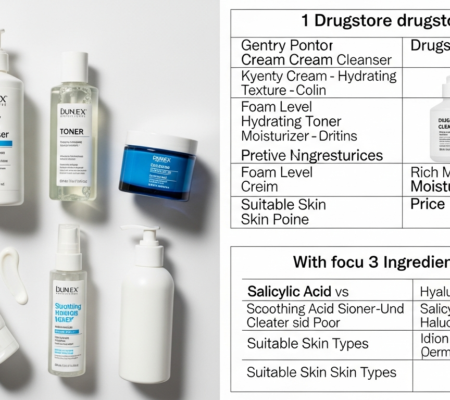
- Gentle Cleansing (Morning & Evening): Use a mild, pH-balanced cleanser that doesn’t strip your skin of its natural oils. Look for ingredients like salicylic acid (BHA) or benzoyl peroxide in lower concentrations if your acne is active, but be careful not to over-dry. Avoid harsh scrubbing.
- Targeted Treatment (Evening): Incorporate a retinoid (retinol or prescription tretinoin) a few nights a week. Retinoids are excellent for cell turnover, collagen production, and preventing clogged pores. Introduce slowly to avoid irritation. Alternatively, a serum with niacinamide can help reduce inflammation and regulate oil production.
- Exfoliation (2-3 times a week): Gentle chemical exfoliants like AHAs (glycolic or lactic acid) or BHAs (salicylic acid) help to remove dead skin cells and prevent pore blockages. Avoid harsh physical scrubs, which can irritate active breakouts.
- Hydration (Morning & Evening): Even oily or acne-prone skin needs moisture. Choose a lightweight, non-comedogenic moisturizer to support your skin barrier. Dehydrated skin can sometimes produce more oil to compensate, leading to more breakouts.
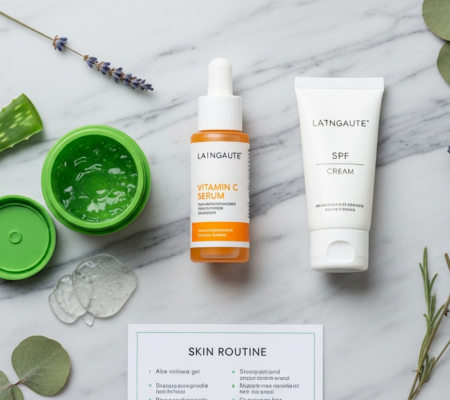
- Sun Protection (Daily Morning): Non-negotiable! Use a broad-spectrum SPF 30+ every single day, rain or shine. Sun exposure can worsen post-inflammatory hyperpigmentation (dark spots left by acne) and accelerate aging. Look for mineral-based sunscreens (zinc oxide, titanium dioxide) if you’re sensitive.
- Spot Treatments (As Needed): Keep a targeted spot treatment on hand for occasional breakouts. Ingredients like salicylic acid or benzoyl peroxide can be effective.
- Avoid Picking: This is crucial! Picking at blemishes can lead to scarring and spread bacteria, worsening the problem.
- Consider Professional Help: If your acne is persistent or severe, consult a dermatologist. They can offer prescription treatments, in-office procedures, and personalized advice.
How To Create Self Care Routine: Beyond Skincare
A holistic self-care routine extends beyond just your skin, encompassing practices that nourish your entire being. This is about intentionally carving out time for activities that replenish your energy and bring you joy.
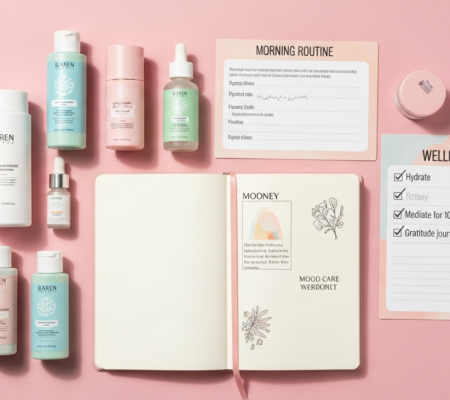
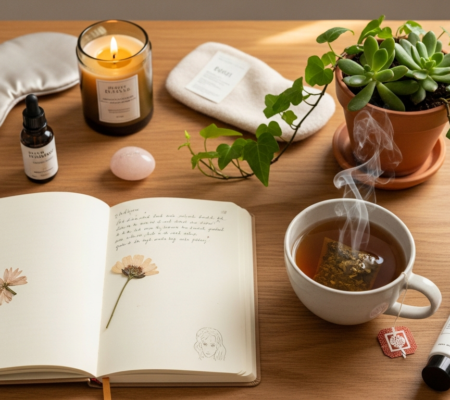
- Mindful Mornings: Start your day with intention. This could involve meditation, journaling, gentle stretching, or simply enjoying a cup of tea in silence before the day’s demands begin.
- Reading for Pleasure: Dedicate time each day or week to reading books, articles, or poetry that stimulates your mind or helps you relax, away from screens.
- Creative Expression: Engage in a hobby that allows you to express yourself – painting, writing, playing an instrument, gardening, or crafting. Creativity is a powerful stress reliever.
- Movement That Feels Good: Beyond structured exercise, incorporate playful movement like dancing, walking in nature, or even just stretching intuitively.
- Scheduled Downtime: Block out time in your calendar for doing absolutely nothing productive. This allows for genuine rest and mental decompression.
- Pampering Rituals: Whether it’s a weekly face mask, a luxurious bath, or a professional massage, these acts of physical self-care can be incredibly restorative.
- Connection with Loved Ones: Prioritize spending quality time with friends and family who uplift and support you.
- Digital Boundaries: As mentioned, setting limits on screen time and social media can significantly reduce mental clutter and improve focus.
Building Your Support System & Community: The Power of Connection
As women enter their 30s, friendships can sometimes shift, careers intensify, and the need for strong, supportive relationships becomes even more pronounced. Human connection is a fundamental wellness habit, impacting everything from mental health and stress resilience to longevity. Cultivating a robust support system – both personal and professional – is not just beneficial; it’s vital for navigating the complexities of this decade and beyond. It’s about surrounding yourself with individuals who uplift, challenge, and understand you, creating a safety net and a source of joy.
Loneliness and isolation can have profound negative impacts on health, comparable to physical risk factors. Actively nurturing your relationships, seeking out new connections, and giving back to your community are powerful acts of self-care that enhance your overall well-being. This investment in your social capital will pay dividends in resilience and happiness, setting a positive trajectory for 2026 and the years that follow.
Nurturing Personal Relationships
Meaningful connections with friends, family, and partners are crucial for emotional support and a sense of belonging.
- Prioritize Quality Time: Make an effort to schedule regular meet-ups, calls, or video chats with important people in your life. Quality over quantity is key.
- Be Present: When you are with loved ones, put away distractions and give them your full attention. Active listening strengthens bonds.
- Express Appreciation: Regularly tell the people you care about how much you value them. Small gestures of gratitude go a long way.
- Set Boundaries: Healthy relationships also require healthy boundaries. Know when to say no and protect your energy.
- Lean on Your Support System: Don’t be afraid to ask for help or confide in trusted friends or family during challenging times.
Cultivating Professional Networks & Mentorship
Beyond personal connections, a strong professional network can provide opportunities, guidance, and a sense of belonging in your career.
- Seek Mentors: Identify experienced professionals who can offer advice, insights, and support as you navigate your career path.
- Network Actively: Attend industry events, join professional organizations, and connect with peers. Networking isn’t just about getting ahead; it’s about learning and finding camaraderie.
- Be a Mentor: Giving back and sharing your knowledge can be incredibly rewarding and reinforce your own expertise.
- Build a ‘Personal Board of Directors’: This is a diverse group of individuals (friends, family, colleagues, mentors) who you can consult for advice, support, and different perspectives on life and career challenges.
Engaging with Your Community
Feeling connected to a larger community provides a sense of purpose and can combat feelings of isolation.
- Volunteer: Dedicate your time to a cause you care about. Volunteering fosters connection, reduces stress, and boosts happiness.
- Join Clubs or Groups: Pursue hobbies with like-minded individuals, whether it’s a book club, a hiking group, a fitness class, or a community garden.
- Participate Locally: Attend local events, support local businesses, and engage in community discussions.
Future-Proofing Your Wellness Journey: Long-Term Strategy for Women Over 30
The wellness habits you establish in your 30s are not just for immediate benefit; they are a strategic investment in your long-term health, happiness, and resilience. This decade is a critical window to lay the groundwork for a vibrant and fulfilling life in your 40s, 50s, and beyond. Future-proofing your wellness means adopting a proactive, adaptive mindset, understanding that life will bring changes, and having the tools to navigate them gracefully. It’s about building a sustainable framework that supports you through hormonal shifts, career transitions, family evolutions, and the natural process of aging with grace and strength.
This long-term perspective encourages flexibility and self-compassion, recognizing that your wellness journey will have its ebbs and flows. It’s not about achieving a fixed state, but rather about continuously learning, adapting, and recommitting to practices that serve your highest good. By integrating these forward-thinking habits, you empower yourself to face future challenges with confidence and maintain a high quality of life for many years to come, ensuring 2026 is just the beginning of a truly well-lived life.
Regular Health Check-ups & Preventative Care
Proactive health monitoring is paramount as you age. Your 30s are the time to establish a strong relationship with your primary care physician and specialists.
- Annual Physicals: Don’t skip your yearly check-up. This is an opportunity to discuss any concerns, get routine blood work, and ensure you’re up-to-date on screenings.
- Women’s Health Screenings: Continue with regular gynecological exams, including Pap smears, and discuss breast health. Be aware of your family history for conditions like breast cancer or ovarian cancer.
- Hormone Awareness: Pay attention to any significant changes in your menstrual cycle, energy levels, or mood, and discuss them with your doctor. Hormonal shifts can begin in your 30s.
- Dental & Eye Care: Regular dental cleanings and eye exams are crucial for overall health.
- Mental Health Screenings: Don’t hesitate to discuss mental health concerns with your doctor. Early intervention is key for managing conditions like anxiety or depression.
Financial Wellness: Reducing Stress for Future Security
Financial stress can significantly impact overall wellness. Taking control of your finances in your 30s provides a strong foundation for future security and peace of mind.
- Budgeting & Saving: Create a realistic budget and commit to regular savings, including an emergency fund.
- Debt Management: Develop a plan to pay down high-interest debt.
- Invest for the Future: Start or increase contributions to retirement accounts (401k, IRA) and other investments.
- Financial Planning: Consider consulting a financial advisor to create a long-term plan tailored to your goals.
Continuous Learning & Personal Growth
Keeping your mind engaged and continually growing is a powerful wellness habit that supports cognitive function and a sense of purpose.
- Read Widely: Explore new topics, genres, and perspectives through books, articles, and documentaries.
- Learn New Skills: Take a class, pursue a new hobby, or learn a new language. This keeps your brain active and provides a sense of accomplishment.
- Embrace Challenges: Step outside your comfort zone and take on new challenges, whether personal or professional. Growth often happens at the edge of your abilities.
- Practice Self-Reflection: Regularly take time to assess your values, goals, and progress. Journaling can be an excellent tool for this.
By integrating these future-focused habits, you’re not just living for today; you’re consciously building a life of sustained vitality, resilience, and joy, ensuring that your wellness journey continues to flourish and adapt to every stage of life.
The journey through your 30s is a unique and transformative period, ripe with opportunities for growth and self-discovery. By intentionally cultivating the best wellness habits for women over 30 – from nurturing your mental and emotional health to fueling your body, prioritizing rest, caring for your skin, and building strong connections – you are not just surviving; you are thriving. Remember, wellness is a continuous process of learning, adapting, and showing yourself compassion. It’s about progress, not perfection. Embrace these practices as a loving investment in your future self, empowering you to navigate every challenge and celebrate every triumph with grace, energy, and unwavering self-assurance. Here’s to a decade of profound well-being and a future filled with vitality!
Frequently Asked Questions
Recommended Resources
Explore How To Make Cocktails At Home for additional insights.
Learn more about this topic in How To Do A Natural Makeup Look Guide at Fashion Goggled.