

Understanding Dry Skin: Causes, Symptoms, and Why Moisturizing is Key
Dry skin, medically known as xerosis, is a common condition characterized by a lack of sufficient moisture in the outermost layer of the skin, the stratum corneum. This can lead to a compromised skin barrier, which is your body’s first line of defense against environmental aggressors and moisture loss. When this barrier is impaired, skin becomes more vulnerable, leading to the uncomfortable symptoms many of us are all too familiar with.
What causes dry skin? The culprits are numerous and often multi-faceted:
- Environmental Factors: Low humidity (especially in winter), cold weather, harsh winds, and excessive sun exposure can strip the skin of its natural oils.
- Hot Showers and Baths: While they feel comforting, prolonged exposure to hot water can remove essential lipids from the skin.
- Harsh Soaps and Cleansers: Products containing strong detergents or fragrances can disrupt the skin’s pH balance and natural barrier.
- Aging: As we age, our skin naturally produces less oil and hyaluronic acid, leading to increased dryness.
- Genetics: Some individuals are simply predisposed to dry skin.
- Medical Conditions: Skin conditions like eczema (atopic dermatitis), psoriasis, and ichthyosis, as well as systemic conditions like hypothyroidism or diabetes, can cause severe dryness.
- Medications: Certain medications, such as diuretics, retinoids, and cholesterol-lowering drugs, can have dry skin as a side effect.
Symptoms of dry skin can range from mild to severe:
- A feeling of tightness, especially after showering or swimming.
- Skin that looks and feels rough.
- Itching (pruritus), which can sometimes be intense.
- Slight to severe flaking, scaling, or peeling.
- Fine lines or cracks, particularly on the hands and feet.
- Redness or irritation.
- In severe cases, deep cracks that may bleed or become infected.
Why is moisturizing so critical? Moisturizing isn’t just about temporary comfort; it’s fundamental to maintaining skin health. A good moisturizer works by:
- Replenishing Moisture: It introduces hydrating ingredients that attract and hold water in the skin.
- Restoring the Skin Barrier: It provides lipids and other components that help repair and strengthen the skin’s natural protective barrier, preventing further moisture loss.
- Reducing Inflammation and Irritation: Many formulations include soothing ingredients that calm irritated skin and reduce redness.
- Improving Skin Texture and Appearance: Hydrated skin is plumper, smoother, and has a healthier glow, diminishing the appearance of fine lines and dullness.
In essence, moisturizing is a non-negotiable step in caring for dry skin. It’s an act of self-care that protects your skin from the inside out, fostering resilience and comfort.
The Science Behind Hydration: Key Ingredients to Look For
Navigating the ingredient lists of moisturizers can be daunting, but understanding the main categories of hydrating components will empower you to choose the best moisturizers for dry skin in 2026. These ingredients work synergistically to attract, retain, and seal in moisture.
Humectants: The Moisture Magnets
Humectants are ingredients that attract water from the atmosphere and deeper layers of the skin to the skin’s surface. Think of them as tiny sponges. They are crucial for initial hydration and making the skin feel plump and dewy.
- Hyaluronic Acid (HA): A superstar humectant capable of holding up to 1,000 times its weight in water. It comes in different molecular weights; smaller molecules penetrate deeper, while larger ones sit on the surface for immediate plumping.
- Glycerin: A highly effective, affordable, and widely used humectant. It’s naturally occurring in the skin and well-tolerated by most.
- Urea: Not only a humectant but also a natural moisturizing factor (NMF) found in healthy skin. At higher concentrations, it also has mild exfoliating properties, which can be beneficial for flaky dry skin.
- Sodium PCA (Pyrrolidone Carboxylic Acid): Another NMF that helps bind moisture to the skin.
- Alpha Hydroxy Acids (AHAs) like Lactic Acid: While primarily known for exfoliation, lactic acid is also a humectant and can help improve skin hydration.
Emollients: The Smooth Operators
Emollients are ingredients that fill in the gaps between skin cells, smoothing the skin’s surface and making it feel soft and supple. They help to repair the skin barrier by providing essential lipids.
- Ceramides: These are lipids (fats) that make up a significant portion of the skin barrier. They are vital for holding skin cells together, preventing moisture loss, and protecting against environmental damage. Replenishing ceramides is crucial for dry, compromised skin.
- Fatty Acids (e.g., Linoleic Acid, Oleic Acid): Essential components of the skin barrier that help maintain its integrity and flexibility. Often found in plant oils like sunflower, safflower, and olive oil.
- Cholesterol: Another key lipid component of the skin barrier, working alongside ceramides and fatty acids to strengthen the skin’s protective layer.
- Squalane: A stable, plant-derived (often from olives or sugarcane) emollient that mimics the skin’s natural oils, providing excellent hydration without feeling greasy.
- Plant Oils (e.g., Jojoba Oil, Argan Oil, Shea Butter): Rich in fatty acids and vitamins, these oils nourish the skin, improve elasticity, and provide a protective layer. Shea butter is particularly rich and deeply conditioning.
- Dimethicone: A silicone-based emollient that provides a silky feel and helps smooth the skin’s surface. It also has mild occlusive properties.
Occlusives: The Moisture Sealers
Occlusives form a physical barrier on the skin’s surface to prevent transepidermal water loss (TEWL). They are the “seal” that locks in the moisture provided by humectants and emollients, making them indispensable for very dry or compromised skin.
- Petrolatum (Petroleum Jelly): One of the most effective occlusives, creating an almost impenetrable barrier to prevent water loss. It’s often misunderstood but is highly purified and non-comedogenic for most.
- Mineral Oil: Another highly effective and safe occlusive, also non-comedogenic and well-tolerated.
- Lanolin: A natural wax derived from sheep’s wool, lanolin is a potent occlusive and emollient. It can be sensitizing for some individuals, so patch testing is advised.
- Shea Butter: While also an emollient, its rich, thick texture gives it significant occlusive properties, making it excellent for very dry areas.
- Beeswax: A natural wax that provides a protective, occlusive layer.
- Silicones (e.g., Dimethicone, Cyclomethicone): While also emollients, certain silicones have stronger occlusive capabilities, creating a breathable barrier.
When selecting a moisturizer for dry skin, look for products that incorporate a blend of these ingredient types. A well-formulated moisturizer will often contain humectants to draw in moisture, emollients to restore the skin barrier, and occlusives to seal it all in, providing comprehensive hydration and protection.
Top Picks for Best Moisturizers for Dry Skin in 2026
Luxury Indulgences: When Only the Best Will Do
For those who view skincare as an investment and an experience, these high-end moisturizers offer sophisticated formulations, exquisite textures, and often proprietary complexes designed for superior results.
-
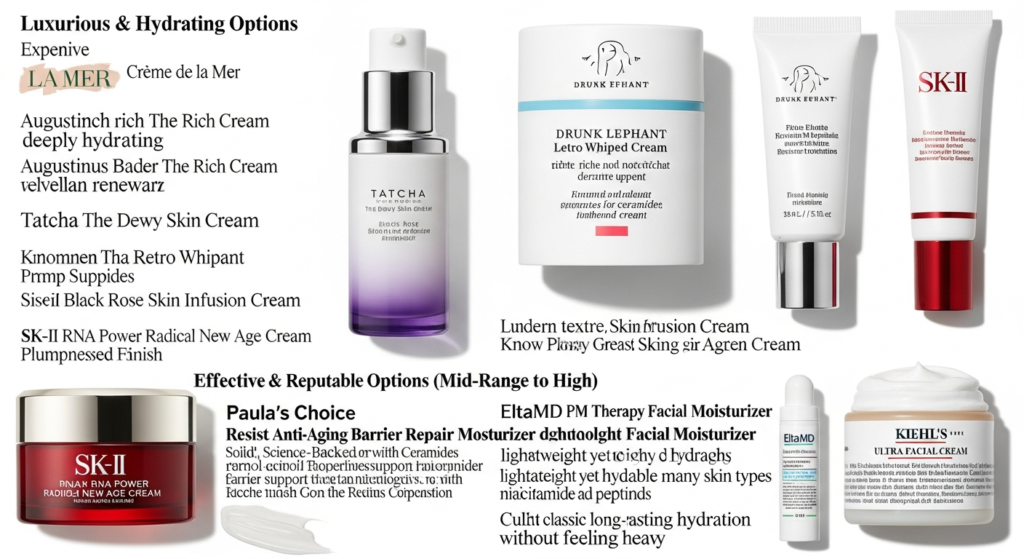
La Mer Crème de la Mer:
Why it’s a cult classic: This iconic cream, often hailed as a miracle worker, is renowned for its transformative powers on dry, compromised skin. Its proprietary “Miracle Broth” – a fermented blend of sea kelp and other natural ingredients – is at its heart.
Key Ingredients: Fermented Sea Kelp, Lime Tea Concentrate (antioxidant), Petrolatum (occlusive), Mineral Oil (occlusive/emollient), Glycerin (humectant).
Benefits for Dry Skin: Deeply hydrates, soothes visible redness and irritation, and significantly improves the appearance of dryness, fine lines, and firmness. Its rich, balm-like texture creates a protective barrier, making it ideal for extremely dry or sensitive skin. It’s a true indulgence for skin in need of intensive repair and comfort. -
Augustinus Bader The Rich Cream:
Why it’s worth the hype: Developed by a leading stem cell scientist, this cream is built around TFC8® (Trigger Factor Complex), a proprietary blend of natural amino acids, vitamins, and synthesized molecules that guide key nutrients to the skin cells.
Key Ingredients: TFC8®, Argan Oil, Avocado Oil, Evening Primrose Oil (rich in fatty acids), Squalane (emollient).
Benefits for Dry Skin: Designed to support cellular renewal, it intensely hydrates, reduces the appearance of fine lines and wrinkles, and improves skin elasticity. The rich, velvety texture provides lasting comfort and a noticeable glow, making it exceptional for mature or very dry skin seeking anti-aging benefits alongside deep hydration. -
Tatcha The Dewy Skin Cream:
Why it’s a luxurious treat: Inspired by Japanese beauty rituals, this cream delivers a healthy, dewy glow while deeply nourishing. It’s a beautiful bridge between hydration and visible radiance.
Key Ingredients: Japanese Purple Rice (rich in antioxidants), Okinawa Algae Blend (humectant/emollient), Hyaluronic Acid (humectant), Botanical Extracts (ginseng, thyme).
Benefits for Dry Skin: Provides intense hydration, plumps the skin, and leaves a luminous, non-greasy finish. It helps to improve skin suppleness and resilience, making it a favorite for those who want to combat dryness while achieving a youthful, radiant complexion.
Mid-Range Marvels: High Performance Without the Hefty Price Tag
These moisturizers offer advanced formulations and effective ingredients that deliver impressive results, striking an excellent balance between quality and cost.
-
Skinfix Barrier+ Triple Lipid-Peptide Cream:
Why it’s a dermatologist favorite: This cream is specifically formulated to replenish skin lipids and repair the skin barrier, making it perfect for dry, sensitive, or eczema-prone skin. It’s clinically proven to increase ceramide and fatty acid levels.
Key Ingredients: Triple Lipid Complex (ceramides, fatty acids, cholesterol), Peptides, Hyaluronic Acid, Shea Butter.
Benefits for Dry Skin: Restores the skin barrier, reduces redness, soothes irritation, and provides long-lasting hydration. Its rich, velvety texture absorbs well without feeling heavy, making it an excellent choice for compromised barriers. -
Paula’s Choice Clinical Ultra-Rich Moisturizer:
Why it’s a smart choice: Known for its evidence-based formulations, Paula’s Choice delivers a powerful, non-irritating moisturizer for extremely dry skin.
Key Ingredients: Shea Butter, Olive Oil, Glycerin, Hyaluronic Acid, Ceramides, Peptides, Antioxidants (Vitamin E, Willow Herb).
Benefits for Dry Skin: Intensely hydrates, calms redness, and strengthens the skin’s moisture barrier. The cream helps to alleviate tightness and discomfort, leaving skin feeling soft and supple. It’s fragrance-free and packed with beneficial ingredients for sensitive, very dry skin. -
Drunk Elephant Lala Retro Whipped Cream:
Why it’s a clean beauty standout: This rescue cream is known for its blend of six African oils and a ceramide complex, designed to replenish the skin’s moisture barrier.
Key Ingredients: Six African Oils (Marula, Mongongo, Baobab, Kalahari Melon, Ximenia, Passionfruit), Phytosphingosine (a ceramide-like lipid), Sodium Hyaluronate Crosspolymer (HA derivative).
Benefits for Dry Skin: Delivers rich, nourishing hydration, helps to restore elasticity, and calms stressed skin. Its whipped texture feels luxurious yet absorbs well, making it suitable for daily use to combat dryness and improve skin resilience.
Budget-Friendly Gems: Effective Hydration That Won’t Break the Bank
You don’t need to spend a fortune to get effective relief for dry skin. These pharmacy staples are beloved by dermatologists and consumers alike for their reliable performance and accessible price points.
-
CeraVe Moisturizing Cream:
Why it’s a drugstore icon: Developed with dermatologists, this non-comedogenic, fragrance-free cream is a go-to for all types of dry to very dry skin, including eczema-prone skin.
Key Ingredients: Three Essential Ceramides (1, 3, 6-II), Hyaluronic Acid, MVE Technology (delivers hydration all day).
Benefits for Dry Skin: Restores and maintains the skin’s natural barrier, provides 24-hour hydration, and helps to relieve itching and irritation. Its rich, non-greasy texture makes it suitable for both face and body, offering incredible value and efficacy. -
Vanicream Moisturizing Cream:
Why it’s a sensitive skin savior: Often recommended by dermatologists for its incredibly gentle and minimalist formula, Vanicream is free of common irritants.
Key Ingredients: Petrolatum (occlusive), Sorbitol (humectant), Cetearyl Alcohol (emollient).
Benefits for Dry Skin: Provides intense, long-lasting hydration without causing irritation. It’s excellent for extremely sensitive, reactive, or allergy-prone skin, creating a protective barrier that seals in moisture and soothes discomfort. Ideal for both face and body. -
Eucerin Advanced Repair Cream:
Why it’s a powerful repairer: This cream is designed to deeply moisturize and repair very dry, rough, and flaky skin, often associated with conditions like diabetes or aging.
Key Ingredients: Ceramides, Natural Moisturizing Factors (Urea, Lactic Acid), Glycerin.
Benefits for Dry Skin: Immediately restores skin’s radiance and delivers 48-hour hydration. It helps to strengthen the skin’s barrier and prevent moisture loss, leaving skin noticeably smoother and softer. Its rich texture is particularly effective for body dryness.
Specialized Formulations: Targeting Specific Dry Skin Concerns
Sometimes, dry skin comes with additional challenges. These moisturizers are formulated to address those specific needs.
-
Avène Xeracalm A.D Lipid-Replenishing Cream (for Eczema-Prone Skin):
Why it’s therapeutic: Specifically formulated for severe dryness, atopic dermatitis, and eczema, this cream uses sterile cosmetics technology to minimize preservatives and irritants.
Key Ingredients: I-Modulia® (postbiotic complex that reduces itching and inflammation), Ceramides, Glycerin, Avène Thermal Spring Water (soothing).
Benefits for Dry Skin: Rapidly soothes itching and irritation, replenishes skin lipids, and restores the skin’s barrier function. It’s incredibly gentle and effective for compromised, reactive, and extremely dry skin on both face and body. -
Kiehl’s Ultra Facial Cream (for Sensitive/Balanced Dry Skin):
Why it’s universally loved: This lightweight yet potent moisturizer provides 24-hour hydration even in extreme temperatures, making it suitable for a wide range of dry skin types, including sensitive.
Key Ingredients: Glacial Glycoprotein (derived from sea glaciers, helps skin retain water), Squalane, Glycerin.
Benefits for Dry Skin: Delivers continuous hydration, strengthens the skin’s moisture barrier, and leaves skin feeling smooth and comfortable. Its non-greasy, fast-absorbing texture makes it a fantastic everyday option for dry skin that doesn’t need heavy occlusion. -
SkinCeuticals Triple Lipid Restore 2:4:2 (for Mature Dry Skin):
Why it’s an anti-aging powerhouse: This cream is specifically designed to replenish essential skin lipids (ceramides, natural cholesterol, fatty acids) in an optimal ratio of 2:4:2, which declines with age.
Key Ingredients: 2% Pure Ceramides 1 & 3, 4% Natural Cholesterol, 2% Fatty Acids.
Benefits for Dry Skin: Restores the skin’s external barrier, supports natural self-repair, and improves skin elasticity, fullness, and radiance. It’s particularly beneficial for mature skin experiencing dryness, loss of firmness, and a dull complexion, providing both intense hydration and anti-aging benefits.
Beyond the Bottle: Maximizing Your Moisturizer’s Efficacy
Having the best moisturizers for dry skin in 2026 is only half the battle. How you use it, and what other habits you cultivate, can significantly impact its performance and your skin’s overall health.
Proper Application Techniques
The way you apply your moisturizer can make a big difference in how well it penetrates and performs.
- Apply to Damp Skin: This is perhaps the most crucial tip. Moisturizers, especially those rich in humectants, work best when applied to slightly damp skin. After cleansing or showering, gently pat your skin until it’s just barely moist, then apply your moisturizer. This helps to trap the water on the skin’s surface, enhancing hydration.
- Use Gentle, Upward Strokes: Dispense a generous amount into your palms and warm it slightly. Gently massage the cream into your skin using upward and outward motions. Avoid pulling or tugging, especially around delicate areas like the eyes.
- Don’t Forget Your Neck and Décolletage: These areas often show signs of dryness and aging first, so extend your moisturizing routine to include them.
- Allow Absorption Time: Give your moisturizer a few minutes to fully absorb before applying makeup or going to bed.
- Consistency is Key: For dry skin, moisturizing at least twice a day (morning and evening) is essential. For very dry or compromised skin, you might benefit from additional applications throughout the day.
Incorporating Moisturizing into Your Self-Care Routine
Skincare is more than just a chore; it’s an opportunity for self-care. Just as taking time to How To Create Self Care Routine helps nourish your mind and spirit, dedicating moments to your skin care routine is a tangible act of self-love. When you prioritize moisturizing, you’re not just hydrating your skin; you’re also creating a mindful moment in your day.
- Morning Ritual: Start your day by cleansing, applying a serum if desired, and then a hydrating moisturizer (followed by SPF). This sets your skin up for protection and comfort throughout the day.
- Evening Wind-Down: Make your nighttime moisturizing a calming ritual. After cleansing, apply your chosen rich moisturizer. Take a few deep breaths as you massage it in, letting the soothing texture relax you. This can be a perfect transition from the day’s stresses to a peaceful night.
- Body Care as Self-Care: Don’t forget your body! After a shower or bath, immediately apply a generous body cream or oil to damp skin. This prevents moisture loss and keeps your entire body feeling soft and smooth.
Lifestyle Factors Affecting Skin Hydration
Your skincare products can only do so much if your lifestyle habits are working against them. Holistic wellness plays a significant role in skin health.
- Internal Hydration: Drink plenty of water throughout the day. While direct impact on skin hydration is debated, overall bodily hydration is crucial for healthy skin function.
- Diet: Incorporate foods rich in omega-3 fatty acids (like salmon, flaxseeds, walnuts) and antioxidants (berries, leafy greens). These can help strengthen the skin barrier from within.
- Humidifier Use: Especially during dry winter months or in arid climates, a humidifier in your bedroom can significantly improve the air moisture, preventing your skin from drying out overnight.
- Stress Management: Stress, much like the pressures that contribute to How To Cope With Anxiety At Work, can manifest on our skin, exacerbating dryness, inflammation, and conditions like eczema. Practicing mindfulness, meditation, or gentle exercise can help manage stress levels, benefiting your skin.
- Avoid Over-Washing: Excessive washing, especially with hot water and harsh soaps, can strip your skin of its natural oils. Opt for lukewarm water and gentle, hydrating cleansers.
By combining effective moisturizers with mindful application and healthy lifestyle choices, you create a powerful synergy that maximizes your skin’s hydration and overall well-being.
Common Mistakes to Avoid When Treating Dry Skin
While the desire to alleviate dry skin can lead us to try various solutions, some common practices can inadvertently worsen the condition. Being aware of these pitfalls can help you protect your skin barrier and enhance the effectiveness of your chosen moisturizers.
- Using Harsh Cleansers: Many foaming cleansers, especially those designed for oily or acne-prone skin, contain strong surfactants that strip the skin of its natural oils, leaving it feeling tight and dry. Even if you’re looking for the Best Skincare Routine Acne Prone Skin, if you also have dry skin, opt for creamy, hydrating, or oil-based cleansers that clean without stripping.
- Taking Hot Showers or Baths: While relaxing, hot water can dissolve the natural lipid barrier of your skin, leading to increased moisture loss. Opt for lukewarm water and keep showers brief.
- Over-Exfoliating: While gentle exfoliation can help remove flaky skin, aggressive physical scrubs or high concentrations of chemical exfoliants (like AHAs or BHAs) can further compromise an already fragile dry skin barrier. If you must exfoliate, choose mild options and limit frequency.
- Skipping SPF: Sun exposure can damage the skin barrier and exacerbate dryness. Even on cloudy days, UV rays can penetrate and dehydrate the skin. Always use a broad-spectrum sunscreen with at least SPF 30, even if your moisturizer contains a lower SPF.
- Applying Moisturizer to Dry Skin: As mentioned, moisturizers work best when applied to damp skin. Applying to completely dry skin means there’s less surface water for humectants to bind to, making the product less effective.
- Ignoring Internal Hydration: While topical products are crucial, neglecting to drink enough water can contribute to overall skin dehydration.
- Using Products with Fragrance or Alcohol: Many fragrances (synthetic and natural essential oils) and denatured alcohols can be irritating and drying for sensitive, dry skin. Always check ingredient lists and opt for fragrance-free formulations where possible.
- Not Being Consistent: Treating dry skin requires dedication. Skipping your moisturizing routine, even for a day or two, can undo progress and lead to a return of dryness and discomfort.
- Expecting Instant Miracles: While some moisturizers offer immediate relief, repairing a compromised skin barrier and deeply hydrating dry skin takes time. Be patient and consistent with your routine to see lasting results.
By avoiding these common mistakes, you’ll create a more supportive environment for your skin to heal and thrive, allowing your chosen moisturizers to perform at their best.
Tailoring Your Routine: When to Seek Professional Advice
While this guide provides a comprehensive overview of the best moisturizers for dry skin in 2026 and how to optimize their use, there are instances when professional intervention is necessary. Skincare is deeply personal, and sometimes, dryness can be a symptom of an underlying condition or simply require a more targeted approach than over-the-counter products can provide.
Consider consulting a dermatologist if:
- Your Dry Skin is Severe and Persistent: If your skin remains extremely dry, flaky, itchy, or cracked despite consistent use of rich moisturizers and adherence to best practices, it’s time to seek expert help.
- You Experience Intense Itching or Pain: Severe itching that disrupts sleep or daily activities, or painful cracks that bleed, could indicate a more serious condition like eczema or psoriasis that requires prescription treatment.
- Your Dry Skin is Accompanied by Rashes or Redness: Persistent redness, inflammation, or the appearance of a rash alongside dryness might point to an allergic reaction, contact dermatitis, or an inflammatory skin condition.
- You Suspect an Underlying Medical Condition: If you notice other symptoms alongside your dry skin, such as fatigue, unexplained weight changes, or changes in hair or nails, a dermatologist can help rule out or diagnose systemic conditions like hypothyroidism that can impact skin health.
- Over-the-Counter Products Cause Irritation: If many products, even those marketed for sensitive skin, cause stinging, burning, or increased redness, a dermatologist can help identify triggers and recommend hypoallergenic options or prescribe suitable treatments.
- You’re Unsure About Product Combinations: Sometimes, people with dry skin also experience other concerns, such as acne. Trying to navigate how to manage both can be tricky, especially when considering the Best Skincare Routine Acne Prone Skin which often involves ingredients that can be drying. A dermatologist can help you create a balanced routine that addresses all your concerns without exacerbating dryness.
- You’re Considering Prescription Treatments: For very severe cases, a dermatologist can prescribe stronger topical corticosteroids, calcineurin inhibitors, or even oral medications to manage inflammation and dryness.
A dermatologist can provide a precise diagnosis, recommend personalized treatment plans, and offer professional-grade products or procedures tailored to your specific needs. They can also perform patch testing to identify potential allergens or irritants. Remember, your skin is a vital organ, and just like any other aspect of your health, it sometimes requires expert care to thrive.
Frequently Asked Questions
Recommended Resources
You might also enjoy How To Get Rid Of Dark Spots On Face from Fashion Goggled.
Learn more about this topic in Lab Grown Diamond Jewelry Guide at Celebrity Exchange.