
Understanding the Enemy: What Causes Damaged and Dry Hair?
Before we can embark on a journey of repair and revitalization, it’s crucial to understand the adversaries that lead to damaged and dry hair. Knowledge is power, and identifying the culprits allows us to strategically combat them, much like understanding the triggers of stress is key to learning How To Cope With Anxiety At Work. Your hair, a complex structure primarily made of protein, is constantly exposed to a myriad of stressors, both internal and external. When these stressors overwhelm its natural defenses, the outer protective layer, known as the cuticle, becomes rough, lifted, or even broken. This compromise leads to moisture loss, making the hair shaft vulnerable to further damage, presenting as dryness, brittleness, split ends, and a lack of luster.
One of the most pervasive causes of damage is heat styling. Tools like flat irons, curling wands, and even blow dryers, when used without proper protection or at excessively high temperatures, literally cook the proteins in your hair. This denatures the keratin, weakening the hair’s structure and making it prone to breakage. The immediate satisfaction of a perfectly styled look often comes at a long-term cost, stripping your hair of its natural moisture and elasticity. Similarly, frequent or improper chemical treatments are major contributors to severe hair damage. This includes processes like bleaching, perms, relaxers, and even some permanent dyes. These treatments alter the hair’s internal bonds, and while they can achieve dramatic transformations, they often leave the hair porous, weak, and extremely dry if not managed with utmost care and professional expertise.
Beyond the tools and treatments we apply directly, environmental factors play a significant, often underestimated, role. Prolonged exposure to harsh sunlight, much like its effect on skin, can degrade hair proteins and pigments, leading to dryness and fading. Wind can cause tangles and friction, leading to physical damage, while pollution – ranging from airborne particles to harsh chemicals in tap water – can accumulate on the hair and scalp, contributing to dullness and weakening the hair shaft. Even the simple act of swimming can be detrimental; chlorine in pools and salt in seawater are notorious for stripping hair of its natural oils, leaving it parched and brittle. Understanding these external aggressors is the first step in implementing a protective and restorative routine, ensuring your hair is shielded from the elements it faces daily.
It’s not just external forces at play; internal factors and lifestyle choices also profoundly impact hair health. A diet lacking essential nutrients, such as proteins, healthy fats, vitamins (especially A, C, E, and biotin), and minerals (like zinc and iron), can manifest as weak, dry, and brittle hair. Think of your hair as a reflection of your overall bodily health; if your body isn’t receiving adequate fuel, your hair will be one of the first places to show it. Furthermore, chronic stress, insufficient hydration, and even certain medications can disrupt the hair growth cycle and impair the scalp’s ability to produce healthy, well-lubricated strands. Genetics also play a role, predisposing some individuals to naturally drier hair types. By acknowledging this intricate web of causes, we can develop a multi-faceted approach to hair care that addresses both the symptoms and the underlying issues, setting the stage for genuinely healthy, resilient hair in 2026 and beyond.
The Foundation of Repair: Gentle Cleansing and Conditioning
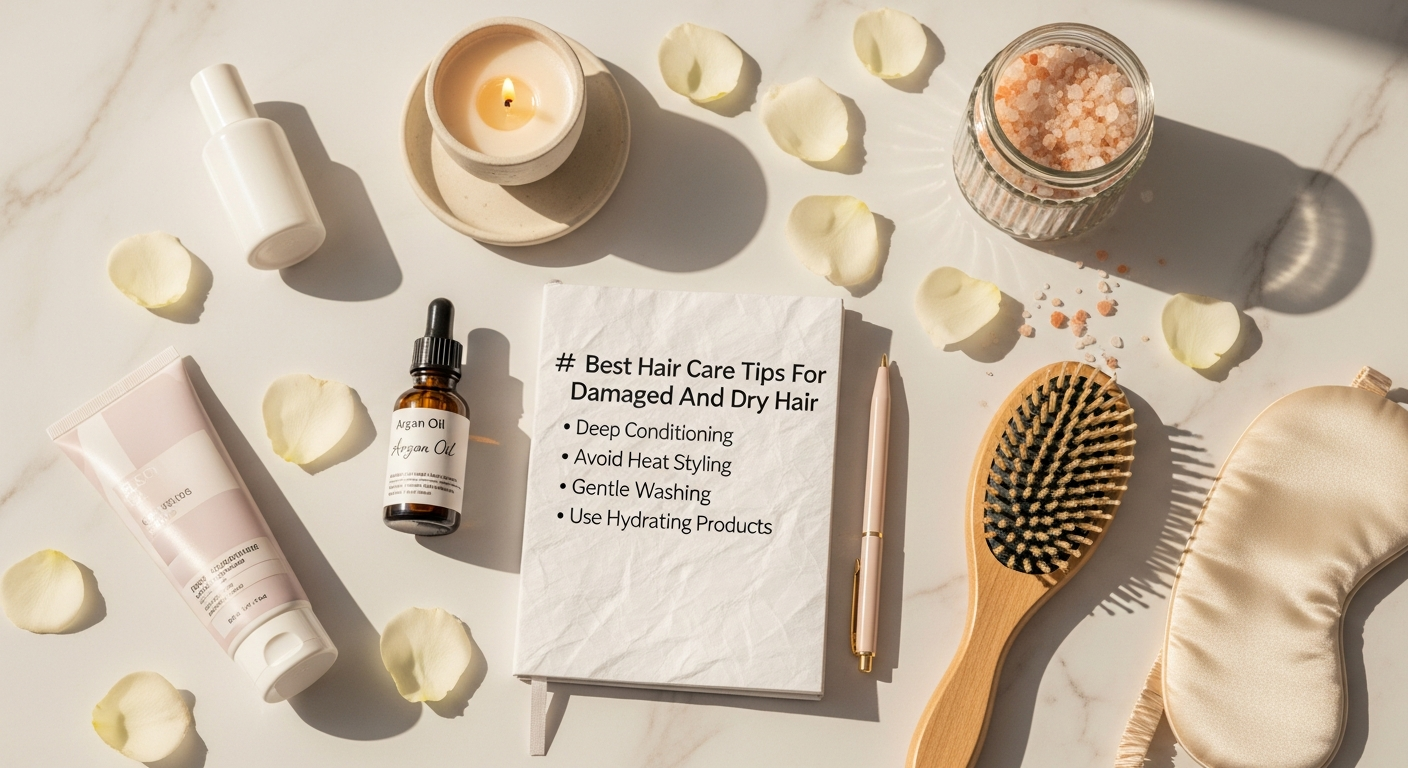
Just as a sturdy building requires a strong foundation, healthy hair begins with the right approach to cleansing and conditioning. For damaged and dry hair, this foundational step is absolutely critical, acting as the primary line of defense and the first opportunity for repair. Forget harsh, stripping formulas; your goal here is to cleanse effectively without exacerbating dryness, and to infuse moisture back into every strand. This principle mirrors the philosophy behind choosing the Best Skincare Routine for Acne-Prone Skin, where gentle, non-irritating products are paramount to avoid further distress.
The first crucial step is selecting the right shampoo. For damaged and dry hair, sulfate-free shampoos are non-negotiable. Sulfates, common foaming agents, are excellent at removing dirt and oil, but they are often too aggressive for compromised hair, stripping away essential natural oils and leaving hair even drier and more vulnerable. Instead, opt for shampoos specifically formulated for “hydrating,” “moisture,” “repair,” or “damaged hair.” Look for ingredients like hyaluronic acid, glycerin, natural oils (argan, coconut, jojoba), and hydrolyzed proteins which help to gently cleanse while simultaneously infusing moisture and strengthening the hair shaft. When washing, use lukewarm water, as hot water can further strip natural oils. Apply shampoo primarily to the scalp, gently massaging to lift dirt and product buildup, and allow the lather to rinse through the lengths without vigorously scrubbing the ends, which are often the most fragile.
Following a gentle cleanse, conditioning is paramount. A good conditioner is like a protective balm for your hair, sealing the cuticle, detangling, and replenishing lost moisture. For dry and damaged hair, you need a conditioner that is rich, emollient, and deeply hydrating. Look for ingredients such as shea butter, argan oil, ceramides, and various forms of protein (like keratin or wheat protein) to help rebuild and protect. Apply conditioner from the mid-lengths to the ends, focusing on the areas that need the most attention. Allow it to sit for at least 2-3 minutes to allow the ingredients to penetrate before rinsing thoroughly with cool water. Cool water helps to seal the cuticle, locking in moisture and enhancing shine. The frequency of washing also matters; for very dry hair, washing every 2-3 days, or even less frequently if your scalp allows, can prevent further dehydration.
Beyond daily conditioning, deep conditioning treatments and hair masks are your secret weapons in the fight against dryness and damage. These are more concentrated formulas designed to deliver an intense dose of hydration, protein, and nutrients. Incorporate a deep conditioning treatment into your routine once or twice a week, depending on the severity of the damage. Apply it to clean, towel-dried hair, ensuring even distribution, and leave it on for the recommended time (usually 10-30 minutes, sometimes longer with heat assistance, like a warm towel). The consistent use of these masks can dramatically improve hair elasticity, reduce breakage, and restore a healthy sheen. Think of these treatments as a vital part of your hair’s self-care routine, a dedicated time for intensive nourishment and repair, much like setting aside time for mindful practices in your broader How To Create Self Care Routine. This consistent, gentle, and deeply nourishing approach to cleansing and conditioning forms the bedrock upon which all other repair efforts will build, paving the way for truly resilient and beautiful hair.
Nourishing from Within and Without: Essential Treatments and Lifestyle Changes
Topically, hair oils and leave-in conditioners are indispensable tools in your arsenal. Natural oils like argan, coconut, jojoba, and almond oil are packed with fatty acids and vitamins that can penetrate the hair shaft, providing deep moisture, reducing frizz, and adding a protective layer. Argan oil, often called “liquid gold,” is excellent for daily use on damp or dry hair to add shine and control. Coconut oil, a heavier oil, can be used as a pre-shampoo treatment or an overnight mask for intensive repair. Jojoba oil closely mimics the scalp’s natural sebum, making it ideal for balancing scalp health while nourishing strands. Leave-in conditioners, on the other hand, offer continuous hydration and protection throughout the day. Applied after washing and before styling, they detangle, provide a base layer of moisture, and often contain ingredients that shield against environmental aggressors and heat. The choice between an oil and a leave-in, or using both, depends on your hair type and level of dryness; finer hair might prefer lighter leave-ins, while thicker, coarser hair can benefit from the richness of oils.
The adage “you are what you eat” holds immense truth for hair health. Diet and hydration are fundamental, often overlooked, components of a comprehensive hair care strategy. Hair is primarily protein, so ensuring adequate protein intake through lean meats, fish, eggs, legumes, and nuts is crucial for strong strands. Essential fatty acids, particularly omega-3s found in salmon, flaxseeds, and walnuts, are vital for scalp health and hair luster. Vitamins such as Biotin (B7) for hair growth, Vitamin C for collagen production, Vitamin E for antioxidant protection, and Vitamin A for sebum production all play critical roles. Don’t forget minerals like zinc and iron, which are essential for preventing hair loss and promoting healthy growth. Beyond nutrients, simply drinking enough water throughout the day is paramount. Hydrated bodies produce hydrated hair; dehydration will inevitably manifest as dry, brittle strands. Prioritizing a nutrient-rich diet and consistent hydration is a foundational step, much like understanding the connection between diet and skin clarity when building the Best Skincare Routine for Acne-Prone Skin.
Furthermore, stress management and protective measures are crucial. Chronic stress can impact the hair growth cycle, leading to thinning and dullness. Integrating stress-reducing practices, whether it’s meditation, exercise, or dedicating time to hobbies, directly benefits your hair. This holistic approach is why we often discuss themes like How To Cope With Anxiety At Work; a calm mind contributes to a healthy body, and a healthy body supports healthy hair. When it comes to external protection, consider adopting protective hairstyles that minimize manipulation and exposure to the elements, such as braids, buns, or twists. Sleeping on a silk or satin pillowcase is another game-changer. Unlike cotton, these smoother fabrics reduce friction on your hair as you toss and turn, preventing tangles, breakage, and moisture loss, allowing your hair to retain its natural oils and treatments. Even simple acts like gently towel-drying your hair with a microfiber towel instead of aggressively rubbing with a coarse cotton one can make a significant difference. By nourishing your hair from the inside out and shielding it from external stressors, you create an environment where healing and growth can truly thrive, ensuring your hair remains vibrant and resilient well into 2026.
Heat Protection: Your Hair’s Best Friend
In our pursuit of perfectly styled hair, it’s easy to fall prey to the allure of heat styling tools. Flat irons promise sleekness, curling wands create bouncy waves, and blow dryers deliver volume and speed. However, for damaged and dry hair, these tools, while tempting, can be the ultimate saboteurs, rapidly undoing all your hard work in repair. Think of heat protection not just as a recommendation, but as an indispensable shield – your hair’s absolute best friend in navigating the world of styling. Much like you wouldn’t expose your skin to harsh sun without SPF, you shouldn’t expose your hair to high heat without a protective barrier.
The first and most impactful step is to minimize heat styling whenever possible. This might sound obvious, but it requires a conscious shift in routine. Explore heatless styling options: embrace your natural texture, try overnight braids or rollers for waves, or experiment with air-drying techniques. The less you subject your hair to extreme temperatures, the more opportunity it has to heal and retain its natural moisture. If you absolutely must use heat, consider cutting down on frequency. Perhaps reserve heat styling for special occasions or alternate between heat and no-heat days. This mindful reduction is a crucial component of any effective self-care routine for your hair, allowing it periods of rest and recovery.
When heat styling is unavoidable, using heat protectants correctly is paramount. A good heat protectant forms a barrier between your hair and the heat source, reducing direct thermal damage. These products often contain silicones, polymers, and conditioning agents that coat the hair shaft, distribute heat more evenly, and slow down heat transfer. Look for protectants that also offer additional benefits like hydration or frizz control. Apply heat protectant generously to damp hair before blow-drying, and then again to dry hair before using flat irons or curling wands. Ensure even distribution from roots to ends – every strand needs protection. Skipping this step is akin to forgetting your umbrella in a downpour; you’re leaving your hair completely exposed to potential harm.
Beyond the product itself, managing the heat settings on your tools is critical. Most heat styling tools offer adjustable temperature settings, yet many of us default to the highest setting, believing it yields better or faster results. For damaged and dry hair, this is a dangerous practice. High heat evaporates moisture too quickly, causing the hair to become brittle and prone to breakage. Always opt for the lowest effective temperature. If your hair is fine or moderately damaged, a lower setting (e.g., 250-300°F or 120-150°C) is usually sufficient. Thicker, coarser hair may require slightly higher temperatures, but rarely should you need to exceed 375°F (190°C), especially if your hair is already compromised. Test a small section of hair first to find the lowest setting that achieves your desired style without causing undue stress. Remember, slow and steady styling with lower heat is far kinder to your hair than quick passes with scorching temperatures.
Finally, perfecting your air drying technique can significantly reduce your reliance on blow dryers. After washing, gently squeeze excess water from your hair with a microfiber towel (which is gentler and more absorbent than cotton). Avoid rough rubbing, which can rough up the cuticle and cause frizz. Apply a leave-in conditioner or a light oil to damp hair, then allow it to air dry naturally. If you’re short on time, consider partial air-drying before finishing with a blow dryer on a cool or low-heat setting. When you do blow dry, always use a nozzle attachment to concentrate the airflow in one direction, pointing it downwards to smooth the cuticle. Avoid holding the dryer too close to your hair and keep it moving constantly to prevent heat concentration in one spot. By integrating these heat-conscious practices into your routine, you are actively preserving your hair’s integrity, allowing it to regain its strength and moisture, and ensuring its health and vibrancy will be evident throughout 2026 and beyond.
The Power of Professional Care and Regular Trims
While a diligent at-home routine is the cornerstone of healthy hair, there are times when the expertise and specialized treatments of a professional stylist or trichologist become invaluable. Just as you might seek professional guidance for building a comprehensive How To Create Self Care Routine or navigating complex personal issues, knowing when to consult a hair professional can be a game-changer for severely damaged or persistently dry hair. Their trained eye and access to advanced solutions can provide a level of intervention that at-home products simply cannot match, offering a powerful boost to your hair’s recovery journey.
Knowing when to see a stylist or trichologist is crucial. If your hair breakage is extensive, your dryness is chronic despite consistent home care, or you’re experiencing unusual scalp issues, it’s time to seek professional help. A skilled hairstylist can accurately assess the extent of the damage, identify underlying issues you might be overlooking, and recommend salon-exclusive treatments tailored to your specific needs. These might include bond-repairing treatments (like Olaplex or K18), intensive protein treatments, or specialized moisturizing masks that contain higher concentrations of active ingredients than over-the-counter products. They can also provide personalized advice on product selection and styling techniques best suited for your hair type and condition. For persistent problems, especially those involving the scalp or significant hair loss, consulting a trichologist – a specialist in hair and scalp health – is highly recommended. They can diagnose conditions like severe dryness, excessive shedding, or scalp inflammation, and offer medical-grade solutions or refer you to a dermatologist.
One of the most immediate and effective interventions for damaged hair is the importance of regular trims. This might seem counterintuitive when you’re trying to grow your hair longer, but split ends are a clear sign of damage that cannot be truly repaired, only temporarily masked. Once the hair shaft splits, the damage will continue to travel upwards, further compromising the integrity of your hair and leading to more breakage. Regular trims, ideally every 8-12 weeks, remove these damaged ends, preventing the split from progressing. This not only makes your hair look healthier and thicker by eliminating the wispy, tapered ends, but it also allows the healthy hair to grow without being weighed down or further damaged by compromised sections. Think of it as pruning a plant; removing the unhealthy parts allows the rest to flourish. A good stylist can perform a “dusting,” where only the very ends are trimmed, preserving length while removing the damage. This seemingly small act can make a monumental difference in the overall health and appearance of your hair, contributing significantly to its strength and vitality.
Beyond basic trims, many salons offer professional treatments that target specific types of damage. Keratin treatments, for instance, can help smooth the hair cuticle, reduce frizz, and add a layer of protein, making hair appear healthier and more manageable, though it’s important to discuss the ingredients with your stylist, especially if your hair is severely compromised. Bond-repairing treatments are revolutionary for hair that has been extensively damaged by chemical processes (like bleaching). These treatments work by rebuilding the disulfide bonds within the hair structure, which are broken during chemical services, effectively mending the hair from the inside out. They can significantly improve elasticity, strength, and overall resilience. Your stylist can help you determine if such treatments are appropriate for your hair’s condition and integrate them into a comprehensive repair strategy. Investing in professional care is not a luxury; it’s a strategic investment in the long-term health and beauty of your hair, providing the specialized attention and solutions needed to tackle even the most stubborn damage and dryness, ensuring your hair looks its best in 2026 and beyond.
Building a Sustainable Hair Care Routine (The Self-Care Connection)
Transforming damaged and dry hair is not a one-time fix; it’s an ongoing commitment, a journey that demands patience, consistency, and a deeply personalized approach. This process mirrors the dedication required to establish any meaningful self-care practice, whether it’s learning How To Cope With Anxiety At Work or following a Best Skincare Routine for Acne-Prone Skin. The goal is to integrate these hair care tips into a sustainable routine that nourishes your hair without becoming an overwhelming chore. By viewing your hair care as an extension of your overall well-being, you can cultivate practices that are both effective and enjoyable, enhancing your daily self-care ritual.
The first step in building a sustainable routine is to assess and personalize. Every head of hair is unique, with varying porosities, textures, and levels of damage. What works wonders for one person might not be ideal for another. Take stock of your hair’s current condition, its specific needs (e.g., extreme dryness, brittleness, frizz, lack of shine), and your lifestyle. Are you prone to heat styling? Do you color your hair? How much time are you realistically willing to dedicate to your hair daily and weekly? Answering these questions will help you select the most relevant tips from this guide and tailor them to create a routine that truly fits you. Start with the foundational steps – gentle cleansing, deep conditioning, and heat protection – and gradually introduce other treatments as needed. Remember, consistency is key; even the most potent products won’t work if used sporadically.
Consistency and patience are your greatest allies on this journey. Hair grows slowly, and repair takes time. You won’t see a complete transformation overnight, but with diligent care, you will notice gradual improvements in texture, shine, and manageability. Commit to your chosen routine for at least 4-6 weeks before evaluating its effectiveness. If you’re not seeing the desired results, don’t be afraid to adjust. Perhaps you need a different type of deep conditioner, or maybe you should increase the frequency of your oil treatments. Documenting your progress – perhaps with photos or journal entries – can be incredibly motivating, allowing you to visually track the positive changes in your hair over time. This mindful observation is a powerful self-care practice in itself, helping you stay connected to your body and its needs.
Integrating these hair care practices into your broader self-care framework makes them more sustainable. Think about How To Create Self Care Routine – it often involves setting aside dedicated time, creating a calming atmosphere, and being present in the moment. Apply these same principles to your hair care. Turn your weekly hair mask into a relaxing ritual: light a candle, play some soothing music, and use the time to de-stress. Consider your hair care products as tools for wellness, not just cosmetics. By infusing these moments with intention, your hair care stops being a chore and becomes an enjoyable part of your overall self-nurturing process. For instance, while applying a leave-in conditioner, take a moment to gently massage your scalp, promoting blood circulation and relaxation – a small act that benefits both your hair and your mind.
Finally, consider the long-term maintenance for 2026 and beyond. Once your hair has regained its health, the work isn’t over. Maintaining vibrant, strong hair requires ongoing vigilance against damage and dryness. Continue with gentle cleansing, regular deep conditioning, mindful heat styling, and a nutrient-rich diet. Be proactive with protective measures like silk pillowcases and hats in the sun. Stay informed about new product innovations and hair science, but always prioritize what feels right for your unique hair. By embracing this sustained, holistic approach to hair care, you’re not just fixing a problem; you’re investing in your hair’s enduring health and beauty, ensuring it remains a crowning glory that truly reflects your commitment to self-care and well-being for years to come.
Frequently Asked Questions
Recommended Resources
For more on best hair care, see Healthy Habits For Women Over 30 on Rock Salt Plum.
Related reading: How To Style A Classic White Button Down Shirt Outfits (The Contextual Life).