
The Foundation: Understanding Your Style and Needs
Before you even think about stepping into a store or browsing online, the most crucial step in budget-friendly fashion is understanding yourself. This deep dive into your personal style, lifestyle, and existing wardrobe will prevent impulsive buys and ensure every purchase is a valuable addition. Think of it as creating a blueprint before you start building. Without this foundational work, even the best deals can lead to a closet full of clothes you don’t wear, defeating the purpose of budget shopping.
Self-Reflection: What’s Your True Style?
Many people fall into the trap of buying clothes based on fleeting trends or what looks good on someone else. To truly shop smart, you need to define your authentic style. Start by creating a mood board – whether physical or digital (Pinterest is excellent for this). Pin outfits, colors, textures, and silhouettes that genuinely appeal to you. Don’t just focus on clothes; include elements from interiors, art, or nature that resonate. Look for recurring themes: Do you gravitate towards minimalist lines, bohemian prints, classic tailoring, or vibrant streetwear? Identifying your core aesthetic will be your compass.
- Consider your personality: Are you bold and adventurous, or do you prefer understated elegance?
- Identify your comfort level: What fabrics and fits make you feel most at ease and confident?
- Pinpoint your favorite colors: Which hues make your skin glow and lift your spirits?
Understanding your style isn’t just about what you like, but also what suits you. Pay attention to how different colors and shapes interact with your skin tone, hair color, and overall physique. This isn’t about conforming to rigid rules, but about making informed choices that enhance your natural beauty. Knowing your best colors can instantly elevate an outfit, making even budget pieces look more luxurious.
Body Shape and Fit: Your Best Assets
One of the biggest secrets to looking great, regardless of price, is wearing clothes that fit well and flatter your body shape. You don’t need to be a supermodel; you just need to understand your proportions. There are general categories like apple, pear, hourglass, rectangle, and inverted triangle, but the key is to observe your own body. Which areas do you want to highlight? Which do you prefer to downplay?
- Measure yourself: Knowing your bust, waist, and hip measurements is invaluable, especially for online shopping.
- Understand tailoring: A well-fitting garment can look far more expensive than a designer piece that’s ill-fitting. Budget for minor alterations if necessary – a perfectly tailored pair of trousers or a dress can transform your look for minimal cost.
- Embrace your unique features: Every body is beautiful. Focus on what makes you feel good and confident.
A great fit instantly elevates your appearance. A pair of perfectly hemmed pants or a jacket that nips in at the waist can make all the difference. Don’t be afraid to try on different sizes and styles until you find what truly works for you. Remember, clothing sizes are just numbers; focus on how the garment feels and looks on your body.
Lifestyle Assessment: Dressing for Your Reality
Your wardrobe should serve your life, not the other way around. What does your typical week look like? Are you mostly working from home, commuting to an office, attending formal events, or spending time outdoors? Your clothing needs will vary greatly based on your daily activities. There’s no point in having a closet full of cocktail dresses if your social life revolves around casual gatherings and hiking trails.
- Workwear: Does your job require business formal, business casual, or smart casual attire?
- Leisure: What do you do for fun? Do you need activewear, comfortable loungewear, or specific hobby attire?
- Special occasions: How often do you need outfits for weddings, parties, or formal events?
By assessing your lifestyle, you can prioritize purchases. If you spend most of your time in casual settings, invest in high-quality basics like well-fitting jeans, versatile tops, and comfortable yet stylish shoes. If your job demands professional attire, focus on classic blazers, tailored trousers, and blouses that can be mixed and matched. This prevents buying items that will rarely see the light of day, saving you money and closet space.
Wardrobe Audit: What You Already Own
Before buying anything new, conduct a thorough audit of your current wardrobe. This is a critical step often overlooked. Take everything out of your closet and drawers. Create three piles:
- Keep: Items you love, wear regularly, and that fit well.
- Donate/Sell: Items that don’t fit, are damaged beyond repair, no longer suit your style, or haven’t been worn in over a year. Be ruthless!
- Maybe/Repair: Items that need minor repairs, alterations, or a good cleaning. Also, pieces you like but aren’t sure how to style.
This audit helps you identify gaps in your wardrobe and prevents duplicate purchases. You might discover you already own several black tops but are sorely lacking in versatile bottoms. It also helps you appreciate what you have and think creatively about new ways to style existing pieces. Once you’ve decluttered, you’ll have a clearer picture of what you truly need, making your shopping list precise and purposeful.
Smart Shopping Strategies: Where to Find the Best Deals
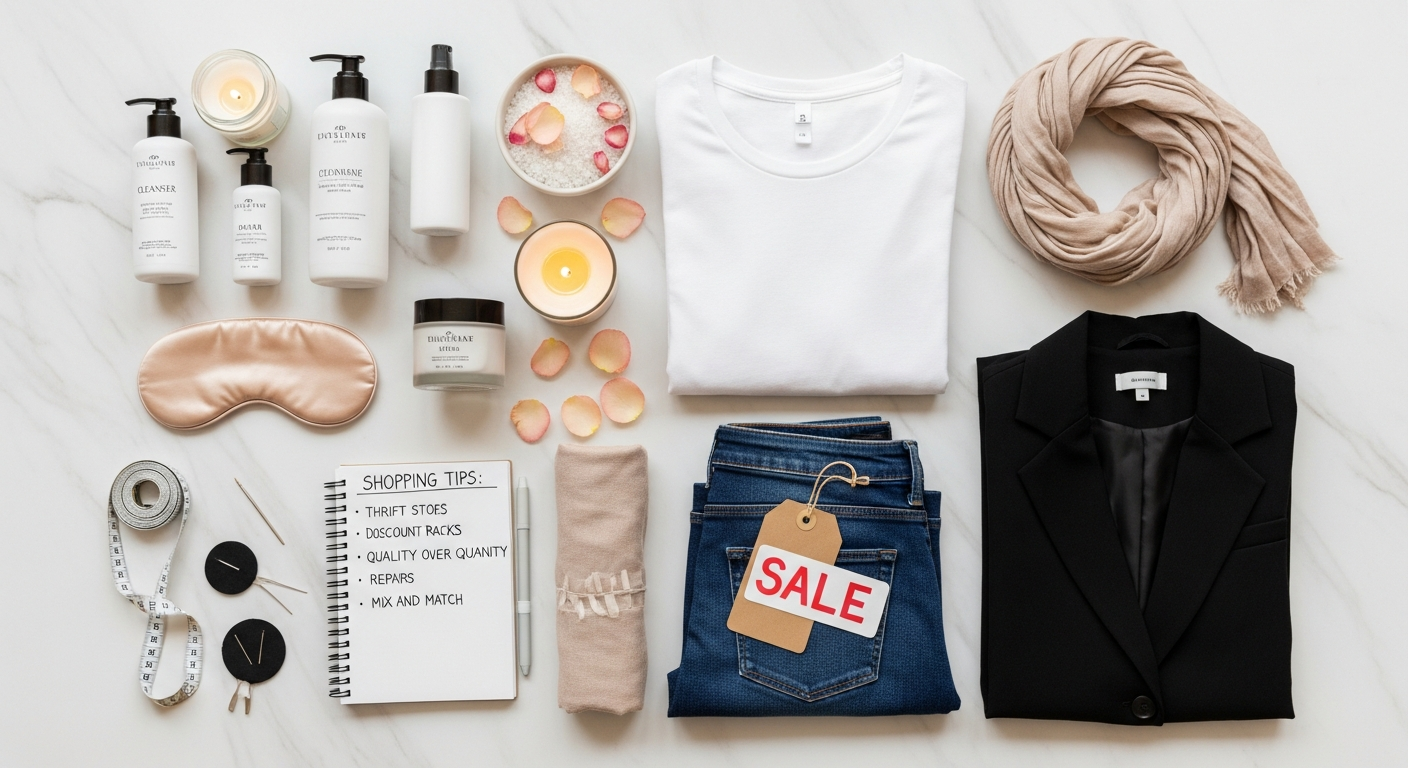
Once you know what you’re looking for, the next step is to master the art of finding those items without breaking the bank. Budget shopping isn’t about settling for less; it’s about smart hunting and strategic timing. The fashion industry offers numerous avenues for affordable finds, from pre-loved treasures to savvy sales.
Thrift Stores and Consignment Shops: Pre-Loved Treasures
Second-hand shopping is perhaps the most exciting and rewarding way to build a unique and affordable wardrobe. Thrift stores, charity shops, and consignment boutiques are goldmines for high-quality, often designer, pieces at a fraction of their original cost. The thrill of the hunt is part of the appeal, and you can uncover truly one-of-a-kind items that nobody else will have.
- Be patient: Thrifting requires time and a keen eye. Don’t expect to find everything on your first visit.
- Inspect carefully: Check for stains, tears, broken zippers, and missing buttons. Small imperfections can often be fixed, but major damage might not be worth it.
- Think outside the box: A men’s blazer can be tailored for a chic oversized look, or a large dress can be refashioned into a skirt.
- Visit regularly: Stock changes constantly, so frequent visits increase your chances of finding gems.
Consignment shops often have a more curated selection than general thrift stores, focusing on higher-end brands and well-maintained items. While prices might be slightly higher, the quality is often guaranteed, and you can find incredible deals on designer pieces. Many consignment stores also offer online shopping, expanding your reach beyond local options.
Outlet Malls and Factory Stores: Brand Names for Less
Outlet malls can be a fantastic source for brand-name clothing at reduced prices. These stores often carry past-season items, merchandise specifically made for outlets (which can sometimes be of slightly lower quality, so inspect carefully), or items with minor imperfections. It’s crucial to know the difference and shop wisely.
- Know your brands: Research which brands offer genuine savings at their outlets versus those that primarily sell made-for-outlet lines.
- Shop during sales: Even outlet stores have sales and clearance racks, offering additional discounts on already reduced prices.
- Focus on classics: Outlets are great for finding timeless pieces like denim, basics, and outerwear from your favorite brands.
While the allure of a designer label at a discount is strong, always prioritize quality and fit over the brand name itself. An item that doesn’t fit or isn’t well-made is a waste of money, regardless of how cheap it was.
Sales and Clearance Racks: Timing is Everything
Seasonal sales are a budget shopper’s best friend. End-of-season clearances, Black Friday, Cyber Monday, and post-holiday sales offer significant markdowns. Planning ahead and knowing when these sales typically occur can help you snag desired items at a fraction of their original cost.
- Shop off-season: Buy winter coats in spring and swimsuits in fall for the best deals.
- Sign up for newsletters: Many retailers announce sales to their subscribers first, sometimes even offering exclusive discounts.
- Check clearance racks first: These sections are often overlooked but can hold incredible finds, especially if you’re willing to dig a little.
- Use price tracking apps: Some apps can notify you when an item you’re watching goes on sale.
Remember to stick to your shopping list even during sales. A discount isn’t a good deal if you don’t need or won’t wear the item. Impulse purchases on sale items can quickly derail your budget and fill your closet with clutter.
Online Marketplaces and Rental Services: Modern Solutions
The digital age has opened up new avenues for budget-friendly fashion. Websites like eBay, Poshmark, Depop, and ThredUp allow you to buy and sell pre-owned clothing, often from individuals who are simply decluttering their closets. You can find everything from fast fashion to luxury brands, often in excellent condition.
- Read descriptions carefully: Pay attention to measurements, condition reports, and seller reviews.
- Ask questions: Don’t hesitate to ask sellers for more photos or details about an item.
- Factor in shipping: Always include shipping costs when calculating the total price.
For special occasions or high-end items you only need once or twice, consider clothing rental services. Companies like Rent the Runway allow you to rent designer dresses, accessories, and even everyday wear for a fraction of the retail price. This is an excellent way to wear something luxurious without the commitment or expense of ownership, perfect for that upcoming wedding or formal event.
The Art of Selection: Quality Over Quantity
Fabric Types and Construction: The Marks of Quality
The material and how a garment is constructed are the primary indicators of its quality and longevity. Learning to identify good fabrics and construction techniques will help you distinguish a truly valuable piece from one that will fall apart after a few washes.
- Natural fibers: Cotton, linen, wool, silk, and cashmere generally look and feel more luxurious, breathe better, and last longer than synthetic alternatives. While synthetics have their place (e.g., activewear), prioritize natural fibers for everyday wear.
- Examine seams: Look for straight, even stitching. French seams or flat-felled seams (often found on jeans) indicate higher quality. Avoid loose threads or puckering.
- Check buttons and zippers: Buttons should be securely sewn on, preferably with shanks for durability. Zippers should be sturdy and glide smoothly without snagging. YKK zippers are a good sign of quality.
- Lining: A fully lined garment, especially a jacket or dress, often indicates better quality and drapes more smoothly.
By paying attention to these details, you can spot well-made items even in a thrift store or on a sale rack. A high-quality basic t-shirt made of thick cotton will look more polished and last longer than a flimsy, poorly constructed one, even if both cost the same on sale.
Versatility and Timeless Pieces: Building a Core Wardrobe
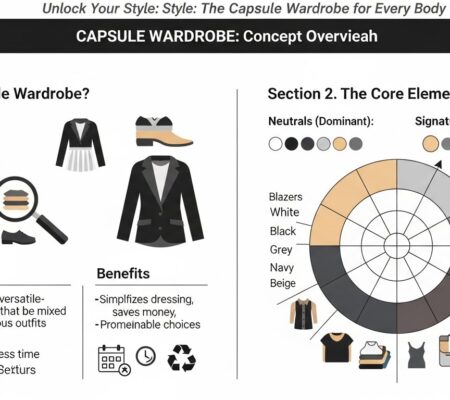
The secret to a budget-friendly wardrobe that always looks great is versatility. Focus on acquiring pieces that can be mixed and matched in multiple ways to create different outfits. These are often classic, timeless items that transcend fleeting trends.
- Neutral colors: Black, white, grey, navy, and beige form the backbone of a versatile wardrobe. They can be easily paired with each other and with pops of color.
- Classic silhouettes: A well-fitting pair of straight-leg jeans, a classic white button-down shirt, a tailored blazer, a simple shift dress, and a trench coat are examples of timeless pieces that will serve you for years.
- Layering potential: Choose items that can be layered up or down, making them suitable for different seasons and occasions.
A capsule wardrobe approach, where you build a small collection of highly versatile items, is excellent for budget shopping. Each piece earns its place by being able to create multiple outfits. This reduces decision fatigue, saves money, and ensures you always have something stylish to wear.
Avoiding Impulse Buys: The 30-Second Rule
Impulse buys are the enemy of a budget-friendly, well-curated wardrobe. That brightly colored top that’s “only $10” might seem like a steal, but if it doesn’t fit your style, lifestyle, or existing wardrobe, it’s a wasted $10. Before purchasing anything, especially on sale, ask yourself these questions:
- Do I absolutely love it?
- Does it fit perfectly or can it be easily altered?
- Does it go with at least three other items I already own?
- Is it a quality piece that will last?
- Do I genuinely need it, or is it just a “want”?
If you can’t answer “yes” to most of these questions, put it back. Implement a “24-hour rule” for bigger purchases: if you still want it the next day, then consider buying it. For smaller items, even a “30-second rule” where you quickly run through these questions can prevent many regretful purchases. This disciplined approach ensures every item you bring into your closet is a considered, valuable addition.
Maximizing Your Wardrobe: Styling and Maintenance
Having a closet full of well-chosen, budget-friendly pieces is only half the battle. To truly look great, you need to know how to style them effectively and care for them properly. This section focuses on making the most of what you have, extending the life of your garments, and adding personal flair without spending more.
Mixing and Matching: The Art of Outfit Creation
The true power of a versatile wardrobe lies in its ability to be mixed and matched endlessly. Think of your clothing as building blocks. A single blazer can go over a dress, with jeans and a t-shirt, or paired with tailored trousers. A simple black skirt can be dressed up with a silk blouse or down with a chunky knit sweater.
- Experiment: Dedicate time to trying on different combinations in front of a mirror. You might discover unexpected pairings.
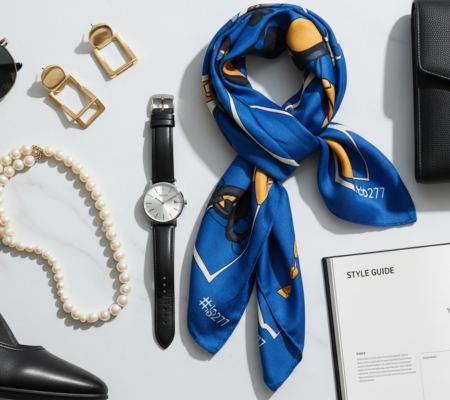
- Use accessories: Scarves, belts, jewelry, and shoes can completely transform an outfit. A simple outfit can look entirely different with a statement necklace or a vibrant scarf. These can often be found affordably at thrift stores or on sale.
- Layering: Layering adds depth and interest. A collared shirt under a sweater, a denim jacket over a dress, or a vest over a long-sleeve top can create new looks and adapt outfits for different temperatures.
- Seek inspiration: Follow style bloggers, look at fashion magazines, or browse Pinterest for ideas on how to style similar pieces to what you own.
By maximizing the potential of each item, you effectively multiply your wardrobe without buying anything new. This creative approach to dressing is not only budget-friendly but also fosters a deeper appreciation for your clothes.
Proper Care and Maintenance: Extending Garment Life
Even the most expensive clothes won’t look great if they’re poorly maintained. Proper care is essential for extending the life of your garments, keeping them looking new, and ultimately saving you money on replacements.
- Read care labels: Always follow washing, drying, and ironing instructions. Hand washing delicate items or dry cleaning when necessary can prevent damage.
- Wash less: Not every item needs to be washed after every wear. Airing out clothes can often suffice, especially for items like jeans or sweaters.
- Store properly: Fold sweaters to prevent stretching, hang delicate items on padded hangers, and store seasonal clothes in breathable bags.
- Mend minor damage: Learn basic sewing skills like sewing on a button or mending a small seam. These simple fixes can save a garment from being discarded.
- Shoe care: Polish shoes, replace worn heels, and use shoe trees to maintain their shape. Well-maintained shoes can elevate any outfit.
Investing a little time in garment care pays dividends in the long run. Your clothes will last longer, look better, and you’ll spend less money replacing items prematurely.
DIY Alterations and Customization: Personalizing Your Style
Don’t underestimate the power of a few simple alterations to transform an inexpensive garment into something that looks custom-made. Learning basic sewing skills can be incredibly empowering and budget-friendly.
- Hemming: Adjusting the length of trousers, skirts, or dresses to hit at the perfect spot makes a huge difference in how polished an outfit looks.
- Taking in seams: A slightly too-big top or dress can be taken in at the sides for a more flattering fit.
- Replacing buttons: Swapping out cheap plastic buttons for more luxurious-looking metal, wood, or shell buttons can instantly elevate a coat or blazer.
- Adding embellishments: A simple iron-on patch, some embroidery, or a new trim can personalize a plain item.
For more complex alterations, finding a local tailor is a worthwhile investment. The cost of altering a thrift store find to fit you perfectly is often far less than buying a new, perfectly fitting garment. This allows you to purchase items based on quality and potential, rather than just immediate fit.
Beyond the Clothes: The Holistic Approach to Looking Great
While this article focuses on how to shop for clothes on a budget and look great, true style extends far beyond the fabric you wear. Looking “great” is a holistic concept, encompassing your confidence, well-being, and overall presentation. A stunning outfit can only do so much if you don’t feel good in your own skin. This section explores how self-care, confidence, and personal grooming complement your budget-friendly wardrobe, ensuring you always present your best self.
Confidence is Your Best Accessory
No matter how expensive or perfectly styled your clothes are, nothing makes an outfit look better than genuine confidence. When you feel good about yourself, it shines through in your posture, your smile, and your interactions. This inner glow makes you appear more put-together, approachable, and stylish.
- Embrace who you are: Understand your strengths and accept your perceived flaws. Authenticity is incredibly attractive.
- Stand tall: Good posture instantly makes you look more confident and can even make your clothes drape better.
- Smile: A genuine smile is universally appealing and can make you seem more approachable and friendly.
- Focus on your strengths: Dress in a way that highlights what you love about yourself.
Cultivating confidence is an ongoing journey, but it’s one of the most powerful tools in your personal style arsenal. When you believe you look great, others will too.
The Power of Self-Care: Fueling Your Inner Glow
Looking great on the outside starts with feeling great on the inside. Prioritizing self-care is not a luxury; it’s a necessity for your overall well-being, which directly impacts how you present yourself. Just as you invest in your wardrobe, invest in yourself.
- Mindfulness and relaxation: Practices like meditation, deep breathing, or simply taking a few moments of quiet can reduce stress and promote a sense of calm. If you’re struggling to incorporate this, consider how to create a self care routine that fits your daily life.
- Adequate sleep: Rested individuals often have brighter eyes, clearer skin, and more energy, all of which contribute to looking and feeling great.
- Healthy eating and hydration: Nourishing your body with wholesome foods and plenty of water reflects in your skin, hair, and energy levels.
- Movement: Regular physical activity, whether it’s a brisk walk, yoga, or a gym session, boosts mood, improves circulation, and contributes to a healthy physique.
When you feel balanced and cared for, your natural radiance shines through, making any outfit, no matter its price, look even better. Self-care is the ultimate foundation for looking great, providing that inner sparkle that no garment can replicate.
Grooming and Hygiene: The Non-Negotiables
Even the most expensive clothes will look sloppy if your personal grooming is neglected. Good hygiene and neat grooming are fundamental to looking polished and put-together, regardless of your budget.
- Cleanliness: Freshly washed hair, clean nails, and good personal hygiene are non-negotiable.
- Hair care: A neat hairstyle, whether simple or elaborate, makes a huge difference. Even a budget haircut can look great with proper styling.
- Makeup (optional): If you wear makeup, aim for a natural, polished look that enhances your features rather than covering them up. There are many affordable makeup brands that perform just as well as high-end ones.
- Oral hygiene: A bright, healthy smile is a major asset.
These small, consistent efforts in personal grooming create a lasting impression of polish and attention to detail. They show that you care about yourself and how you present to the world, making you look effortlessly great.
Managing Stress and Anxiety: Your Inner Calm
Stress and anxiety can take a significant toll on your appearance, leading to dull skin, tired eyes, and a general sense of unease. Cultivating inner calm is paramount for looking and feeling your best.
- Stress reduction techniques: Incorporate mindfulness, meditation, or even just short breaks into your day to manage stress. For those dealing with workplace pressure, understanding how to cope with anxiety at work can significantly improve your overall demeanor and appearance.
- Setting boundaries: Learning to say no and protecting your time and energy prevents burnout.
- Seeking support: Don’t hesitate to talk to friends, family, or a professional if you’re struggling with anxiety.
When you’re calm and centered, your posture improves, your facial expressions soften, and you exude a sense of peace that is inherently attractive. A calm mind is a powerful tool for looking great.
Skin Health: Your Canvas
Clear, healthy skin provides the perfect canvas for any outfit. You don’t need an expensive routine; consistency and understanding your skin’s needs are key.
- Basic routine: Cleanse, moisturize, and use SPF daily. These three steps are fundamental for all skin types.
- Targeted treatments: If you have specific concerns, like acne, research effective and affordable ingredients. For instance, understanding the best skincare routine for acne prone skin involves ingredients like salicylic acid or benzoyl peroxide, which are widely available in budget-friendly formulations.
- Hydration: Drinking plenty of water and using a good moisturizer keeps your skin plump and radiant.
Investing in your skin health is one of the best ways to enhance your overall appearance. When your skin looks good, you feel more confident, and that confidence elevates any clothing choice.
Planning for 2026: Future-Proofing Your Budget Wardrobe
Building a stylish and affordable wardrobe isn’t a one-time event; it’s an ongoing process. To ensure your efforts continue to pay off in the years to come, particularly looking ahead to 2026 and beyond, it’s wise to adopt a forward-thinking approach. This involves strategic planning, sustainable choices, and a long-term perspective on your investments.
Seasonal Planning and Wish Lists
Instead of scrambling for new clothes at the start of each season, plan ahead. Create a seasonal wish list based on your wardrobe audit and lifestyle needs. This allows you to monitor sales, compare prices, and make thoughtful purchases rather than last-minute, potentially expensive, ones.
- Anticipate needs: Think about upcoming events, changes in weather, or new activities that might require specific clothing.
- Track desired items: Keep a running list of items you’d like to add. When they go on sale, you’ll be ready to pounce.
- Budget allocation: Allocate a small monthly budget for clothing, even if you don’t spend it every month. This allows you to save up for more significant purchases or take advantage of unexpected deals.
By planning for 2026’s fashion needs now, you can strategically acquire pieces throughout the year, spreading out your spending and making the most of sales cycles. This proactive approach prevents financial strain and ensures your wardrobe evolves gracefully.
Strategic Investment Pieces: When to Splurge (a Little)
While the focus is on budget shopping, there are certain items where a slightly higher investment can be incredibly worthwhile. These are often foundational pieces that get a lot of wear and significantly impact your overall look. Think of them as long-term investments for your 2026 style portfolio.
- Outerwear: A classic trench coat, a well-made winter coat, or a versatile blazer can last for years and elevate countless outfits.
- Quality shoes: Comfortable, stylish, and durable shoes are crucial. A good pair of leather boots, classic pumps, or versatile sneakers are worth the investment.
- A timeless handbag: A well-structured, classic handbag in a neutral color can pull an entire look together and withstand years of use.
- Tailored denim: A perfectly fitting pair of jeans in a classic wash is a wardrobe workhorse.
These “splurges” are strategic because their cost-per-wear will be very low over time. They form the backbone of your wardrobe, allowing you to pair them with more budget-friendly pieces without compromising on overall polish. For 2026, consider what core items you want to elevate through mindful investment.
Sustainable Choices: Good for Your Wallet and the Planet
Budget shopping often aligns naturally with sustainable fashion practices. Buying second-hand, choosing quality over quantity, and caring for your clothes all reduce your environmental footprint. As we look towards 2026, sustainable fashion is becoming increasingly important, and it’s a movement that also supports smart budgeting.
- Reduce, reuse, recycle: Prioritize buying less, repurposing what you have, and properly disposing of garments at the end of their life cycle.
- Support ethical brands: If you are buying new, research brands that prioritize ethical labor practices and sustainable materials, even if it means saving up a little longer.
- Repair and upcycle: Extend the life of your clothes through mending, altering, or creatively transforming them.
Making sustainable choices isn’t just about being eco-conscious; it’s about making thoughtful, long-lasting decisions that save you money in the long run by reducing the need for constant replacements. Your 2026 wardrobe can be both stylishly affordable and environmentally responsible.
Long-Term Savings and Enjoyment
The ultimate goal of shopping for clothes on a budget and looking great is not just to save money, but to cultivate a wardrobe that brings you joy and confidence every day. By adopting these strategies, you’re not just cutting costs; you’re building a sustainable, personal style that will serve you well for years to come.
- Reduced stress: A well-curated wardrobe means less stress about what to wear and less financial anxiety.
- Increased confidence: Knowing you look great without overspending boosts your self-esteem.
- Personal expression: Your style becomes a true reflection of you, rather than a slave to trends or budget constraints.
Embrace the journey of smart shopping and conscious styling. Your budget-friendly, fabulous wardrobe in 2026 will be a testament to your savvy choices and timeless style.
Frequently Asked Questions
Recommended Resources
Explore How To Improve Sleep Quality Naturally for additional insights.
Check out Tennis Bracelet History And How To Style It on Celebrity Exchange for a deeper dive.