

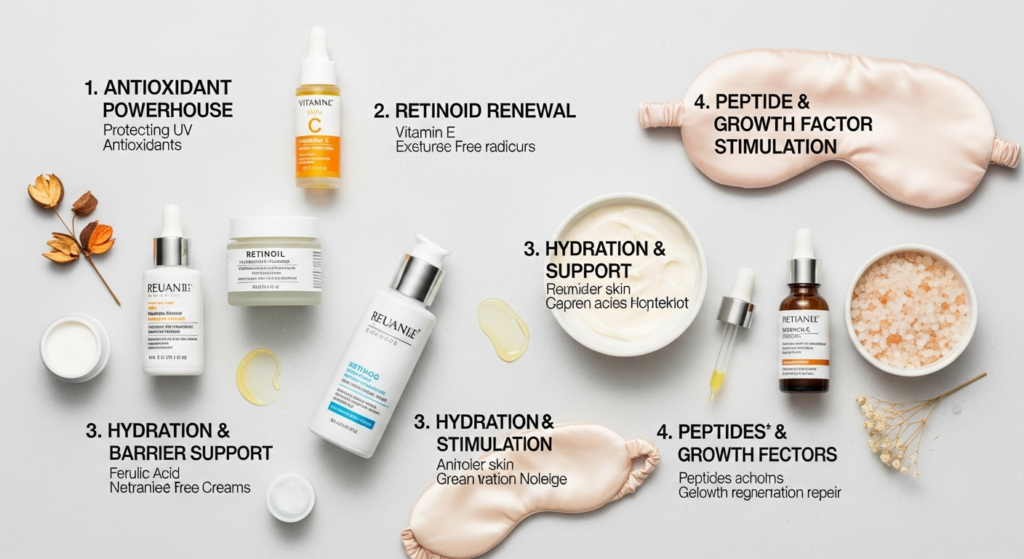
The Foundational Five: Non-Negotiable Anti-Aging Powerhouses
When it comes to building an effective anti-aging skincare regimen, some ingredients stand head and shoulders above the rest. These aren’t just trendy fads; they are backed by decades of scientific research and dermatologist recommendations. Consider them the cornerstones of your anti-aging strategy, indispensable for their proven ability to protect, repair, and rejuvenate your skin.
1. Retinoids: The Gold Standard for Cellular Renewal
If there’s one ingredient that consistently tops every dermatologist’s list for anti-aging, it’s
retinoids
. Derived from Vitamin A, retinoids work by accelerating cellular turnover, encouraging your skin to shed old, damaged cells and replace them with fresh, new ones. This process helps to diminish the appearance of fine lines and wrinkles, improve skin texture, reduce hyperpigmentation, and stimulate collagen production.
- Retinol: The most common over-the-counter retinoid. It’s effective but gentler than its prescription counterparts, making it a great starting point for many.
- Retinaldehyde (Retinal): A step up from retinol, retinaldehyde converts to retinoic acid more efficiently, offering faster results with potentially less irritation than prescription options.
- Tretinoin (Retinoic Acid): This is a prescription-strength retinoid, renowned for its potent effects on wrinkles, acne, and sun damage. It requires a doctor’s consultation and careful introduction due to its strength.
How to use: Start with a low concentration a few times a week and gradually increase frequency as your skin builds tolerance. Always apply at night and pair with a rich moisturizer. Sunscreen is absolutely non-negotiable when using retinoids, as they can increase sun sensitivity.
2. Vitamin C: The Brightening Antioxidant Powerhouse
Next on our list is
Vitamin C
(L-Ascorbic Acid), a potent antioxidant that offers a multitude of benefits for aging skin. It’s not just for fighting colds; it’s a vital nutrient for skin health, too.
- Antioxidant Protection: Vitamin C neutralizes free radicals caused by UV exposure and environmental pollutants, preventing oxidative damage to skin cells.
- Collagen Synthesis: It plays a crucial role in collagen production, helping to maintain skin’s firmness and elasticity and reduce the appearance of fine lines.
- Brightening & Even Tone: Vitamin C inhibits melanin production, which can help fade dark spots and hyperpigmentation, leading to a more radiant and even complexion.
How to use: Look for serums with stable forms of Vitamin C, often packaged in dark or opaque bottles to prevent oxidation. Apply in the morning after cleansing and before sunscreen to maximize its protective benefits.
3. SPF (Sun Protection Factor): Your Daily Shield Against Photoaging
While not an “ingredient” in the traditional sense,
SPF
is the single most critical anti-aging product you can use. Up to 80% of visible aging signs — wrinkles, dark spots, sagging skin — are attributed to sun exposure, a phenomenon known as photoaging. Consistent use of a broad-spectrum sunscreen is the ultimate preventative measure.
- Broad-Spectrum Protection: Ensures defense against both UVA rays (responsible for aging) and UVB rays (responsible for burning).
- Minimum SPF 30: Recommended daily for effective protection, even on cloudy days or indoors near windows.
- Physical vs. Chemical Filters: Choose between mineral sunscreens (zinc oxide, titanium dioxide) which sit on top of the skin and block rays, or chemical sunscreens which absorb UV radiation.
How to use: Apply generously as the last step in your morning skincare routine, before makeup. Reapply every two hours when outdoors or after sweating/swimming. This is truly the foundation of any effective anti-aging strategy, an essential component of your daily self-care ritual.
4. Hyaluronic Acid: The Ultimate Hydration Hero
Dry, dehydrated skin can make fine lines and wrinkles appear more pronounced. Enter
Hyaluronic Acid (HA)
, a powerful humectant naturally found in our skin. Its incredible ability to hold up to 1,000 times its weight in water makes it an unparalleled hydrator.
- Intense Hydration: HA draws moisture from the environment into the skin, plumping it up and making it feel soft and supple.
- Reduced Appearance of Lines: By deeply hydrating the skin, HA can temporarily smooth out fine lines and give the skin a more youthful, dewy appearance.
- Barrier Support: A well-hydrated skin barrier is a healthy skin barrier, better able to protect against environmental aggressors.
How to use: Apply HA serum to damp skin (after cleansing and toning) to help it draw in moisture. Follow with a moisturizer to seal in the hydration. It’s gentle enough for all skin types, even sensitive skin.
5. Peptides: The Skin’s Communicators
Peptides
are short chains of amino acids, the building blocks of proteins like collagen and elastin. As we age, our natural collagen production declines, leading to loss of firmness and elasticity. Peptides act as signaling molecules, communicating with skin cells to encourage them to produce more collagen and other vital proteins.
- Collagen-Boosting: Certain peptides, like Matrixyl (palmitoyl pentapeptide-4), signal the skin to produce more collagen, improving firmness and reducing wrinkles.
- Neurotransmitter-Inhibiting Peptides: Acetyl Hexapeptide-8 (Argireline) can temporarily relax facial muscles, mimicking the effects of Botox for fine lines caused by repetitive movements.
- Carrier Peptides: Deliver trace elements like copper to wounds, enhancing collagen production and antioxidant activity.
How to use: Peptides are often found in serums and moisturizers. They are generally well-tolerated and can be used both morning and night, complementing other active ingredients.
Antioxidant Arsenal: Protecting Your Skin from Within and Without
Beyond Vitamin C, a robust anti-aging strategy includes a diverse array of antioxidants. These ingredients are crucial for defending your skin against the relentless assault of free radicals, unstable molecules generated by UV radiation, pollution, stress, and even normal metabolic processes. Free radicals damage skin cells, accelerating the aging process, leading to wrinkles, dark spots, and loss of elasticity. Integrating a variety of antioxidants into your routine provides a comprehensive shield.
1. Vitamin E: Synergistic Skin Savior
Vitamin E
(Tocopherol) is a fat-soluble antioxidant that works synergistically with Vitamin C, enhancing its stability and efficacy. It’s particularly adept at protecting cell membranes from oxidative damage.
- Powerful Antioxidant: Neutralizes lipid peroxidation, a key process in free radical damage to skin.
- Moisturizing & Healing: Helps to strengthen the skin barrier, reduce inflammation, and support wound healing, making it beneficial for dry or compromised skin.
How to use: Often found in serums, oils, and moisturizers. Its lipid-soluble nature makes it excellent for nourishing dry skin. When combined with Vitamin C, it offers enhanced protection against environmental damage.
2. Niacinamide (Vitamin B3): The Multi-Tasking Marvel
Niacinamide
, a form of Vitamin B3, is celebrated for its versatility and suitability for almost all skin types, including sensitive and acne-prone skin. It’s a true multi-tasker in the anti-aging realm.
- Barrier Strengthening: Helps to improve the skin’s barrier function, reducing water loss and increasing resilience.
- Reduces Redness & Inflammation: Excellent for calming irritated skin and reducing the appearance of redness.
- Minimizes Pores & Regulates Oil: Can help to refine the appearance of pores and balance oil production, which can be beneficial for those also struggling with Best Skincare Routine Acne Prone Skin.
- Evens Skin Tone & Fine Lines: Contributes to a more even skin tone and can improve the look of fine lines and wrinkles by supporting collagen production.
How to use: Niacinamide is stable and plays well with most other ingredients. It can be found in serums, toners, and moisturizers and can be used both morning and night.
3. Ferulic Acid: The Antioxidant Amplifier
Ferulic Acid
is a plant-based antioxidant that is often paired with Vitamin C and E because it significantly enhances their stability and increases their photoprotective capabilities. It’s like the ultimate wingman for your other antioxidants.
- Boosts Efficacy: When combined with Vitamin C and E, ferulic acid has been shown to double their photoprotection against UV damage.
- Direct Antioxidant: Also provides its own direct antioxidant benefits, neutralizing free radicals.
How to use: Typically found in high-performance antioxidant serums, especially those containing Vitamin C and E. Apply in the morning before sunscreen.
4. Coenzyme Q10 (CoQ10): Cellular Energy and Defense
Coenzyme Q10 (CoQ10)
is a naturally occurring antioxidant found in our cells, essential for energy production and cellular function. Levels decline with age, making topical application beneficial.
- Cellular Energy: Supports the energy production within skin cells, crucial for repair and regeneration.
- Antioxidant Protection: Helps protect collagen and elastin from degradation caused by free radicals.
How to use: Often included in moisturizers, serums, and eye creams. It’s well-tolerated and can be used both day and night.
5. Green Tea Extract: The Soothing Power of Nature
Rich in polyphenols, particularly catechins like EGCG,
Green Tea Extract
is a powerful natural antioxidant with impressive anti-inflammatory properties.
- Anti-inflammatory: Calms skin, reduces redness, and soothes irritation.
- Antioxidant Defense: Protects against UV damage and environmental pollutants.
- Collagen Protection: Helps prevent the breakdown of collagen and elastin.
How to use: Found in a wide range of skincare products, from cleansers to serums and moisturizers. Its gentle nature makes it suitable for sensitive skin.
Boosting Collagen and Elasticity: The Building Blocks of Youthful Skin
1. Growth Factors: Signaling for Renewal
Growth Factors (GFs)
are naturally occurring proteins that play a critical role in cell growth, proliferation, and differentiation. In skincare, they act as messengers, signaling skin cells to repair damage and produce more collagen and elastin.
- Cellular Regeneration: Encourage the growth of new, healthy skin cells.
- Collagen & Elastin Boost: Stimulate the production of these essential proteins, leading to improved skin firmness and elasticity.
- Wound Healing: Known for their ability to accelerate skin repair.
How to use: Typically found in high-end serums. They are best applied to clean skin before other serums or moisturizers to allow for maximum penetration and signaling.
2. Bakuchiol: The Retinol Alternative
For those with sensitive skin, or who are pregnant or breastfeeding,
Bakuchiol
has emerged as a promising natural alternative to retinoids. Derived from the babchi plant, it offers similar anti-aging benefits without the typical irritation associated with retinol.
- Collagen Stimulation: Promotes collagen production, improving skin elasticity and reducing the appearance of wrinkles.
- Antioxidant & Anti-inflammatory: Provides antioxidant protection and helps soothe the skin.
- Gentle Nature: Well-tolerated by most skin types and does not increase sun sensitivity, making it suitable for daytime use.
How to use: Found in serums and oils, bakuchiol can be used morning and night. It’s an excellent choice for those seeking retinol-like results without the potential for dryness or irritation.
3. AHAs and BHAs: Gentle Exfoliation for Radiance
Alpha Hydroxy Acids (AHAs)
and
Beta Hydroxy Acids (BHAs)
are chemical exfoliants that work by dissolving the bonds between dead skin cells, revealing smoother, brighter, and more even-toned skin underneath. While primarily known for exfoliation, their consistent use contributes to anti-aging by promoting cell turnover and indirectly stimulating collagen.
- AHAs (Glycolic Acid, Lactic Acid): Water-soluble acids that work on the skin’s surface. Ideal for improving skin texture, fading hyperpigmentation, and boosting radiance. Lactic acid is particularly hydrating and gentler.
- BHAs (Salicylic Acid): Oil-soluble acids that can penetrate into pores, making them excellent for treating acne, blackheads, and oily skin, making them a key ingredient in the Best Skincare Routine Acne Prone Skin.
How to use: Start with lower concentrations a few times a week, typically in the evening. Always follow with SPF during the day, as acids can increase sun sensitivity. Over-exfoliation can compromise your skin barrier, so listen to your skin and don’t overuse.
The Art of Layering: Crafting Your Personalized Anti-Aging Routine
Knowing the best ingredients is only half the battle; understanding how to incorporate them into a cohesive, effective routine is where the magic truly happens. The order of application matters, ensuring each product can penetrate and perform optimally. Think of your skincare routine as a mindful self-care ritual, a moment to connect with your skin and nurture your well-being.
Morning Routine: Protection and Prevention
- Cleanse: Start with a gentle cleanser to remove impurities accumulated overnight.
- Treat (Antioxidant Serum): Apply your Vitamin C, ferulic acid, or green tea serum. This provides essential antioxidant protection against environmental aggressors throughout the day.
- Hydrate (Hyaluronic Acid): If using an HA serum, apply it to damp skin.
- Moisturize: A good moisturizer locks in hydration and supports your skin barrier.
- SPF: This is non-negotiable. Apply a broad-spectrum SPF 30+ as the final step.
Evening Routine: Repair and Renewal
- Double Cleanse: Especially if you wear makeup or SPF, a double cleanse (oil-based first, then water-based) ensures all impurities are removed.
- Treat (Retinoids/Peptides): This is when your heavy hitters come out. Apply your retinoid product (retinol, retinal, tretinoin). If using peptides, they can often be applied before or after your retinoid. For sensitive skin, you might apply moisturizer before or after your retinoid to buffer its effects.
- Hydrate (Hyaluronic Acid): If using an HA serum, apply to damp skin.
- Moisturize: A rich, restorative moisturizer helps to support skin repair and counteract any potential dryness from active ingredients.
- Optional: Face Oil: If your skin is particularly dry, a nourishing face oil can be the final step to seal in moisture.
Consistency is Key: The effectiveness of these ingredients hinges on consistent use. Building a How To Create Self Care Routine that includes your skincare makes it a sustainable practice, not just a chore. Remember, listening to your skin is paramount. Introduce new active ingredients one at a time, and patch test to avoid adverse reactions. Give products time to work – visible results often take weeks to months.
Beyond the Bottle: Lifestyle Factors for Ageless Beauty
While topical ingredients are incredibly powerful, true anti-aging is a holistic endeavor. What you put into your body, how you manage stress, and the quality of your sleep profoundly impact your skin’s health and appearance. Skincare is just one piece of the larger wellness puzzle.
1. Nutrition: Fueling Your Skin from Within
Your diet directly influences your skin’s vitality. Focus on a diet rich in:
- Antioxidants: Berries, leafy greens, colorful vegetables protect against oxidative stress.
- Healthy Fats: Avocados, nuts, seeds, and fatty fish (salmon) provide essential fatty acids that support skin barrier function and reduce inflammation.
- Lean Protein: Crucial for collagen and elastin production.
- Hydration: Drinking plenty of water helps maintain skin plumpness and elasticity.
2. Quality Sleep: Your Skin’s Repair Cycle
Sleep is when your body, including your skin, goes into repair mode. During deep sleep, blood flow to the skin increases, and cellular repair and regeneration accelerate. Chronic sleep deprivation can lead to dull skin, increased fine lines, and under-eye circles. Aim for 7-9 hours of quality sleep each night to allow your skin to rejuvenate effectively.
3. Stress Management: The Silent Agers
Chronic stress triggers a cascade of hormonal responses, including elevated cortisol levels. Cortisol can break down collagen and elastin, impede skin barrier function, and exacerbate inflammatory conditions like acne and eczema. Finding effective ways to manage stress is crucial for both your mental well-being and your skin’s health.
- Mindfulness & Meditation: Simple practices can significantly reduce stress.
- Exercise: Physical activity is a powerful stress reliever and boosts circulation, which benefits skin.
- Setting Boundaries: Learning to say no and prioritizing your well-being, especially when learning How To Cope With Anxiety At Work, directly impacts your stress levels.
4. Environmental Protection: Beyond SPF
While SPF is paramount, consider other environmental factors. Pollution, for instance, generates free radicals that damage skin. Antioxidant serums, thorough cleansing, and a strong skin barrier help mitigate these effects. Avoiding smoking is also critical, as it dramatically accelerates skin aging.
Tailoring Your Anti-Aging Approach: Special Considerations
No two skins are exactly alike. While the core anti-aging ingredients remain consistent, how you incorporate them and which ones you prioritize can vary based on your specific skin type and concerns.
1. For Sensitive Skin: Gentle Power
If your skin is prone to redness, irritation, or reactivity, introduce active ingredients slowly and opt for gentler formulations.
- Prioritize: Niacinamide, Hyaluronic Acid, Bakuchiol (as a retinol alternative), ceramides (for barrier repair), and mineral SPF.
- Introduce Slowly: Retinol should be started at the lowest concentration, once or twice a week, and buffered with a moisturizer.
- Avoid: High concentrations of AHAs, strong retinoids, and fragranced products initially. Patch testing is your best friend.
2. For Acne-Prone Skin: Dual-Action Solutions
Aging skin can still experience breakouts. The good news is that many anti-aging ingredients also benefit acne-prone skin. This is where creating a Best Skincare Routine Acne Prone Skin becomes a synergistic process.
- Prioritize: Retinoids (especially prescription tretinoin, which treats both acne and aging), Salicylic Acid (BHA), Niacinamide, Vitamin C.
- Look For: Non-comedogenic products that won’t clog pores.
- Caution: Be mindful of over-drying or irritating your skin by using too many potent actives at once. Balance is key.
3. For Mature Skin: Intense Support
As skin matures, it often becomes drier, thinner, and loses more collagen and elasticity. The focus shifts to intensive hydration, barrier repair, and robust collagen stimulation.
- Prioritize: Retinoids (consider stronger options if tolerated), Peptides, Growth Factors, Hyaluronic Acid, Ceramides, rich moisturizers, and nourishing face oils.
- Emphasize: Consistent SPF and a comprehensive antioxidant strategy to combat cumulative damage.
By understanding your unique skin needs and carefully selecting ingredients, you can build an anti-aging routine that is not only effective but also enjoyable and sustainable for the long term. Remember, the journey to healthy, resilient skin is ongoing, and the knowledge you gain today will empower you to make the best choices for your skin’s future.
As we look ahead to 2026 and beyond, the science of skincare continues to evolve, bringing forth even more sophisticated solutions. However, the core principles of protection, repair, and consistent care will always remain at the heart of an effective anti-aging strategy. By embracing these foundational ingredients and integrating a holistic approach to your well-being, you’re not just fighting the signs of aging; you’re investing in your skin’s health and vitality, allowing your natural radiance to shine through at every stage of life.
Frequently Asked Questions
Recommended Resources
Check out How To Reduce Anxiety Naturally on Rock Salt Plum for a deeper dive.
For more on what are the, see How To Stack Rings Like A Celebrity on Celebrity Exchange.