
Understanding Your Curls: The Foundation of Frizz-Free Styling
Before we can effectively combat frizz, we must first understand its origins and, more importantly, the unique characteristics of your own curly hair. Frizz is essentially a cry for help from your hair cuticle, which, when dry or damaged, lifts to absorb moisture from the air, causing that undesirable halo effect. Humidity is a common culprit, but the underlying issue often stems from a lack of moisture within the hair shaft itself.
Curl Patterns: A Spectrum of Beauty
Curly hair isn’t a monolith; it exists on a beautiful spectrum, typically categorized using a numerical and alphabetical system (e.g., 2A-4C). Understanding your curl pattern can help you select the right products and techniques, though it’s important to remember that most people have a mix of patterns on their head.
- Type 2 (Wavy): Ranges from loose, barely-there waves (2A) to S-shaped waves that hug the head (2C). Wavy hair tends to be finer and more prone to being weighed down.
- Type 3 (Curly): Features distinct S-shaped curls, ranging from loose spirals (3A) to tight, springy corkscrews (3C). This type often experiences more shrinkage and can be prone to dryness.
- Type 4 (Coily): Characterized by tight, often Z-shaped coils that are densely packed (4A-4C). Coily hair is the most fragile and prone to dryness, requiring significant moisture and gentle handling.
Hair Porosity: The Key to Moisture Retention
More crucial than curl pattern for frizz control is hair porosity. Porosity refers to your hair’s ability to absorb and retain moisture, determined by how open or closed your hair’s cuticle layer is.
-
Low Porosity: Cuticles are tightly closed, making it difficult for moisture to penetrate. Products tend to sit on the surface.
- Styling Tip: Use lightweight, water-based products. Apply products to damp, not soaking wet, hair to help with absorption. Gentle heat (like from a steamer or warm towel during deep conditioning) can help open cuticles.
-
Medium Porosity: Cuticles are slightly open, allowing for good moisture absorption and retention. This is often considered the “ideal” porosity.
- Styling Tip: Most products work well. Focus on maintaining balance with protein and moisture.
-
High Porosity: Cuticles are very open, often due to damage (heat, chemical treatments) or genetics. Hair absorbs moisture quickly but loses it just as fast.
- Styling Tip: Requires rich, heavy products to seal the cuticle and lock in moisture. Layering products is beneficial. Incorporate protein treatments to strengthen the hair shaft.
You can test your porosity by placing a clean strand of hair in a glass of water. If it floats, you likely have low porosity. If it sinks slowly, medium. If it sinks quickly, high. Knowing your porosity will guide your product choices and application methods, forming the bedrock of a successful frizz-free routine.
The Essential Frizz-Fighting Haircare Regimen
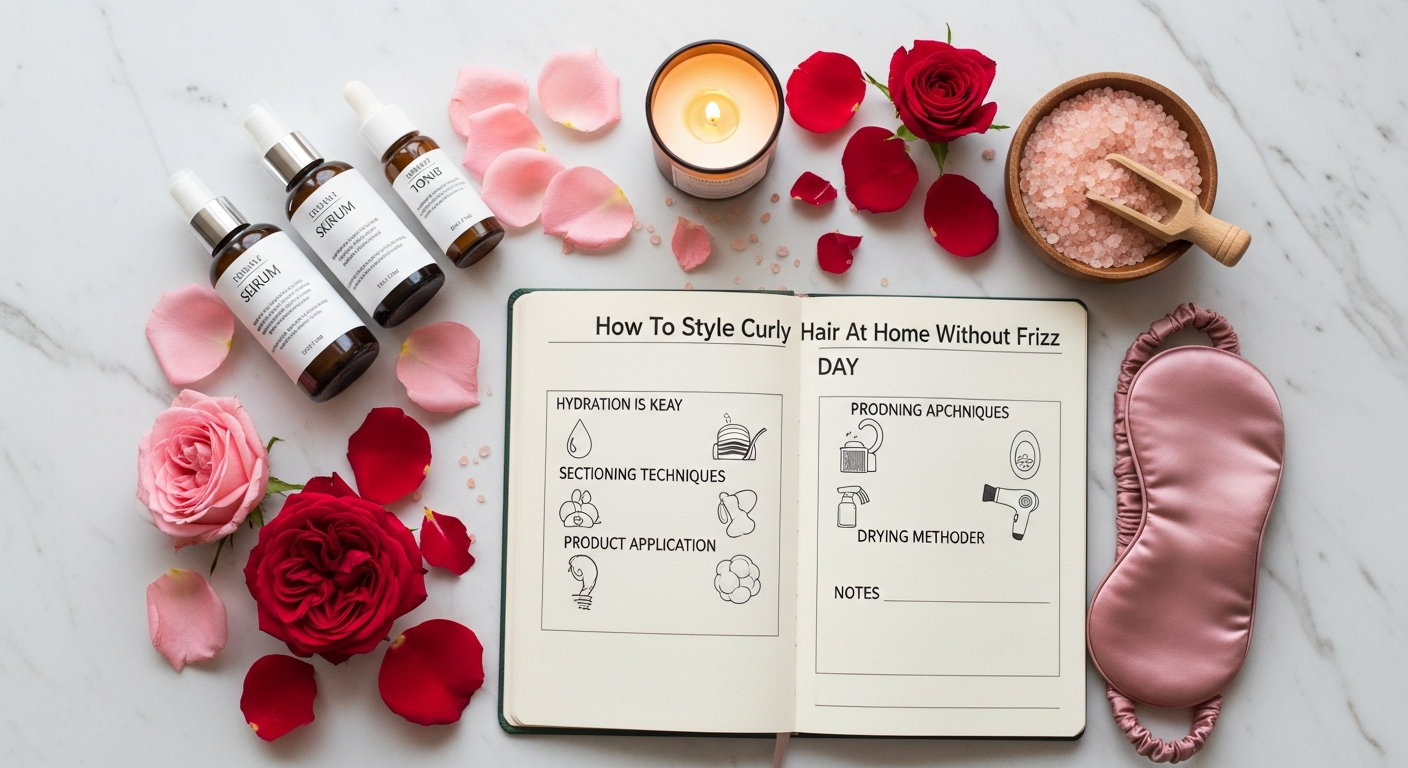
A solid haircare routine is non-negotiable for frizz-free curls. It’s about consistency and choosing products that genuinely support your hair’s health. Think of it as a dedicated self-care practice; just as you might commit to a daily meditation or mindful movement, committing to a consistent curly hair routine is an act of nurturing yourself.
Step 1: Gentle Cleansing
The way you wash your hair sets the stage for frizz or definition. Harsh shampoos strip natural oils, leaving hair parched and prone to frizz.
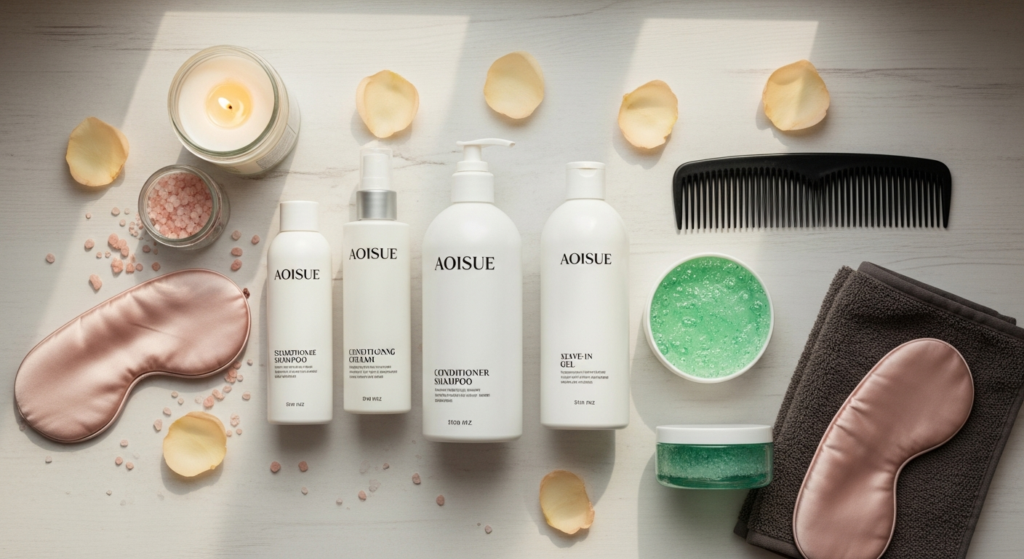
- Sulfate-Free Shampoos: Always opt for sulfate-free formulas. Sulfates are strong detergents that can strip your hair of its natural moisture, leaving it dry and frizzy. Look for gentle cleansers that remove build-up without dehydrating.
- Co-Washing (Conditioner Washing): For very dry or coily hair, co-washing can be a game-changer. This involves using a cleansing conditioner instead of shampoo, which gently cleanses while infusing moisture. Don’t forget to clarify periodically, even with co-washing, to prevent product build-up.
- Clarifying: Every 4-6 weeks, use a gentle clarifying shampoo to remove product build-up, hard water minerals, and environmental impurities that can weigh down curls and prevent moisture absorption. This is especially important if your curls start to lose their bounce or feel dull.
Step 2: Intense Conditioning and Detangling
Conditioning is where you pump moisture back into your curls, smoothing the cuticle and preparing it for styling.
- Rinse-Out Conditioners: Apply a generous amount to soaking wet hair after shampooing. Focus on mid-lengths and ends. Use your fingers or a wide-tooth comb to gently detangle, starting from the ends and working your way up. This must be done while the hair is saturated with conditioner to prevent breakage and frizz. Rinse mostly, but not completely, for added moisture.
- Deep Conditioning/Hair Masks: At least once a week, treat your curls to a deep conditioning treatment. These provide intensive moisture and repair. Apply to clean, damp hair, cover with a shower cap, and leave on for 20-30 minutes (or as directed). For an extra boost, apply gentle heat with a hooded dryer or warm towel to help ingredients penetrate deeper. This dedicated time for your hair is a direct extension of creating a self-care routine that nourishes you from head to toe.
- Leave-In Conditioners: A crucial step for frizz control, especially for medium to high porosity hair. Applied after rinsing your conditioner, a leave-in adds an extra layer of moisture and protection, creating a smoother base for styling products.
Step 3: Drying Techniques for Frizz Prevention
How you dry your hair is just as important as how you wash and condition it.
- Microfiber Towel or Cotton T-Shirt: Ditch the terry cloth towel! Its rough fibers can rough up the cuticle, leading to frizz. Gently scrunch excess water from your hair using a microfiber towel or an old cotton t-shirt. Blot, don’t rub.
-
Air Drying vs. Diffusing:
- Air Drying: The gentlest method. Apply your styling products to soaking wet hair, then let it air dry completely without touching it. Touching disturbs the curl clumps and encourages frizz. Patience is key here.
- Diffusing: If you need to speed up drying or want more volume, a diffuser is your best friend. Use a diffuser on a low heat and low speed setting. Hover the diffuser around your head initially to set the cast, then gently cup sections of hair in the diffuser bowl and push up towards your scalp. Avoid aggressive shaking or high heat, which can lead to frizz. Diffuse until 80-90% dry, then let it air dry the rest of the way.
Product Power: Your Arsenal Against Frizz
Key Ingredients to Look For (and Why)
- Humectants (in moderation): Ingredients like glycerin, hyaluronic acid, and honey attract moisture from the air into your hair. They are excellent in moderate humidity but can draw too much moisture in very humid climates (leading to frizz) or pull moisture out in very dry climates. Use them strategically.
- Emollients/Oils: Shea butter, cocoa butter, argan oil, jojoba oil, and coconut oil provide rich moisture, soften the hair, and help seal the cuticle. Essential for dry and high porosity hair.
- Proteins: Hydrolyzed wheat protein, silk protein, keratin. Proteins strengthen the hair shaft, repair damage, and can improve elasticity and curl definition. Crucial for high porosity or damaged hair, but use in balance with moisture to avoid stiffness.
- Film-Forming Gels: Ingredients like PVP, VP/VA copolymer, and various gums (xanthan, guar) create a cast around your curls, locking in definition and protecting against frizz.
Ingredients to Avoid (or Use with Caution)
- Sulfates: (Sodium Lauryl Sulfate, Sodium Laureth Sulfate) These harsh detergents strip natural oils, leading to dryness and frizz. Always choose sulfate-free.
- Drying Alcohols: (Ethanol, Isopropyl Alcohol, Alcohol Denat., Propanol) These can dehydrate your hair. Fatty alcohols (Cetyl, Stearyl, Cetearyl alcohol) are beneficial and hydrating, so learn to differentiate.
- Heavy Silicones (for some): Not all silicones are bad. Water-soluble silicones (e.g., Cyclomethicone, Dimethicone Copolyol) can be fine. However, non-water-soluble silicones (e.g., Dimethicone, Amodimethicone) can build up over time, weighing down curls and preventing moisture from penetrating, which can indirectly lead to frizz. If you use them, ensure regular clarifying.
Product Categories for Frizz-Free Curls
Layering products effectively is a skill that comes with practice. The order and amount depend on your hair’s porosity, density, and the environment.
- Leave-In Conditioner: Your first line of defense against frizz. It provides a base layer of moisture and helps detangle. Apply to soaking wet hair.
- Curl Cream/Milk: These products offer moisture, softness, and light definition. Ideal for those who prefer softer curls with less hold. Apply after leave-in, distributing evenly.
-
Gel or Mousse: This is where the magic of frizz control truly happens. Gels provide strong hold and create a “cast” that locks in your curl pattern and blocks humidity. Mousses offer lighter hold and more volume.
- Gels: Look for those with good slip and a strong hold. Apply generously to soaking wet hair, scrunching or raking through.
- Mousses: Great for finer hair or when you want more volume without too much weight. Apply from roots to ends, scrunching upwards.
- Hair Serum/Oil (Optional): Once your hair is completely dry and the gel cast has been “scrunched out” (more on this below), a light serum or oil can add shine, further seal the cuticle, and help prevent frizz throughout the day. Use sparingly, focusing on the ends.
Experimentation is key here. Your perfect product cocktail will be unique to you. Remember, less is often more when it comes to styling products, but for frizz control, sometimes a good, strong-hold gel is exactly what you need.
Mastering Styling Techniques for Definition and Zero Frizz
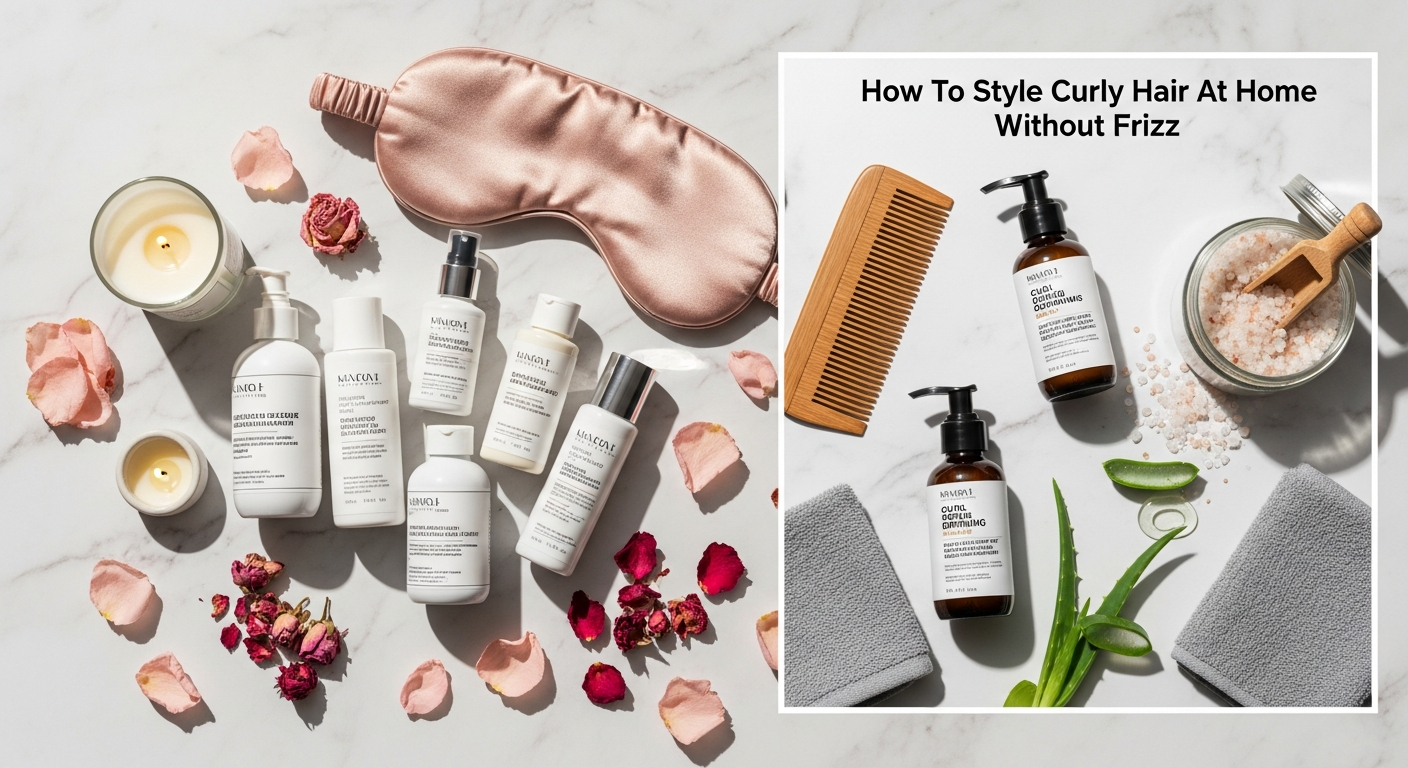
Product choice is half the battle; application technique is the other. How you apply products and dry your hair profoundly impacts curl definition and frizz levels. The goal is to encourage curl clumps and seal them with products before frizz has a chance to form.
The Golden Rule: Style on Soaking Wet Hair
This is perhaps the most critical tip for frizz-free curls. Your hair should be dripping wet when you apply your leave-in, cream, and gel. This allows the products to evenly distribute, penetrate the hair shaft, and encourage curls to clump together naturally, creating definition and reducing frizz. If your hair starts to dry during styling, mist it with water from a spray bottle.
Application Methods for Maximum Definition
- Raking: After applying leave-in conditioner, use your fingers like a comb to rake products through your hair. This helps distribute product evenly and encourages curl separation. Be gentle to avoid disrupting curl clumps.
- Praying Hands: For applying gels or creams, place a section of hair between your palms, press them together, and slide down the length of the hair. This method smooths the cuticle and applies product without disturbing the curl pattern.
- Scrunching: Once products are applied, gently scrunch your hair upwards towards your scalp. This encourages curl formation and helps remove excess water. Do this multiple times over your entire head.
- Shingling: A more time-consuming but highly effective method for very defined curls. Take small sections of hair, apply product from root to tip, and then individually twirl or smooth each curl around your finger. This is excellent for achieving maximum definition and minimal frizz, particularly for tighter curl patterns.
- Brush Styling (e.g., Denman Brush): For some, using a special brush like a Denman brush on wet hair can help create more defined curl clumps. After applying products, brush small sections of hair downwards and outwards, then gently scrunch. The brush’s tension helps smooth the cuticle and group curls.
Drying for Definition and Volume
Once your products are applied, the drying process is crucial to lock in your style.
- Microfiber Towel/T-Shirt Scrunch: Before diffusing or air drying, gently scrunch your hair with a microfiber towel or old cotton t-shirt to remove excess water. This helps to absorb moisture without disturbing your curl pattern and reduces drying time.
-
Diffusing Techniques:
- Low Heat, Low Speed: Always use the lowest heat and speed settings on your diffuser to prevent frizz and heat damage.
- Hover Diffusing: Start by hovering the diffuser around your head without touching your hair. This gently dries the outer layer and helps set your gel cast.
- Pixie Diffusing: Once a slight cast has formed, gently cup sections of your hair in the diffuser bowl and push it up towards your scalp. Hold for 10-20 seconds, then release. Repeat throughout your head. Avoid excessive movement.
- Dry to 80-90%: It’s often best to diffuse until your hair is mostly dry, then let it air dry the rest of the way. This minimizes heat exposure and further reduces frizz.
- Air Drying Patience: If air drying, resist the urge to touch your hair until it is 100% dry. Any disturbance will break up the curl clumps and introduce frizz.
The Final Touch: “Scrunch Out The Crunch” (SOTC)
After your hair is completely dry, you’ll likely feel a “cast” from your gel. This is a good thing! It means your curls were protected during drying. To break this cast and reveal soft, bouncy curls:
- Apply a few drops of lightweight oil or serum to your palms.
- Gently scrunch your hair upwards, massaging the crunch out. You can also “clap” sections of your hair between your palms.
- Fluff at the roots for volume, but avoid raking your fingers through your curls.
This final step is incredibly satisfying and reveals the true definition and softness of your frizz-free curls.
Day 2, 3, and Beyond: Refreshing Curls Without Frizz
Achieving perfect curls on wash day is a victory, but maintaining that frizz-free definition for multiple days is the ultimate goal. Extending your style not only saves time but also reduces manipulation, which is beneficial for hair health. Just as mindful breaks throughout your workday can help cope with anxiety at work by preventing burnout, a smart refresh routine can prevent “hair burnout” and keep you feeling confident and put-together.
Protecting Your Curls While You Sleep
Sleeping is often the biggest culprit for ruining next-day curls. Friction from pillows can lead to frizz and flattened strands.
- The “Pineapple” Method: Gather all your hair into a very loose high ponytail on top of your head, using a soft scrunchie (satin or silk is best) that won’t leave a dent. This keeps your curls from being crushed.
- Silk or Satin Pillowcase: Invest in a silk or satin pillowcase. Unlike cotton, these materials reduce friction on your hair, minimizing frizz and preventing moisture loss.
- Satin Bonnet or Scarf: For extra protection, especially for tighter curl patterns, cover your hair with a satin bonnet or tie it up in a satin scarf before bed. This provides an effective barrier against friction and humidity.
Refreshing Your Curls
When your curls start to lose their definition or get a little frizzy, a refresh can bring them back to life. The key is to add moisture and product without re-wetting your hair completely.
-
Water & Leave-In Spray:
- Mix a bit of your favorite leave-in conditioner with water in a spray bottle.
- Lightly mist sections of your hair that need refreshing. Don’t saturate!
- Gently scrunch to reactivate curl clumps.
- You can also add a tiny bit of gel if you need more hold.
- Curl Refreshing Spray: Many brands offer specific curl refreshing sprays designed to rehydrate and redefine without weighing down your hair. These are often formulated with light humectants and emollients.
- Fingertip Water/Product: For isolated frizzy areas, put a tiny bit of water or leave-in on your fingertips and gently smooth down the frizz, twirling the curl if needed.
- Steaming: A light steam from a handheld steamer or even standing in a steamy bathroom can help reactivate products and rehydrate curls without getting them fully wet. Follow with a gentle scrunch.
- Dry Shampoo (for roots): If your roots are getting oily, a bit of dry shampoo can absorb excess oil and add volume without disturbing your curls.
The goal of refreshing is to add just enough moisture and product to bring back definition and smooth frizz, without causing more frizz or weighing down your hair. Experiment to find what works best for your curl type and how many days you typically go between washes. A well-executed refresh routine means fewer “bad hair days,” which in turn contributes to a smoother, more confident start to your day – a small but impactful way to cope with anxiety at work by minimizing minor daily frustrations.
Common Frizz Culprits and How to Avoid Them
Even with the best routine, frizz can sometimes creep in. Identifying common mistakes and environmental factors can help you fine-tune your approach and maintain consistently frizz-free curls.
1. Touching Your Hair While It’s Drying
This is one of the biggest no-nos for curly hair. Every time you touch your hair while it’s air drying or diffusing, you disrupt the curl clumps and raise the cuticle, leading to frizz.
- Solution: Hands off! Apply your products, scrunch gently, and then leave your hair completely alone until it’s 100% dry and the gel cast has formed.
2. Insufficient Hydration
Dry hair is frizzy hair. If your hair isn’t adequately moisturized, its cuticle will lift in search of moisture from the air, resulting in frizz.
- Solution: Ensure your routine includes a good leave-in conditioner and regular deep conditioning treatments. Drink plenty of water to hydrate your body and hair from within. Consider a humidifier in dry environments.
3. Using a Regular Terry Cloth Towel
The coarse loops of traditional towels can rough up the delicate hair cuticle, causing friction and frizz.
- Solution: Switch to a microfiber towel or an old cotton t-shirt for gently blotting excess water from your hair. These materials are much smoother and less abrasive.
4. Not Enough or Incorrect Product Application
If you’re using too little product, or not applying it evenly to soaking wet hair, your curls won’t have the necessary hold and protection against frizz.
- Solution: Don’t be shy with your styling products, especially gel. Ensure your hair is soaking wet when you apply. Use thorough application methods like raking and praying hands to distribute product from root to tip.
5. Over-Manipulation
Excessive brushing, combing, or even styling your hair too frequently can cause friction and disrupt the curl pattern, leading to frizz and breakage.
- Solution: Detangle only when your hair is saturated with conditioner in the shower. Use your fingers or a wide-tooth comb. Minimize touching your hair once styled. Embrace multi-day hair to reduce daily manipulation.
6. Heat Damage
Frequent use of high heat styling tools (flat irons, curling irons, even high-heat diffusing) can damage the hair cuticle, making it permanently raised and prone to frizz.
- Solution: Embrace air drying or low-heat diffusing. If you must use heat tools, always apply a heat protectant and use the lowest effective temperature.
7. Environmental Humidity
Humidity is a curly hair’s arch-nemesis. When there’s a lot of moisture in the air, your hair’s cuticle will absorb it, causing swelling and frizz, especially if your hair is already dry or damaged.
- Solution: Use anti-humidity products that contain film-forming ingredients (like polyquaterniums or specific polymers) or strong-hold gels to create a protective barrier. Avoid humectant-heavy products in very humid climates, or layer them with a strong sealant.
8. Product Build-Up
Over time, products can accumulate on your hair and scalp, weighing down curls, making them dull, and preventing moisture from penetrating, which can indirectly lead to frizz.
- Solution: Incorporate a gentle clarifying shampoo into your routine every 4-6 weeks to remove build-up.
By being mindful of these common frizz triggers and proactively addressing them, you can significantly improve your curly hair’s appearance and health, leading to consistently gorgeous, frizz-free results.
Embracing your natural curls and mastering the art of frizz-free styling is a journey of patience, experimentation, and self-discovery. It’s more than just hair; it’s about confidence, self-expression, and the joy of nurturing a part of yourself. We hope this comprehensive guide has empowered you with the knowledge and techniques to achieve the beautiful, defined curls you’ve always dreamed of. Remember, consistency and gentle care are your best allies. Here at Sometimes Daily, we believe that every aspect of your wellness journey, from creating a self-care routine to choosing sustainable products that align with what is slow fashion and why it matters, contributes to a more fulfilling and beautiful life. So go forth, embrace your curls, and shine brightly in 2026 and beyond!
Frequently Asked Questions
Recommended Resources
For more on how to style, see What Is Double Cleansing And Does It Really Work on The Contextual Life.
Learn more about this topic in Body Care Routine For Smooth Skin at Veralyn Media.