
Your Gentle Guide to Starting Meditation in 2026: Find Your Calm, One Breath at a Time
Well, friend, let’s bust those myths right here, right now. This isn’t about sitting cross-legged for hours or achieving perfect enlightenment overnight. This is about finding moments of stillness that fit into YOUR real, busy life in 2026. It’s about giving yourself the gift of presence, a mini-vacation for your mind, and a powerful tool to navigate whatever life throws your way. Consider this your warm, no-pressure invitation to explore the world of meditation – tailor-made for women like us who crave calm without sacrificing practicality. Ready to breathe a little easier?
Why Meditate? The Real-Life Benefits for Busy Women
Before we even think about how to start, let’s talk about the “why.” Because let’s be honest, if it’s going to take up precious minutes in your day, it needs to deliver real, tangible benefits. And oh, does it ever!
- Stress Reduction & Emotional Resilience: This is probably the big one. Meditation helps quiet the nervous system, reducing levels of the stress hormone cortisol. Over time, you’ll notice you react less intensely to daily stressors and bounce back faster from challenges. It’s like building emotional muscle!
- Improved Focus & Clarity: Ever feel like your brain is a browser with 50 tabs open? Meditation trains your attention, helping you become more present and less distracted. This translates to better concentration at work, more engaging conversations, and a clearer sense of purpose.
- Better Sleep Quality: If racing thoughts keep you up at night, meditation can be a game-changer. By calming the mind before bed, you can ease into sleep more quickly and enjoy a deeper, more restorative rest.
- Enhanced Self-Awareness & Self-Compassion: Taking time to observe your thoughts and feelings without judgment helps you understand yourself better. This self-awareness fosters greater self-compassion, leading to a kinder, gentler relationship with yourself – something every woman deserves.
- Increased Patience & Empathy: As you become more attuned to your inner world, you naturally develop more patience for yourself and others. This can positively impact all your relationships, from your partner to your kids to your colleagues.
- Boosted Mood & Overall Well-being: Even short bursts of meditation can shift your mood, creating a sense of calm and contentment. It’s a powerful tool for cultivating joy and appreciation for the simple moments in life.
These aren’t just abstract benefits; they’re the building blocks for a more intentional, joyful, and balanced life – exactly what Sometimes Daily is all about.
Busting Common Meditation Myths (Because We’ve All Heard Them!)
Let’s clear the air of some common misconceptions that often stop wonderful women like you from even trying. Consider these your permission slips to let go of perfectionism and embrace authenticity.
Myth #1: “I have to clear my mind completely.”
Reality: This is perhaps the biggest myth! Meditation isn’t about stopping your thoughts; it’s about changing your relationship with them. Think of your mind as a busy highway. You can’t stop the cars (thoughts) from driving by, but you can choose to sit on the roadside and observe them without jumping in. The goal is to notice when your mind wanders (and it will, hundreds of times!), and gently, without judgment, bring your attention back to your anchor (usually your breath). Every time you do this, you’re strengthening your “attention muscle.”
Myth #2: “I don’t have enough time.”
Reality: We hear you! Who has an hour to spare? The beautiful truth is, meditation doesn’t require a huge time commitment, especially when you’re starting. Even 2-5 minutes a day can make a difference. Think of it like brushing your teeth – a small, consistent habit that yields big results over time. You can find 5 minutes while your coffee brews, before you open your laptop, or even in your car before heading into the grocery store.
Myth #3: “I’m not spiritual enough / I need to be a certain type of person.”
Reality: Meditation is a practice, not a religion. While many spiritual traditions incorporate meditation, the practice itself is secular and accessible to everyone. You don’t need special beliefs, a guru, or a specific aesthetic. If you have a mind and a breath, you can meditate. It’s simply a tool for mental well-being, like exercise is for physical health.
Myth #4: “I need a perfectly quiet, serene space.”
Reality: While a quiet space can be lovely, it’s not a prerequisite. Life is noisy! You can meditate amidst the sounds of your kids playing, city traffic, or even a bustling office. In fact, learning to find stillness amidst external noise can be an incredibly powerful skill. Headphones can help, but ultimately, the “serene space” is something you cultivate within yourself.
Getting Started: Your First Steps to Stillness in 2026
Alright, myths busted, intentions set. Let’s get practical! Here’s how you can take your very first mindful steps.
1. Start Small, Seriously Small
Forget 20 minutes. Aim for 2-3 minutes. That’s it! This tiny commitment makes it feel achievable and less intimidating. You can always add more time later as you feel comfortable. The goal at the beginning is consistency, not duration.
2. Find Your Spot (Even If It’s Imperfect)
Pick a place where you’re least likely to be disturbed for your chosen few minutes. This could be:
- A quiet corner of your bedroom.
- A comfy chair in your living room.
- Even your car in the driveway before you head inside.
No need for a dedicated meditation room. Just a spot where you can feel relatively settled.
3. Get Comfortable (But Not Too Comfortable)
Sit in a way that feels stable and comfortable, allowing you to remain alert. You can sit on a cushion on the floor, on a chair with your feet flat on the ground, or even lie down (though this can sometimes lead to falling asleep, which is fine if that’s your goal, but not for meditation practice). The key is to have a straight but relaxed spine. You don’t need to sit cross-legged if it’s uncomfortable!
4. Set a Gentle Timer
Use an app or your phone’s timer. Choose a gentle, non-jarring sound for the end of your session. This frees you from constantly checking the clock and allows you to fully immerse yourself in the practice.
5. Anchor with Your Breath
Close your eyes gently, or soften your gaze downwards. Bring your attention to your breath. Notice the sensation of the air entering and leaving your body – the rise and fall of your belly, the feeling in your nostrils, the expansion of your chest. This is your anchor. When your mind wanders (and it will!), simply notice that it has wandered, and gently guide your attention back to your breath. No judgment, no frustration, just a gentle redirection.
6. Try a Guided Meditation
For beginners, guided meditations are an absolute godsend. A kind voice will lead you through the process, telling you where to place your attention and what to do when your mind wanders. This takes all the guesswork out of it and allows you to simply follow along. We’ll talk more about resources soon!
Exploring Different Styles: Finding Your Meditation Match
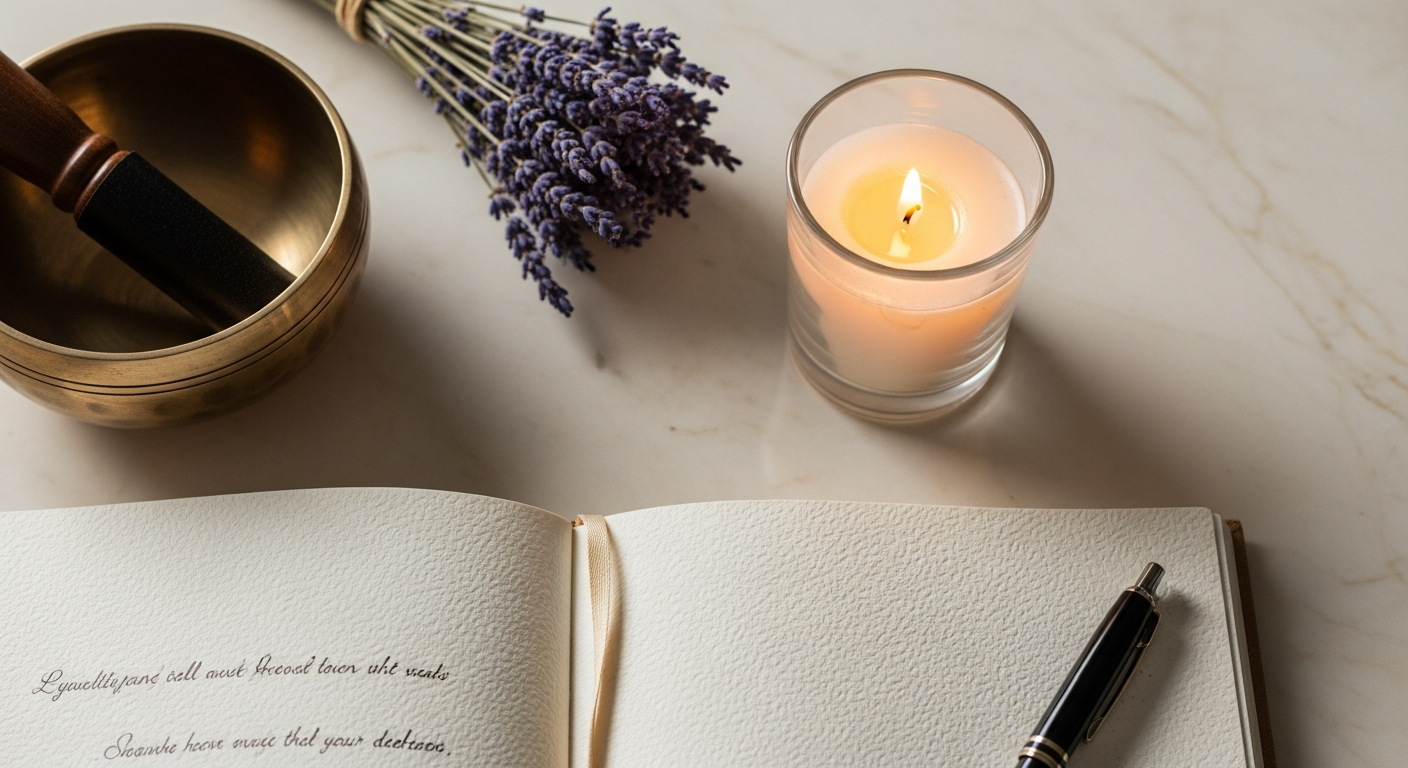
Just like there are different ways to work out, there are various meditation styles. You don’t have to stick to just one! Experiment and see what resonates with you.
1. Mindfulness Meditation (The Most Common Starting Point)
This is what we’ve largely discussed. It involves focusing on the present moment, typically using the breath as an anchor, and observing thoughts, feelings, and sensations without judgment. It’s about being aware of what’s happening right now, both internally and externally.
- Try it when: You want to reduce stress, improve focus, and develop self-awareness.
- How to: Sit comfortably, bring attention to your breath, and gently observe whatever arises in your experience, bringing your attention back to your breath whenever your mind wanders.
2. Body Scan Meditation
This practice involves systematically bringing your attention to different parts of your body, noticing any sensations (tension, tingling, warmth, coolness) without judgment. It’s fantastic for releasing physical tension and connecting with your body.
- Try it when: You’re feeling physically tense, stressed, or need help falling asleep.
- How to: Lie down or sit comfortably. Start by bringing your attention to your toes, then slowly move up through your feet, ankles, calves, etc., all the way to the top of your head, noticing any sensations.
3. Walking Meditation
Who says you have to sit still? Walking meditation involves bringing mindful awareness to the act of walking – the sensation of your feet on the ground, the movement of your legs, the rhythm of your breath, and the sights and sounds around you. It’s a wonderful way to integrate mindfulness into your active life.
- Try it when: You’re feeling restless, need a break from sitting, or want to connect with nature.
- How to: Walk at a natural pace, bringing your full attention to each step. Notice the lifting of your foot, the forward motion, the placement of your foot on the ground. You can also mindfully observe your surroundings.
4. Loving-Kindness (Metta) Meditation
This beautiful practice cultivates feelings of compassion, kindness, and goodwill towards yourself and others. It involves silently repeating phrases like, “May I be happy, may I be healthy, may I be safe, may I live with ease,” first for yourself, then for loved ones, neutral people, difficult people, and finally, all beings.
- Try it when: You want to cultivate more compassion, release resentment, or boost your mood.
- How to: Sit comfortably and begin by silently repeating loving-kindness phrases for yourself, then gradually extending them to others.
Building a Sustainable Practice: The “Sometimes Daily” Way
At Sometimes Daily, we believe in consistency over perfection. This philosophy applies perfectly to meditation. It’s not about never missing a day; it’s about gently returning to the practice, again and again.
1. Integrate It with Existing Routines
The easiest way to build a new habit is to attach it to an existing one. Think about what you already do every day:
- Morning Ritual: Meditate for 5 minutes after your coffee, before checking your phone, or right after brushing your teeth.
- Commute Time: If you take public transport, use that time for a guided meditation. If you drive, use those few minutes before you get out of the car.
- Lunch Break: Step away from your desk for a quick 5-minute reset.
- Evening Wind-Down: Meditate before bed to signal to your body it’s time to relax.
2. Be Flexible and Forgiving
Life happens. You’ll miss days. You’ll have sessions where your mind feels like a wild circus. That’s okay! Don’t let a missed day turn into a missed week. Simply acknowledge it, and then gently recommit for the next opportunity. There’s no failing in meditation, only learning and returning.
3. Create a Mini “Zen Zone” (Optional but Nice!)
While not essential, having a dedicated spot can make it easier to show up. This doesn’t mean a fancy setup. It could be:
- A specific cushion on the floor.
- A cozy blanket in your favorite chair.
- A candle or a small plant nearby.
These small cues can help signal to your brain that it’s “meditation time.”
4. Journal Your Experience
After your meditation, take a minute to jot down any thoughts, feelings, or insights. This can help you track your progress, notice patterns, and deepen your understanding of yourself. It’s a beautiful way to reflect on your inner journey.
5. Find a Meditation Buddy or Community
Sometimes, having someone to share the journey with can be incredibly motivating. This could be a friend you check in with, an online community, or even a local meditation group. Sharing experiences and challenges can make the practice feel less isolating and more supported.
Tools & Resources to Support Your Journey in 2026
The good news is, you don’t have to navigate this alone. There are fantastic resources available to help you get started and stay consistent.
1. Meditation Apps (Your Pocket Guide)
These are truly a beginner’s best friend. Many offer free introductory courses, daily meditations, sleep stories, and guided sessions for various needs. Look for apps that offer:
- Beginner-friendly series.
- Short duration options (2-10 minutes).
- Different types of meditation (mindfulness, body scan, loving-kindness).
- Sleep content if that’s a goal.
- Gentle timers.
A quick search in your app store for “meditation for beginners” will give you plenty of options to explore.
2. Online Resources & YouTube
Many meditation teachers and organizations offer free guided meditations on YouTube or their websites. This is a great way to sample different teachers and styles without any commitment.
3. Comfortable Seating & Accessories
While not strictly necessary, some items can enhance your comfort and experience:
- Meditation Cushion (Zafu or Zabuton): These can help elevate your hips, making it easier to maintain a comfortable posture on the floor.
- Eye Mask: If you find light distracting, a soft eye mask can help create a sense of deeper introspection.
- Cozy Blanket: Especially if you tend to get cold while sitting still.
4. Journals & Pens
As mentioned, a dedicated journal can be a wonderful companion to your meditation practice, allowing you to document your journey and insights.
Your Journey Starts Now (and it’s Perfectly Imperfect)
Stepping into meditation in 2026 isn’t about becoming a different person; it’s about connecting more deeply with the amazing woman you already are. It’s a practice of self-care, a radical act of slowing down in a world that constantly pushes us to speed up. Remember, there’s no right or wrong way to meditate, especially when you’re starting. The most important thing is simply to begin, with curiosity and kindness.
Give yourself permission to be a beginner. Give yourself permission to have “bad” meditation days. Give yourself permission to come back to it, even if it’s been a while. This is your journey, and it’s meant to be perfectly imperfect, just like life itself. We at Sometimes Daily believe in you, and we can’t wait for you to discover the profound calm and clarity that awaits. Take a deep breath, darling, and begin.