
Your Heartfelt Guide to Starting a Gratitude Practice That Actually Sticks in 2026
Now, before you picture yourself forced to write down “world peace” every day when you’re just trying to find matching socks, let me assure you: this isn’t about ignoring challenges or sugarcoating reality. It’s about intentionally shifting your focus, even for just a few moments each day, to acknowledge the good. It’s about building a muscle that helps you see the light, even when clouds gather. At Sometimes Daily, we believe in real tips for real lives, and a gratitude practice is one of the most practical, empowering acts of self-care you can embrace. Ready to discover how to start one that truly resonates with you and fits seamlessly into your wonderfully busy life? Let’s dive in.
Why Gratitude? The Science-Backed Glow-Up You Deserve
“Just be grateful” can sometimes sound a little… dismissive, especially when you’re navigating genuine struggles. But a gratitude practice isn’t about being blindly optimistic; it’s a profound psychological tool with tangible benefits, backed by a growing body of research. Think of it as a daily dose of mental sunshine, and darling, you absolutely deserve that glow-up.
When you consistently practice gratitude, you’re not just feeling good; you’re actively rewiring your brain. Here’s what happens under the hood:
* Boosts Happiness & Reduces Negative Emotions: Studies show that people who regularly practice gratitude report higher levels of positive emotions like joy, enthusiasm, and optimism, while experiencing less envy, resentment, and regret. It helps shift your focus from what’s going wrong to what’s going right, creating a more positive emotional landscape.
* Improves Mental Resilience: Life throws curveballs, right? Gratitude helps you bounce back. By training your mind to find the good, even amidst adversity, you develop a stronger ability to cope with stress and trauma. It doesn’t erase problems, but it equips you with a more robust perspective.
* Enhances Physical Health: Seriously! Grateful individuals tend to report fewer aches and pains and feel healthier overall. They also sleep better, which, let’s be honest, is a self-care superpower we all crave. Better sleep means more energy, better concentration, and an improved mood.
* Strengthens Relationships: When you express gratitude to others, it fosters a deeper connection and appreciation. It makes people feel valued and seen, strengthening bonds with partners, friends, family, and even colleagues. It’s a ripple effect of positivity.
* Increases Empathy & Reduces Aggression: Focusing on the good things others do for us, or simply appreciating the shared human experience, can make us more compassionate and less prone to anger or hostility. It broadens our perspective beyond ourselves.
So, you see, this isn’t just about feeling “nice.” It’s about cultivating a richer, more fulfilling life experience, one small moment of appreciation at a time. It’s a commitment to your own well-being that pays dividends across every area of your life.
Your Gentle Start: Simple Ways to Begin Your Gratitude Journey
The beauty of starting a gratitude practice is that it doesn’t require a huge time commitment or fancy tools. The most important thing is simply to begin, and to do so gently. No pressure, no perfectionism—just a willingness to try. Here are some incredibly accessible ways to dip your toes into the waters of appreciation:
*
The “Three Good Things” Rule
This is perhaps the most popular and effective starting point. Each day, either in the morning or before bed, simply think of or jot down three new things you are grateful for. They don’t have to be monumental; in fact, the smaller and more specific, the better!
Examples:* “My hot cup of coffee this morning,” “The way the sun shone through the window,” “A text from a friend that made me smile,” “My comfy socks,” “Having 10 minutes to read.”
Why it works:* It’s quick, concrete, and trains your brain to actively seek out positives throughout your day.
*
The Gratitude Jar
Find a pretty jar or container and keep a stack of small slips of paper and a pen nearby. Throughout the year, whenever something wonderful happens or you feel a surge of gratitude, jot it down on a slip of paper, fold it, and pop it into the jar. On New Year’s Eve 2026 (or whenever you need a boost!), open the jar and read through all the moments of joy.
Why it works:* It’s a tangible, visual reminder of abundance and creates a beautiful archive of your year’s blessings.
*
Morning or Evening Check-in
Integrate gratitude into an existing routine. While your coffee brews, or as you brush your teeth, take 60 seconds to mentally list 1-2 things you’re grateful for right now. Before you drift off to sleep, let your mind wander over the day and pinpoint one moment you appreciated.
Why it works:* Habit stacking makes it easier to stick to. No “extra” time needed!
*
Gratitude Walks
The next time you’re out for a walk, whether it’s around the block or through a park, intentionally notice five things you’re grateful for in your surroundings. The crisp air, the vibrant color of a leaf, the sound of birds, the warmth of the sun, the sturdiness of the pavement beneath your feet.
Why it works:* Combines mindfulness with movement, grounding you in the present moment and your environment.
Remember, the goal isn’t to be perfect, but to be consistent. Even 60 seconds a day can make a world of difference. Start with one of these methods, give it a try for a week, and see how you feel.
Finding Your Flow: Tailoring Gratitude to Your Lifestyle
Just like there’s no one-size-fits-all approach to self-care, your gratitude practice should feel authentic to you. What works for your best friend might not light up your soul, and that’s perfectly okay! Here are a few ways to personalize your practice based on your personality and preferences:
*
The Journal Enthusiast: Dive Deep with a Gratitude Journal
If you love putting pen to paper (or fingers to keyboard), a gratitude journal might be your sweet spot.
* Physical Journals: There are beautiful dedicated gratitude journals with prompts, or you can simply use a plain notebook. The act of physically writing can be incredibly therapeutic and helps solidify thoughts. Look for journals with thick paper, a cover that inspires you, and maybe a lovely pen that makes writing a joy.
* Digital Journals/Apps: If you’re more digitally inclined, many apps allow you to quickly log entries, add photos, and even receive daily prompts. This is fantastic for on-the-go gratitude.
Tip: Don’t just list things; try to describe why you’re grateful for them and how* they made you feel. This deepens the experience.
*
The Verbal Processor: Speak Your Thanks Aloud
For some, articulating gratitude verbally is more impactful than writing it down.
* Share with a Loved One: Make it a habit with your partner, a family member, or a close friend to share one thing you’re grateful for each day. This not only reinforces your practice but also strengthens your relationship.
* Daily Affirmations: Stand in front of a mirror and verbally express gratitude, perhaps for your body, your abilities, or simply being alive. “I am grateful for my strong body,” “I am grateful for this new day.”
* Prayer or Meditation: If you have a spiritual practice, weave gratitude into your prayers or meditations, offering thanks for blessings.
*
The Visual Learner: Create a Gratitude Board or Album
If images resonate more deeply with you, make your gratitude practice a visual feast.
Gratitude Vision Board: Instead of focusing on future goals, create a board filled with images, words, and mementos representing things you are currently* grateful for. Hang it somewhere you’ll see it daily.
* Photo Gratitude: Take a daily photo of something you’re grateful for and create a dedicated album on your phone or social media (just for you!). Looking back on these images can be incredibly uplifting.
* Gratitude Collages: Periodically create collages from magazines or printed images that evoke feelings of gratitude.
*
The Mindful Mover: Integrate it into Your Movement
Pair your gratitude with activities that already bring you peace.
* Yoga/Stretching: As you move through poses, dedicate each stretch or breath to something you’re grateful for.
* Mindful Movement: Whether it’s doing dishes, gardening, or a gentle workout, bring your attention to the sensations and the opportunity to engage in that activity.
The key is experimentation. Try different methods for a week or two, and notice what feels good, what feels sustainable, and what brings you the most genuine sense of peace and joy. Your practice should feel like a warm hug, not another chore.
Weaving Gratitude In: Making It Work for Your Busy Schedule
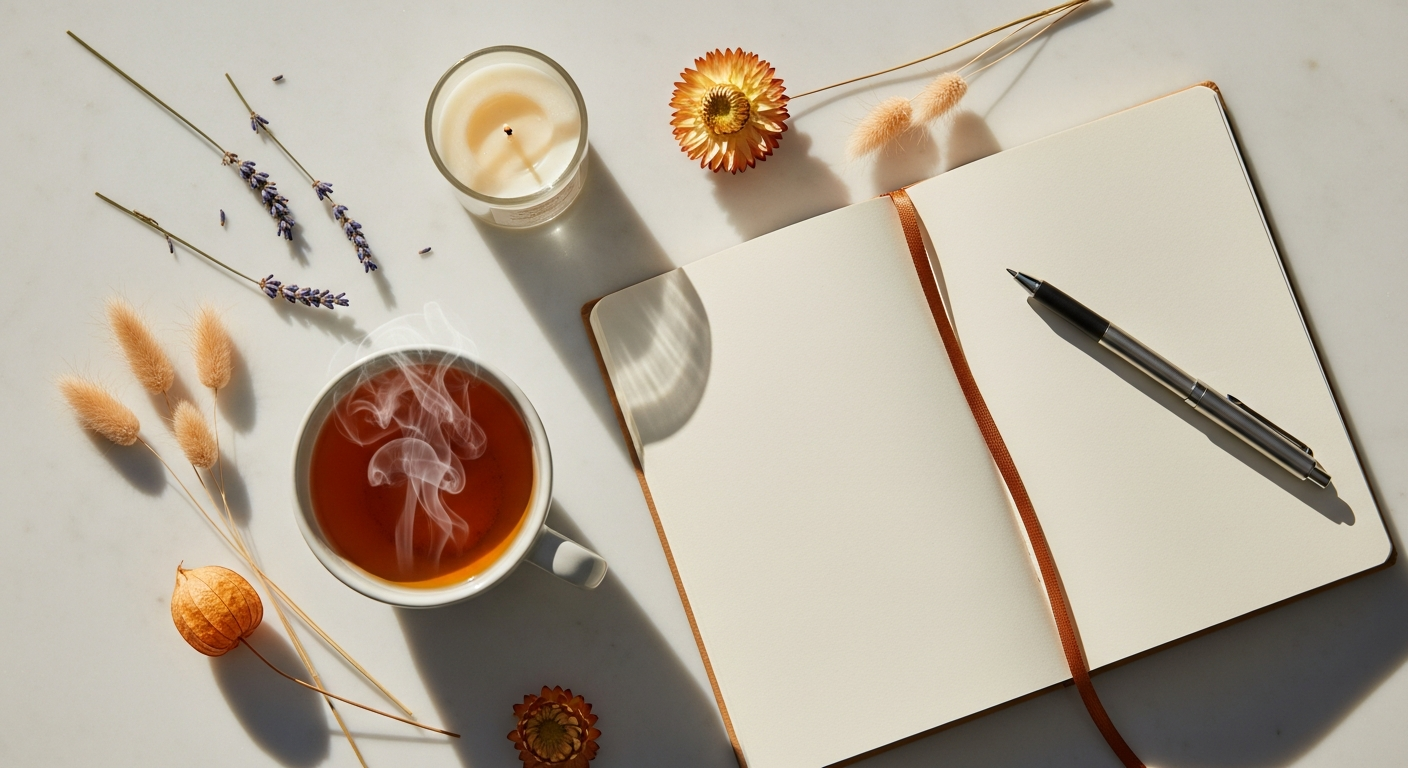
“But I barely have time to shower, let alone start a new practice!” I hear you, darling. The beauty of gratitude is that it doesn’t demand huge chunks of time. It’s about micro-moments, intentional pauses that can be woven into the fabric of your day without adding stress. Here’s how to sprinkle gratitude into your already packed schedule:
*
Coffee Break Gratitude (1-2 minutes)
As you sip your morning coffee or tea, before diving into emails or your to-do list, take a full minute to simply savor the moment. Feel the warmth of the mug, appreciate the aroma, and think of one or two things you’re grateful for right then. It could be the quiet, the taste, or the simple fact that you have this moment.
Tip:* Resist the urge to multitask during this minute. Just be present.
*
Commute Connection (3-5 minutes)
Whether you’re driving, on the bus, or walking, use your commute as a dedicated gratitude window. Instead of focusing on traffic or worries, look around. Appreciate the changing seasons, the music playing, the efficiency of public transport, or the fact that you have a job to go to (even if it’s a rough day!).
Tip:* If you drive, try a gratitude podcast or an audiobook that encourages mindful reflection.
*
Mealtime Mindfulness (2-3 minutes)
Before you dig into a meal, pause. Take a deep breath and acknowledge the food in front of you. Think about the effort, the ingredients, the nourishment it provides. Even a quick snack can be an opportunity for a moment of appreciation.
Tip:* This is a beautiful practice to share with family, making mealtime a little more intentional.
*
“Text-a-Thanks” (1 minute)
Throughout your day, if someone comes to mind who has helped you, made you smile, or simply been there for you, send them a quick, genuine text of thanks. “Hey, just thinking of you and how much I appreciate [specific thing].” This is a powerful two-for-one: you practice gratitude, and you brighten someone else’s day.
Tip:* Make it specific – general thanks can feel less impactful.
*
Bedside Bliss (2-5 minutes)
As you wind down for the night, either just before your head hits the pillow or while you’re brushing your teeth, reflect on your day. What went well? What made you smile? What small mercies did you experience? This helps to end your day on a positive note and can even improve sleep quality.
Tip:* Keep a small notebook and pen by your bed if you prefer to jot things down.
The beauty of these micro-practices is that they don’t require you to set aside “extra” time. They’re about re-framing moments you already have. Choose one or two that resonate with you and give them a try for a week. You might be surprised how much brighter your days feel.
Bouncing Back: Overcoming Common Gratitude Roadblocks
Let’s be real: starting a new practice, even one as lovely as gratitude, comes with its own set of challenges. It’s totally normal to hit a snag or feel a little resistant sometimes. Here’s how to navigate those common roadblocks with grace and self-compassion:
*
“I Don’t Feel Grateful/It Feels Forced or Fake”
This is perhaps the most common hurdle, especially on tough days.
* Honest Acknowledgment: It’s okay not to feel grateful all the time. Acknowledge your current feelings first: “Today is hard, and I’m feeling overwhelmed.” Then, gently try to shift: “Even so, I am grateful for the roof over my head,” or “I’m grateful for this moment of quiet.”
* Start with the Basics: When big, inspiring things are elusive, go back to basics. Are you breathing? Do you have clean water? A functioning body part? A warm bed? Sometimes, just appreciating the fundamental elements of existence can be powerful.
Focus on the Absence of Negatives: Instead of “I’m grateful for X,” try “I’m grateful that Y isn’t* happening.” For example, “I’m grateful I don’t have a headache right now,” or “I’m grateful there’s no major emergency today.” This can be a gentle way to find appreciation when your mood is low.
*
“I Keep Forgetting!”
Life is busy, and new habits take time to cement.
* Set Reminders: Use your phone’s alarm, a sticky note on your mirror, or a recurring calendar event to prompt you.
* Habit Stacking: As mentioned, link your gratitude practice to an existing daily habit. (e.g., “After I brush my teeth, I’ll think of three things I’m grateful for.”)
* Visual Cues: Place your gratitude journal or jar in a prominent spot where you’ll see it daily.
*
“I Don’t Have Anything New to Be Grateful For”
It can feel repetitive if you’re always listing the same things.
* Get Specific: Instead of “My family,” try “The way my child laughed at the breakfast table,” or “The thoughtful text my sister sent.”
Engage Your Senses: What did you see, hear, smell, taste, or feel* today that brought a moment of pleasure? The scent of rain, the warmth of a blanket, the taste of a delicious meal.
* Look for the “Unexpected”: A green light when you were running late, finding a parking spot, a random act of kindness from a stranger.
* Reflect on Past Blessings: Sometimes, reminiscing about a happy memory or a past achievement can spark gratitude.
*
“It Feels Like Another Chore”
If gratitude starts feeling like a burden, it defeats the purpose.
* Shorten Your Practice: If you’re aiming for 10 minutes, cut it down to 2. Even 30 seconds counts.
* Change Your Method: If journaling feels like too much, try a quick mental scan, or share gratitude with a loved one.
* Take a Break: It’s okay to skip a day or two. Don’t let guilt derail your entire practice. Just pick it back up when you’re ready.
Remember, your gratitude journey is personal and imperfect. Be kind to yourself, adjust as needed, and celebrate every small step forward.
Cultivating a Lifelong Habit: Keeping the Gratitude Glow Alive
Starting a gratitude practice is wonderful, but making it a sustainable part of your life is where the real magic happens. As we move through 2026 and beyond, here’s how to keep that gratitude glow shining brightly:
*
Mix It Up to Keep It Fresh
Don’t be afraid to rotate your methods! If you’ve been journaling for a month and it’s starting to feel stale, switch to a gratitude jar or try sharing your thanks with a friend. Variety is the spice of life, and it can certainly spice up your gratitude practice. This keeps it from becoming monotonous and encourages you to engage with different facets of appreciation.
*
Share Your Joy (When It Feels Right)
While your practice is ultimately for you, sharing gratitude can amplify its effects.
* Express it to Others: Make an effort to regularly thank people in your life—your partner, your kids, your co-workers, the barista. Be specific and sincere.
* Join a Gratitude Challenge: Sometimes, having a community and a specific focus can be motivating. Look for online groups or start one with friends.
* Model It: If you have children, letting them see you practice gratitude (and inviting them to join in) can instill valuable life lessons.
*
Review and Reflect Regularly
Periodically look back at your gratitude journal entries or read the slips from your gratitude jar. This is a powerful reminder of how much good there is in your life and how far you’ve come. It can be incredibly uplifting on a challenging day to revisit all the moments of joy you’ve captured.
*
Be Patient and Practice Self-Compassion
There will be days when you forget, days when it feels impossible, and days when you just don’t want to. That’s absolutely fine. Don’t beat yourself up. Gratitude is a practice, not a performance. Simply acknowledge the lapse and gently redirect your focus back to appreciation when you’re ready. The goal is progress, not perfection.
*
Embrace the Ripple Effect
Recognize that your gratitude practice isn’t just benefiting you. A more grateful you is a more patient, joyful, and resilient you, and that positively impacts everyone around you. It’s a gift you give yourself that then spills over to touch the lives of others.
As we step into 2026, imagine a year where you feel more present, more connected, and more genuinely joyful. Your gratitude practice is a powerful tool to help you create that reality. It’s not about denying the difficult parts of life, but about choosing to also see, acknowledge, and lean into the beautiful, abundant moments that are always there, waiting to be appreciated.