

Find Your Pace: The Ultimate Guide to Slow Living for a More Intentional 2026
What is Slow Living, Anyway? Unpacking the Philosophy
Before we dive into the practicalities, let’s clarify what slow living truly means. It’s often misunderstood as a call to abandon modern life, move to a cabin in the woods, or simply “do nothing.” While those can be elements for some, for most of us, slow living is far more nuanced and accessible.
At its heart, slow living is a philosophy that encourages us to step back from the relentless pursuit of speed and efficiency. It invites us to:
-
Embrace Intentionality
Instead of passively reacting to life, slow living asks us to actively choose how we spend our time, energy, and resources. It’s about making deliberate decisions that align with our values, rather than just going through the motions.
-
Prioritize Quality Over Quantity
This applies to everything: the food we eat, the clothes we wear, the conversations we have, and even the tasks on our to-do list. Rather than accumulating more, slow living encourages us to seek out what is well-made, meaningful, and brings genuine joy.
-
Cultivate Presence and Mindfulness
How often do we rush through meals, conversations, or even a beautiful sunset, already thinking about the next thing? Slow living is about savoring the present moment, truly experiencing what’s in front of us without distraction or judgment. It’s about being fully here.
-
Seek a Sustainable Pace
The modern world often glorifies busyness, pushing us towards burnout. Slow living is a gentle rebellion against this. It’s about finding a rhythm that allows us to thrive, not just survive. It acknowledges our limits and encourages self-compassion, ensuring we have enough energy for what truly matters.
Think of slow living as a personal operating system upgrade. It’s not about being slower in every single action, but about being more aware, more deliberate, and more connected to yourself and your surroundings. It’s a journey, not a destination, and it looks wonderfully different for everyone.
Your Morning Ritual: Setting the Tone for a Calm Day

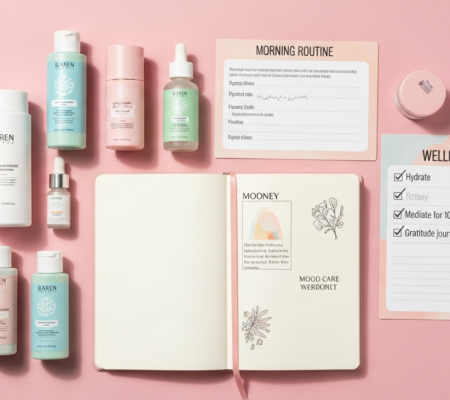
How you start your day often dictates its trajectory. If you wake up and immediately dive into emails or social media, you’re essentially starting your day on someone else’s agenda, filled with external demands. Slowing down your mornings can be a powerful first step in reclaiming your peace.
Here’s how you can cultivate a more intentional morning ritual:
-
The Phone-Free Zone
This is arguably the most impactful change you can make. Resist the urge to grab your phone the moment your eyes open. Instead, aim for at least 15-30 minutes phone-free. Use a traditional alarm clock if you need to, and leave your phone outside your bedroom or across the room. This simple act prevents the immediate influx of notifications, news, and other people’s demands, allowing you to ease into your day on your own terms.
-
Hydrate & Nourish Your Body
Before reaching for coffee, drink a glass of water. Adding a squeeze of lemon can be a refreshing, gentle way to kickstart your digestion. Then, take the time to prepare and truly enjoy a nourishing breakfast. Whether it’s a bowl of oatmeal with fresh fruit or a simple piece of avocado toast, sit down, put your phone away, and savor each bite. This isn’t just fuel; it’s an act of self-care.
-
Gentle Movement
You don’t need a full-blown HIIT session (unless that genuinely brings you joy!). Even 5-10 minutes of gentle movement can make a world of difference. Try some simple stretches, a few sun salutations from yoga, or a short walk around your block. Connecting with your body in a gentle way helps wake it up, improve circulation, and release any lingering stiffness, setting a positive physical tone for the day.
-
Mindful Moments
Dedicate a few minutes to something that brings you quiet joy or reflection. This could be:
- Journaling: Jot down your thoughts, intentions for the day, or things you’re grateful for. A beautiful journal and a smooth-writing pen can make this feel like a special ritual.
- Meditation: Even 5 minutes of guided or silent meditation can significantly reduce stress and improve focus.
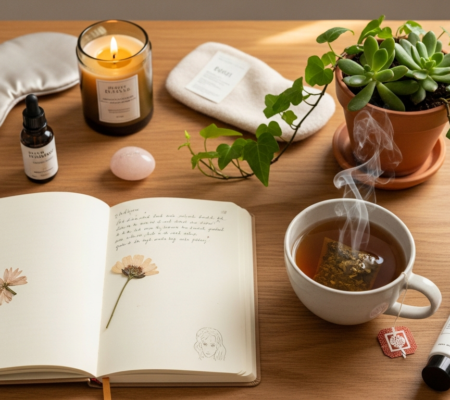
- Quiet Contemplation: Simply sit with a warm cup of herbal tea or coffee, look out the window, and watch the world wake up. No agenda, just presence.
Remember, your morning ritual is yours. Experiment, find what resonates, and allow it to evolve. The goal is to create a peaceful buffer between sleep and the demands of the day, allowing you to start feeling grounded and intentional.
Navigating Your Day with Intention: Micro-Moments of Slow
Okay, so mornings are covered. But what about the rest of your busy day? The beauty of slow living is that it doesn’t require you to quit your job or dramatically alter your commitments. It’s about finding “micro-moments” of slowness and intention within your existing schedule.
Here’s how to sprinkle presence throughout your busiest hours:
-
Embrace Single-Tasking Power
In a world that glorifies multitasking, single-tasking is a revolutionary act. When you focus on one task at a time – truly one task – you’ll often find you complete it more efficiently, with higher quality, and with less mental fatigue. Close unnecessary tabs, silence notifications, and dedicate your full attention. Whether it’s drafting an email, doing the dishes, or talking to a colleague, be fully present with that one action.
-
Mindful Breaks are Non-Negotiable
Instead of mindlessly scrolling during your breaks, consciously choose to step away from your screen and engage your senses.
- Take a 5-minute walk outside, noticing the sky, the trees, the sounds.
- Stretch at your desk.
- Gaze out a window for a few minutes.
- Make yourself a cup of tea and truly savor the warmth and aroma.
These small pauses are like hitting a reset button for your brain, preventing overwhelm and boosting focus.
-
Set Digital Boundaries
Our devices are designed to keep us hooked. Reclaim your attention by setting clear digital boundaries.
- Turn off non-essential notifications on your phone and computer.
- Designate specific times for checking email or social media, rather than being constantly available.
- Implement “no phone zones” – during meals, while talking to loved ones, or an hour before bed.
This frees up mental space and allows you to engage more deeply with your real-world surroundings.
-
Intentional Transitions
How do you transition from one task to the next, or from work to home life? Often, we just plunge headfirst. Try creating intentional buffers:
- Before switching tasks, take a deep breath, clear your workspace (physical or digital), and mentally prepare for the next item.
- After work, instead of immediately diving into home chores, take 10-15 minutes to decompress. Listen to a podcast, read a chapter of a book, or simply sit in silence. This helps you mentally switch gears and be more present for your evening.
These micro-moments might seem small, but their cumulative effect is profound. They help you stay anchored, reduce the feeling of being constantly rushed, and infuse your day with a sense of purpose and calm.
Nourish & Replenish: Slowing Down Your Self-Care

Self-care often gets relegated to quick fixes or a frantic spa day once a year. But true slow living self-care is about consistently nourishing your body, mind, and soul with intention. It’s about creating rituals that replenish you, rather than just patching you up.
Here’s how to infuse your self-care practices with the slow living ethos:
-
Embrace the Slow Food Movement
Beyond simply eating, slow food is about connecting with where your food comes from, appreciating its preparation, and savoring the experience of eating.
- Meal Planning & Prep: Dedicate an hour or two each week to plan your meals and do some basic prep. This reduces stress during busy weekdays and ensures you have nourishing options available.
- Cook from Scratch: Whenever possible, embrace cooking. It’s a meditative act that connects you to your food. You don’t need to be a gourmet chef; simple, wholesome meals are perfect.
- Mindful Eating: When you eat, truly eat. Put away distractions, notice the colors, textures, and flavors. Chew slowly. Listen to your body’s hunger and fullness cues. This not only enhances enjoyment but also aids digestion.
-
Mindful Movement, Not Just Exercise
Instead of viewing exercise as a punishment or a box to check, shift your perspective to mindful movement.
- Listen to Your Body: Some days you need vigorous activity, other days gentle stretching or a leisurely walk. Honor what your body needs.
- Connect with Nature: Take walks in a park, garden, or local trail. The fresh air and natural surroundings are incredibly restorative. Comfortable walking shoes and a good podcast or just the sounds of nature are your allies here.
- Gentle Practices: Explore yoga, Pilates, Tai Chi, or even just dancing in your living room. These practices encourage body awareness and can be deeply meditative.
-
Rest & Recharge Rituals
Your evenings are precious. Use them to truly unwind and prepare for restorative sleep.
- Evening Wind-Down: Create a consistent routine. Dim the lights, put away screens an hour before bed, and engage in calming activities.
- Read a Real Book: Immerse yourself in a story or learn something new without the blue light distraction of a screen.
- Pamper Yourself: Indulge in a warm bath with Epsom salts and essential oils (lavender, frankincense, or bergamot are wonderfully calming). Apply a natural, luxurious skincare routine, truly massaging products into your skin.
- Journal or Reflect: Before bed, take a few minutes to jot down thoughts, gratitude, or clear your mind for sleep.
These self-care practices aren’t selfish; they’re essential for sustainable well-being. By slowing down and making conscious choices about how you nourish and replenish yourself, you build a resilient foundation for a more joyful and intentional life.
Decluttering Your Life: Space, Digital, and Schedule
One of the most powerful ways to embrace a slower lifestyle is to remove the things that drain your energy, distract your focus, or simply don’t serve you. This isn’t just about tidying up; it’s about creating space – physical, digital, and temporal – for what truly matters.
Let’s declutter beyond just your closet:
-
Physical Decluttering: Making Room to Breathe
Our physical surroundings significantly impact our mental state. Clutter often translates to mental clutter.
- Start Small: Don’t try to declutter your entire home in a weekend. Pick one drawer, one shelf, or one category (like clothes or books).
- Ask the Right Questions: Instead of “What if I need this someday?” ask “Do I use this regularly?” “Does it bring me joy?” “Is it useful today?”
- The One-In, One-Out Rule: When you bring something new into your home (a new top, a new book), commit to letting go of something similar. This prevents accumulation.
- Curate Your Space: Think about the items you do keep. Are they beautiful? Functional? Do they support your slow living goals? Invest in quality items you truly love, rather than accumulating cheap, disposable ones.
-
Digital Declutter: Reclaiming Your Attention
Our digital lives can be just as, if not more, cluttered than our physical ones.
- Email Inbox Zero (or Close to It): Unsubscribe from newsletters you don’t read. Delete old emails. Create folders for important communications. Aim to process your inbox regularly, rather than letting it become an overwhelming beast.
- Social Media Audit: Unfollow accounts that make you feel inadequate, stressed, or drained. Curate your feed to be inspiring, informative, and uplifting. Consider setting time limits on apps.
- Desktop & Cloud Storage: Organize your files. Delete duplicates. Clear your desktop. A tidy digital workspace can do wonders for your mental clarity.
- App Purge: Delete apps you don’t use or that are major time sinks. Fewer options mean less decision fatigue.
-
Schedule Declutter: Protecting Your Time & Energy
This is perhaps the most challenging, but most rewarding, form of decluttering.
- Learn to Say No: This is a superpower. You don’t need to give elaborate excuses. “Thank you for thinking of me, but I won’t be able to commit to that right now” is perfectly sufficient. Prioritize commitments that truly align with your values and energy levels.
- Identify Time Wasters: Where does your time truly go? A time audit for a few days can be eye-opening. Once you identify drains, you can consciously choose to reduce or eliminate them.
- Schedule “White Space”: Intentionally block out time in your calendar that is not scheduled with tasks or appointments. This is your time for spontaneity, rest, reflection, or simply being. Protect it fiercely.
- Prioritize Deep Work/Play: Rather than spreading yourself thin across many shallow activities, focus on fewer, more meaningful engagements, whether it’s a work project, a hobby, or quality time with loved ones.
Decluttering is an ongoing process, not a one-time event. As you shed the excess – whether physical, digital, or temporal – you create a lighter, more spacious life, allowing you to breathe easier and focus on what truly brings you peace and joy.