

Your Compass for Connection: Navigating Red Flags in Relationships for a Brighter 2026
We all yearn for connection – for love, friendship, and partnerships that uplift us, challenge us positively, and make us feel truly seen. But sometimes, in the excitement of new beginnings or the comfort of familiarity, we might overlook subtle cues that hint at deeper issues. Think of red flags not as definitive condemnations, but as vital warning signs, like a little alarm bell ringing softly (or sometimes loudly!) in your gut. They’re telling you to pause, observe, and ask yourself if this connection truly aligns with your worth, your values, and your vision for a happy, healthy life. This isn’t about being cynical; it’s about being discerning, empowered, and fiercely protective of your peace. So, grab your favorite warm drink, settle in, and let’s explore this crucial guide for building relationships that truly nourish your soul in 2026 and beyond.
The Whispers of Disrespect: Communication & Boundaries
At the heart of any healthy relationship lies respect. When respect starts to erode, or was never truly present, it often first shows up in how we communicate and how our boundaries are treated. These red flags can be subtle at first, often dismissed as “just how they are,” but over time, they chip away at your self-esteem and the foundation of trust.
* Gaslighting and Dismissiveness: Have you ever shared a concern only to be told you’re “too sensitive,” “overreacting,” or that “it never happened that way”? This is gaslighting – a manipulative tactic that makes you question your own reality, memory, and sanity. Similarly, dismissiveness involves invalidating your feelings or experiences. For example, you express feeling hurt by a comment, and they shrug it off with, “Oh, I was just kidding, why are you so dramatic?”
* Why it’s a red flag: It erodes your sense of self, makes you doubt your own perceptions, and creates an environment where you feel unsafe expressing your true self. Your feelings are always valid, and you deserve a partner who respects that.
* Actionable Tip: Keep a private journal. Jot down specific instances where you felt gaslit or dismissed. This concrete record can help validate your experiences and prevent you from falling into the trap of self-doubt. Talk to a trusted friend or therapist about these instances – an objective third party can offer invaluable perspective.
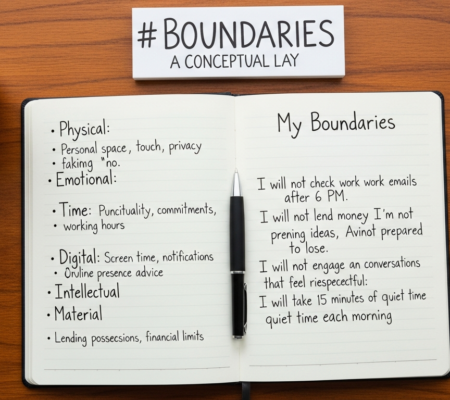
* Consistent Boundary Pushing: You’ve clearly stated a boundary – maybe it’s needing alone time, not wanting certain topics discussed, or respecting your financial decisions – but they repeatedly ignore or test it. Perhaps they show up unannounced when you’ve asked for space, or they “joke” about something you’ve said is off-limits.
* Why it’s a red flag: Boundaries are essential for maintaining your individuality and personal space. Someone who constantly pushes them demonstrates a lack of respect for your autonomy and comfort. It signals that their desires might take precedence over your well-being.
* Actionable Tip: Reiterate your boundary firmly and clearly, once. If it continues, consider the pattern. True respect means honoring your limits. Practice saying “no” to small requests that infringe on your boundaries to build your confidence in asserting them.
* Lack of Active Listening or Constant Interruption: During conversations, do you feel heard? Or do they interrupt frequently, change the subject to themselves, or seem to be waiting for their turn to speak rather than genuinely listening to you?
* Why it’s a red flag: Healthy communication is a two-way street. A partner who doesn’t actively listen isn’t truly engaging with you or valuing your thoughts and feelings. It can leave you feeling unseen and unheard.
* Actionable Tip: Observe their behavior with others too. Is this a general communication style, or specific to you? Try a gentle, “I’m not finished yet,” or “Could you let me finish my thought?” If it persists, it’s a deeper issue.
The Shadow of Control: Autonomy & Independence

Love should feel like freedom, not a cage. When a partner tries to control aspects of your life, it’s a significant red flag that can suffocate your spirit and isolate you from your support systems.
* Isolation from Friends and Family: This often starts subtly. They might express disapproval of your friends, make passive-aggressive comments about your family, or create drama around your plans with others. Eventually, you might find yourself spending less time with loved ones, often to avoid conflict or because you feel guilty.
* Why it’s a red flag: Your support network is crucial for your mental health and sense of self. A controlling partner knows this and tries to sever those ties, making you more dependent on them. This is a classic tactic of manipulation.
* Actionable Tip: Intentionally schedule regular time with your friends and family. Even if it’s just a quick video call, maintain those connections. If your partner reacts negatively, take note. This is a serious red flag.
* Financial Control or Secrecy: Do they demand access to your finances, criticize your spending habits excessively, or prevent you from working or having your own money? Conversely, are they secretive about their own finances, leaving you in the dark about shared responsibilities or future planning?
* Why it’s a red flag: Financial independence is a cornerstone of adult autonomy. Control over your money is a powerful way to control your choices and limit your freedom. Secrecy suggests a lack of trust and transparency.
* Actionable Tip: Maintain your own bank account and financial independence. Understand your personal finances. If you’re already in a relationship with financial red flags, seek advice from a financial advisor or trusted professional who can offer impartial guidance.
* Excessive Jealousy and Possessiveness: While a little affection can be sweet, excessive jealousy that manifests as constant questioning, monitoring your whereabouts, checking your phone, or getting angry when you interact with others (especially opposite genders) is not a sign of love – it’s a sign of insecurity and control.
* Why it’s a red flag: This behavior indicates a lack of trust and a desire to possess you. It can lead to severe restrictions on your social life and personal freedom, creating a suffocating environment.
* Actionable Tip: Set clear boundaries around privacy (e.g., “My phone is personal”) and social interactions. If they cross these boundaries, address it directly and firmly. Recognize that you are not responsible for their insecurity; they are.
* Demanding All Your Time: They seem to expect you to be available for them constantly, getting upset if you make plans that don’t involve them, or making you feel guilty for pursuing your own hobbies and interests.
* Why it’s a red flag: Healthy individuals have their own lives, passions, and commitments. A partner who demands all your time is hindering your personal growth and suggesting your identity should merge entirely with theirs, which is unsustainable and unhealthy.
* Actionable Tip: Prioritize your “me time” and individual pursuits. Schedule them into your week and stick to them. Remind yourself that a healthy relationship supports both partners’ individual fulfillment.
The Erosion of Empathy: Emotional & Psychological Well-being
A loving relationship should be a safe harbor, a place where you feel emotionally supported and understood. Red flags in this area often manifest as a lack of empathy, emotional manipulation, or a constant undermining of your sense of worth.
* Lack of Empathy and Emotional Support: When you’re going through a tough time, do they offer genuine comfort and understanding, or do they minimize your struggles, make it about themselves, or offer unhelpful “tough love”? Do they seem genuinely happy for your successes, or do they subtly diminish them?
* Why it’s a red flag: A partner should be your biggest cheerleader and a source of comfort. A lack of empathy means they struggle to connect with your emotional experience, leaving you feeling alone and unsupported in the relationship.
* Actionable Tip: Pay attention to how they react to both your triumphs and your struggles. Do they lean in or pull away? If you consistently feel emotionally unsupported, consider if this is a pattern you can live with long-term.
* Constant Criticism or Belittling: This can range from subtle put-downs about your appearance, intelligence, or choices to overt insults. Often disguised as “jokes” or “constructive criticism,” these comments chip away at your self-esteem, making you feel inadequate.
* Why it’s a red flag: Love does not belittle. Constant criticism creates a toxic environment where you’re always walking on eggshells, afraid of making a mistake. It’s a form of emotional abuse designed to make you feel lesser than.
* Actionable Tip: Recognize that criticism is often a reflection of the critic’s own insecurities, not your worth. Practice affirmations daily to reinforce your self-worth. If someone consistently makes you feel bad about yourself, that’s their issue, not yours.
* Emotional Manipulation and Playing the Victim: They might use guilt trips, threats of self-harm (not to be confused with genuine mental health crises, which require professional help), or dramatic outbursts to get their way. They frequently portray themselves as the victim in every conflict, shifting blame entirely to you or external circumstances.
* Why it’s a red flag: Emotional manipulation is a power play that disregards your feelings and autonomy. Constantly playing the victim avoids personal responsibility, making it impossible to resolve conflicts constructively.
* Actionable Tip: Do not get drawn into guilt trips. State your position calmly and stick to it. If they threaten self-harm, treat it seriously by contacting appropriate mental health services, but do not allow it to be used as a tool to control you. Recognize that you are not responsible for another adult’s emotional regulation.
Inability to Apologize or Take Responsibility: When conflicts arise, do they genuinely apologize and take responsibility for their part, or do they deflect, blame you, or offer insincere apologies (“I’m sorry you* feel that way”)?
* Why it’s a red flag: A healthy relationship requires both partners to acknowledge their mistakes and commit to doing better. An inability to apologize sincerely indicates a lack of humility, self-awareness, and respect for your feelings.
* Actionable Tip: Observe their pattern. A one-off struggle with apologies can be worked on, but a consistent refusal to take responsibility is a major barrier to growth and trust.
Incongruent Values & Future Visions: Long-Term Compatibility

While passion and chemistry are exciting, a truly lasting and fulfilling relationship is built on shared values and a compatible vision for the future. These red flags often appear as fundamental differences that can become significant obstacles down the line.
* Different Core Values: This isn’t about liking different movies; it’s about fundamental beliefs regarding things like honesty, integrity, family, ambition, spirituality, or how money should be handled. For example, if generosity is a core value for you, but they are consistently frugal to the point of being exploitative, this mismatch will cause friction.
* Why it’s a red flag: Core values are the bedrock of who we are. When partners have deeply divergent values, it leads to constant conflict, resentment, and a feeling that you’re fundamentally misaligned.
* Actionable Tip: Early on, discuss what truly matters to you in life. What are your non-negotiables? What kind of life do you envision? Pay attention to their actions – do they align with the values they profess?
* Avoiding Discussions About the Future (or Having Wildly Different Ones): Do they consistently shut down conversations about commitment, living together, marriage, or children? Or, when you do discuss the future, are your visions completely at odds without any willingness to compromise or explore common ground?
* Why it’s a red flag: For a relationship to progress, both partners need to be on a similar page about its direction. Avoiding these talks suggests a lack of seriousness or a fundamental incompatibility that will inevitably lead to heartbreak.
* Actionable Tip: Be clear about your own desires for the future. If you’re looking for a long-term partnership with specific milestones, communicate that. If your partner is consistently evasive or their vision is incompatible with yours, it’s crucial to acknowledge this reality sooner rather than later.
* Inconsistent Behavior or Unreliability: They say one thing but do another, or their actions don’t match their words. They’re unreliable with commitments, plans, or even their emotional responses. One day they’re loving, the next they’re distant without explanation.
* Why it’s a red flag: Inconsistency breeds insecurity and anxiety. You can’t build trust or a stable future with someone whose behavior is unpredictable and unreliable. It leaves you constantly guessing and feeling unsafe.
* Actionable Tip: Don’t make excuses for inconsistent behavior. Observe the patterns, not just the isolated incidents. Trust your gut feeling when something feels “off.”
The Gut Feeling & Your Inner Wisdom: Don’t Ignore Your Intuition
Sometimes, the biggest red flag isn’t something tangible you can point to, but a persistent, nagging feeling deep within you. Our intuition is a powerful tool, honed by years of experience and subconscious processing.
That Persistent Nagging Feeling: You might not be able to articulate exactly what’s wrong, but something just feels off*. You feel anxious, drained, or uncomfortable around them, even if everything “looks good” on the surface.
* Why it’s a red flag: Your body and mind are picking up on subtle cues that your conscious mind hasn’t fully processed yet. This feeling is your inner wisdom trying to protect you.
* Actionable Tip: Create space for quiet reflection. Journal about how you feel before, during, and after spending time with this person. Pay attention to physical sensations – do you feel tense, energized, or depleted? Your body often knows before your mind does. Consider a digital detox to truly tune into your inner voice.
* Feeling Drained After Spending Time Together: Instead of feeling uplifted, energized, or content, you often feel exhausted, anxious, or emotionally depleted after interacting with them.
* Why it’s a red flag: Healthy relationships should replenish you, not drain you. If you’re consistently feeling depleted, it suggests an imbalance in the relationship or a pattern of emotional labor that falls disproportionately on you.
* Actionable Tip: Prioritize self-care rituals after interactions. This could be a calming bath with essential oils, a mindful walk, listening to relaxing music, or simply spending quiet time alone. Notice if these “recovery” rituals become a necessary routine after every interaction.
* You Find Yourself Making Excuses for Their Behavior: You constantly explain away their actions to yourself, friends, or family. “They’re just stressed,” “They had a tough childhood,” “They don’t mean it.”
* Why it’s a red flag: Making excuses prevents you from seeing the reality of the situation and acknowledging that their behavior is harmful or unacceptable. It often comes from a place of wanting to believe in the best version of them, rather than accepting who they truly are.
* Actionable Tip: Be brutally honest with yourself. If a friend told you about someone behaving this way, what advice would you give them? Would you make excuses for their partner? Likely not. Extend that same honesty and compassion to yourself.
Action Plan: What To Do When You Spot a Red Flag
Spotting a red flag isn’t always a signal to run immediately. Sometimes, it’s a signal to pause, observe, and engage. Here’s a practical guide for how to respond:
1. Acknowledge It: The first step is to simply acknowledge what you’re seeing or feeling. Don’t dismiss it. Your feelings are valid. This is an act of self-love and self-respect.
2. Observe the Pattern: Is this a one-off incident, or is it a recurring pattern? Isolated incidents can sometimes be explained by stress or misunderstanding. A consistent pattern, however, reveals a deeper issue or personality trait.
3. Communicate (If Safe & Appropriate): If it’s a yellow flag (something that concerns you but isn’t immediately deal-breaking), try to communicate your feelings calmly and clearly. Use “I” statements (“I feel X when Y happens”) rather than accusatory “You” statements. See how they respond. Are they open to hearing you, or do they become defensive?
4. Set or Reinforce Boundaries: If the red flag involves your boundaries, reiterate them firmly. For example, “I need alone time to recharge, so I won’t be available tonight.” Or, “I’m not comfortable with you looking through my phone.”
5. Seek External Perspective: Talk to a trusted friend, family member, or therapist. Sometimes, an outside perspective can help you see things more clearly, especially when you’re emotionally invested. They can help you validate your feelings and process what’s happening.
6. Prioritize Self-Care: Dealing with red flags can be emotionally exhausting. Double down on your self-care routine. This might mean more journaling, longer walks, indulging in a calming ritual, or simply taking a break from the relationship to gain clarity. Remember, protecting your peace is self-care.
7. Know When to Walk Away: Not all red flags can be resolved. If the red flags are consistent, deeply impact your well-being, involve abuse (emotional, physical, verbal, financial), or if your partner refuses to acknowledge or work on their behavior, it’s time to consider if this relationship is serving your highest good. Walking away is an act of profound self-respect and courage. It opens the door for healthier, more fulfilling connections.