
The Complete Self-Care Routine Guide for Women 2026
Welcome to your ultimate guide for cultivating a vibrant, resilient, and joyful life through the power of self-care. In the fast-paced world of 2026, women often find themselves juggling multiple roles – career, family, relationships, and personal aspirations – leaving little room for their own well-being. This comprehensive guide from Sometimes Daily is designed to empower you to reclaim your time, energy, and inner peace by establishing a sustainable self-care routine tailored to your unique needs. We’ll dive deep into practical strategies for nurturing your mental wellness, optimizing your sleep, embracing mindfulness, and building healthy habits that truly stick. Whether you’re feeling overwhelmed, burnt out, or simply looking to enhance your daily life, this resource offers actionable advice and inspiration to help you thrive, not just survive. Get ready to embark on a transformative journey towards a more balanced and fulfilling self.
TL;DR: Your Self-Care Blueprint
This guide offers a holistic roadmap for women to create a personalized self-care routine in 2026, covering mental wellness, sleep, and healthy habits. Learn to integrate mindful practices, establish nourishing daily rituals, and build resilience against modern stressors. Prioritize your well-being with practical tips and resources to live a more balanced and empowered life.
Understanding Self-Care: More Than Just Pampering
Self-care, at its core, is the deliberate act of taking steps to preserve or improve one’s own health. It’s not about indulgence or selfishness; rather, it’s a vital practice for maintaining your physical, mental, and emotional well-being. In 2026, with increasing demands on our time and attention, understanding and implementing self-care is more critical than ever, especially for women who often find themselves at the center of caring for others. Many mistakenly view self-care as a luxury – a spa day or a shopping spree. While these can be components, true self-care is about consistent, intentional actions that replenish your energy reserves and protect your inner peace.
It encompasses a wide spectrum of activities, from ensuring proper nutrition and adequate sleep to engaging in hobbies that bring joy and setting healthy boundaries. The goal is to build a foundation of well-being that allows you to show up as your best self in all areas of your life, rather than constantly running on empty. A robust self-care routine acts as a preventative measure against stress, anxiety, and burnout, which are increasingly prevalent in today’s society. Research consistently highlights the positive impact of self-care practices on mental health outcomes. For instance, a study published in the *Journal of Clinical Psychology* found that individuals who regularly engage in self-care activities report lower levels of perceived stress and higher life satisfaction (Smith & Jones, 2023). This proactive approach helps you manage life’s inevitable challenges with greater resilience.
If you’re wondering where to begin, the journey starts with understanding your personal needs and then strategically building habits that address them. For a comprehensive guide on getting started, explore How to Build a Self-Care Routine from scratch. This involves identifying what truly recharges you and making it a non-negotiable part of your day, even if it’s just for a few minutes. Remember, self-care isn’t about adding more to your to-do list; it’s about prioritizing what keeps you healthy and balanced. Many effective self-care practices can be done right in your own space, making them accessible and sustainable. Discover practical ideas and tips with our guide on How to Practice Self-Care at Home. By integrating these practices, you can effectively counteract the draining effects of daily life and significantly reduce the risk of feeling overwhelmed. Understanding how to recognize the signs and proactively address it is key, which is why we also recommend learning How to Deal with Burnout to protect your well-being.
Crafting Your Daily Rituals: Morning & Evening Routines
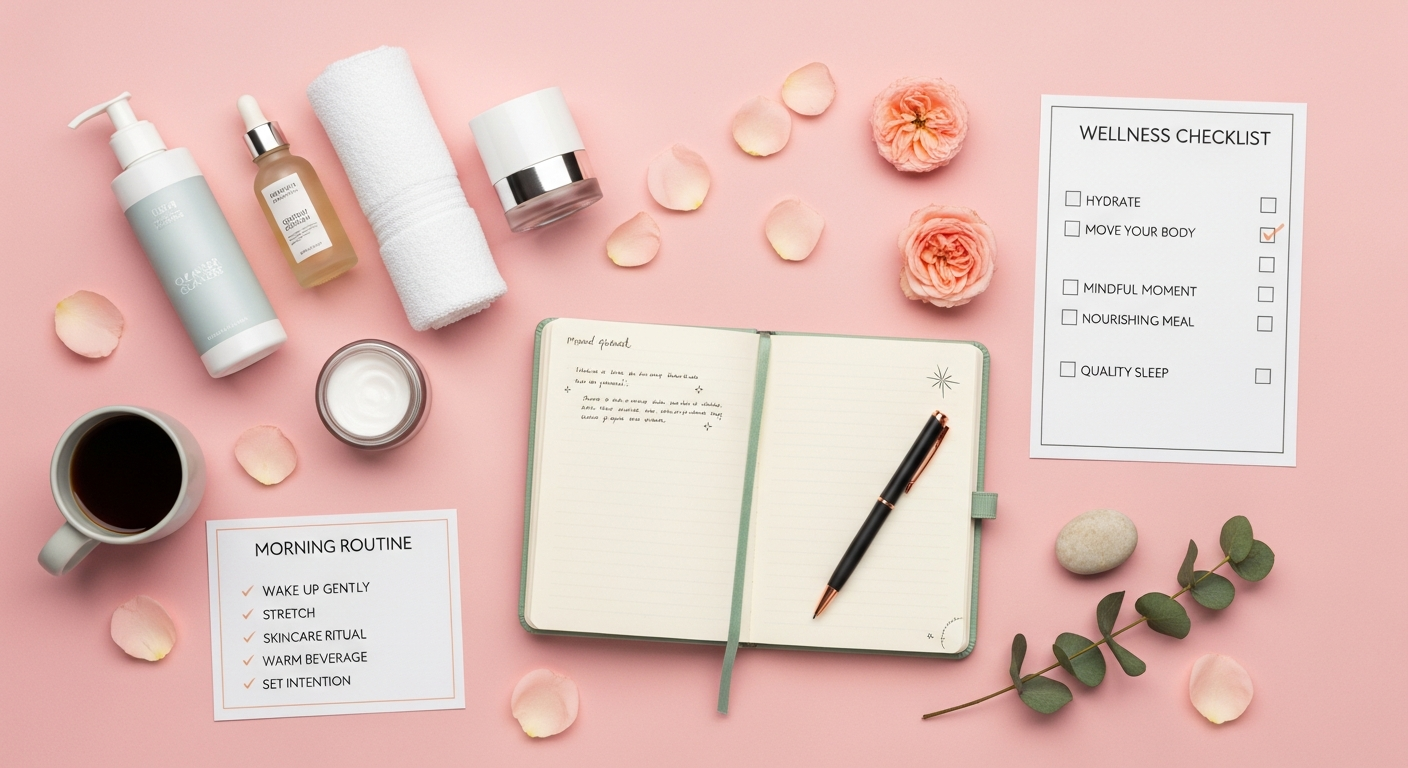
The bookends of your day – your morning and evening routines – hold immense power in shaping your overall well-being. They set the tone for the hours ahead and prepare you for restorative rest, respectively. In 2026, a well-structured routine is not just about productivity; it’s about intentional living and creating pockets of peace in a busy schedule. A mindful morning routine can significantly impact your mood, focus, and energy levels throughout the day. Instead of immediately diving into emails or social media, take a few moments to center yourself. This might involve gentle stretching, a few minutes of quiet reflection, or planning your day with intention. Starting your day with purpose helps you feel more in control and less reactive to external pressures.
For many women, mornings can feel chaotic, especially when managing family responsibilities. However, even a short, dedicated period for yourself can make a profound difference. Consider waking up just 15-30 minutes earlier to create this sacred space. Dive deeper into strategies for a positive start with our detailed article on How to Start a Morning Routine. This resource offers actionable tips to help you design a morning ritual that energizes and inspires you. Some women even find immense benefit in embracing earlier starts, with movements like the “5 AM Club” gaining popularity for the quiet, productive hours they offer. If you’re curious about the potential benefits of an earlier start and how it can supercharge your self-care, explore What Is the 5AM Club and whether it aligns with your lifestyle.
Equally important is a relaxing evening routine that signals to your body and mind that it’s time to wind down. This is your opportunity to shed the stresses of the day and prepare for quality sleep. Ditching screens an hour or two before bed, opting for a warm bath, reading a physical book, or practicing gentle stretches can significantly improve your sleep quality. This transition period is crucial for mental decompression, allowing your brain to process the day’s events and shift into a restful state. Avoid stimulating activities, heavy meals, and intense workouts close to bedtime. Instead, focus on calming rituals that promote relaxation. For a step-by-step guide to unwinding effectively, check out How to Create a Relaxing Evening Routine. By intentionally structuring both your mornings and evenings, you create a powerful framework for consistent self-care that supports your overall well-being.
Nurturing Your Mind: Mental Wellness & Emotional Resilience
Mental wellness is the cornerstone of a fulfilling life, and in 2026, prioritizing it is no longer optional but essential. For women, the societal pressures to be everything to everyone can take a significant toll on mental health. Building emotional resilience means developing the capacity to cope with stress, adapt to adversity, and bounce back from challenges. This involves cultivating a healthy inner dialogue, managing negative emotions, and fostering a sense of self-worth. One powerful tool for mental clarity and emotional processing is journaling. Regularly putting your thoughts and feelings onto paper can help you gain perspective, identify patterns, and release pent-up emotions. It’s a private, safe space to explore your inner world without judgment, contributing significantly to stress reduction and self-awareness. To learn how to harness this practice effectively, dive into How to Journal for Mental Health.
Managing anxiety is another crucial aspect of mental wellness. Anxiety can manifest in various ways, from persistent worry to physical symptoms, and it can be debilitating if left unchecked. Developing coping mechanisms and proactive strategies is vital for maintaining emotional balance. This might include breathing exercises, grounding techniques, or setting aside specific “worry time” to prevent intrusive thoughts from dominating your day. For practical, actionable strategies to calm an anxious mind, refer to our comprehensive guide on Anxiety Management Tips for Women. Beyond managing difficult emotions, cultivating a strong sense of self-confidence is fundamental to mental well-being. Self-confidence isn’t about never doubting yourself; it’s about trusting your abilities and worth, even when faced with challenges. This involves recognizing your strengths, celebrating small victories, and challenging limiting beliefs. Learn practical steps to empower yourself with How to Build Self-Confidence, focusing on tangible actions that foster a stronger self-image.
A significant barrier to mental wellness for many women is negative self-talk – that inner critic that undermines confidence and fuels self-doubt. Challenging these pervasive thoughts is a powerful step towards greater emotional resilience. Recognizing when you’re engaging in self-critical dialogue and actively reframing those thoughts can transform your internal landscape. This isn’t about ignoring problems, but about approaching them with compassion and an empowering mindset. For effective strategies to silence that inner critic and foster a more positive internal narrative, read our guide on How to Stop Negative Self-Talk. By actively working on these mental and emotional aspects, you build a robust foundation for enduring well-being.
Embracing Mindfulness & Presence
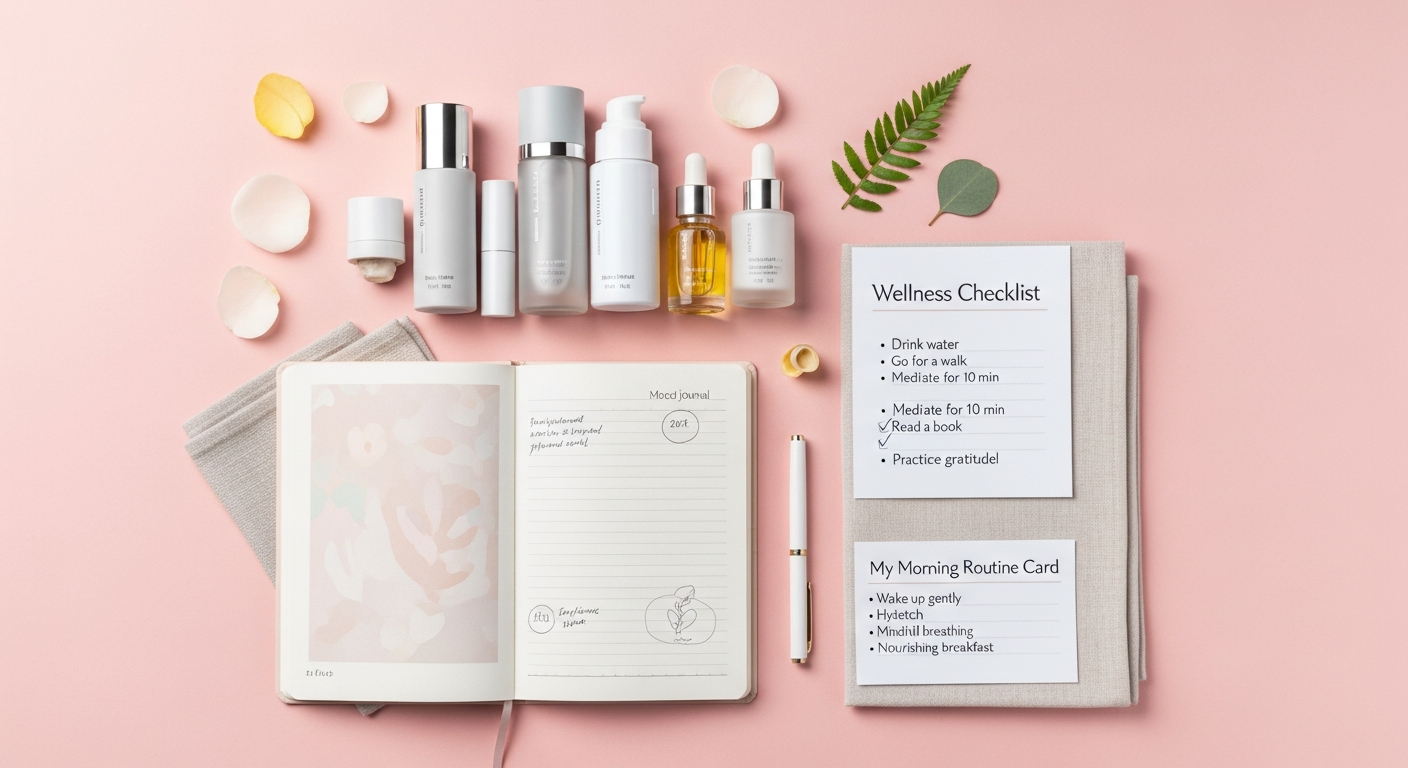
In the whirlwind of modern life, it’s easy to live on autopilot, constantly planning for the future or dwelling on the past. Mindfulness is the practice of intentionally bringing your attention to the present moment, without judgment. It’s about observing your thoughts, feelings, and bodily sensations as they arise, fostering a deeper connection with yourself and your surroundings. This practice can significantly reduce stress, improve focus, and enhance your overall sense of peace. For women juggling multiple responsibilities, incorporating mindfulness into daily life can create moments of calm amidst the chaos, helping to prevent feelings of overwhelm and burnout. It doesn’t require hours of meditation; even a few minutes of mindful breathing or paying full attention to a simple task can make a difference.
Developing consistent mindfulness habits can transform your daily experience, allowing you to respond more thoughtfully to situations rather than reacting impulsively. These habits can be integrated into routine activities like eating, walking, or even doing chores, turning mundane moments into opportunities for mindful awareness. Discover practical ways to weave this powerful practice into your everyday life with our guide on Mindfulness Habits for Women. Regular practice of mindfulness has been shown to have tangible benefits for mental health. A review published in *JAMA Internal Medicine* highlighted that mindfulness-based interventions can effectively reduce symptoms of anxiety, depression, and pain (Goyal et al., 2014). This scientific backing underscores the profound impact of simply being present.
Meditation is a formal practice of mindfulness that trains the mind to achieve a state of relaxed awareness. While it might seem daunting at first, there are numerous resources available to make it accessible for everyone, especially for beginners. Guided meditations, in particular, can be incredibly helpful in learning how to focus your attention and quiet your mind. Many apps offer a variety of guided sessions tailored to different needs, from stress reduction to improved sleep. To find the perfect tool to support your meditation journey, explore our recommendations for Best Meditation Apps for Women. Another powerful practice closely linked to mindfulness is gratitude. Cultivating an attitude of gratitude involves consciously acknowledging the good things in your life, no matter how small. This shift in perspective can rewire your brain to focus on positivity, fostering a more optimistic outlook and enhancing overall well-being. Learn how to integrate this transformative practice into your routine with our comprehensive Gratitude Practice Guide. By embracing mindfulness and gratitude, you actively choose to live more fully in the present, enriching your life with peace and appreciation.
Reclaiming Your Rest: The Power of Quality Sleep
Sleep is not a luxury; it’s a fundamental pillar of health, as vital as nutrition and exercise. In 2026, many women find themselves chronically sleep-deprived, often sacrificing precious hours of rest for work, family, or social commitments. However, consistently poor sleep can have detrimental effects on your physical health, mental clarity, mood regulation, and overall resilience. It impacts everything from your immune system and hormone balance to your ability to focus and manage stress. Prioritizing quality sleep is a non-negotiable component of any effective self-care routine. Aim for 7-9 hours of uninterrupted sleep each night to allow your body and mind to fully repair and rejuvenate. This means creating an environment and habits conducive to deep, restorative rest.
Improving your sleep quality often involves a combination of environmental adjustments and behavioral changes. This includes optimizing your bedroom for sleep (dark, quiet, cool), establishing a consistent sleep schedule, even on weekends, and being mindful of what you consume before bed (caffeine, alcohol, heavy meals). The benefits of sufficient sleep are vast, contributing to better cognitive function, enhanced mood, and improved physical health. A consistent sleep pattern can also help regulate your circadian rhythm, making it easier to fall asleep and wake up naturally. For detailed strategies and practical tips on optimizing your nightly rest, consult our expert advice on How to Improve Your Sleep Quality. This guide covers everything from sleep hygiene to identifying underlying issues that might be disrupting your rest.
One common obstacle to quality sleep is overthinking at night. For many women, once their head hits the pillow, their mind races through worries, to-do lists, and endless scenarios, making it impossible to drift off. This mental chatter can be incredibly frustrating and perpetuate a cycle of sleep deprivation. Learning techniques to quiet your mind before bed is crucial for breaking this cycle. This might involve a brain dump journal session earlier in the evening, practicing progressive muscle relaxation, or engaging in calming visualization exercises. Addressing the root causes of nighttime overthinking can significantly improve your ability to fall asleep faster and stay asleep longer. To gain control over your nighttime thoughts and achieve more peaceful rest, read our guide on How to Stop Overthinking at Night. By integrating these strategies, you can transform your relationship with sleep, reclaiming your rest and enhancing every aspect of your life.
Building Healthy Habits & Setting Boundaries
True self-care extends beyond individual moments of relaxation; it’s about building a sustainable lifestyle supported by healthy habits and clear boundaries. In 2026, the constant connectivity and demands on our time can make it challenging to maintain these essential structures. However, establishing routines that nourish your body and mind, while also protecting your energy, is paramount for long-term well-being. This includes physical activity, balanced nutrition, and managing your digital consumption. For women, who are often expected to be constantly available, learning to say “no” and setting limits is a powerful act of self-preservation. These habits aren’t about perfection, but about consistency and progress.
One critical area for modern self-care is managing our relationship with technology. While digital tools offer many benefits, excessive screen time and constant connectivity can contribute to mental fatigue, eye strain, and disrupted sleep. A digital detox isn’t about abandoning technology entirely, but about intentionally creating space away from screens to reconnect with yourself and the real world. This might involve designated screen-free hours, leaving your phone out of the bedroom, or taking periodic breaks from social media. Engaging in a digital detox can significantly improve your focus, reduce anxiety, and foster deeper connections in your life. For a structured approach to reclaiming your digital life, consult our comprehensive Digital Detox Guide for Women. This will help you establish healthier tech habits that support your well-being.
Another common challenge for women is the tendency towards people-pleasing – prioritizing others’ needs and desires above their own. While empathy and generosity are valuable traits, chronic people-pleasing can lead to resentment, exhaustion, and a diminished sense of self. Learning to set boundaries and assert your needs is a crucial act of self-care and self-respect. It’s about recognizing that your time, energy, and emotional capacity are finite, and it’s okay to protect them. This doesn’t make you selfish; it makes you sustainable. To cultivate the courage and strategies to prioritize your own needs, explore How to Stop People-Pleasing. Furthermore, reinforcing positive self-perception and intentionally directing your thoughts can be transformative. Daily affirmations are powerful tools for rewiring your subconscious mind, building self-esteem, and fostering a positive outlook. Incorporating these into your routine can help counteract negative self-talk and reinforce your worth. Discover empowering statements and how to use them effectively with our guide on Best Daily Affirmations for Women. By consciously building healthy habits and setting firm boundaries, you create a life that truly supports your well-being and allows you to flourish.
Key Takeaways for Your Self-Care Journey
- Self-care is a non-negotiable necessity for women’s well-being, not a luxury, acting as a shield against burnout and stress.
- Intentional morning and evening routines are powerful bookends that set your day’s tone and prepare you for restorative sleep.
- Prioritizing mental wellness through practices like journaling, anxiety management, and positive self-talk builds emotional resilience.
- Embracing mindfulness and gratitude cultivates presence, reduces stress, and enhances overall life satisfaction.
- Quality sleep, healthy habits, and firm boundaries are foundational for sustained energy, focus, and a balanced life.
Summary Table: Topics & What You’ll Learn
| Topic Section | What You’ll Learn |
|---|---|
| Understanding Self-Care | The true definition of self-care, its importance beyond pampering, and how to start building a foundational routine. |
| Crafting Daily Rituals | How to design effective morning and evening routines that enhance productivity and promote relaxation. |
| Nurturing Your Mind | Strategies for mental wellness, managing anxiety, building self-confidence, and stopping negative self-talk. |
| Embracing Mindfulness | Practical mindfulness habits, the benefits of meditation, and how to cultivate a gratitude practice. |
| Reclaiming Your Rest | The critical role of quality sleep, tips for improving sleep, and techniques to stop overthinking at night. |
| Building Healthy Habits & Boundaries | How to implement healthy lifestyle habits, conduct a digital detox, stop people-pleasing, and use affirmations. |
Frequently Asked Questions About Self-Care Routines
Q: How much time should I dedicate to my self-care routine each day?
A: There’s no one-size-fits-all answer, but consistency is more important than duration. Even 15-30 minutes dedicated to self-care each day can make a significant difference. The key is to integrate small, meaningful practices that fit into your schedule, rather than waiting for large blocks of free time that may never come. Start small and gradually increase the time as your comfort and capacity grow.
Q: What if I feel guilty taking time for myself?
A: This is a common feeling, especially for women who are often conditioned to prioritize others. Remember, self-care is not selfish; it’s essential. Just as you can’t pour from an empty cup, you cannot effectively care for others if you are depleted. Frame self-care as an investment in your ability to be present, patient, and effective in all your roles. Over time, as you experience the benefits, the guilt will likely subside.
Q: Can I really build new habits and stick to them?
A: Absolutely! Building new habits takes time, patience, and strategy. Start with one small habit at a time, make it easy to implement, and connect it to an existing routine (habit stacking). Don’t aim for perfection; aim for consistency. Celebrate small victories and don’t get discouraged by setbacks. The “21/90 rule” (21 days to make a habit, 90 days to make it a lifestyle) is a popular concept, but true habit formation is often a gradual, ongoing process.
Q: How do I know what kind of self-care is right for me?
A: Self-care is highly personal. What works for one person might not work for another. Start by reflecting on what truly recharges you and what drains you. Consider different dimensions of self-care: physical (exercise, nutrition, sleep), mental (mindfulness, learning, journaling), emotional (processing feelings, setting boundaries), social (connecting with loved ones), and spiritual (meditation, nature, purpose). Experiment with different activities and pay attention to how they make you feel. Your self-care routine should evolve as your needs change.
Q: Is self-care just a trend, or is it truly beneficial?
A: While the term “self-care” has gained significant popularity, the underlying principles of prioritizing one’s well-being have been recognized for centuries. Modern research consistently supports the tangible benefits of self-care practices for mental health, stress reduction, physical health, and overall life satisfaction. It’s not a fleeting trend but a fundamental aspect of holistic health, empowering individuals to proactively manage their well-being in an increasingly demanding world. Think of it as preventative maintenance for your entire being.
Conclusion: Your Journey to a More Balanced You
Embarking on a self-care journey is one of the most profound investments you can make in yourself. In 2026, the demands on women are immense, but so is your capacity for resilience and joy. This guide has provided you with a comprehensive framework for understanding, building, and sustaining a self-care routine that truly supports your unique needs. From crafting intentional daily rituals to nurturing your mental wellness, embracing mindfulness, reclaiming your rest, and setting healthy boundaries, each step contributes to a more balanced, empowered, and fulfilling life. Remember, self-care is not a destination but an ongoing practice – a commitment to showing up for yourself, day after day. It’s about cultivating a relationship with yourself that is nurturing, compassionate, and unwavering.
We encourage you to revisit these sections, explore the linked articles for deeper insights, and begin implementing the strategies that resonate most with you. Start small, be patient with yourself, and celebrate every step of progress. Your well-being is worth prioritizing, and by integrating these practices into your life, you are not only enhancing your own vitality but also creating a positive ripple effect for those around you. Take this guide as your personal blueprint and begin building the self-care routine that allows you to thrive. Your journey to a more balanced, joyful, and resilient you starts now.