

Dr. Anya Sharma is a clinical psychologist specializing in women’s mental health and emotional well-being. With over 15 years of experience, she is dedicated to empowering individuals with evidence-based strategies for resilience and self-mastery. Her work focuses on integrating mindfulness, cognitive behavioral techniques, and compassionate self-care practices.
Master Your Mood: Essential Emotional Regulation Techniques for Women
Understanding Emotional Regulation: Why It’s Crucial for Women
Emotional regulation refers to the ability to influence which emotions we have, when we have them, and how we experience and express them. It’s a fundamental aspect of mental health and resilience, allowing us to adapt to various situations without being completely swept away by our feelings. For women, in particular, the societal pressures, hormonal fluctuations, and often heightened empathic tendencies can create a unique emotional landscape, making effective regulation even more vital.
Historically, women have often been socialized to suppress “negative” emotions like anger or assertiveness, while being expected to embody nurturing and selfless roles. This can lead to a build-up of unexpressed feelings, manifesting as chronic stress, anxiety, or even physical ailments. Research consistently shows that women report higher rates of anxiety disorders and depression compared to men, highlighting the critical need for robust emotional coping mechanisms. Furthermore, hormonal shifts throughout the menstrual cycle, pregnancy, and menopause can significantly impact mood and emotional sensitivity, requiring adaptable and compassionate self-regulation strategies.
Effective emotional regulation isn’t about eradicating “bad” feelings; it’s about recognizing them, understanding their messages, and choosing how to respond constructively. It’s about developing emotional agility – the capacity to move through emotions with grace and intention. When we can regulate our emotions, we enhance our relationships, make better decisions, improve our problem-solving skills, and protect our mental and physical health. It allows us to experience the full spectrum of human emotions without feeling consumed by them, fostering a sense of inner peace and control in a world that often feels chaotic. Think of it as building your internal “stress buffer,” enabling you to face life’s inevitable challenges with greater strength and stability.
How to Begin Your Emotional Regulation Journey: Initial Steps
- Reflect on Your Emotional Triggers: Keep a journal for a week, noting down situations, thoughts, or interactions that consistently lead to strong emotional responses. Understanding these patterns is the first step towards changing your reactions.
- Identify Your Current Coping Mechanisms: Be honest about how you typically handle difficult emotions. Do you suppress, distract, ruminate, or lash out? Recognizing less helpful patterns is crucial for replacing them with healthier alternatives.
- Commit to Self-Compassion: Remember that having strong emotions is a normal human experience. Avoid self-criticism for feeling a certain way. Instead, practice acknowledging your feelings with kindness, as you would a friend.
Self-Awareness: The Cornerstone of Emotional Regulation Techniques for Women
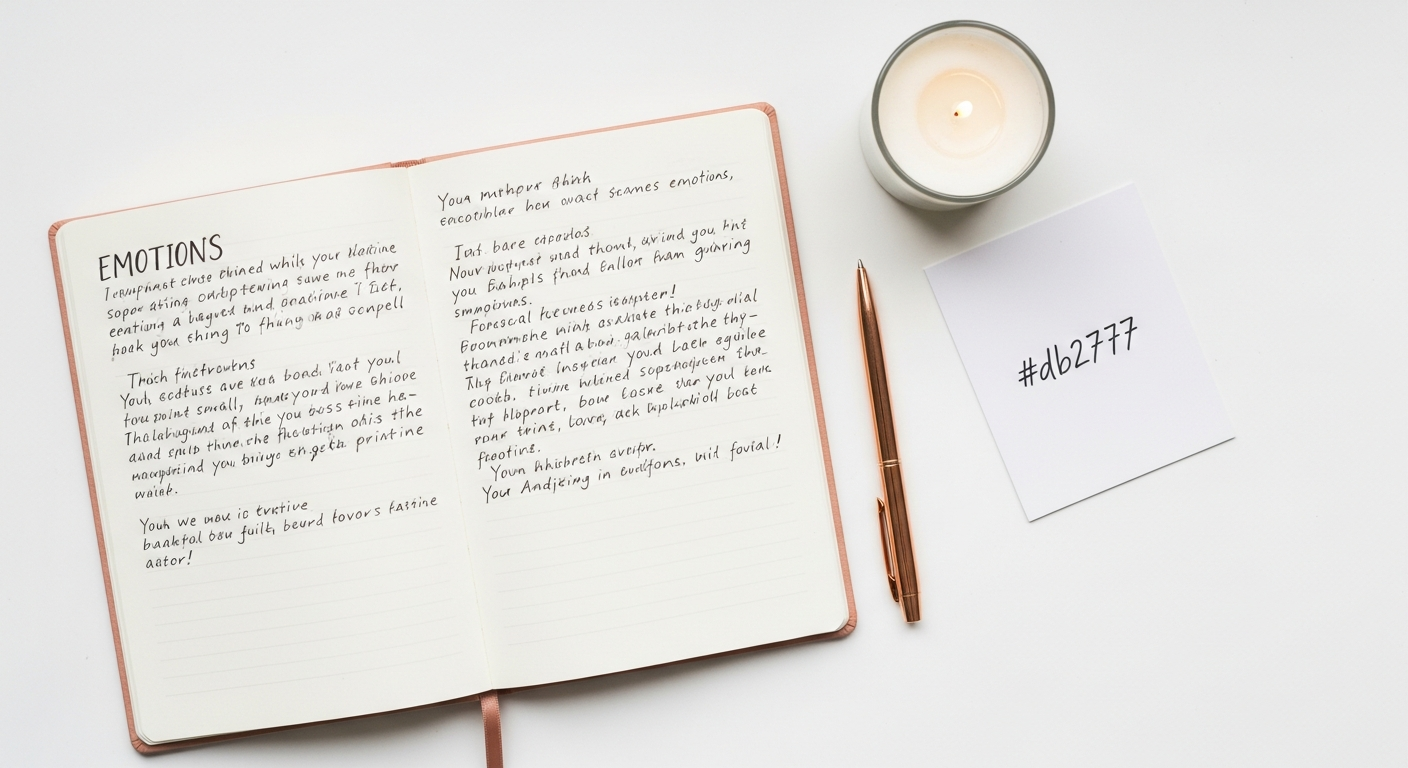
Before we can effectively regulate our emotions, we must first be aware of them. Self-awareness is the foundational step in any meaningful journey toward emotional mastery. It involves the ability to accurately identify, understand, and label what we are feeling in the present moment. For many women, who are often conditioned to prioritize others’ needs or to dismiss their own emotional discomfort, cultivating this internal awareness can be a profound and liberating practice.
Studies in psychology consistently link higher levels of emotional self-awareness to greater psychological well-being and more adaptive coping strategies. When you can pinpoint an emotion—whether it’s “frustration” rather than just “bad,” or “overwhelmed” instead of “stressed”—you gain a sense of agency. This precise labeling, often called “affect labeling,” can actually reduce the intensity of the emotion by engaging the prefrontal cortex, the brain’s rational processing center, and dampening activity in the amygdala, our emotional alarm system. Think of it as shining a spotlight on a shadowy room; once you can see what’s there, it becomes less intimidating.
Developing self-awareness also means tuning into the physical sensations that accompany emotions. Anxiety might manifest as a tight chest or butterflies in the stomach. Anger might feel like heat in the face or clenched fists. By noticing these bodily signals, you can catch emotions early, sometimes even before they fully escalate, giving you a greater window of opportunity to employ regulating techniques. This internal check-in becomes a powerful tool in your repertoire of emotional regulation techniques for women, allowing you to intercept and reroute emotional spirals before they gain too much momentum.
Practical Steps to Cultivate Emotional Self-Awareness
- Practice Body Scans: Sit or lie down comfortably. Close your eyes and systematically bring your attention to different parts of your body, noticing any sensations without judgment. How do your shoulders feel? Your stomach? Your jaw? This helps connect mind and body.
- Expand Your Emotional Vocabulary: Move beyond basic labels like “happy,” “sad,” or “angry.” Use an emotions wheel or a list of feeling words to pinpoint more nuanced emotions (e.g., “irritated,” “disappointed,” “anxious,” “elated,” “content”). The more precise you are, the better you can understand the underlying need.
- “Name It to Tame It”: When you feel a strong emotion arising, pause and mentally (or verbally) label it. For example, “I’m feeling intense frustration right now,” or “This is anxiety.” This simple act creates a small space between you and the emotion, reducing its immediate power.
Mindfulness and Acceptance-Based Strategies
Once you’ve cultivated self-awareness, the next crucial step in mastering emotional regulation techniques for women involves mindfulness and acceptance. Mindfulness is the practice of paying attention to the present moment, on purpose and without judgment. It’s about observing your thoughts, feelings, and bodily sensations as they arise, allowing them to be there without trying to change, suppress, or enhance them. For women who often carry the weight of perfectionism or a constant need to “fix” things, this acceptance-based approach can be revolutionary.
Research on mindfulness-based interventions (MBIs) has consistently demonstrated their effectiveness in reducing symptoms of anxiety, depression, and stress, while simultaneously improving emotional regulation skills. A meta-analysis published in JAMA Internal Medicine, for instance, showed that MBIs were as effective as antidepressants for some conditions.[1] The core principle here is that resisting difficult emotions often amplifies them, creating a secondary layer of suffering (e.g., “I’m angry, and now I’m angry at myself for being angry”). Acceptance, on the other hand, acknowledges the emotion without judgment, which paradoxically often diminishes its intensity.
Acceptance doesn’t mean resignation or approval; it simply means recognizing “this is what I am experiencing right now.” It creates psychological space for you to observe the emotion rather than being consumed by it. For example, if you’re feeling a wave of overwhelm, a mindfulness practice would involve noticing the physical sensations, the thoughts running through your mind, and the urge to react, all while gently reminding yourself, “This is overwhelming, and it’s okay to feel this right now.” This approach can be particularly empowering for women who may feel guilty or ashamed about experiencing certain emotions. By practicing mindful acceptance, you learn that emotions are temporary visitors, not permanent residents, and that you have the capacity to observe them pass without getting caught in their current.
Mindfulness and Acceptance: How to Practice These Strategies
- Mindful Breathing: When you notice a strong emotion, pause and bring your full attention to your breath. Inhale deeply through your nose, feeling your belly rise, and exhale slowly through your mouth. Count your breaths (e.g., 4 seconds in, 6 seconds out). Do this for 2-5 minutes. This simple act grounds you in the present and activates your parasympathetic nervous system.
- The “Observe, Describe, Participate” Technique: This DBT (Dialectical Behavior Therapy) skill involves:
- Observe: Notice your emotions, thoughts, and sensations without judgment.
- Describe: Put words to what you’re observing without adding interpretation (e.g., “My heart is racing,” not “I’m having a panic attack”).
- Participate: Fully engage in what you are doing in the present moment, even while experiencing difficult emotions.
- Radical Acceptance Practice: When faced with an unchangeable situation or an overwhelming emotion, mentally (or verbally) state, “I accept this situation/feeling exactly as it is right now.” This isn’t about liking it, but about ceasing the fight against reality, which often reduces suffering.
Cognitive Restructuring: Reshaping Your Thoughts for Emotional Balance
Our thoughts play a monumental role in shaping our emotions. Often, it’s not the external event itself that distresses us, but our interpretation of it. Cognitive restructuring is a powerful therapeutic technique, central to Cognitive Behavioral Therapy (CBT), that involves identifying, challenging, and changing unhelpful or irrational thought patterns. This is a vital component of effective emotional regulation techniques for women, as we often fall into common cognitive traps like overthinking, catastrophizing, or self-blame.
For example, if a friend cancels plans, an unhelpful thought might be, “She doesn’t like me anymore; I’m always rejected.” This thought will likely trigger feelings of sadness, loneliness, or anger. Cognitive restructuring encourages you to question that thought: “Is there evidence for this? What’s another explanation? Perhaps she’s genuinely busy or unwell.” By challenging the initial negative interpretation, you open the door to more balanced and realistic thoughts, which in turn lead to more manageable emotions.
Research consistently validates the efficacy of cognitive restructuring. A review published in the Journal of Consulting and Clinical Psychology highlighted CBT’s robust evidence base for treating a range of emotional disorders by targeting maladaptive thought patterns. For women, who are sometimes more prone to rumination or taking things personally due to societal conditioning, learning to actively reframe thoughts can be incredibly empowering. It shifts you from being a passive recipient of your thoughts to an active participant in shaping your mental landscape. This doesn’t mean ignoring problems or adopting “toxic positivity”; it means developing a more flexible and realistic perspective that reduces emotional distress.
Cognitive Restructuring: How to Reshape Your Thoughts
- Identify Thought Distortions: Familiarize yourself with common cognitive distortions (e.g., catastrophizing, all-or-nothing thinking, mind-reading, personalizing). When you feel distressed, ask yourself if your thoughts fit any of these categories.
- Example: “I made a small mistake at work, I’m such a failure.” (All-or-nothing thinking)
- The “Socratic Questioning” Method: When you identify a distressing thought, ask yourself:
- Is this thought 100% true? What evidence supports it? What evidence contradicts it?
- Is there another way of looking at this situation?
- What would I tell a friend who had this exact thought?
- How does thinking this way help or hurt me?
- What’s a more balanced or helpful thought?
- Practice Positive Self-Talk and Affirmations: Intentionally replace negative self-talk with constructive, realistic affirmations. Instead of “I can’t do this,” try “This is challenging, but I will try my best and learn along the way.” Consistency is key to rewiring neural pathways.
Behavioral Techniques: Taking Action to Shift Your Mood and State
While understanding our thoughts and feelings is crucial, sometimes the most direct path to emotional regulation is through our actions. Behavioral techniques involve proactively engaging in activities or changing our physical state to influence our emotional experience. These are incredibly practical emotional regulation techniques for women, especially when emotions feel overwhelming and cognitive efforts seem insufficient. The adage “action precedes motivation” often holds true in the realm of emotional management.
These techniques are not about avoiding emotions but about creating space and capacity to process them constructively. For example, if you’re feeling overwhelmed, taking a brisk walk isn’t about ignoring the overwhelm, but about creating a physiological shift that makes it easier to think clearly and problem-solve later. Women often benefit immensely from these strategies, as they provide tangible ways to exert control when internal feelings might feel out of control. It’s about empowering yourself through deliberate action, rather than passively waiting for emotions to subside.
Behavioral Techniques: How to Take Action to Shift Your Mood
- Engage in Distraction (Constructively): When an emotion is too intense to process immediately, temporarily shift your focus. This isn’t avoidance, but a strategic pause. Engage in an absorbing activity: read a captivating book, listen to music, watch a funny video, do a puzzle, or call a friend. Set a time limit for distraction (e.g., 20 minutes), then return to address the emotion when you feel calmer.
- Practice “Opposite Action”: This DBT skill is particularly useful for unhelpful emotions like anger, sadness, or anxiety. If you feel angry and want to lash out, try a calming action like deep breathing or walking away. If you feel sad and want to isolate, try reaching out to a supportive friend. Doing the opposite of what your unhelpful urge dictates can often change the emotion itself.
- Utilize Sensory Grounding Techniques: When feeling overwhelmed or anxious, engage your five senses:
- See: Look around and name 5 blue objects.
- Hear: Listen for 4 distinct sounds.
- Touch: Notice 3 things you can feel (e.g., your clothes, the chair, the temperature).
- Smell: Identify 2 smells.
- Taste: Notice 1 taste in your mouth.
This helps anchor you in the present moment.
- Implement “TIPP” Skills (DBT-informed for intense emotions):
- T: Temperature – Splash cold water on your face or hold an ice pack.
- I: Intense Exercise – Do burst of vigorous activity (e.g., jumping jacks, running stairs).
- P: Paced Breathing – Slow, deep breathing (e.g., box breathing).
- P: Paired Muscle Relaxation – Tense and then relax different muscle groups in your body.
Building Emotional Resilience Through Lifestyle Factors
While specific techniques help manage immediate emotional challenges, true mastery of emotional regulation techniques for women also involves cultivating a lifestyle that naturally supports emotional well-being and resilience. Our daily habits and fundamental self-care practices form the bedrock upon which our capacity to handle stress and emotions rests. Neglecting these basics makes us far more vulnerable to emotional dysregulation, turning small stressors into significant crises.
Consider the impact of sleep: Chronic sleep deprivation not only impairs cognitive function but also significantly compromises our ability to regulate emotions. Studies from institutions like the University of California, Berkeley, have shown that insufficient sleep makes the amygdala (our brain’s emotional center) hyper-reactive, while reducing the prefrontal cortex’s ability to modulate those reactions.[2] This means we’re more likely to overreact to minor irritations and struggle to calm ourselves down. Similarly, poor nutrition, lack of physical activity, and social isolation all contribute to a weakened emotional infrastructure.
How to Build Emotional Resilience Through Lifestyle Changes
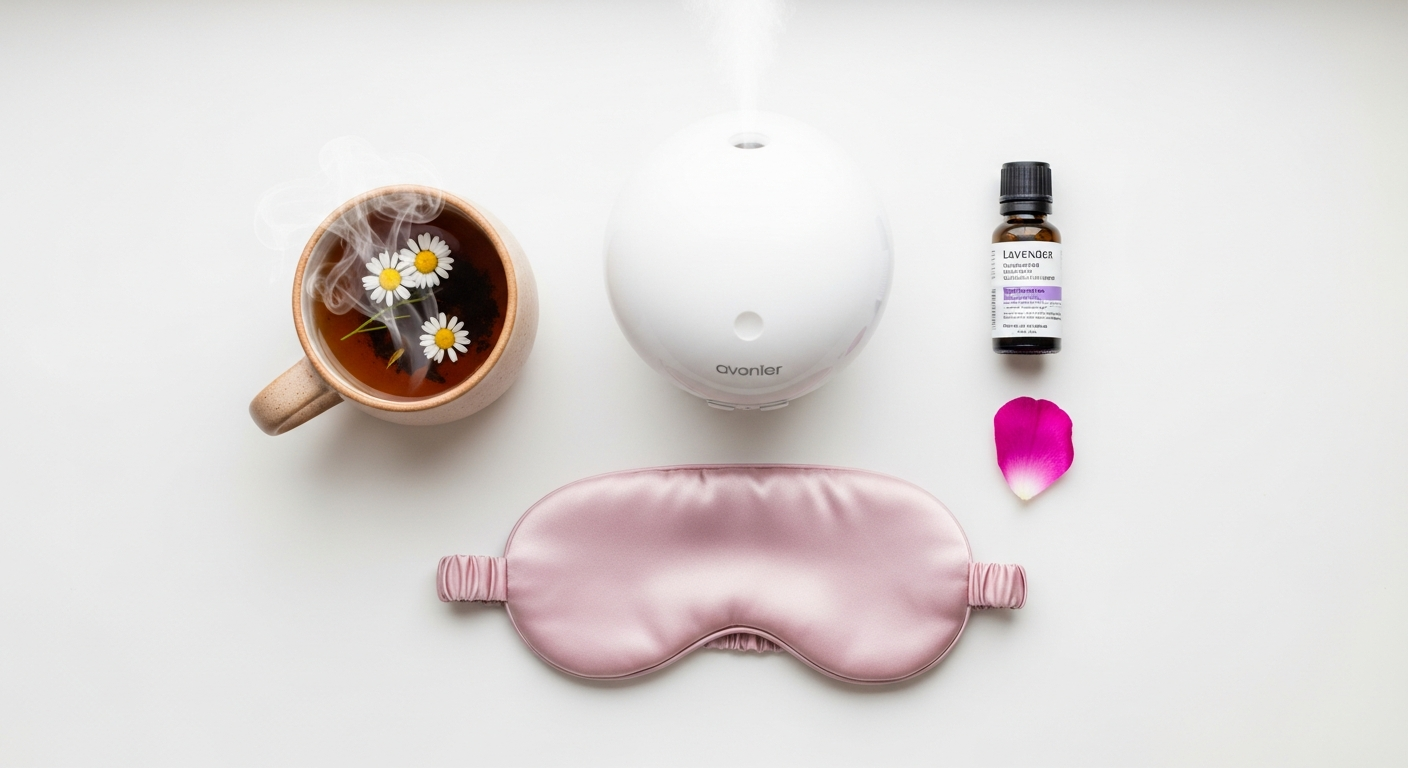
- Prioritize Quality Sleep: Aim for 7-9 hours of sleep per night. Establish a consistent sleep schedule, create a relaxing bedtime routine (e.g., dim lights, no screens, warm bath), and optimize your sleep environment for darkness, quiet, and cool temperatures.
- Nourish Your Body Mindfully: Focus on a balanced diet rich in whole foods, lean proteins, healthy fats (especially Omega-3s), and complex carbohydrates. Limit processed foods, excessive sugar, and caffeine, which can exacerbate mood swings and anxiety. Hydrate consistently throughout the day.
- Move Your Body Regularly: Incorporate at least 30 minutes of moderate-intensity exercise most days of the week. This could be walking, yoga, dancing, cycling, or strength training. Find activities you enjoy to make it sustainable.
- Cultivate Meaningful Social Connections: Actively nurture relationships with supportive friends, family, or community groups. Regularly connect with others who uplift you, offer different perspectives, and provide a safe space to share your experiences.
- Schedule “Me Time”: Deliberately set aside time each day or week for activities that bring you joy, relaxation, and rejuvenation, free from external demands. This could be reading, gardening, creative hobbies, or simply quiet reflection.
When to Seek Professional Support
While these emotional regulation techniques for women are incredibly powerful tools for self-management, it’s equally important to recognize when professional support may be necessary. There’s a common misconception that seeking therapy or counseling indicates weakness or a failure to cope, particularly among women who are often pressured to appear “strong” and self-sufficient. In reality, it’s an act of profound strength and self-care to acknowledge when you need additional guidance and expertise.
You might consider professional help if:
- Your emotions consistently feel overwhelming, persistent, or difficult to control despite trying self-help techniques.
- Your emotional responses are significantly impacting your relationships, work, or daily functioning.
- You experience prolonged periods of sadness, hopelessness, anxiety, or irritability.
- You find yourself relying on unhealthy coping mechanisms (e.g., excessive alcohol, substance use, disordered eating, self-harm).
- You have thoughts of harming yourself or others.
- Your emotional struggles are accompanied by physical symptoms like chronic fatigue, sleep disturbances, or unexplained aches and pains.
Therapists, particularly those trained in modalities like Cognitive Behavioral Therapy (CBT), Dialectical Behavior Therapy (DBT), or Acceptance and Commitment Therapy (ACT), can provide personalized strategies and a safe space to explore the root causes of emotional dysregulation. DBT, in particular, was originally developed to help individuals with intense emotional swings and has a strong focus on teaching practical emotional regulation, distress tolerance, and interpersonal effectiveness skills. A mental health professional can offer an objective perspective, validate your experiences, and equip you with advanced, tailored strategies that may be difficult to implement on your own. Remember, asking for help is not giving up; it’s choosing to invest in your mental and emotional health, ultimately leading to a more resilient and fulfilling life.
When and How to Seek Professional Support
- Research Mental Health Professionals: Look for licensed therapists, psychologists, or counselors in your area. Websites like Psychology Today, Zocdoc, or your insurance provider’s directory can be good starting points. Consider therapists who specialize in CBT, DBT, or women’s mental health.
- Schedule a Consultation: Many therapists offer free initial consultations. Use this opportunity to discuss your concerns, ask about their approach, and assess if you feel a good rapport with them.
- Talk to Your Doctor: Your primary care physician can be an excellent resource. They can rule out any underlying medical conditions affecting your mood, provide referrals to mental health specialists, or discuss medication options if appropriate.
- Utilize Crisis Resources if Needed: If you are in immediate distress or having thoughts of self-harm, please reach out for help immediately.
- National Suicide Prevention Lifeline: Call or text 988
- Crisis Text Line: Text HOME to 741741
Conclusion: Embrace Your Emotional Agility
Mastering your mood is not about achieving a state of perpetual calm or suppressing the natural ebb and flow of human emotion. Instead, it’s about cultivating emotional agility—the capacity to experience all your feelings, even the difficult ones, with greater awareness, acceptance, and intentionality. The emotional regulation techniques for women we’ve explored, from foundational self-awareness and mindfulness to cognitive restructuring, behavioral interventions, and a supportive lifestyle, provide a comprehensive roadmap for navigating your internal world with grace and strength.
Remember that this journey is not a sprint, but a marathon. There will be days when you feel entirely in tune with your emotions, and others when you might feel completely overwhelmed. The key is consistent practice, patience, and self-compassion. Each time you pause to name an emotion, challenge a negative thought, or choose a mindful breath over a reactive outburst, you are strengthening your emotional muscle. You are building resilience, enhancing your relationships, and creating a more peaceful and empowered existence for yourself.
At Sometimes Daily, we believe in empowering women to live their fullest, most authentic lives. By embracing these powerful techniques, you’re not just managing your mood; you’re reclaiming your inner landscape, fostering profound self-care, and stepping into a more vibrant version of yourself. Start small, be kind to yourself, and celebrate every step of your journey toward emotional mastery. Your well-being is worth the effort.
Next Step: Choose one technique from this article that resonates most with you and commit to practicing it daily for the next week. Observe how this small, consistent effort begins to shift your emotional experience.
Further Reading and Resources
- Mindfulness-Based Stress Reduction and Mindfulness-Based Cognitive Therapy: A Systematic Review and Meta-analysis of Randomized Controlled Trials – JAMA Internal Medicine
- UC Berkeley News – Sleep Deprivation Makes Brain More Reactive to Negative Experiences
- American Psychological Association (APA) – Emotional Regulation
- National Institute of Mental Health (NIMH) – Anxiety Disorders
Frequently Asked Questions