
Building a wardrobe that truly resonates with your unique self can be a transformative experience, deeply intertwined with your overall well-being. Imagine opening your closet each morning to a collection of garments that consistently make you feel confident, comfortable, and authentically you. This is the essence of curating a capsule wardrobe for different body types – a strategic approach to dressing that celebrates your individual shape while simplifying your daily routine.
This comprehensive guide from sometimesdaily empowers women to move beyond fleeting trends, focusing instead on timeless, versatile pieces that enhance their natural physique. By understanding how to select clothing tailored to your distinct silhouette, you unlock a powerful tool for self-expression, reducing decision fatigue and fostering a profound sense of self-acceptance that contributes to your holistic well-being.
What is a Capsule Wardrobe and Why Does it Matter for Your Well-being?
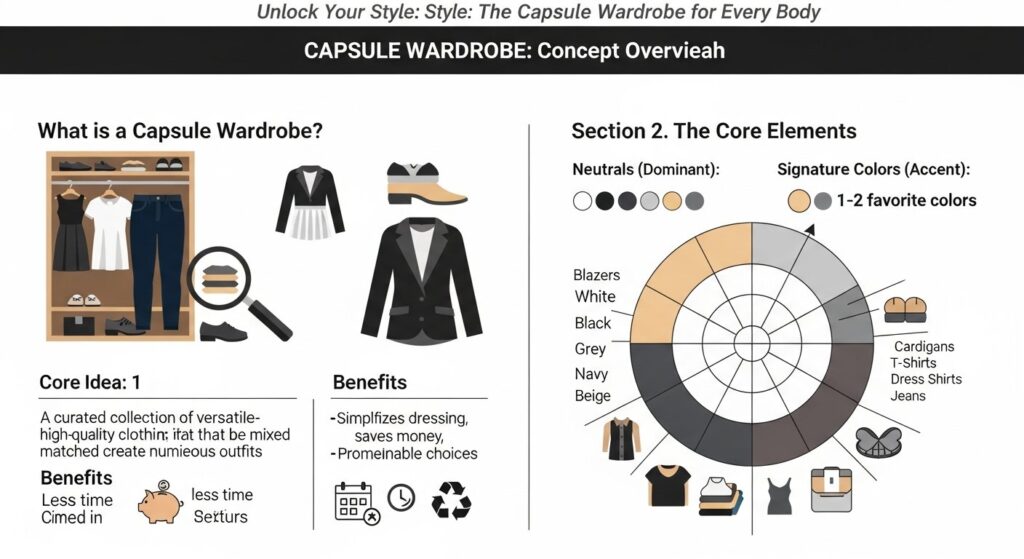
At its core, a capsule wardrobe is a curated collection of essential, versatile clothing items that can be mixed and matched to create numerous outfits. The concept champions intentionality over excess, advocating for fewer, higher-quality pieces that stand the test of time and transcend seasonal fads. This minimalist closet approach extends beyond just aesthetics; it’s a practice rooted in mindful consumption and strategic planning that profoundly impacts your daily life and mental state.
The benefits of adopting a streamlined wardrobe are extensive, contributing significantly to your holistic well-being:
- Reduced Decision Fatigue: With fewer, carefully selected items, the daily dilemma of “what to wear” diminishes, freeing up mental energy for more important aspects of your life. This reduction in cognitive load is a direct boost to overall mental clarity.
- Enhanced Self-Confidence: When every garment in your closet genuinely flatters your form and aligns with your personal aesthetic, you naturally feel more assured and comfortable in your skin. This consistent feeling of looking good translates directly into a more confident demeanor.
- Financial Prudence: Investing in durable, classic pieces means fewer impulse purchases and a longer lifespan for your clothing, leading to significant savings over time. This mindful financial approach reduces stress and supports long-term well-being.
- Sustainability and Ethics: A thoughtfully constructed clothing system inherently promotes sustainable fashion. By choosing quality over quantity and supporting brands committed to ethical practices, you contribute positively to environmental and social well-being.
- Authentic Self-Expression: A well-defined collection of clothing allows you to hone your personal style and express your authentic self without distraction. It’s about wearing clothes that tell your story, rather than being dictated by fleeting trends.
For women seeking holistic well-being, a well-curated wardrobe offers a tangible pathway to a more organized, less stressful, and authentically expressive life. It’s not about deprivation, but about liberation through conscious choice.
Understanding Your Unique Body Type: The Foundation of Flattering Style
Before curating your ideal streamlined wardrobe tailored to your shape, it’s crucial to understand your own unique shape. This foundational knowledge empowers you to select garments that truly flatter your figure, fostering a deeper sense of self-acceptance and contributing significantly to your holistic well-being. Identifying your body type isn’t about rigid categorization, but about understanding proportions and using clothing to create balance and highlight your best features.
There are generally five common female body types, each with distinct characteristics:
- The Hourglass Figure: Characterized by a well-defined waist with a bust and hips that are roughly equal in proportion.
- The Pear Shape (Triangle): Hips are wider than the bust and shoulders, with a clearly defined waist.
- The Apple Body Type (Inverted Triangle): Broader shoulders or bust compared to narrower hips, often with a less defined waist.
- The Rectangle Silhouette: Shoulders, bust, and hips are roughly the same width, with a minimal waist definition.
- The Inverted Triangle: Shoulders or bust are significantly wider than the hips, often accompanied by slender legs.
To identify your body type, you’ll need a measuring tape and a mirror. Stand upright and measure:
- Shoulders: Measure around the fullest part of your shoulders.
- Bust: Measure around the fullest part of your bust, typically at nipple level.
- Waist: Measure the smallest part of your waist, usually above your belly button.
- Hips: Measure the fullest part of your hips and bottom.
Once you have these measurements, compare them to the descriptions above. Remember, these are guidelines, and many women have a combination of characteristics.
[INLINE IMAGE 1: Diagram illustrating different female body types with key characteristics and measurement points labeled]
Building Your Personalized Wardrobe: Step-by-Step Guide
Creating a truly effective and empowering essential clothing collection for diverse physiques involves more than just selecting a few items. It requires a thoughtful process of decluttering, self-reflection, and strategic shopping. Follow these steps to build a wardrobe that works for you:
- Purge and Declutter: Begin by emptying your closet. Go through each item and ask yourself: “Does this fit well? Do I love it? Have I worn it in the last year? Does it make me feel confident?” Be ruthless. Create piles for ‘keep,’ ‘donate/sell,’ and ‘discard.’
- Define Your Style and Lifestyle: What does your daily life look like? Are you mostly in professional settings, casual environments, or a mix? What colors, patterns, and silhouettes genuinely resonate with your personal aesthetic? Understanding your lifestyle and authentic style prevents you from buying clothes that don’t serve your reality or expression.
- Choose Your Core Color Palette: Select 2-3 neutral colors (e.g., black, white, navy, grey, beige) as your foundation. Then, add 1-3 accent colors that complement your skin tone and personal preference. A cohesive color palette ensures maximum mix-and-match versatility.
- Identify Wardrobe Gaps: After purging and defining your style, you’ll see what you’re missing. Make a prioritized list of essential items you need to complete your collection. Focus on versatile pieces that can be dressed up or down.
- Invest in Quality Basics: Prioritize well-made, durable fabrics and classic designs. A high-quality white T-shirt, a versatile pair of jeans, or a structured blazer will last longer and look better than cheaper, trend-driven alternatives, making them a wise investment in your long-term style.
- Consider Fit and Alterations: The right fit is paramount for flattering your body type. Don’t shy away from professional alterations. A garment that fits perfectly, even if it cost a little extra to tailor, will look infinitely better than an ill-fitting designer piece.
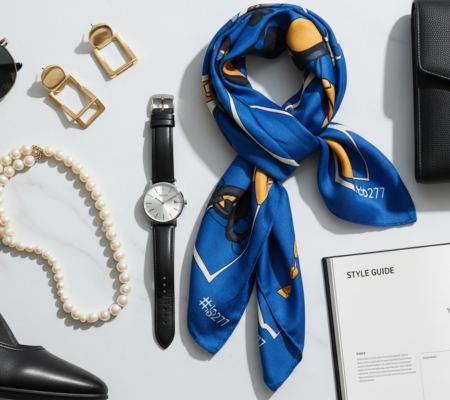
- Accessorize Thoughtfully: Accessories can transform an outfit. Scarves, belts, jewelry, and shoes can add personality and versatility without taking up much closet space. Choose items that reflect your personal flair and can elevate basic ensembles.
Capsule Wardrobe Recommendations for Every Body Type
Now, let’s delve into specific garment recommendations, considering how to craft a minimalist closet for various body shapes. The key is to create visual balance, define the waist where appropriate, and accentuate your most cherished features. Remember, these are guidelines to inspire, not strict rules to enforce.
Styling for the Hourglass Figure
The hourglass figure, celebrated for its balanced proportions and defined waist, thrives on clothing that accentuates these natural curves without adding bulk. The styling goal is to highlight the waist and follow the body’s natural lines.
- Flattering Tops:
- Wrap tops/dresses: Naturally cinch the waist and enhance the bust.
- V-neck or scoop-neck tops: Elongate the neckline and draw attention upwards.
- Fitted blouses: Follow the contours of your body.
- Peplum tops: Accentuate the waist and flow gracefully over the hips.
- Flattering Bottoms:
- High-waisted pants/skirts: Emphasize the natural waistline.
- Pencil skirts: Follow curves beautifully.
- Bootcut or flare jeans: Balance wider hips with a slight flare at the hem.
- Tailored trousers: Clean lines that skim the body.
- Flattering Dresses/Outerwear:
- Sheath dresses: Skim the body and highlight curves.
- Belted trench coats/blazers: Cinch at the waist to maintain definition.
- Fit-and-flare dresses: Accentuate the waist and create an elegant silhouette.
- Styling Goal: Define the waist, enhance natural curves.
Embracing the Pear Shape (Triangle)
With a pear shape, the hips are typically wider than the bust and shoulders, often accompanied by a smaller waist. The aim is to balance proportions by adding volume or detail to the upper body and elongating the lower body.
- Flattering Tops:
- Bright colors and bold patterns: Draw attention to the upper body.
- Off-the-shoulder or boat-neck tops: Broaden the shoulder line.
- Puffy sleeves or ruffled tops: Add volume to the shoulders and bust.
- Structured blazers or jackets: Build out the shoulder area.
- Flattering Bottoms:
- A-line skirts: Skim over the hips gracefully.
- Dark-wash, straight-leg or bootcut jeans: Create a longer, leaner line.
- Wide-leg trousers: Balance the hip width.
- Flat-front pants: Avoid adding bulk to the hip area.
- Flattering Dresses/Outerwear:
- A-line dresses: Flatter the figure by flowing from the waist.
- Empire waist dresses: Draw attention to the slimmest part of the torso.
- Trench coats with shoulder detailing: Add balance to the upper half.
- Styling Goal: Balance the upper and lower body, elongate legs.
Flattering the Apple Body Type (Round/Oval)
The apple body type usually features a broader torso, often with a less defined waist, slender legs, and sometimes fuller bust and shoulders. The strategy is to elongate the torso, create waist definition, and showcase great legs.
- Flattering Tops:
- V-neck or scoop-neck tops: Elongate the neckline and draw the eye vertically.
- Tunic tops: Flow gracefully over the midsection without clinging.
- Empire waist tops: Cinch just below the bust, flowing out gently.
- A-line blouses: Create a subtle flared shape.
- Flattering Bottoms:
- Straight-leg or skinny jeans/pants: Highlight slender legs.
- Bootcut or flare pants: Create balance from the knee down.
- Midi-length skirts: Draw attention to the lower legs.
- High-waisted pants with a wide waistband: Can offer some waist definition.
- Flattering Dresses/Outerwear:
- Empire waist dresses: Skim over the midsection.
- A-line dresses: Create a flattering silhouette.
- Structured, open blazers/cardigans: Create vertical lines and a lean look.
- Shift dresses: Comfortable and stylish when chosen with the right fabric.
- Styling Goal: Elongate the torso, create definition, highlight legs.
Defining the Rectangle Silhouette (Athletic/Straight)
The rectangle body type typically has shoulders, bust, and hips of similar width, with a less defined waist. The styling objective is to create the illusion of curves and add definition to the waist.
- Flattering Tops:
- Ruffled or embellished tops: Add volume to the bust or shoulders.
- Scoop or sweetheart necklines: Create curves.
- Belted tops or blouses: Cinch the waist for definition.
- Layered tops: Add dimension and interest.
- Flattering Bottoms:
- Pleated or ruffled skirts: Add volume to the hips.
- A-line skirts: Create curves around the hip area.
- Cargo pants or trousers with side pockets: Add detail and volume to the hips.
- Skinny jeans with detailing: Define legs and add shape.
- Flattering Dresses/Outerwear:
- Fit-and-flare dresses: Create the illusion of a waist and curves.
- Wrap dresses: Cinch at the waist, adding definition.
- Belted coats/blazers: Define the waist.
- Peplum jackets: Create a feminine silhouette.
- Styling Goal: Create the illusion of curves, define the waist.
Accentuating the Inverted Triangle (Strawberry)
The inverted triangle body type features broader shoulders or bust compared to narrower hips, often with slender legs. The goal is to balance the upper body by adding volume to the lower half and creating a more proportionate silhouette.
- Flattering Tops:
- Darker colors on top: Minimize the perception of width.
- V-neck or scoop-neck tops: Break up the horizontal line of the shoulders.
- Simple, uncluttered tops: Avoid shoulder pads, ruffles, or heavy embellishments on the upper half.
- Halter necks: Can narrow the shoulder line.
- Flattering Bottoms:
- A-line skirts or full skirts: Add volume to the hips.
- Patterned or brightly colored pants/skirts: Draw attention downwards.
- Wide-leg trousers or palazzo pants: Balance the broader shoulders.
- Cargo pants with pockets: Add visual interest and width to the hip area.
- Flattering Dresses/Outerwear:
- Dresses with full skirts or A-line bottoms: Balance the upper body.
- Puffy or voluminous sleeves (on the lower arm): Can add some balance without widening the shoulder.
- Long cardigans or open jackets: Create vertical lines that minimize shoulder width.
- Styling Goal: Balance broad shoulders with the lower body, add volume to hips.
[INLINE IMAGE 2: flat lay of a versatile capsule wardrobe example, featuring mix-and-match pieces suitable for various body types with neutral and accent colors]
Body Type Characteristics & Flattering Silhouettes
Here’s a quick reference guide to help you visualize and understand key styling goals for each body type:
| Body Type | Key Characteristics | Flattering Tops | Flattering Bottoms | Flattering Dresses/Outerwear | Styling Goal |
|---|---|---|---|---|---|
| Hourglass | Defined waist, balanced bust/hips | Wrap, V-neck, Fitted | High-waisted, Pencil, Bootcut | Sheath, Belted, Fit-and-flare | Define waist, highlight curves |
| Pear (Triangle) | Hips wider than bust/shoulders, defined waist | Bright, Off-shoulder, Ruffled | A-line, Dark-wash Straight/Bootcut | A-line, Empire waist | Balance upper/lower body, elongate legs |
| Apple (Round/Oval) | Broader torso, less defined waist, slender legs | V-neck, Tunic, Empire waist | Straight-leg, Skinny, Bootcut | Empire waist, A-line, Shift | Elongate torso, define waist, highlight legs |
| Rectangle (Athletic) | Similar width shoulders/bust/hips, minimal waist | Ruffled, Belted, Scoop/Sweetheart | Pleated, A-line, Cargo | Fit-and-flare, Wrap, Belted | Create curves, define waist |
| Inverted Triangle | Shoulders/bust wider than hips, slender legs | Darker colors, V-neck, Simple | A-line, Full, Patterned, Wide-leg | Full-skirted, A-line | Balance shoulders with lower body |
Beyond the Basics: Maintaining Your Holistic Capsule Wardrobe
Building a personalized wardrobe is a significant step, but maintaining its integrity and functionality is equally important for long-term holistic well-being. A truly versatile clothing system is dynamic, evolving with your life, preferences, and the changing seasons. This commitment to longevity ensures that your wardrobe remains a source of confidence and ease, rather than stress.
Core Capsule Wardrobe Essentials (Example)
While specific items will vary based on personal style and climate, here’s an example of a foundational core collection that emphasizes versatility:
| Item Category | Essential Item | Quantity (Example) | Versatility Notes |
|---|---|---|---|
| Tops | White T-shirt (Crew/V-neck) | 2-3 | Layering piece, pairs with everything. |
| Tops | Neutral Long-Sleeve Top | 1-2 | Base layer, smart casual. |
| Tops | Classic Button-Up Shirt (White/Blue) | 1-2 | Formal or casual, worn open or closed. |
| Tops | Knit Sweater/Cardigan (Neutral) | 1-2 | Warmth, adds texture, layering. |
| Bottoms | Well-fitting Jeans (Dark/Mid-wash) | 1-2 | Everyday staple, can be dressed up. |
| Bottoms | Tailored Trousers (Black/Navy) | 1 | Workwear, evening, smart casual. |
| Bottoms | Versatile Skirt (Pencil/A-line) | 1 | Work, day-to-night, elegant. |
| Outerwear | Classic Blazer (Neutral) | 1 | Adds polish to any outfit. |
| Outerwear | Trench Coat/Light Jacket | 1 | All-weather versatility, chic. |
| Dresses | Little Black Dress (LBD) | 1 | Can be styled for various occasions. |
| Dresses | Day Dress (Neutral/Patterned) | 1 | Effortless, comfortable, can be dressed up. |
| Shoes | Comfortable Sneakers | 1 | Casual, active, modern. |
| Shoes | Versatile Flats/Loafers | 1 | Everyday comfort, smart casual. |
| Shoes | Classic Heels/Boots | 1 | Elevates outfits, formal events. |
| Accessories | Statement Scarf | 1-2 | Adds color/pattern, warmth, versatility. |
| Accessories | Quality Handbag (Everyday) | 1 | Functional, completes a look. |
Tips for Ongoing Maintenance:
- Seasonal Swaps: As seasons change, rotate your clothing. Store off-season items cleanly and thoughtfully. This keeps your active wardrobe streamlined and relevant.
- Regular Reviews: Every few months, quickly review your items. Are there pieces you haven’t worn? Do they still fit your style and lifestyle? Be prepared to let go of items that no longer serve you.
- Conscious Shopping: When you do need to replace an item or add something new, do so mindfully. Ask yourself: “Does this fit my body type? Does it complement my existing collection? Is it high quality and sustainably sourced?” Avoid impulse buys.
- Care and Repair: Extend the life of your garments by following care instructions carefully. Learn basic mending skills (e.g., sewing a button, fixing a seam) or invest in a good tailor. This not only saves money but also fosters a deeper appreciation for your belongings.
- Embrace Versatility: Challenge yourself to style existing pieces in new ways. A scarf can be a belt, a top can be worn backward, a dress can be layered over pants. Creative styling maximizes your wardrobe’s potential.
Common Mistakes When Building Your Tailored Wardrobe
While the concept of a personalized wardrobe for flattering style is empowering, certain pitfalls can derail your efforts. Being aware of these common mistakes allows you to navigate the process with greater ease and achieve lasting success.
- Ignoring Your True Lifestyle: Many women build a wardrobe for an idealized version of themselves, rather than their actual day-to-day life. If your weekdays are spent in scrubs, but your closet is full of cocktail dresses, you’ve missed the mark. Your clothes must align with your real routine.
- Focusing on Trends Over Fit: Chasing every new trend can lead to a closet full of ill-fitting or quickly outdated pieces. While incorporating trends thoughtfully is fine, the foundation of your collection should be timeless garments that perfectly suit your body type.
- Buying Too Many “Just in Case” Items: The “just in case” mentality clutters closets and contradicts the minimalist principle. Unless an item serves a clear purpose for an upcoming event or regular activity, resist the urge to keep it or buy it.
- Neglecting Proper Alterations: A garment that doesn’t fit properly, even if expensive, will never look as good as an inexpensive item tailored to perfection. Investing in alterations is a game-changer for enhancing your natural shape.
- Sticking to a Restrictive Color Palette: While a core color palette is crucial, being *too* restrictive can make your wardrobe feel boring or limit your self-expression. Allow for a few carefully chosen accent colors that bring you joy.
- Purchasing Low-Quality Items: Fast fashion often means poor quality garments that fall apart after a few washes. This leads to a constant cycle of buying and replacing, which is neither sustainable nor cost-effective in the long run. Invest in durable fabrics and good construction.
- Forgetting to Accessorize: Accessories are the secret weapon of a streamlined collection. They can dramatically change the feel of an outfit, adding personality and versatility. Neglecting them means missing an opportunity to maximize your existing pieces.
Sources & References
- Project 333: The Minimalist Fashion Challenge That Proves Less Is So Much More. (n.d.). Retrieved from bemorewithless.com/project-333/
- KonMari Method: The Life-Changing Magic of Tidying Up. (n.d.). Retrieved from konmari.com/pages/about
- Fashion Revolution: Why Transparency Matters. (n.d.). Retrieved from fashionrevolution.org/about/why-transparency-matters/
- Cheryl, K. (2014). The Curated Closet: A Modern Guide to Creating a “Less but Better” Wardrobe. New York: Ten Speed Press.
Ultimately, curating a capsule wardrobe for different body types is an act of self-care and empowerment. It’s about consciously choosing to invest in pieces that celebrate your unique form, simplify your life, and align with your values of mindful consumption and authentic self-expression. By understanding your body, embracing quality over quantity, and selecting garments that truly flatter, you build not just a closet, but a foundation for greater confidence and holistic well-being.
[PILLAR LINK: Fashion & Style for Holistic Well-being]
About the Author
Maya Rodriguez, Lead Editor & Wellness Writer — I’m passionate about exploring holistic self-care practices and sharing actionable beauty and wellness tips to empower women.
Reviewed by Dr. Lena Sharma, Medical Reviewer & Board-Certified Dermatologist — Last reviewed: April 05, 2026