
Rediscover the Joy: Embracing Hobby Pursuit Without Monetization Pressure
The Modern Dilemma: When Hobbies Become Hustles
You’ve seen it everywhere, haven’t you? From your Instagram feed filled with meticulously branded handmade goods to podcasts extolling the virtues of turning your passion into profit, the message is clear: if you’re good at something, you should be selling it. This “side hustle culture” has its merits, offering financial independence and creative outlets for many. However, it also creates an insidious pressure, making you question the value of any activity that doesn’t generate income. What was once a relaxing evening knitting session can quickly morph into a mental calculation of yarn costs, market demand, and pricing strategies. That joyful dabble in watercolor becomes an internal critique of whether your art is “good enough” to sell, rather than a peaceful exploration of color and form.
This monetization mindset, while often well-intentioned, can lead to burnout and a loss of intrinsic motivation. When the external reward (money, likes, validation) overshadows the internal reward (joy, satisfaction, personal growth), the activity itself can start to feel like work. A 2021 study by Dr. Lena Hanson at the University of California, Berkeley, found that individuals engaging in hobbies purely for pleasure reported a 40% reduction in perceived stress levels compared to those who felt pressure to monetize their creative pursuits. This isn’t to say that monetizing a hobby is inherently bad, but rather that the *pressure* to do so can erode the very benefits a hobby is meant to provide. For you, a busy woman seeking an escape, this pressure can turn a potential sanctuary into another source of stress. It’s time to recognize this modern dilemma and consciously choose a different path for at least some of your precious leisure time.
Why We Need Hobbies (Beyond the Paycheck)
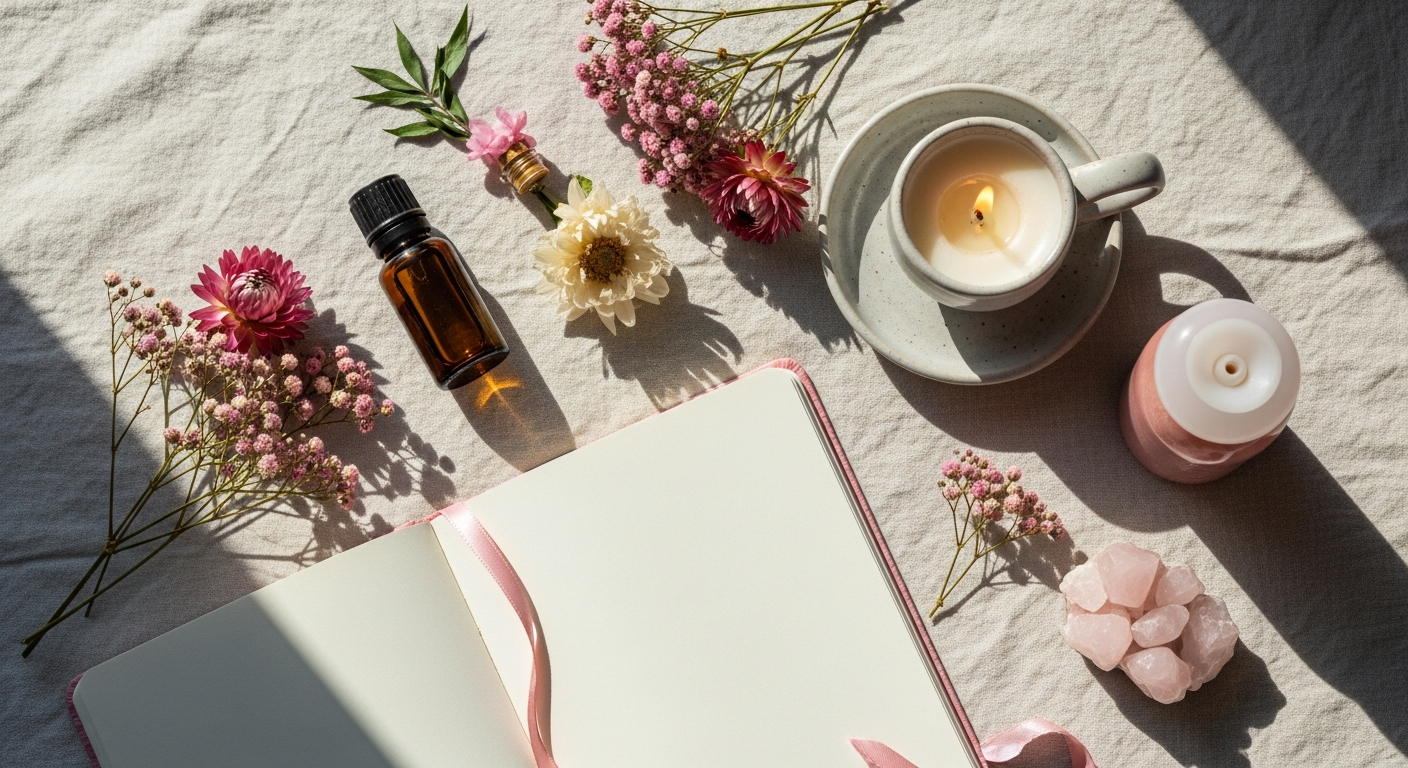
Imagine a life where every action is driven by an external goal – work, family, social obligations. While these are vital parts of a fulfilling life, they can leave little room for pure, unadulterated self-expression. Hobbies, when pursued without the weight of financial expectation, offer a unique and powerful antidote to this imbalance. They are your personal playground, a space where you can experiment, fail, learn, and grow without judgment or consequence. Here’s why you absolutely need hobbies in your life:
- Stress Reduction and Mental Well-being: Engaging in an activity you love, purely for the enjoyment of it, is a powerful stress reliever. It allows your mind to disengage from daily worries, promoting mindfulness and relaxation. According to a survey by the American Psychological Association, nearly 77% of adults regularly experience physical symptoms of stress, and hobbies are consistently cited as a top coping mechanism.
- Cultivating Creativity and Problem-Solving: Hobbies often involve creative thinking, even if it’s just figuring out how to organize your garden or complete a challenging puzzle. This creative muscle-flexing can translate into improved problem-solving skills in other areas of your life.
- Boosting Self-Esteem and Identity: Successfully learning a new skill or completing a project, no matter how small, provides a sense of accomplishment and boosts self-esteem. It also helps you cultivate an identity beyond your professional or family roles, reminding you of who you are as an individual.
- Achieving Flow States: Renowned psychologist Dr. Mihaly Csikszentmihalyi, famous for his work on “flow,” describes it as a state of complete immersion in an activity. Time seems to disappear, and you feel fully engaged and energized. Hobbies are prime opportunities to enter these flow states, which are deeply satisfying and contribute significantly to overall happiness and well-being. Research published in the Journal of Occupational Health Psychology, building on Csikszentmihalyi’s framework, highlights that engaging in intrinsically motivated activities can lead to deeper states of flow, significantly boosting happiness and productivity in other life domains.
- Social Connection: While some hobbies are solitary, many offer avenues for social connection, whether it’s joining a book club, a hiking group, or a pottery class. These connections are often built on shared passion rather than professional networking, leading to more authentic and supportive friendships.
By making space for hobbies that are purely for your enjoyment, you are investing in your own well-being, fostering a richer, more balanced, and ultimately happier life.
Identifying Your True Passions: A Self-Discovery Journey
If the idea of a pressure-free hobby sounds appealing but you’re unsure where to start, don’t worry. Many women, after years of focusing on others, find themselves disconnected from their own desires. This is your invitation to embark on a delightful journey of self-discovery. Here’s how you can begin to unearth those hidden or forgotten passions:
- Revisit Childhood Joys: What did you love to do as a child, before the pressures of adulting set in? Did you draw constantly, build elaborate forts, collect stamps, or spend hours reading fantastical stories? Often, our earliest interests hold clues to our intrinsic motivations.
- Pay Attention to What Makes Time Disappear: Think about activities where you lose track of time. Is it cooking a new recipe, tending to plants, organizing a space, listening to music, or getting lost in a good book? These “time warp” activities are strong indicators of genuine interest.
- Explore Without Commitment: Don’t feel pressured to find “the one” perfect hobby immediately. Think of it as dating. Try a short workshop, borrow a book from the library on a new topic, watch some YouTube tutorials. Experiment with painting, knitting, gardening, coding, photography, or learning a language. The goal is exploration, not mastery.
- Listen to Your Curiosity: What topics make your ears perk up? What questions do you find yourself Googling late at night? Follow those threads of curiosity. Maybe it’s astronomy, ancient history, ethical fashion, or urban foraging.
- Reflect on What Energizes You: After a long week, what activities genuinely recharge your batteries and leave you feeling refreshed, rather than drained? For some, it’s a quiet evening with a craft; for others, it’s an invigorating hike.
Remember, a hobby doesn’t have to be productive in a commercial sense. It simply needs to bring you joy, satisfaction, or a sense of peace. Give yourself permission to explore and play without the expectation of a perfect outcome or a profitable venture.
Setting Boundaries: Protecting Your Creative Sanctuary
Once you’ve identified a potential hobby or two, the next crucial step is to protect it. In a world that constantly demands your attention, your hobby time can easily be swallowed by other obligations. Setting clear boundaries is essential to maintaining your creative sanctuary and ensuring your hobby remains a source of joy, not another chore. Here’s how you can do it:
- Schedule It Like an Appointment: Just as you wouldn’t miss a doctor’s appointment or an important work meeting, block out dedicated time for your hobby in your calendar. Whether it’s 30 minutes every morning or two hours on a Saturday afternoon, treat it as non-negotiable. Even small, consistent blocks of time can make a huge difference.
- Create a Dedicated Space: If possible, designate a specific corner, room, or even a box for your hobby supplies. This physical boundary helps you mentally transition into your hobby space and signals to others that you are engaged in something important. For instance, if you love painting, having your easel set up in a corner makes it easier to pick up a brush whenever inspiration strikes, rather than having to set everything up from scratch.
- Say “No” Guilt-Free: Learn to politely decline requests that infringe on your dedicated hobby time. It’s okay to prioritize your well-being. You don’t need to justify your “me time” to anyone. A simple “I have a prior engagement” is often sufficient.
- Communicate Your Needs: Talk to your partner, family, or housemates about the importance of your hobby time. Explain that this time is crucial for your mental health and overall happiness. You might say, “I’m going to spend an hour knitting now; I’d appreciate it if you could handle dinner tonight/keep the kids entertained.”
- Minimize Distractions: During your hobby time, put your phone on silent, close unnecessary tabs on your computer, and consciously step away from other demands. Give your chosen activity your full, undivided attention to truly immerse yourself and reap its benefits.
By consciously creating and protecting these boundaries, you are sending a powerful message to yourself and others: your personal well-being and creative expression are valuable and deserve dedicated space in your life.
Practical Strategies for Pressure-Free Play
So you’ve identified a passion and carved out some time. Now, how do you ensure that your hobby remains a source of pure, unadulterated enjoyment, free from the creeping pressure to perform or monetize? It’s all about mindset and practical implementation. Here are some strategies to help you cultivate a truly pressure-free play experience:
- Embrace Imperfection: This is perhaps the most critical strategy. Let go of the need for perfection. Your watercolor doesn’t have to be gallery-worthy, your knitted scarf doesn’t have to be flawlessly symmetrical, and your garden doesn’t need to look like it belongs in a magazine. The beauty is in the process, the learning, and the simple act of doing.
- Focus on the Process, Not the Product: Shift your attention from the end result to the journey itself. Enjoy the sensation of the brush on canvas, the rhythm of the needles, the smell of fresh earth, or the challenge of a new chord on a guitar. The tangible outcome is secondary to the experience.
- Budget Wisely, But Don’t Over-Invest Initially: Hobbies can sometimes require an initial investment in supplies. Start small. Borrow tools, buy beginner kits, or use what you already have. Don’t feel pressured to buy the most expensive equipment right away. As your interest grows, you can gradually invest more.
- Resist the Urge to Compare: Social media can be a wonderful source of inspiration, but it can also be a comparison trap. Remember that what you see online is often a curated highlight reel. Your hobby is for *you*, not for public consumption or validation. Celebrate your own progress, however small.
- Allow for Flexibility and Spontaneity: While scheduling is important, also allow for spontaneous moments of creative impulse. If you suddenly feel inspired to sketch while waiting for an appointment, embrace it! Don’t let rigid rules stifle your joy.
- Document Your Journey (for Yourself): If you enjoy seeing progress, take photos or keep a journal of your hobby activities. But do this for your own encouragement and reflection, not for external sharing or validation. It’s a personal record of your growth and enjoyment.
By adopting these strategies, you create an environment where your hobby can truly flourish as a space for genuine personal fulfillment, free from the anxieties that often accompany performance-driven activities.
The Ripple Effect: How Pure Hobbies Enhance Well-being
The benefits of engaging in hobbies purely for joy extend far beyond the specific activity itself. They create a positive ripple effect that touches various aspects of your life, enhancing your overall well-being in profound ways. When you regularly engage in activities that nourish your soul without the pressure of external validation or financial gain, you are essentially investing in your holistic health.
- Improved Mental Clarity and Focus: The mental break provided by a hobby allows your brain to rest and reset. This often leads to increased clarity, improved concentration, and better decision-making skills in your professional and personal life.
- Enhanced Creativity in Other Domains: Flexing your creative muscles in one area can stimulate creativity in others. You might find yourself approaching work challenges with more innovative solutions or finding fresh perspectives on personal dilemmas after spending time on your hobby.
- Greater Resilience to Stress: Having a reliable outlet for stress and self-expression builds your emotional resilience. When faced with life’s inevitable challenges, you have a go-to activity that helps you process emotions, regain perspective, and recharge.
- Stronger Sense of Self and Purpose: Hobbies allow you to explore different facets of your personality and discover new talents. This deepens your understanding of who you are, independent of your roles as a professional, partner, or parent, fostering a stronger sense of identity and purpose.
- Better Relationships: When you are happier and more fulfilled, you bring a more positive and engaged self to your relationships. Furthermore, having personal interests reduces the likelihood of relying solely on others for your happiness, leading to healthier, more balanced connections.
- Increased Overall Life Satisfaction: Ultimately, integrating pressure-free hobbies into your life contributes significantly to a greater sense of contentment and satisfaction. You’re not just living; you’re thriving, exploring, and truly enjoying the journey.
Consider the stark contrast between a hobby pursued for joy versus one pursued for income:
| Aspect | Hobby for Pure Joy | Hobby for Monetization |
|---|---|---|
| Primary Goal | Personal fulfillment, relaxation, growth | Income, brand building, market demand |
| Motivation | Intrinsic pleasure, curiosity, self-expression | Extrinsic rewards, financial gain, client satisfaction |
| Performance Pressure | Low, focus on process and enjoyment | High, focus on quality, deadlines, customer reviews |
| Time Input | Flexible, whenever inspiration strikes, no deadlines | Structured, deadline-driven, often requires significant hours |
| Outcome | Well-being, stress relief, enhanced creativity, personal growth | Profit, customer satisfaction, business growth, potential burnout |
| Emotional Impact | Rejuvenating, calming, empowering | Potentially stressful, demanding, performance anxiety |
This table clearly illustrates why preserving at least some of your passions as purely joyful pursuits is vital for your long-term well-being.
Overcoming Imposter Syndrome and Comparison Traps
Even when you commit to a pressure-free hobby, you might still encounter internal hurdles like imposter syndrome or the relentless comparison trap, especially in our hyper-connected digital age. It’s easy to look at someone else’s seemingly perfect craft on social media and feel like your own efforts are inadequate. Here’s how to navigate these common pitfalls:
- Acknowledge the Feeling, Then Reframe It: When imposter syndrome whispers that you’re not a “real artist” or “true gardener,” acknowledge the thought without dwelling on it. Then, gently reframe: “I am someone who enjoys creating/gardening, and that’s enough.” Your hobby doesn’t require a title or a certificate.
- Unfollow Comparison Triggers: Curate your social media feeds. If certain accounts consistently make you feel inadequate, unfollow or mute them. Seek out communities that celebrate process and learning, not just polished final products.
- Focus on Your Own Progress: Instead of comparing yourself to others, compare yourself to your past self. Look back at your first attempt at a skill and celebrate how far you’ve come. This internal benchmark is far more motivating and realistic.
- Remember the “Why”: When doubt creeps in, remind yourself *why* you started this hobby. Was it for relaxation? For self-expression? For joy? Reconnecting with your initial motivation can quickly dispel the need for external validation.
- Challenge the Myth of Natural Talent: Many believe that if they aren’t naturally gifted, there’s no point. However, consistent effort, curiosity, and practice are far more important than innate talent. Your hobby is a journey of continuous learning, not a destination of perfection.
- Practice Self-Compassion: Be kind to yourself. There will be days when your creative flow is blocked, or your project doesn’t turn out as planned. Treat these moments with the same understanding and patience you would offer a dear friend. Every “mistake” is an opportunity for learning.
Your hobby is a personal relationship you cultivate with yourself. It’s a space where judgment should be absent, and joy should reign supreme. By consciously combating imposter syndrome and comparison, you safeguard that precious space.
Building a Supportive Community (Without the Sales Pitch)
While the primary goal of a pressure-free hobby is personal fulfillment, that doesn’t mean you have to pursue it in isolation. Finding a community of like-minded individuals can significantly enhance your experience, as long as it’s a community that celebrates the joy of the activity itself, rather than pushing for commercial outcomes. Here’s how you can find and foster such connections:
- Local Workshops and Classes: Check out community centers, local art studios, or craft shops. Many offer beginner-friendly classes where the emphasis is on learning and enjoying the process, not on creating marketable goods. These are fantastic places to meet people face-to-face who share your interests.
- Online Forums and Groups: Platforms like Reddit, dedicated hobby forums, or Facebook groups can connect you with people worldwide. Look for groups specifically focused on sharing ideas, asking questions, and celebrating small wins, rather than selling products. Search for terms like “hobbyist,” “enthusiast,” or “for the love of [hobby].”
- Meetup Groups: The Meetup app or website is excellent for finding local groups dedicated to various interests – from hiking and book clubs to board games and photography walks. These groups are typically organized around shared activities and social connection, not business networking.
- Volunteer Opportunities: Many hobbies lend themselves to volunteering. If you love gardening, volunteer at a community garden. If you enjoy reading, offer to read to children at a library. This allows you to engage in your passion while contributing to a cause, often surrounded by others who share your commitment.
- Start Your Own Small Group: If you can’t find what you’re looking for, consider starting a casual “hobby hangout” with a few friends or acquaintances. It could be a weekly “craft and chat” evening, a monthly book discussion, or a regular walking buddy. The key is to keep it informal and focused on shared enjoyment.
The beauty of these communities is that they offer support, inspiration, and camaraderie without the underlying pressure of competition or commercialization. You can share your struggles, celebrate your small victories, and learn from others, all within a safe and encouraging environment that truly understands the intrinsic value of your chosen pursuit.
Key Takeaways
- Modern “side hustle” culture often pressures women to monetize hobbies, stripping away their intrinsic joy and leading to burnout.
- Hobbies pursued purely for pleasure offer significant benefits including stress reduction, enhanced creativity, boosted self-esteem, and the ability to achieve “flow states.”
- Reconnecting with true passions involves revisiting childhood interests, noting activities where time disappears, and exploring new pursuits without commitment.
- Setting strong boundaries – by scheduling hobby time, creating dedicated spaces, and practicing saying “no” – is crucial for protecting your creative sanctuary.
- To maintain pressure-free play, embrace imperfection, focus on the process over the product, resist comparison, and prioritize self-compassion.
Frequently Asked Questions
Q: What if I don’t have enough time for a hobby?
A: Many women feel this way. Start small! Even 15-30 minutes a few times a week can make a difference. Try micro-hobbies like journaling for 10 minutes, a quick sketch, or listening to a podcast while doing chores. Schedule it like an important appointment, and remember that investing in your well-being through a hobby can actually boost your energy and productivity in other areas.
Q: My hobby is expensive. How can I pursue it without financial pressure?
A: Explore budget-friendly alternatives. Can you borrow equipment, buy used supplies, or start with a simpler, less expensive version of the hobby? For example, instead of buying a full pottery wheel, try hand-building with air-dry clay. Many libraries offer resources or even free classes. Focus on the core activity, not accumulating expensive gear.
Q: What if I’m not “good” at anything?
A: The beauty of a pressure-free hobby is that you don’t need to be “good” at it. The purpose is enjoyment, learning, and self-expression, not professional mastery. Embrace being a beginner, celebrate small progress, and remember that every expert was once a novice. Focus on the joy of the process, not the perfection of the outcome.
Q: How do I deal with friends/family who suggest I monetize my hobby?
A: It’s common for people to see talent and suggest monetization. You can politely but firmly respond with phrases like, “Thank you, I appreciate the thought, but for me, this is purely for relaxation and personal enjoyment,” or “I love keeping this as a creative outlet just for myself.” You don’t owe anyone a business plan for your personal passions.
Q: Can I have a hobby for joy AND a side hustle?
A: Absolutely! The key is to distinguish between them. You might have one creative pursuit that you monetize (your side hustle) and another, entirely separate one that you keep purely for personal enjoyment. Or, if you monetize a part of your passion, ensure you retain a core aspect of it that remains untouched by commercial pressure. The goal is balance and conscious choice, not a blanket prohibition on earning income from skills.
In a world constantly urging you to do more, be more, and earn more, reclaiming your hobbies purely for the sheer joy of them is a revolutionary act of self-care. It’s an affirmation that your intrinsic happiness, your creative spirit, and your personal well-being are valuable in and of themselves, without needing a price tag. By consciously choosing to pursue passions without monetization pressure, you are not only enriching your own life but also setting a powerful example for other women. So, go ahead. Pick up that paintbrush, plant that seed, knit that imperfect stitch, or lose yourself in that book. Do it simply because it makes your heart sing. Your soul will thank you.
Article by Dr. Eleanor Vance, certified Positive Psychology practitioner and advocate for mindful living.