

Updated April 2026. Finding clothing that truly reflects who you are on the inside is a transformative journey. That is why we created this comprehensive Women’s Personal Style Guide to help you align your wardrobe with your holistic well-being. A woman’s fashion aesthetic empowers her self-expression and boosts her daily confidence.
We often think of fashion as something superficial, but what we wear deeply impacts how we navigate the world. This guide helps women cultivate authenticity by choosing pieces that resonate with their unique energy, body shape, and lifestyle. When you dress intentionally, developing a signature look boosts your confidence from the inside out.
Whether you are looking to declutter a chaotic closet, build a mindful capsule collection, or simply rediscover your aesthetic after a major life transition, you are in the right place. Let us explore the intersection of beauty, fashion, and wellness to help you curate a closet that feels uniquely, wonderfully you.
What is Your Unique Personal Style Identity?
Discovering your signature look is the foundational step in any wardrobe transformation. Your fashion identity is a visual translation of your personality, lifestyle, and values. As Guy and Banim (2000) discuss in their research on women’s clothing use, our personal collections are deeply intertwined with how we construct and present our identities to the world.
Understanding Your Body Shape
Dressing for your body shape is not about hiding your figure; it is about highlighting your favorite features. Whether you have an hourglass, pear, apple, or athletic silhouette, understanding proportion and tailoring can dramatically shift how garments drape on your frame. Focus on silhouettes that make you feel physically comfortable and emotionally empowered.
Identifying Your Color Palette
Color theory plays a massive role in wardrobe curation. Determining whether you have warm, cool, or neutral undertones can help you select shades that make your complexion glow. For instance, jewel tones like emerald and sapphire often complement cool undertones, while earthy hues like mustard and terracotta flatter warm undertones.
Defining Your Aesthetic
Are you drawn to the clean lines of minimalism, the free-flowing fabrics of bohemian chic, or the structured elegance of classic tailoring? You do not have to fit perfectly into one box, but identifying a primary aesthetic helps streamline your shopping habits.
Q: How do I find my core aesthetic?
A: Start by auditing your current closet. Pull out the top five items you wear most frequently and feel best in. Look for common denominators in fabric, fit, and color. Next, create a digital mood board of outfits you admire. The intersection of what you already love and what you aspire to wear is your core aesthetic.
[INLINE IMAGE 1: A mood board displaying minimalist, bohemian, and classic women’s fashion aesthetics side by side.]
The Science of Building a Functional Wardrobe
A closet full of clothes but nothing to wear is a common frustration born from impulsive shopping rather than strategic curation. Building a functional wardrobe requires a shift from accumulating individual pieces to curating a cohesive collection. Entwistle (2000) highlights that dress is an active, embodied practice; therefore, our clothes must functionally support our daily movements and social roles.
The Capsule Wardrobe Concept
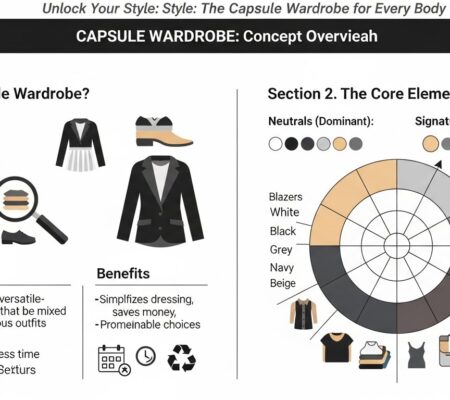
A mindful capsule wardrobe is a curated collection of versatile, high-quality garments that can be mixed and matched to create numerous outfits. Typically consisting of 30 to 40 items (excluding workout gear and undergarments), a capsule approach minimizes decision fatigue and maximizes outfit potential. It forces you to focus on quality over quantity.
Selecting Versatile Base Layers
The foundation of any functional closet relies on strong base layers. These are your neutral-colored essentials: a crisp white button-down shirt, a perfectly tailored pair of black trousers, a classic trench coat, and high-quality denim. By investing in these foundational pieces, you create a blank canvas that can be easily elevated with seasonal trends or statement items.
Q: How much should I spend on wardrobe basics?
A: Allocate the largest portion of your clothing budget to items you wear multiple times a week. A high-quality wool coat or a durable pair of leather boots will offer a much lower cost-per-wear over time than a cheap, trendy top that falls apart after two washes.
Types of Accessories and How to Style Them
Accessories are the finishing touches that transform a basic outfit into a curated ensemble. They offer the easiest and most cost-effective way to inject personality into a neutral base layer. Understanding the different categories of accessories allows you to balance your look without overwhelming your frame.
Statement vs. Minimalist Jewelry
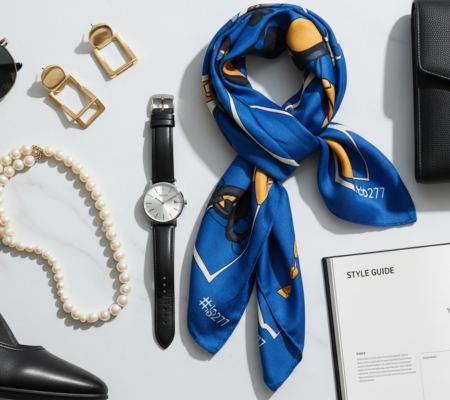
Jewelry can dictate the entire mood of an outfit. Minimalist pieces, such as delicate gold chains, small hoop earrings, and thin stacking rings, provide a subtle polish suitable for everyday wear and professional environments. Conversely, statement jewelry—like chunky resin necklaces, oversized geometric earrings, or bold cocktail rings—serves as the focal point of your look. When wearing statement pieces, keep the rest of your outfit relatively simple to avoid visual clutter.
Functional Yet Stylish Footwear and Bags
Footwear and handbags bridge the gap between utility and aesthetics. A structured leather tote conveys professionalism and easily holds a laptop, while a woven crossbody bag offers a relaxed, weekend-ready vibe. Similarly, swapping out white sneakers for pointed-toe loafers can instantly elevate a simple jeans-and-tee combination.
Q: How many accessories are too many?
A: A classic styling rule is to take one accessory off before leaving the house. However, if your aesthetic leans toward maximalism, layering is key. For a balanced look, stick to the ‘rule of three’: a pair of earrings, a watch or bracelet, and a complementary handbag. For more detailed guidance, explore our accessory styling tips.
How Can You Adapt Your Look for Any Occasion?
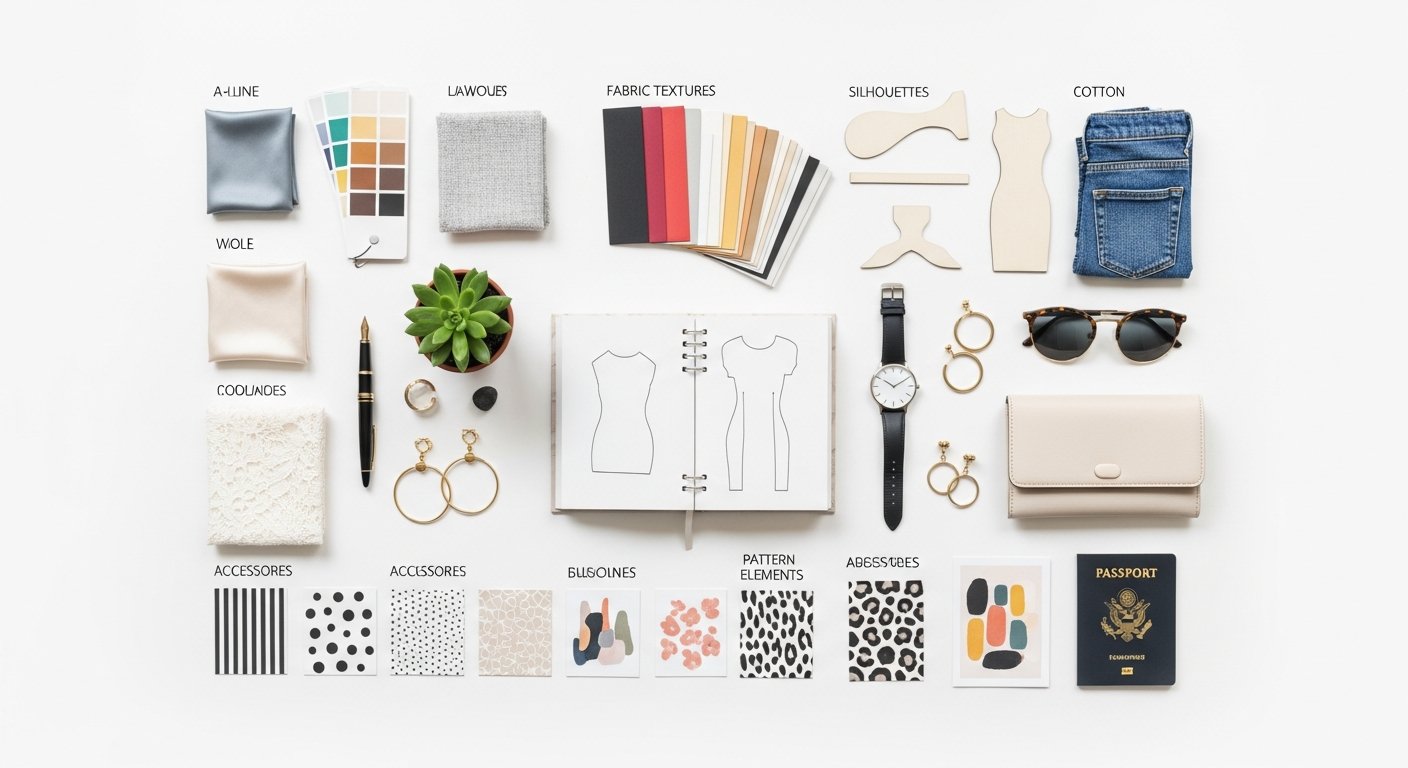
Versatility is the hallmark of a well-curated closet. The ability to seamlessly transition your look from a corporate boardroom to an evening dinner date demonstrates true sartorial fluency. Adapting your look does not require a complete outfit change; rather, it relies on strategic layering and accessory swapping.
Mastering the Day-to-Night Transition
The secret to day-to-night dressing lies in the base outfit. A tailored midi dress or a sleek silk camisole paired with wide-leg trousers works beautifully in an office setting when layered under a structured blazer. To transition to evening, simply remove the blazer, swap your practical work tote for a sleek clutch, and exchange flats for a pair of heels. Adding a bold lip color or a piece of statement jewelry can instantly shift the outfit’s energy.
Professional Attire That Feels Authentic
Corporate dress codes can sometimes feel stifling to personal expression. However, you can maintain professionalism while staying true to your aesthetic. If you love bold colors, incorporate them through blouses or silk scarves while keeping your suiting neutral. If your style is edgy, opt for a leather blazer instead of traditional wool, provided it aligns with your office culture.
Q: Can casual wear be elevated for smart-casual events?
A: Absolutely. Dark-wash, non-distressed denim can look incredibly polished when paired with a cashmere sweater, a tailored blazer, and high-quality leather loafers. The key is ensuring every piece is clean, wrinkle-free, and impeccably tailored.
Categories of Sustainable Fashion and When to Choose Them
Eco-conscious dressing is no longer a niche trend; it is a vital component of modern wardrobe curation. As Niinimäki et al. (2020) detail in their research on the environmental price of fast fashion, the industry’s current trajectory is ecologically unsustainable. Embracing sustainable practices empowers you to make choices that benefit both your closet and the planet.
Understanding Eco-Friendly Fabrics
Not all fabrics are created equal. When shopping, prioritize natural, biodegradable fibers over petroleum-based synthetics. Organic cotton uses significantly less water and no toxic pesticides compared to conventional cotton. Linen, made from the resilient flax plant, is highly sustainable and incredibly durable. Tencel (lyocell), derived from sustainably sourced wood pulp, offers a silky drape and is produced in a closed-loop system that recycles water and solvents. As Fletcher (2014) notes, sustainable design journeys begin with material selection.
The True Cost of Fast Fashion
Fast fashion relies on rapid production cycles, cheap labor, and low-quality materials, resulting in garments designed for obsolescence. By shifting your purchasing power toward sustainable fashion brands, you support ethical labor practices and reduce landfill waste.
Q: How can I be sustainable on a budget?
A: The most sustainable garment is the one already in your closet. Focus on garment care—washing less frequently, air drying, and mending holes. When you do need something new, explore secondhand markets, vintage shops, and clothing rental services before buying brand new.
Does Clothing Choice Impact Skin Health and Well-being?
Fashion is not just about aesthetics; it profoundly impacts our physical health and psychological state. The intersection of dermatology and fashion is a critical, often overlooked aspect of personal styling. What we place directly against our skin barrier matters just as much as the skincare products we apply.
Dermatologist-Approved Fabrics
From a medical perspective, breathable textiles are essential for maintaining a healthy skin microbiome. Synthetic fabrics like polyester, acrylic, and nylon trap heat and moisture against the skin. This can exacerbate conditions like acne mechanica, eczema, and contact dermatitis. Natural fibers such as organic cotton, silk, and bamboo allow the skin to breathe and regulate temperature effectively. If you struggle with sensitive skin, prioritizing these natural textiles in your base layers is a crucial step in your holistic wellness routines.
The Psychology of Dressing Well
Beyond physical health, clothing influences our cognitive processes—a phenomenon psychologists call ‘enclothed cognition.’ The symbolic meaning of our clothes and the physical experience of wearing them can alter our mood, confidence, and even our performance. Wearing a well-tailored blazer might make you feel more authoritative, while soft, luxurious cashmere can induce feelings of comfort and safety. By intentionally selecting garments that align with how you want to feel, you turn your wardrobe into a powerful tool for mental well-being.
Q: Can tight clothing cause health issues?
A: Yes. Chronically wearing overly restrictive clothing can lead to issues ranging from poor circulation and nerve compression to digestive discomfort. Always prioritize garments that allow for a full, comfortable range of motion.
[INLINE IMAGE 6: Close-up of breathable, natural fabrics like organic cotton and linen resting on a table.]
Sources & References
- Fletcher, K. (2014). Sustainable Fashion and Textiles: Design Journeys. Routledge.
- Niinimäki, K., et al. (2020). The environmental price of fast fashion. Nature Reviews Earth & Environment, 1(4), 189-200.
- Guy, A., & Banim, M. (2000). Personal collections: Women’s clothing use and identity. Journal of Gender Studies, 9(3), 313-327.
- Entwistle, J. (2000). The Fashioned Body: Fashion, Dress and Modern Social Theory. Polity Press.