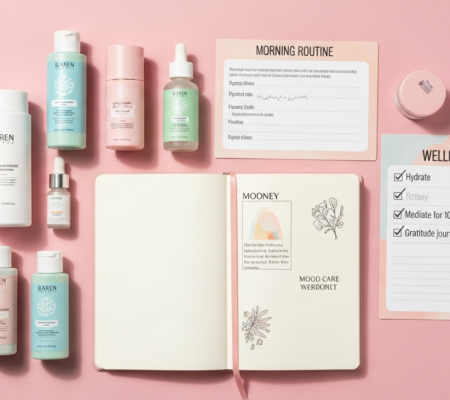


In the bustling symphony of modern life, where demands often outweigh downtime, finding your rhythm can feel like an Olympic sport. We’re constantly juggling careers, relationships, personal aspirations, and the endless scroll of social media, often leaving us feeling stretched thin and perpetually exhausted. But what if we told you that the secret to not just surviving, but thriving, lies in the deliberate cultivation of a balanced daily routine? Not a rigid, unforgiving schedule, but a flexible framework designed to nourish your mind, body, and spirit. This isn’t about perfection; it’s about intentionality. It’s about crafting a daily flow that acts as a consistent anchor, supporting your overall wellbeing even when the seas get rough. Join us as we explore how to build a balanced daily routine that supports your overall wellbeing, empowering you to show up as your best self, every single day, well into 2026 and beyond.
Understanding the Foundation of a Balanced Routine for Modern Women
For too long, the idea of a “routine” has conjured images of military precision or an endless checklist of tasks. But for modern women navigating the complexities of 2026, a truly balanced routine is far from restrictive. Instead, it’s a dynamic, personalized blueprint that honors your unique needs, energy levels, and aspirations. It’s about creating a rhythm where proactive self-care isn’t an afterthought, but an integrated part of your existence.
At its core, a balanced routine acknowledges the interconnectedness of your physical, mental, and emotional health. You can’t truly be well if one area is neglected. Think of it like a three-legged stool: if one leg is wobbly, the whole structure becomes unstable. Our goal here isn’t to add more to your already overflowing plate, but to strategically rearrange, re-prioritize, and sometimes, even subtract, so that your days feel more intentional and less reactive.
- Moving Beyond Rigidity: Forget the idea that a routine must be followed to the letter every single day. Life happens, and flexibility is your superpower. A balanced routine provides a gentle structure, a set of go-to practices that you can lean on, rather than a harsh taskmaster.
- Personalization is Key: What works for your best friend or that wellness influencer might not work for you. Your routine should reflect your unique personality, career demands, family life, and even your chronotype (are you a morning lark or a night owl?).
- The Power of Small, Consistent Actions: You don’t need to overhaul your entire life overnight. Sustainable change comes from consistent, small steps. Each mindful choice you make throughout your day contributes to your overall wellbeing, like tiny drops filling a bucket.
Embracing this perspective allows us to approach routine building not as a chore, but as an act of profound self-love and empowerment. It’s about taking agency over your days, rather than letting your days take agency over you.
Phase 1: The Art of Mindful Self-Assessment (Where Are You Now?)
Before you can build a new structure, you need to understand the ground you’re standing on. This phase is all about honest self-reflection and auditing your current daily habits. It’s an opportunity to identify what serves you, what drains you, and where the biggest opportunities for positive change lie. This is a critical step, especially if you’re feeling the creeping tendrils of burnout or struggling to cope with anxiety at work.
1. Identify Current Stressors and Energy Drains
- The Energy Audit: For a few days, keep a simple journal or use a notes app to track your energy levels throughout the day. What activities boost your energy? What consistently depletes it? Be specific. Is it endless meetings, social media scrolling, or a cluttered living space?
- Emotional Check-in: How do you generally feel at different points in your day? Are you often overwhelmed, irritable, or anxious? Pinpointing these emotional spikes can reveal underlying triggers in your current routine. This awareness is the first step to knowing how to improve mental health daily.
- Physical Symptoms: Are you experiencing headaches, digestive issues, chronic fatigue, or muscle tension? These can be your body’s way of signaling that something in your routine needs attention.
2. Audit Your Current Routine: What Works, What Doesn’t?
Take a bird’s-eye view of your typical day. Walk through it hour by hour. What are your non-negotiables? What are your time-wasters? Be brutally honest without judgment.
- Morning Habits: Do you wake up feeling refreshed or immediately reach for your phone? What’s the first thing you do? How does it set the tone for your day?
- Workday Flow: How do you manage tasks? Do you take breaks? What’s your lunch situation like? Are you constantly interrupted? This is a key area to explore if you’re looking to cope with anxiety at work and prevent it from spiraling.
- Evening Wind-down: How do you transition from work to relaxation? What happens in the hours before bed? Is screen time dominating your evenings?
- Weekend Habits: Do your weekends truly replenish you, or are they just an extension of your busy week?
3. Setting Realistic, Personalized Goals for Wellbeing
Once you have a clearer picture, it’s time to envision your ideal balanced routine. But remember, “ideal” is subjective and achievable, not aspirational perfection. Focus on what feels truly sustainable for you.
- Prioritize Your Pillars: Based on your audit, what are the 1-3 areas where you feel the most significant need for change? Is it sleep, stress management, movement, or nutrition? Start there. Trying to change everything at once is a recipe for overwhelm and failure.
- SMART Goals: Make your goals Specific, Measurable, Achievable, Relevant, and Time-bound. Instead of “I want to be less stressed,” try “I will practice 10 minutes of mindfulness daily for the next month to improve mental health daily.”
- Long-term Vision vs. Short-term Steps: Have a vision for your overall wellbeing, but break it down into manageable daily or weekly actions. This makes the journey feel less daunting and more empowering. This intentional planning is crucial for knowing how to overcome burnout before it fully takes hold.
This self-assessment isn’t about shaming yourself for past habits; it’s about gaining clarity and compassionately understanding your current state. It’s the sturdy foundation upon which you’ll build your new, balanced daily routine in 2026.
Phase 2: Crafting Your Core Wellbeing Pillars (Morning, Day, Evening)
With a clear understanding of your current situation and your desired outcomes, it’s time to intentionally design the framework of your balanced routine. We’ll break this down into three crucial pillars: your morning, your workday, and your evening. Each segment plays a vital role in nurturing your overall wellbeing.
The Power of a Purposeful Morning Routine
How you start your day often dictates its trajectory. A rushed, reactive morning can leave you feeling behind before you’ve even begun. A purposeful morning, however, can infuse your day with calm, clarity, and control, acting as a powerful tool to improve mental health daily.
- Hydration First: Before coffee, reach for a glass of water, perhaps with a squeeze of lemon. It kickstarts your metabolism, rehydrates your body after sleep, and can improve alertness.
- Mindful Movement: This doesn’t mean a grueling workout. It could be 10-15 minutes of gentle stretching, yoga, or a brisk walk. Movement awakens your body, boosts circulation, and can clear your mind.
- Quiet Reflection or Mindfulness: Dedicate 5-15 minutes to stillness. This could be meditation, deep breathing exercises, journaling, or simply sitting in silence with a cup of tea. This practice helps center you, reduce anxiety, and set a positive, intentional tone for the day. It’s an excellent way to proactively improve mental health daily.
- Nourishing Breakfast: Fuel your body with a balanced meal that includes protein, healthy fats, and complex carbohydrates. Avoid sugary cereals that lead to an energy crash. Mindful eating, even for breakfast, sets a precedent for how you nourish yourself throughout the day.
- Digital Detox (Initially): Resist the urge to check your phone (emails, social media, news) for the first 30-60 minutes of your day. This protects your mind from external demands and negativity, allowing you to focus on your inner world first.
Remember, your morning routine is a personal sanctuary. Experiment to find what truly resonates with you and makes you feel ready to face the day.
Navigating Your Day with Grace and Intention
The workday is often where our balanced routines unravel. Demands from work, family, and unexpected interruptions can quickly lead to stress and overwhelm. This is where strategic planning and strong boundaries become invaluable, especially when learning to cope with anxiety at work.
- Strategic Breaks (Micro and Macro): Don’t wait until you’re exhausted to take a break. Schedule short ‘micro-breaks’ every 60-90 minutes. Stand up, stretch, look out a window, or walk to get water. Take a proper lunch break away from your screen. These breaks prevent decision fatigue, boost creativity, and help you return to tasks with renewed focus.
- Mindful Eating: Avoid eating at your desk while multitasking. Dedicate your lunch break to truly savoring your meal. Pay attention to flavors, textures, and your body’s hunger cues. This aids digestion and provides a much-needed mental reset.
- Boundary Setting: This is perhaps one of the most powerful tools for wellbeing. Learn to say “no” to non-essential requests, manage expectations regarding your availability, and set clear working hours. This is crucial for preventing the kind of overwhelm that leads to burnout and for learning to cope with anxiety at work effectively.
- Prioritization and Delegation: Use tools like the Eisenhower Matrix (urgent/important) or the Ivy Lee method (top 6 tasks) to prioritize your workload. If possible, delegate tasks that don’t absolutely require your unique skills. This reduces mental clutter and allows you to focus on high-impact activities.
- Movement Breaks: If your job is sedentary, incorporate movement. Take the stairs, walk to a colleague’s desk instead of emailing, or do a few stretches at your desk. Even short bursts of physical activity can significantly improve mental health daily.
Your workday doesn’t have to be a relentless sprint. By weaving in intentional pauses and protective boundaries, you can maintain your energy and focus, ensuring your overall wellbeing remains supported.
Evening Rituals for Restorative Sleep and Reflection
The transition from day to night is just as important as your morning routine. How you wind down can profoundly impact the quality of your sleep, which is foundational to all aspects of wellbeing. A well-crafted evening routine is a powerful antidote to the day’s stresses and an essential practice for those working to overcome burnout.
- Digital Detox: Aim to put away screens (phone, tablet, computer, TV) at least 60-90 minutes before bed. The blue light emitted by devices can disrupt melatonin production, making it harder to fall asleep.
- Winding Down Activities: Engage in calming activities. This could be reading a physical book, listening to gentle music or a podcast, doing light stretching or restorative yoga, taking a warm bath with essential oils, or engaging in a gentle hobby like knitting or drawing.
- Journaling or Reflection: Spend a few minutes writing down your thoughts, anxieties, or gratitudes from the day. This helps process emotions, clear your mind, and can prevent ruminating thoughts from keeping you awake. It’s a simple, yet profound way to improve mental health daily.
- Prepare for Tomorrow: A few minutes spent preparing for the next day (laying out clothes, packing lunch, making a to-do list) can reduce morning stress. However, avoid getting caught up in excessive planning that leads to overwhelm.
- Optimal Sleep Environment: Ensure your bedroom is dark, quiet, and cool. Invest in comfortable bedding. Consistency with bedtime and wake-up times (even on weekends) helps regulate your circadian rhythm.
Your evening routine is an invitation to release the day’s pressures and prepare your body and mind for deep, restorative rest. Prioritizing this transition is a non-negotiable step in building a truly balanced daily routine for lasting wellbeing.
Phase 3: Integrating Essential Wellbeing Components
Beyond the structure of morning, day, and evening, a truly holistic and balanced daily routine weaves in several key components that nourish different facets of your being. These aren’t separate tasks to add to your list, but rather elements to integrate mindfully throughout your week, strengthening your ability to improve mental health daily and act as preventative measures against feeling overwhelmed or burnt out.
Movement & Physical Activity: Beyond “Exercise”
For many women, “exercise” feels like another chore. Shift your perspective from obligation to celebration of what your body can do.
- Find Joy in Movement: Whether it’s dancing in your living room, hiking in nature, cycling, swimming, or playing with your kids, choose activities you genuinely enjoy. This makes consistency far more likely.
- Variety is the Spice of Life: Mix cardio with strength training and flexibility. This ensures you’re working different muscle groups and supporting overall physical health.
- Mindful Movement Breaks: As mentioned, short bursts of movement throughout your day (walking meetings, stretching during screen breaks) add up and help break sedentary patterns, which is beneficial for both physical and mental agility.
- Listen to Your Body: Some days you might need a vigorous workout; other days, gentle yoga or a leisurely walk is more appropriate. Honor your body’s signals to avoid injury and burnout.
Regular physical activity is a powerful tool to manage stress, boost mood, and enhance cognitive function. It’s a cornerstone of any strategy to improve mental health daily.
Nourishment & Hydration: Fueling Your Body Mindfully
What you eat and drink directly impacts your energy levels, mood, and overall health.
- Whole Foods Focus: Prioritize whole, unprocessed foods like fruits, vegetables, lean proteins, and whole grains. These provide sustained energy and essential nutrients.
- Hydration is Key: Carry a water bottle and sip throughout the day. Dehydration can lead to fatigue, headaches, and reduced concentration. Herbal teas are also great.
- Mindful Eating Practices: Slow down, chew thoroughly, and pay attention to your body’s hunger and fullness cues. This helps with digestion and prevents overeating. Avoid restrictive diets that create stress and often lead to unsustainable habits.
- Meal Prep & Planning: Spend a little time each week planning meals and doing some prep. This saves time, reduces decision fatigue, and ensures you have healthy options readily available, especially when your schedule gets hectic.
Nourishing your body well provides the literal fuel you need to sustain your balanced daily routine and maintain resilience.
Connection & Community: The Vital Role of Social Bonds
Humans are social creatures, and genuine connection is fundamental to our wellbeing.
- Schedule Social Time: Just like work meetings, schedule time for friends, family, or community activities. These don’t have to be grand gestures; a coffee date, a phone call, or an evening walk can be incredibly nourishing.
- Quality Over Quantity: Focus on meaningful interactions rather than superficial ones. Cultivate relationships that make you feel seen, heard, and supported.
- Digital vs. In-Person: While social media can connect us, it’s no substitute for face-to-face interaction. Prioritize real-world connections whenever possible.
- Give Back: Volunteering or helping others can foster a sense of purpose and connection, boosting your own wellbeing in return.
Strong social connections act as a buffer against stress and loneliness, significantly contributing to your ability to improve mental health daily.
Mindfulness & Meditation: Simple Practices for Daily Calm
Even a few minutes a day can transform your relationship with stress and cultivate inner peace.
- Start Small: Begin with 2-5 minutes of guided meditation using an app, or simply focus on your breath. Consistency is more important than duration.
- Mindful Moments: Integrate mindfulness into everyday activities. Pay full attention while drinking your coffee, walking, or washing dishes. Engage all your senses.
- Body Scans: A simple practice of mentally scanning your body, noticing any tension and intentionally relaxing it, can be done anywhere, anytime.
These practices are incredibly effective for managing overwhelming thoughts and emotions, directly helping you to cope with anxiety at work and in life.
Creative Expression & Hobbies: Rekindling Joy and Passion
Many women neglect their creative side or hobbies in the pursuit of productivity. Yet, these activities are vital for joy, stress relief, and self-expression.
- Identify Your Passions: What did you love to do as a child? What activities make you lose track of time? It could be painting, writing, playing music, gardening, baking, or crafting.
- Schedule “Play Time”: Intentionally carve out time for these activities. It doesn’t need to be perfect or productive; the goal is enjoyment and self-expression.
- Disconnect to Reconnect: Use this time to step away from screens and engage in an activity that uses a different part of your brain.
Engaging in hobbies and creative pursuits is a powerful way to reduce stress, boost mood, and prevent the emotional depletion that can lead to burnout. It’s a joyful way to improve mental health daily.
Rest & Recovery: The Often-Neglected Pillar
In a culture that often glorifies “hustle,” true rest is frequently deprioritized. Yet, it’s arguably the most critical component of a balanced routine.
- Prioritize Sleep: Aim for 7-9 hours of quality sleep per night. Implement the evening rituals discussed earlier to support this.
- Scheduled Downtime: This isn’t just about sleep. Schedule time for simply doing nothing, or engaging in gentle, non-productive activities. This allows your mind and body to truly recharge.
- Say No to “Productive Rest”: Don’t try to optimize your rest time by also doing chores or working. True rest is about replenishment, not accomplishment.
- Vacations and Breaks: Take your vacation days! Even short getaways or staycations can offer significant mental and emotional benefits.
Adequate rest and recovery are non-negotiable for sustained energy, mental clarity, and emotional resilience. Neglecting this pillar is a direct path to experiencing the signs and symptoms of burnout, making it harder to overcome burnout once it sets in.
Phase 4: Sustaining Your Routine: Flexibility, Forgiveness, and Fine-Tuning
Building a balanced daily routine is not a one-time event; it’s an ongoing journey of learning, adapting, and growth. The real magic happens in the sustained effort, not in the initial creation. This phase focuses on the practical strategies to keep your routine supportive and relevant over time, especially as life inevitably throws curveballs.
Embracing Imperfection: It’s a Journey, Not a Destination
One of the biggest pitfalls in routine building is the pursuit of perfection. You will have days where your routine goes completely off track. You might oversleep, skip your meditation, or find yourself eating convenience food instead of your planned healthy meal. And that’s okay.
- Let Go of All-or-Nothing Thinking: Don’t let one missed step derail your entire routine. If you miss your morning workout, don’t throw in the towel for the whole day. Just pick up with the next planned activity.
- Practice Self-Compassion: Talk to yourself as you would a dear friend. Life is unpredictable, and sometimes you need to prioritize other things. Guilt and self-criticism are far more detrimental to your wellbeing than a missed routine element.
- Focus on Consistency Over Perfection: Aim for 80% adherence rather than 100%. This realistic approach makes your routine feel sustainable and less like a burden.
Understanding this is crucial for anyone trying to overcome burnout, as rigid expectations often contribute to the cycle of exhaustion and self-blame.
The Importance of Reviewing and Adapting Your Routine
Just as your life evolves, so too should your routine. What worked perfectly when you were single might not fit when you have children. What suited you in one career stage might be unsustainable in another.
- Quarterly Check-ins: Schedule a regular ‘routine review’ session – perhaps quarterly. Ask yourself:
- What aspects of my routine are currently serving me well?
- What feels like a struggle or a chore?
- Are there new demands or priorities in my life that my routine needs to accommodate?
- Am I still making time for things that genuinely bring me joy and energy?
- Seasonal Adjustments: Your energy levels and needs might shift with the seasons. You might prefer outdoor activities in summer and cozy, indoor rituals in winter. Allow for these natural ebbs and flows.
- Experiment and Iterate: Think of your routine as a living document. Don’t be afraid to try new things, drop elements that no longer serve you, or reorder your day. It’s a continuous process of refinement.
This adaptability is a key factor in how to continuously improve mental health daily, as it allows your wellness practices to remain relevant and effective.
Listening to Your Body and Intuition
Ultimately, your body and intuition are your best guides. No external guru or blog post can tell you exactly what you need.
- Pay Attention to Signals: Are you feeling unusually tired, irritable, or unmotivated? These are signals that something in your routine might need adjustment or that you need more rest.
- Trust Your Gut: If a certain activity feels draining rather than energizing, even if it’s “supposed” to be good for you, listen to that feeling. Perhaps it’s not the right fit for you right now.
- Prioritize Rest When Needed:
Recommended Resources
Learn more about this topic in Skincare Ingredients Celebrities Love at Celebrity Exchange.
Explore Easy Dinner Party Ideas For Beginners for additional insights.