
Understanding Stress and Anxiety: A Natural Perspective
Before we dive into solutions, it’s crucial to understand what stress and anxiety truly are, and how they manifest in our lives. Stress is the body’s natural response to a perceived threat or demand. It triggers the “fight or flight” response, flooding our system with hormones like cortisol and adrenaline, preparing us for immediate action. While this was vital for our ancestors facing predators, in today’s world, the “threats” are often deadlines, financial worries, or social pressures, leaving our bodies in a constant state of alert without a physical outlet. Anxiety, on the other hand, is often characterized by persistent, excessive worries about future events, even when there’s no immediate danger. It’s the feeling of unease, dread, or apprehension that can be debilitating, impacting sleep, concentration, and daily functioning.
Both stress and anxiety, when chronic, can have profound physical and mental health consequences. They can lead to digestive issues, headaches, muscle tension, fatigue, weakened immune function, and even exacerbate skin conditions. Mentally, they can impair cognitive function, fuel irritability, and contribute to feelings of hopelessness. The good news is that our bodies and minds are incredibly adaptable, and with the right natural strategies, we can learn to regulate these responses, restoring balance and promoting a sense of inner calm. Our focus here is on empowering you with tools that work harmoniously with your body’s natural systems, rather than against them, to cultivate lasting serenity.
The Profound Power of Mindfulness and Meditation
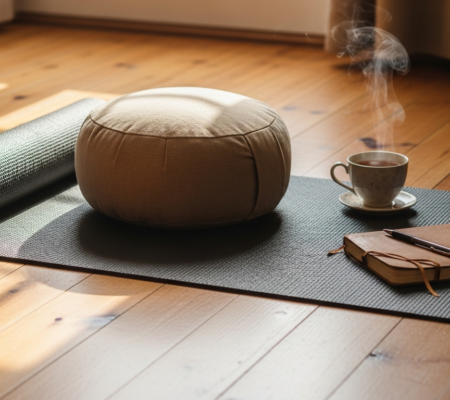
At the heart of naturally reducing stress and anxiety lies the practice of mindfulness and meditation. These ancient techniques, increasingly validated by modern science, teach us how to be present, observe our thoughts without judgment, and cultivate a deeper connection with ourselves. They are cornerstones of any effective approach to stress management and are vital components when considering how to create a self care routine that truly nurtures your inner peace.
Embracing Mindfulness: Living in the Present Moment
Mindfulness is simply the practice of paying attention to the present moment, without judgment. It’s about consciously noticing your breath, your sensations, your thoughts, and the sounds around you, rather than getting swept away by worries about the past or future. Incorporating mindfulness into your daily life doesn’t require hours of dedicated practice; it can be integrated into everyday activities. For example, mindful eating involves savoring each bite, noticing the textures and flavors. Mindful walking means feeling your feet on the ground, observing the scenery, and breathing deeply. Even a few minutes of mindful awareness can interrupt the cycle of anxious thoughts, bringing you back to a state of calm. Regular practice trains your brain to be less reactive to stressors, improving emotional regulation and enhancing your overall sense of well-being.
Exploring Meditation Techniques for Inner Calm
Meditation is a more formal practice of mindfulness, often involving focused attention on a specific object, thought, or sensation, such as your breath. There are numerous types of meditation, each offering unique benefits:
- Breathwork Meditation: This is perhaps the most accessible starting point. Focusing on the rhythm of your breath – inhaling deeply, exhaling slowly – can immediately activate your parasympathetic nervous system, signaling your body to relax. Techniques like diaphragmatic breathing (belly breathing) or the 4-7-8 breathing method (inhale for 4, hold for 7, exhale for 8) are incredibly effective for acute stress relief.
- Guided Meditation: For beginners, guided meditations are invaluable. Available through apps, podcasts, or online platforms, a guide leads you through the process, making it easier to stay focused. These often include visualizations, body scans, and affirmations designed to promote relaxation and positive mental states.
- Transcendental Meditation (TM): A specific form of silent, mantra-based meditation practiced for 15-20 minutes twice a day. It aims to allow the mind to settle inward beyond thought to experience a state of pure awareness.
- Walking Meditation: Combining mindfulness with movement, this involves paying close attention to the sensation of walking, the movement of your body, and your surroundings. It’s a wonderful way to integrate physical activity with mental calm.
Nurturing Your Body: Movement, Nutrition, and Sleep
Our physical well-being is intrinsically linked to our mental and emotional states. To effectively address stress and anxiety naturally, we must pay meticulous attention to how we move, what we eat, and how we rest. These three pillars are not just good habits; they are fundamental, non-negotiable components of the best wellness habits women over 30 should embrace, especially as life’s demands often intensify during these years.
Movement as Medicine: Releasing Tension and Boosting Mood
Physical activity is one of nature’s most potent stress relievers. When we exercise, our bodies release endorphins, natural mood elevators that can significantly reduce feelings of pain and promote a sense of euphoria. Exercise also helps to metabolize excess stress hormones like cortisol and adrenaline, preventing them from lingering in our system and causing damage. Furthermore, engaging in physical activity provides a healthy distraction, shifting our focus away from anxious thoughts and onto the present moment.
- Yoga and Pilates: These practices combine physical postures, controlled breathing, and meditation, making them incredibly effective for stress reduction. They improve flexibility, strength, and balance while calming the nervous system.
- Walking and Hiking: Spending time in nature while walking can double the benefits. The rhythmic motion of walking is meditative, and exposure to green spaces has been shown to lower blood pressure and reduce stress hormones. Aim for at least 30 minutes most days of the week.
- Dancing: A joyful and expressive way to release tension. Dancing allows for emotional expression and can be a powerful mood booster, especially when done with friends or in a class.
- Strength Training: Building muscle strength can enhance self-esteem and provide a sense of control. The focus required during strength training can also act as a form of moving meditation.
The key is to find an activity you genuinely enjoy, making it a sustainable part of your routine. Consistency, rather than intensity, is what truly matters for long-term stress management.
Nutrition for a Calm Mind: Fueling Your Serenity
What we eat profoundly impacts our brain chemistry and, consequently, our mood and anxiety levels. The gut-brain axis, a bidirectional communication system between your gut and your brain, highlights just how connected our digestive health is to our mental well-being. A diet rich in whole, unprocessed foods can support a healthy gut microbiome, which in turn influences neurotransmitter production and reduces inflammation, both crucial for a calm mind.
- Omega-3 Fatty Acids: Found in fatty fish (salmon, mackerel), flaxseeds, and walnuts, omega-3s are essential for brain health and have anti-inflammatory properties that can help reduce anxiety.
- Probiotic-Rich Foods: Fermented foods like yogurt, kefir, sauerkraut, and kimchi introduce beneficial bacteria to your gut, supporting the gut-brain axis and potentially improving mood.
- Complex Carbohydrates: Whole grains, oats, and sweet potatoes help regulate blood sugar, preventing energy crashes and mood swings. They also boost serotonin production, a calming neurotransmitter.
- Leafy Greens and Berries: Packed with antioxidants and vitamins, these superfoods protect brain cells from damage and support overall cognitive function.
- Magnesium-Rich Foods: Almonds, spinach, avocados, and dark chocolate are excellent sources of magnesium, a mineral vital for nerve function and muscle relaxation, often referred to as “nature’s tranquilizer.”
- Limit Stimulants and Processed Foods: Reduce your intake of caffeine, alcohol, excessive sugar, and highly processed foods, which can exacerbate anxiety, disrupt sleep, and lead to energy crashes.
Prioritizing nutrient-dense foods is not just about physical health; it’s a direct investment in your mental fortitude against stress and anxiety.
The Restorative Power of Sleep: Your Body’s Reset Button
Sleep is arguably the most underrated natural stress reliever. During sleep, our bodies repair themselves, consolidate memories, and process emotions. Chronic sleep deprivation elevates cortisol levels, impairs cognitive function, and significantly increases susceptibility to stress and anxiety. Aim for 7-9 hours of quality sleep each night to allow your body and mind to fully recharge.
To improve your sleep hygiene:
- Establish a Consistent Sleep Schedule: Go to bed and wake up at roughly the same time each day, even on weekends.
- Create a Relaxing Bedtime Routine: This could include a warm bath, reading a book, gentle stretching, or listening to calming music.
- Optimize Your Sleep Environment: Ensure your bedroom is dark, quiet, and cool. Consider blackout curtains, earplugs, or a white noise machine if needed.
- Limit Screen Time Before Bed: The blue light emitted from phones, tablets, and computers can interfere with melatonin production, the hormone that regulates sleep. Aim to disconnect at least an hour before bed.
- Avoid Caffeine and Heavy Meals Late in the Day: These can disrupt your sleep cycle.
Prioritizing sleep is not a luxury; it’s a fundamental biological necessity for managing stress and anxiety effectively. It’s a core component of sustainable wellness habits.
Harnessing Nature’s Pharmacy: Herbs and Aromatherapy
For centuries, various cultures have turned to the botanical world for healing and comfort. Today, modern science is increasingly validating the efficacy of certain herbs and essential oils in supporting the nervous system and promoting relaxation. When used thoughtfully, these natural remedies can be powerful allies in your quest to reduce stress and anxiety naturally.
Adaptogens: Building Resilience from Within
Adaptogens are a unique class of herbs that help your body “adapt” to stress, bringing it back into balance. They don’t target a specific symptom but rather work to normalize physiological functions, whether you’re experiencing too much stress or too little energy. They are often taken as supplements or in teas.
- Ashwagandha (Withania somnifera): One of the most well-researched adaptogens, Ashwagandha is revered in Ayurvedic medicine for its ability to reduce cortisol levels, improve sleep quality, and alleviate symptoms of anxiety and depression. It’s particularly beneficial for chronic stress.
- Rhodiola Rosea: This adaptogen is known for enhancing mental performance and physical stamina, especially in stressful situations. It can help reduce fatigue, improve focus, and promote a sense of well-being.
- Holy Basil (Tulsi): Considered a sacred herb in India, Holy Basil has powerful anti-inflammatory and antioxidant properties. It helps to modulate the stress response, calm the nervous system, and improve cognitive function.
- Siberian Ginseng (Eleuthero): While not a true ginseng, Eleuthero is a potent adaptogen that helps the body cope with physical and mental stress, enhances endurance, and supports immune function.
Always consult with a healthcare professional or a qualified herbalist before incorporating adaptogens, especially if you have underlying health conditions or are taking other medications, as they can interact.
Calming Herbs for Relaxation and Rest
Beyond adaptogens, several other herbs are celebrated for their direct calming effects on the nervous system, making them excellent choices for acute stress or promoting restful sleep.
- Chamomile (Matricaria recutita): Perhaps the most widely known calming herb, chamomile tea is a classic remedy for mild anxiety and insomnia. It contains an antioxidant called apigenin, which binds to specific receptors in the brain to decrease anxiety and initiate sleep.
- Lavender (Lavandula angustifolia): While often associated with aromatherapy, lavender can also be consumed as a tea or tincture. Studies suggest that its active compounds can have an anxiolytic (anxiety-reducing) effect, promoting relaxation and improving sleep.
- Valerian Root (Valeriana officinalis): This herb is primarily used as a natural sleep aid, as it can help reduce the time it takes to fall asleep and improve sleep quality. It’s also used for general anxiety due to its mild sedative properties.
- Lemon Balm (Melissa officinalis): A member of the mint family, lemon balm is known for its ability to improve mood and cognitive function, as well as reduce stress and anxiety. It’s often enjoyed as a tea.
- Passionflower (Passiflora incarnata): This beautiful flower is traditionally used to treat anxiety and insomnia. It’s thought to work by increasing levels of gamma-aminobutyric acid (GABA) in the brain, a neurotransmitter that helps calm nerve activity.
As with adaptogens, it’s essential to research dosage, potential interactions, and consult with a healthcare provider before using herbal remedies, especially if you are pregnant, nursing, or on medication.
Aromatherapy: Scents for Serenity
The power of scent to influence our mood and emotions is profound. Aromatherapy, the therapeutic use of essential oils, harnesses this connection to promote relaxation and alleviate stress. Essential oils are concentrated plant extracts that can be diffused, inhaled directly, or diluted and applied topically.
- Lavender Essential Oil: The quintessential calming oil. Diffusing lavender, adding a few drops to a warm bath, or applying diluted oil to pulse points can significantly reduce anxiety and promote restful sleep.
- Bergamot Essential Oil: Known for its uplifting yet calming properties. Bergamot can help reduce feelings of stress and agitation, and its citrusy scent is wonderfully refreshing.
- Frankincense Essential Oil: Valued for its grounding and meditative qualities. Frankincense can deepen breathing, promote feelings of peace, and help quiet an overactive mind.
- Ylang Ylang Essential Oil: A deeply relaxing and mood-boosting oil. Ylang Ylang can help alleviate feelings of anger, tension, and irritability, promoting a sense of calm and well-being.
- Chamomile Essential Oil (Roman): Similar to the tea, the essential oil is incredibly soothing and can be particularly helpful for calming an anxious mind and aiding sleep.
Always use high-quality, pure essential oils. When applying topically, always dilute them with a carrier oil (like jojoba, almond, or coconut oil) to prevent skin irritation. Diffusing is a safe and effective way to enjoy their benefits in your home or office.
Cultivating Connection and Creativity
Humans are inherently social beings, and our need for connection is as fundamental as our need for food and shelter. Isolation and lack of creative outlets can significantly contribute to stress and anxiety. Consciously fostering meaningful relationships and engaging in activities that ignite our passions are powerful natural antidotes to the pressures of modern life.
The Healing Power of Social Connection
Robust social connections act as a buffer against stress and anxiety, enhancing our emotional resilience. Knowing that you have a supportive network of friends, family, or a community where you belong can reduce feelings of loneliness and provide a sense of security. Sharing your feelings with trusted individuals can lighten your burden, offering new perspectives and emotional release.
- Nurture Existing Relationships: Make time for regular check-ins with loved ones. A simple phone call, a coffee date, or an evening walk can strengthen bonds.
- Join a Community Group: Whether it’s a book club, a volunteer organization, a fitness class, or a spiritual community, finding like-minded individuals can provide a sense of belonging and purpose.
- Practice Active Listening: When connecting with others, truly listen and engage. This deepens conversations and fosters genuine understanding.
- Offer Support to Others: Helping others can be incredibly rewarding and shift your focus away from your own anxieties, providing a sense of purpose and connection.
Remember, quality often trumps quantity when it comes to social connections. A few deep, authentic relationships are more impactful than many superficial ones.
Unleashing Your Inner Creative: Art as Therapy
Creative expression is a powerful tool for processing emotions, reducing stress, and fostering a sense of flow and joy. Engaging in creative activities allows us to tap into a different part of our brain, providing a healthy outlet for pent-up energy and anxieties. It doesn’t matter if you consider yourself “artistic”; the act of creating is what truly matters.
- Journaling: Writing down your thoughts and feelings is a highly effective way to process emotions, gain clarity, and reduce rumination. Try gratitude journaling to shift your focus to positive aspects of your life.
- Painting, Drawing, or Sculpting: Engaging in visual arts can be incredibly meditative. The focus required can quiet the mind and provide a sense of accomplishment.
- Playing a Musical Instrument or Singing: Music has a unique ability to soothe the soul. Learning an instrument or simply singing along to your favorite tunes can be wonderfully therapeutic.
- Crafts: Knitting, crocheting, pottery, or scrapbooking are repetitive, tactile activities that can be deeply calming and satisfying.
- Cooking or Baking: The process of creating something delicious from scratch can be a mindful and rewarding experience.
Give yourself permission to explore different creative outlets without the pressure of perfection. The goal is expression and enjoyment, not creating a masterpiece.
The Healing Embrace of Nature: Biophilia and Grounding
Spending time in nature has a profound calming effect on our nervous system, a concept known as biophilia – our innate human tendency to connect with nature. The sights, sounds, and smells of natural environments can lower stress hormones, reduce blood pressure, and improve mood. This is a foundational practice for anyone looking for the best ways to reduce stress and anxiety naturally.
- Forest Bathing (Shinrin-yoku): Originating in Japan, this practice involves mindfully immersing yourself in a natural environment, engaging all your senses. It’s not about hiking or exercising, but simply being present in nature.
- Gardening: Tending to plants, feeling the soil, and watching things grow can be incredibly therapeutic. It provides a sense of purpose and connection to the earth.
- Barefoot Walking (Grounding/Earthing): Connecting your bare skin to the earth (grass, sand, soil) is believed to help neutralize free radicals and improve overall well-being. Even if the scientific evidence is still emerging, the simple act of feeling the earth beneath your feet can be deeply calming.
- Spend Time Outdoors: Even a short walk in a local park, sitting by a window with a view of trees, or having your morning coffee on a balcony can make a difference.
Make it a priority to integrate nature into your daily or weekly routine. It’s a simple yet incredibly effective way to reset your mind and body.
Building Resilience: Practical Strategies for Daily Life
While the previous sections focused on practices that cultivate inner calm and physical well-being, building resilience against stress and anxiety also involves practical adjustments to our daily routines and mindsets. These strategies empower you to manage external pressures more effectively and protect your mental energy.
Setting Healthy Boundaries: Protecting Your Energy
One of the most significant sources of stress comes from feeling overwhelmed and overcommitted. Learning to say “no” and establishing clear boundaries in your relationships, work, and personal life is not selfish; it’s an act of radical self-care. Boundaries protect your time, energy, and emotional well-being.
- Identify Your Limits: Understand how much you can realistically take on without feeling overwhelmed.
- Communicate Clearly: Express your boundaries respectfully but firmly. For example, “I can’t take on that extra project right now,” or “I need to set aside this evening for myself.”
- Prioritize Your Needs: Recognize that your well-being must come first. You cannot pour from an empty cup.
- Learn to Delegate: If possible, share responsibilities at home or work to lighten your load.
Setting boundaries can be challenging initially, especially for women who are often socialized to be caretakers, but it’s a vital skill for sustainable stress reduction.
Mindful Digital Detox: Reclaiming Your Focus
In our hyper-connected world, constant exposure to screens, notifications, and social media can significantly contribute to anxiety and mental fatigue. The fear of missing out (FOMO), endless comparison, and the sheer volume of information can overwhelm our nervous systems. A mindful digital detox isn’t about abandoning technology entirely but rather about using it intentionally and setting limits.
- Schedule Screen-Free Times: Designate specific hours each day (e.g., the first hour after waking, the last hour before bed) as completely screen-free.
- Turn Off Notifications: Limit interruptions by turning off non-essential notifications on your phone and computer.
- Curate Your Feed: Unfollow accounts that make you feel inadequate or stressed. Follow accounts that inspire, educate, or bring you joy.
- Practice Single-Tasking: Avoid multitasking with screens. When you’re working on your computer, close unnecessary tabs. When you’re socializing, put your phone away.
- Embrace Analog Activities: Rediscover the joy of reading a physical book, writing a letter, or playing a board game.
By intentionally stepping away from digital distractions, you create space for reflection, creativity, and genuine connection, thereby reducing a significant source of modern-day stress.
Prioritizing Self-Care: A Non-Negotiable Practice
Self-care is often misunderstood as indulgence, but it is, in fact, a crucial strategy for managing stress and anxiety. It encompasses any intentional action you take to care for your physical, mental, and emotional health. When you’re considering how to create a self care routine, think beyond superficial pampering and focus on practices that truly replenish your reserves. This is especially true for managing stress-related physical manifestations, such as skin issues. For example, stress is a known trigger for breakouts, making a dedicated best skincare routine acne prone skin not just about aesthetics, but about addressing a tangible consequence of internal stress and proactively mitigating another source of anxiety related to appearance. This mindful attention to your skin can be a calming ritual in itself.
- Schedule “Me Time”: Just like you schedule appointments, schedule time for self-care activities. Make it non-negotiable.
- Listen to Your Body: Pay attention to what your body and mind need. Are you tired? Overwhelmed? Lonely? Address those needs directly.
- Practice Self-Compassion: Be kind to yourself, especially when you’re struggling. Talk to yourself as you would a dear friend.
- Engage in Hobbies: Dedicate time to activities you love, whether it’s reading, gardening, playing music, or taking a class.
- Regular Check-ins: Periodically assess your stress levels and adjust your self-care routine as needed. Life changes, and so should your strategies.
A robust self-care routine is your armor against the daily grind, ensuring you have the energy and resilience to face challenges without succumbing to chronic stress and anxiety.
Crafting Your Personalized Anti-Stress Toolkit
The journey to naturally reduce stress and anxiety is deeply personal. There’s no one-size-fits-all solution, but rather a collection of practices and habits that resonate most with you. The key is to experiment, observe, and consistently integrate what works into your daily life. Think of yourself as an artisan, carefully selecting the tools and techniques that will help you sculpt a life of greater calm and well-being. This is essentially the ongoing process of refining your answer to the question, how to create a self care routine that is truly effective and sustainable for you.
As we move through 2026, the pressures of modern living are unlikely to diminish. However, your capacity to meet those pressures with grace and inner strength can grow exponentially. By embracing the natural strategies outlined in this guide – from the quiet power of mindfulness to the invigorating embrace of nature, from nourishing your body with wholesome foods to nurturing your spirit with creative expression and meaningful connection – you are building a resilient foundation for enduring peace. Remember that consistency is more important than perfection. Even small, daily steps accumulate into significant shifts over time. Be patient and kind to yourself throughout this process, celebrating every moment of calm you cultivate. Your well-being is worth the investment.
Frequently Asked Questions
Recommended Resources
For more on best ways to, see How To Create A Bedtime Routine For Children on Veralyn Media.
Related reading: Anti Aging Skincare Routine Celebrities Swear By (Celebrity Exchange).