
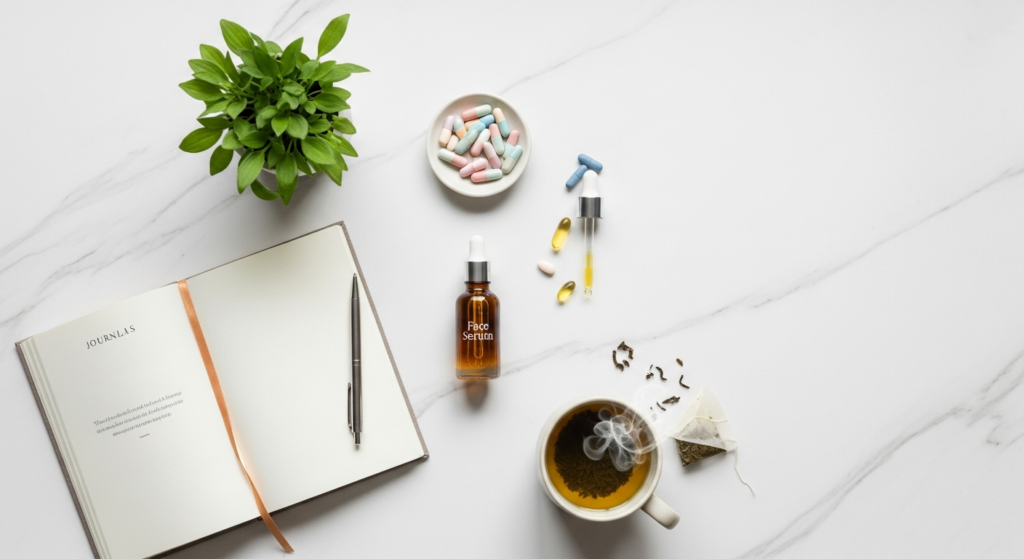
Welcome to your 30s, a decade often hailed as the new 20s, but let’s be honest: it comes with its own unique set of demands, pressures, and sometimes, a whole lot of questions. One minute you’re navigating career milestones, the next you’re juggling family responsibilities, and somewhere in between, you’re trying to remember where you put your keys – and why you’re suddenly so tired. The carefree approach to wellness you might have embraced in your twenties often feels inadequate, if not entirely impossible, in this new chapter. Suddenly, your body feels different, your energy levels fluctuate, and the mental load can feel heavier than ever before. We get it. It’s during this pivotal time that intentionally cultivating the best wellness habits for women over 30 becomes not just a nice-to-have, but an absolute necessity for thriving, not just surviving.
At Sometimes Daily, we believe in embracing every stage of life with grace, knowledge, and a healthy dose of self-compassion. This isn’t about chasing perfection or adding more to your already overflowing to-do list. Instead, it’s about making smarter, more intentional choices that truly serve you as you navigate the beautiful complexities of your thirties and beyond. Think of this as your practical, empowering guide to building a robust foundation for your physical, mental, emotional, and spiritual well-being. We’re going to explore actionable strategies that you can integrate into your life, helping you feel more balanced, energized, and deeply connected to yourself. Ready to redefine what wellness means for you?
Nurturing Your Physical Temple: Smart Movement, Intentional Fuel, & Rest
As you transition into your thirties, your body undergoes subtle yet significant changes. Metabolism can start to slow, bone density becomes more critical, and hormonal shifts can impact everything from energy levels to mood. This isn’t a cue for panic, but rather an invitation to tune in more closely and adjust your physical wellness habits. What worked for you in your twenties might not be the most effective or sustainable approach now, and that’s perfectly okay. It’s time for a more intelligent, intuitive, and ultimately more rewarding relationship with your body.
Smart Movement: Quality Over Quantity for Lasting Strength
Gone are the days when hours of high-impact cardio were the only metric for a “good” workout. For women over 30, the focus shifts to building sustainable strength, improving flexibility, and supporting overall longevity. This means integrating workouts that protect your joints, build lean muscle mass (crucial for maintaining metabolism and bone health), and reduce stress.
- Embrace Strength Training: Incorporate 2-3 sessions of resistance training per week. This doesn’t mean becoming a bodybuilder; it means using weights (or your own body weight) to challenge your muscles. Squats, lunges, push-ups, and rows are excellent compound movements. Strength training is a powerful tool for bone density, hormonal balance, and boosting your metabolism.
- Prioritize Flexibility and Mobility: As we age, our bodies can become stiffer. Regular stretching, yoga, or Pilates can improve range of motion, reduce risk of injury, and even alleviate everyday aches and pains. Even 10-15 minutes of stretching daily can make a profound difference.
- Find Joy in Movement: If your workouts feel like a chore, you won’t stick with them. Explore activities you genuinely enjoy – dancing, hiking, cycling, swimming, or even brisk walking with a friend. Movement should be a celebration of what your body can do, not a punishment.
Fueling Your Body Intentionally: Nutrition for Hormone Balance & Energy
Your relationship with food in your thirties is less about restriction and more about nourishment. Focus on whole, unprocessed foods that support hormonal balance, gut health, and sustained energy, rather than quick fixes that lead to crashes. This is one of the most impactful of the best wellness habits for women over 30.
- Prioritize Whole Foods: Fill your plate with a rainbow of fruits and vegetables, lean proteins (plant-based or animal), healthy fats (avocado, nuts, seeds, olive oil), and complex carbohydrates (quinoa, sweet potatoes, whole grains). These provide essential vitamins, minerals, and fiber.
- Hydration is Key: Water is critical for every bodily function, from digestion and nutrient absorption to energy levels and skin health. Aim for at least 8 glasses of water a day, and more if you’re active. Consider adding electrolytes, especially after intense workouts.
- Support Gut Health: Your gut is often called your “second brain” and plays a huge role in immunity, mood, and nutrient absorption. Incorporate fermented foods like yogurt, kefir, sauerkraut, and kimchi. Consider a high-quality probiotic supplement if needed.
- Mindful Eating: Slow down, savor your food, and pay attention to your body’s hunger and fullness cues. This helps prevent overeating and improves digestion, allowing your body to properly assimilate nutrients.
Prioritizing Sleep: Your Body’s Essential Reset Button
Sleep isn’t a luxury; it’s a non-negotiable biological necessity, especially as your body navigates the demands of your thirties. Chronic sleep deprivation impacts everything from your hormones and metabolism to your mood, cognitive function, and immune system.
- Aim for 7-9 Hours: Consistency is key. Try to go to bed and wake up around the same time each day, even on weekends, to regulate your circadian rhythm.
- Create a Relaxing Bedtime Ritual: Dim the lights, put away screens an hour before bed, take a warm bath, read a book, or listen to calming music. Signal to your body that it’s time to wind down.
- Optimize Your Sleep Environment: Ensure your bedroom is dark, quiet, and cool (ideally between 60-67°F or 15-19°C). Invest in a comfortable mattress and pillows.
- Limit Caffeine and Alcohol: Both can disrupt sleep patterns, especially when consumed later in the day.
Cultivating Inner Calm: Mental & Emotional Resilience
The mental load in your thirties can be immense. Balancing career aspirations, family life, social commitments, and personal growth can lead to overwhelm and stress. Cultivating inner calm isn’t about eliminating stress entirely (an impossible feat!), but rather about building resilience and developing effective coping mechanisms. This is where the profound impact of the best wellness habits for women over 30 truly shines through, offering tools to navigate life’s inevitable ups and downs with greater ease.
Mindfulness & Meditation Made Simple: Tiny Habits, Big Impact
You don’t need to spend hours on a meditation cushion to reap the benefits of mindfulness. It’s about bringing conscious awareness to the present moment, whether you’re washing dishes or stuck in traffic.
- Start Small: Begin with 5-10 minutes of guided meditation using an app like Calm or Headspace. Consistency is more important than duration.
- Mindful Pauses: Throughout your day, take 60 seconds to simply notice your breath. What do you see, hear, smell, feel? This grounds you and breaks the cycle of rumination.
- Mindful Activities: Turn everyday tasks into opportunities for mindfulness. Pay full attention when you’re drinking your morning coffee, walking to your car, or doing a simple chore. Notice the sensations, sights, and sounds.
Setting Boundaries: Your Shield Against Burnout
One of the most powerful acts of self-care is learning to say “no” – or “not right now.” As women, we’re often conditioned to be people-pleasers, but in your thirties, protecting your time and energy becomes paramount for your well-being.
- Identify Your Energy Leaks: What activities, requests, or relationships consistently drain your energy? Acknowledging them is the first step.
- Communicate Clearly: Whether it’s declining an extra project at work, setting expectations with family, or limiting social engagements, be clear and direct. “I’d love to help, but I’m unable to commit to that right now,” or “I need to protect my evening for some quiet time.”
- Protect Your Time: Block out “non-negotiable” time in your calendar for self-care, exercise, or simply downtime. Treat these appointments with yourself as seriously as you would any other important meeting.
Journaling for Clarity & Release: Your Personal Brain Dump
Journaling is a powerful tool for processing emotions, gaining clarity, and reducing stress. It provides a safe space to explore your thoughts and feelings without judgment.
- Morning Pages: Inspired by Julia Cameron’s concept, write three pages of stream-of-consciousness every morning. Don’t edit, just write. It clears your mind for the day ahead.
- Gratitude Journaling: List 3-5 things you’re grateful for each day. This simple practice shifts your perspective towards positivity.
- Reflective Journaling: When you’re facing a challenge or making a decision, use your journal to explore your feelings, weigh options, and brainstorm solutions.
The Power of Connection: Nurturing Relationships & Community
As life gets busier, it’s easy for relationships to take a back seat. However, strong social connections are fundamental to our mental and emotional well-being. Studies consistently show that meaningful relationships are a key predictor of happiness and longevity. Investing in your relationships and building a supportive community is one of the most enriching of the best wellness habits for women over 30.
Investing in Key Relationships: Quality Over Quantity
In your thirties, you might find your social circle naturally shrinking, and that’s okay. The focus shifts from having a large group of acquaintances to deepening the bonds with those who truly uplift and understand you.
- Schedule Quality Time: Life gets busy, so be intentional. Schedule regular date nights with your partner, monthly coffee dates with close friends, or video calls with family who live far away.
- Practice Active Listening: When you’re with loved ones, put away your phone and truly listen. Give them your full attention, ask clarifying questions, and validate their feelings.
- Be Vulnerable: Share your authentic self, including your struggles and fears. True connection blossoms in vulnerability and mutual trust.
- Express Appreciation: Regularly tell the important people in your life how much you value them. A heartfelt text, a thoughtful card, or a simple “thank you” can go a long way.
Building Your Support Squad: Diverse Connections for Every Need
Your support system shouldn’t be limited to your immediate family or closest friends. Building a diverse “squad” can provide different types of support and perspectives.
- Find Your Tribe: Seek out communities that align with your interests, whether it’s a book club, a hiking group, a professional networking group, or a parenting support circle.
- Cultivate Mentors: Identify individuals (personally or professionally) whose wisdom and experience you admire. A mentor can offer invaluable guidance and inspiration.
- Consider Professional Support: There’s absolutely no shame in seeking guidance from a therapist or counselor. They can provide tools and strategies for navigating complex emotions, relationships, or life transitions.
Giving Back: The Joy of Contribution
Connecting with something larger than yourself can provide a profound sense of purpose and well-being. Contributing to your community, however small, can be incredibly rewarding.
- Volunteer Your Time: Find a cause you’re passionate about and dedicate a few hours a month. It could be at an animal shelter, a local charity, or mentoring younger individuals.
- Random Acts of Kindness: Pay it forward in small ways – buying a coffee for the person behind you, leaving a kind note, or simply offering a genuine smile. These small gestures can boost both your mood and someone else’s.
Embracing Growth & Purpose: Continuous Evolution
Your thirties are a time for continued personal evolution, not stagnation. It’s an opportunity to deepen your understanding of yourself, clarify your values, and pursue what truly lights you up. This commitment to ongoing learning and self-discovery is a vital component of the best wellness habits for women over 30, ensuring your spirit remains vibrant and engaged.
Lifelong Learning & Curiosity: Keep Your Mind Engaged
Just as you exercise your body, it’s crucial to exercise your brain. Learning new things keeps your mind sharp, sparks creativity, and offers a sense of accomplishment.
- Read Widely: Beyond your usual genres, explore non-fiction, biographies, or even poetry. Reading expands your perspective and enriches your inner world.
- Learn a New Skill or Hobby: Always wanted to learn photography, a new language, or how to knit? Now’s the time! Online courses, local workshops, or YouTube tutorials make it more accessible than ever.
- Stay Curious: Ask questions, listen actively, and seek out new experiences. Embrace the mindset of a perpetual student of life.
Defining Your Values & Purpose: Navigating Life with Intention
When you know what truly matters to you, decision-making becomes clearer, and you can live a life more aligned with your authentic self. This clarity is a cornerstone of deep wellness.
- Identify Your Core Values: What principles guide your life? Is it integrity, creativity, family, adventure, security, compassion? Make a list and reflect on how well your current life reflects these values.
- Set Intentional Goals: Based on your values, set goals that are meaningful to you, rather than those imposed by societal expectations. Break them down into small, actionable steps.
- Create a Vision Board: A visual representation of your dreams and aspirations can be a powerful tool for staying motivated and focused on your desired future.
Financial Wellness: A Foundation for Freedom and Peace of Mind
While often overlooked in wellness discussions, financial health is deeply intertwined with mental and emotional well-being. Stress about money can be a major drain on your overall peace of mind.
- Budgeting & Saving: Understand where your money goes and create a budget that allows you to save consistently, whether for a down payment, retirement, or a rainy-day fund.
- Financial Literacy: Take the time to understand investments, debt management, and financial planning. Knowledge is power when it comes to your money.
- Mindful Spending: Differentiate between needs and wants. Invest in experiences and things that genuinely add value to your life, rather than accumulating clutter.
Skincare & Self-Care Rituals for Lasting Radiance
As you cross the threshold into your thirties, your skin, like the rest of your body, begins to change. Collagen production naturally decreases, fine lines may become more noticeable, and hormonal fluctuations can impact clarity and hydration. This isn’t about fighting aging; it’s about embracing it with a smart, intentional approach to skincare and weaving in self-care rituals that nourish you from the inside out. These dedicated practices are among the most visible and enjoyable of the best wellness habits for women over 30.
Simplifying Your Skincare: Smart Choices for Mature Skin
Your 30s skincare routine should be focused on prevention, protection, and hydration. Less is often more, but the right ingredients are key.
- The Holy Trinity: SPF, Vitamin C, & Retinoids:
- SPF: Non-negotiable, every single day, rain or shine. Protects against UV damage, the number one cause of premature aging.
- Vitamin C Serum: A powerful antioxidant that brightens skin, evens tone, and boosts collagen production. Apply in the morning.
- Retinoids (Retinol or Tretinoin): The gold standard for anti-aging. Increases cell turnover, boosts collagen, and minimizes fine lines and wrinkles. Start slow and use at night.
- Hydration, Hydration, Hydration: Use a nourishing moisturizer with ingredients like hyaluronic acid, ceramides, and peptides to keep your skin plump and supple.
- Gentle Cleansing: Avoid harsh cleansers that strip your skin’s natural oils. Opt for a hydrating cleanser morning and night.
- Listen to Your Skin: Pay attention to how your skin reacts to products and adjust accordingly. Don’t be afraid to consult a dermatologist for personalized advice.
Creating “Me Time” That Truly Recharges You
Self-care isn’t just bubble baths (though those are great!). It’s about consciously carving out time for activities that replenish your energy and bring you joy, away from your responsibilities. In your thirties, this often means being incredibly intentional about scheduling it.
- Batch Your Self-Care: Can you combine a relaxing bath with a good book? Or a facial mask while listening to a podcast?
- Schedule Micro-Moments: Even 5-10 minutes can be impactful. A cup of tea in silence, a quick stretch, or listening to one favorite song.
- Cultivate a Hobby (or Revisit an Old One): Whether it’s painting, gardening, playing an instrument, or baking, engaging in a creative pursuit is a powerful stress reliever and source of joy.
- Disconnect to Reconnect: Regularly schedule digital detox periods. Put your phone away for an hour, an evening, or even a full day to truly be present.
Holistic Approaches to Hormonal Balance in Your 30s
Your thirties are a decade where hormonal shifts can become more pronounced, subtly influencing everything from your energy and mood to your skin and metabolism. Understanding and supporting your body’s endocrine system through holistic practices is one of the most proactive and insightful of the best wellness habits for women over 30. This isn’t just about managing symptoms, but about creating an environment where your hormones can thrive.
Understanding Your Cycle: A Map to Your Well-being
Knowing your menstrual cycle isn’t just for fertility planning; it’s a powerful tool for understanding your body, energy levels, and mood fluctuations throughout the month.
- Track Your Cycle: Use an app or a journal to track not just your period dates, but also symptoms like energy levels, mood, skin changes, sleep quality, and libido. This helps you identify patterns and anticipate your body’s needs.
- Cycle Syncing (Optional): Some women find benefit in aligning their diet, exercise, and social activities with the different phases of their cycle (menstrual, follicular, ovulatory, luteal) to optimize energy and well-being.
Nutrition for Hormonal Health: Eating with Your Endocrine System in Mind
What you eat directly impacts your hormone production, balance, and detoxification processes. Focus on nutrient-dense foods that support your endocrine system.
- Healthy Fats: Essential for hormone production. Include sources like avocados, nuts, seeds (especially flax and chia), olive oil, and fatty fish (salmon, mackerel).
- Fiber-Rich Foods: Supports gut health and helps eliminate excess hormones, preventing reabsorption. Load up on fruits, vegetables, whole grains, and legumes.
- Cruciferous Vegetables: Broccoli, cauliflower, Brussels sprouts, and kale contain compounds (like DIM) that support healthy estrogen metabolism.
- Balance Blood Sugar: Stabilize blood sugar levels with balanced meals containing protein, healthy fats, and complex carbs. Avoid refined sugars and processed foods that can lead to insulin spikes, impacting other hormones.
Stress Management & Sleep: Direct Impacts on Hormones
Chronic stress and poor sleep are two of the biggest disruptors of hormonal balance, particularly cortisol and thyroid hormones. Revisit the earlier sections on mental wellness and sleep hygiene, understanding their direct impact here.
- Cortisol Regulation: High stress leads to elevated cortisol, which can throw off other hormones like estrogen and progesterone. Incorporate stress-reducing practices daily.
- Thyroid Support: Chronic stress and inadequate sleep can impact thyroid function, leading to fatigue, weight changes, and mood disturbances. Prioritize restorative rest.
When to Seek Professional Guidance: Trusting Your Intuition
While lifestyle changes are powerful, sometimes you need professional support. If you experience persistent symptoms, don’t hesitate to consult a healthcare provider.
- Symptoms to Watch For: Persistent fatigue, significant changes in period regularity or flow, unexplained weight gain or loss, severe PMS, mood swings, fertility concerns, or persistent acne could all indicate hormonal imbalances.
- Who to See: A general practitioner is a good starting point, but they may refer you to an endocrinologist, gynecologist, or a functional medicine practitioner who specializes in hormonal health.
There you have it, beautiful friend. A comprehensive guide to building the best wellness habits for women over 30. We know it might feel like a lot to take in, but remember the core principle: progress, not perfection. This isn’t about overhauling your entire life overnight, but about making small, consistent, and intentional choices that add up to a profound positive impact on your well-being. Your thirties are a remarkable decade of growth, self-discovery, and deepening wisdom. By prioritizing your wellness, you’re not just taking care of yourself; you’re equipping yourself to fully embrace all the richness this chapter has to offer, showing up as your most vibrant, empowered, and authentic self.
So, take a deep breath. Choose one or two habits from this list that resonate most deeply with you right now, and commit to integrating them into your week. Be patient with yourself, celebrate every small win, and remember that your journey to holistic wellness is a marathon, not a sprint. You are worth the investment, and we’re here cheering you on every step of the way.
FAQ: Best Wellness Habits for Women Over 30
Got more questions? We’ve got answers!
Q: I’m a busy working mom in my 30s. How can I realistically incorporate these wellness habits into my hectic schedule?
A: We hear you! The key is micro-habits and intentional scheduling. Instead of aiming for an hour-long workout, try three 15-minute walks during breaks. Swap lengthy meditations for 60-second mindful pauses. Meal prep on Sundays to make healthy eating easier during the week. Prioritize sleep by creating a non-negotiable bedtime ritual, even if it’s just 15 minutes. Remember, consistency in small steps beats occasional grand gestures.
Q: My metabolism seems to have slowed down significantly in my 30s. What’s the best approach to nutrition and fitness?
A: This is a common experience! Focus on incorporating strength training (2-3 times a week) to build lean muscle mass, which naturally boosts metabolism. For nutrition, prioritize whole, unprocessed foods, ample protein, healthy fats, and fiber to stabilize blood sugar and support gut health. Hydration is also crucial. Avoid restrictive diets that can slow your metabolism further; instead, focus on nourishing your body consistently with nutrient-dense foods.
Q: How do I deal with increased stress and anxiety that seems more prevalent in my 30s?
A: Stress management is paramount. Start with small, consistent practices like daily mindfulness meditations (even 5-10 minutes), journaling to process thoughts, and setting firm boundaries to protect your time and energy. Ensure you’re getting adequate sleep, as sleep deprivation exacerbates stress. Consider incorporating adaptogenic herbs (like ashwagandha, with professional guidance) and engaging in joyful movement. If stress feels overwhelming, don’t hesitate to seek support from a therapist or counselor.
Q: What specific skincare changes should I make as I enter my 30s?
A: Your 30s skincare routine should focus on prevention, protection, and maintaining collagen. The “holy trinity” to consider are daily SPF (non-negotiable), a Vitamin C serum (for brightening and antioxidant protection), and a retinoid (like retinol or tretinoin) to boost cell turnover and collagen. Hydration is also key, so use a good moisturizer with ingredients like hyaluronic acid and ceramides. Always cleanse gently and listen to your skin’s unique needs.
Q: Is hormonal imbalance a normal part of being a woman in her 30s, and when should I be concerned?
A: Subtle hormonal shifts are normal as you age, but significant imbalances are not necessarily “normal” and can impact your well-being. Many women in their 30s experience increased PMS symptoms, changes in cycle length or flow, fatigue, or mood swings. Focus on supporting your hormones through diet (healthy fats, fiber, cruciferous veggies), stress reduction, and quality sleep. If you experience persistent or severe symptoms like heavy or irregular periods, unexplained weight changes, chronic fatigue, or mood disturbances, it’s crucial to consult your doctor or a gynecologist for a proper diagnosis and guidance.