
Embracing Holistic Well-being: Nurturing Your Mind, Body, and Spirit
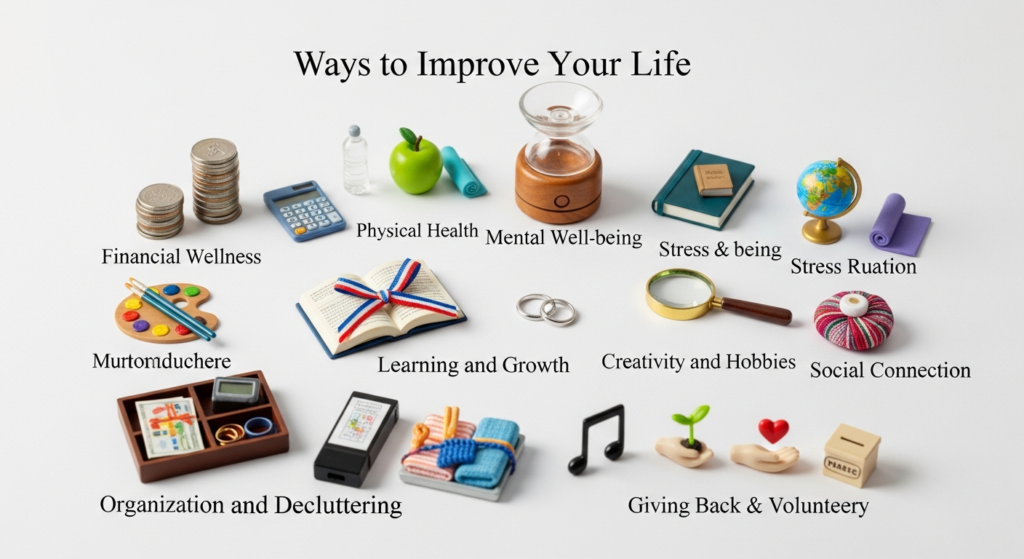
Improving your life begins with a holistic approach, recognizing that your mind, body, and spirit are interconnected. Neglecting one area can impact the others, much like a beautiful garden needs care for all its plants, not just the most visible ones. True well-being is about creating harmony across these essential pillars, fostering a foundation of strength and resilience that will support you through every season of life.
Cultivating Mental and Emotional Resilience
Our minds are powerful tools, shaping our perceptions, emotions, and ultimately, our reality. Cultivating mental and emotional resilience is paramount to navigating life’s ups and downs with grace and strength. This isn’t about eliminating challenges, but about developing the inner fortitude to meet them head-on, learn from them, and emerge stronger.
- Practice Mindfulness and Meditation: Even a few minutes of mindful breathing each day can significantly reduce stress, improve focus, and enhance emotional regulation. There are countless guided meditations available that can help you get started, offering a peaceful sanctuary amidst the daily hustle.
- Journaling for Clarity: Pouring your thoughts and feelings onto paper can be incredibly therapeutic. It helps you process emotions, identify patterns, and gain perspective. Try a gratitude journal to focus on the positive, or a free-flow journal to simply let your thoughts wander.
- Set Healthy Boundaries: Learning to say “no” is a powerful act of self-care. Establishing clear boundaries in your relationships and commitments protects your energy and prevents burnout, allowing you to show up more fully for the things that truly matter.
- Seek Professional Support: There’s immense strength in recognizing when you need help. Therapy or counseling can provide invaluable tools and strategies for managing stress, anxiety, depression, and other mental health challenges. Remember, just as you’d see a doctor for a physical ailment, tending to your mental health is a sign of self-love. For more in-depth guidance on this vital topic, we highly recommend revisiting our article on How To Look After Your Mental Health.
- Engage in Positive Self-Talk: Challenge negative internal narratives. Replace self-criticism with compassion and encouragement. Your inner voice should be your biggest cheerleader, not your harshest critic.
Prioritizing Physical Health and Vitality
Your body is your temple, the vehicle through which you experience life. Nurturing it with care and respect is one of the most fundamental ways to improve your life. When you feel physically strong and energized, every other aspect of your life benefits, from your mood to your productivity.
- Move Your Body Regularly: Find activities you genuinely enjoy, whether it’s dancing, hiking, yoga, swimming, or simply taking brisk walks. Consistency is key, and even short bursts of movement add up. Physical activity releases endorphins, which are natural mood boosters.
- Nourish Your Body with Wholesome Foods: Focus on a balanced diet rich in fruits, vegetables, lean proteins, and whole grains. Hydrate adequately throughout the day. Small, sustainable changes to your eating habits can lead to significant improvements in energy levels, digestion, and overall health.
- Prioritize Restful Sleep: Sleep is not a luxury; it’s a non-negotiable biological need. Aim for 7-9 hours of quality sleep per night. Create a relaxing bedtime routine, minimize screen time before bed, and ensure your sleep environment is conducive to rest.
- Stay Hydrated: Drinking enough water is deceptively simple yet profoundly impactful. It supports all bodily functions, from metabolism to cognitive performance, and even skin health.
- Regular Health Check-ups: Don’t underestimate the power of preventive care. Regular doctor visits and screenings can catch potential issues early, giving you peace of mind and the opportunity to address concerns proactively.
Unlocking Your Potential: Personal Growth and Skill Development
Life is a journey of continuous learning and evolution. Stagnation can lead to feelings of boredom or dissatisfaction. Actively pursuing personal growth and developing new skills keeps your mind engaged, opens up new opportunities, and boosts your self-confidence. This is about expanding your horizons and discovering new facets of yourself you never knew existed.
Cultivating a Growth Mindset
A growth mindset, the belief that your abilities can be developed through dedication and hard work, is a powerful catalyst for improvement. Instead of viewing challenges as insurmountable obstacles, you see them as opportunities to learn and grow.
- Embrace Lifelong Learning: The world is an endless classroom. Read books, take online courses, attend workshops, or listen to podcasts on topics that pique your interest. Learning new things keeps your brain agile and opens up new perspectives.
- Step Outside Your Comfort Zone: Growth rarely happens within the confines of what’s familiar. Challenge yourself to try new things, even if they feel a little intimidating. This could be anything from trying a new recipe to learning a new language or taking on a new responsibility at work.
- Seek and Embrace Feedback: Constructive criticism, when received with an open mind, is a gift. It provides insights into areas where you can improve and helps you refine your skills.
- Set SMART Goals: Goals that are Specific, Measurable, Achievable, Relevant, and Time-bound provide direction and motivation. Break larger goals into smaller, manageable steps to maintain momentum.
- Reflect and Self-Assess: Regularly take time to reflect on your experiences, successes, and areas for improvement. What did you learn? What would you do differently next time? This reflective practice is crucial for continuous growth.
Developing New Skills and Hobbies
Acquiring new skills or rekindling old hobbies not only enriches your life but can also boost your confidence and provide a wonderful sense of accomplishment. It’s about finding joy in the process and expanding your capabilities.
- Learn a New Language: This not only opens doors to new cultures but also enhances cognitive function and memory.
- Master a Creative Art: Whether it’s painting, writing, playing an instrument, or pottery, engaging your creative side is incredibly fulfilling and a powerful stress reliever.
- Develop a Practical Skill: Learn to code, garden, bake, or even master home repairs. These skills can empower you and make daily life more efficient and enjoyable.
- Engage in Public Speaking: For many, this is a daunting challenge, but conquering it can dramatically improve your communication skills and self-assurance in various aspects of life.
- Volunteer Your Time: Contributing to a cause you care about not only helps others but also fosters a sense of purpose and connection, often introducing you to new skills and people.
Strengthening Your Connections: Relationships and Community
Nurturing Meaningful Relationships
Quality over quantity is key when it comes to relationships. Focus on cultivating deep, authentic connections that uplift and support you.
- Practice Active Listening: Truly hearing and understanding others, without interruption or formulating your response, strengthens bonds and makes people feel valued.
- Communicate Openly and Honestly: Healthy relationships are built on trust and transparency. Express your thoughts, feelings, and needs respectfully and clearly.
- Spend Quality Time: In our fast-paced world, intentional time together is precious. Put away distractions, engage in shared activities, and simply enjoy each other’s company. Remember, even a special evening can be enhanced by considering our tips in Surefire Ways To Impress Your Partner On Date Night, fostering deeper connection and appreciation.
- Show Appreciation and Gratitude: Regularly express your thanks and appreciation for the people in your life. Acknowledging their contributions makes them feel seen and loved.
- Forgive and Let Go: Holding onto grudges only harms you. Practice forgiveness, both for others and for yourself, to release emotional burdens and foster peace.
Building a Supportive Community
Beyond your closest circle, a sense of community can provide belonging, support, and opportunities for shared experiences.
- Join Clubs or Groups: Pursue hobbies or interests in a group setting. This is a fantastic way to meet like-minded individuals and expand your social network.
- Volunteer Locally: Giving back to your community not only benefits others but also connects you with people who share your values and passions.
- Engage with Your Neighbors: Simple gestures like saying hello, offering help, or participating in neighborhood events can foster a stronger sense of local community.
- Stay Connected Virtually (Mindfully): While not a substitute for in-person interaction, online groups or forums related to your interests can provide support and connection, especially if you live in an isolated area.
Cultivating Financial Peace: Managing Your Resources Wisely
While money isn’t everything, financial stress can significantly impact your overall well-being. Gaining control over your finances is a powerful way to improve your life, reducing anxiety and opening up possibilities for your future. It’s about creating a sense of security and freedom, not just accumulating wealth.
Establishing Financial Literacy and Control
Knowledge is power, especially when it comes to your money. Understanding your financial landscape is the first step towards improvement.
- Create a Budget: Track your income and expenses to understand where your money is going. This awareness is crucial for making informed financial decisions and identifying areas where you can save.
- Build an Emergency Fund: Aim to save 3-6 months’ worth of living expenses in an easily accessible savings account. This safety net provides peace of mind and protects you from unexpected financial shocks.
- Pay Down Debt: High-interest debt can be a major source of stress. Develop a strategy to pay it off, whether it’s the snowball method (paying smallest debts first) or the avalanche method (paying highest-interest debts first).
- Set Financial Goals: Whether it’s saving for a down payment, retirement, a dream vacation, or starting a business, having clear financial goals provides motivation and direction for your money management.
- Invest in Your Future: Learn about different investment options and consider contributing to a retirement fund or other investment vehicles. Even small, consistent contributions can grow significantly over time thanks to the power of compounding.
Mindful Spending and Saving
Beyond budgeting, adopting a mindful approach to spending can transform your financial habits and align them with your values.
- Distinguish Between Needs and Wants: Before making a purchase, ask yourself if it’s truly essential or if it’s something you desire. This isn’t about deprivation, but about intentionality.
- Avoid Impulse Buys: Give yourself a “cooling-off period” before making non-essential purchases. Often, the urge to buy passes, saving you money and clutter.
- Automate Savings: Set up automatic transfers from your checking to your savings account each payday. This “pay yourself first” strategy ensures you’re consistently building your financial reserves.
- Seek Professional Financial Advice: If you feel overwhelmed or need expert guidance, a financial advisor can help you create a personalized plan and navigate complex financial decisions.
- Embrace Frugality Creatively: Find joy in saving money by getting creative – cooking at home, finding free entertainment, borrowing instead of buying, or repurposing items.
Cultivating Inner Peace: Mindfulness, Self-Care, and Purpose
In a world that constantly demands our attention, finding moments of inner peace and prioritizing self-care isn’t just a luxury; it’s a necessity. These practices are fundamental different ways to improve your life by fostering a deep sense of contentment, resilience, and clarity. It’s about reconnecting with yourself and understanding what truly nourishes your soul.
Practicing Mindfulness and Presence
Mindfulness is the practice of being fully present in the moment, without judgment. It helps you tune into your senses, quiet the mental chatter, and appreciate the richness of everyday experiences.
- Engage Your Senses: Whether you’re eating, walking, or drinking tea, consciously engage all your senses. Notice the colors, textures, smells, tastes, and sounds around you.
- Take Mindful Breaks: Throughout your day, pause for a few minutes to simply breathe and observe. Step away from your desk, look out a window, or stretch your body.
- Practice Gratitude Daily: Make it a habit to acknowledge at least three things you’re grateful for each day. This simple practice shifts your focus to the positive and cultivates a more optimistic outlook.
- Connect with Nature: Spend time outdoors, whether it’s a walk in a park, sitting by a body of water, or tending to a garden. Nature has a profound calming effect on the mind and body.
- Limit Digital Distractions: Consciously reduce your screen time, especially before bed. Disconnecting from technology allows you to reconnect with yourself and your surroundings.
Prioritizing Self-Care and Self-Love
Self-care isn’t selfish; it’s essential. It’s about actively taking steps to protect your physical, mental, and emotional health. Self-love goes a step further, embracing and accepting yourself unconditionally.
- Schedule “Me Time”: Block out time in your calendar specifically for activities that recharge you. Treat it as non-negotiable, just like any other important appointment.
- Indulge in Relaxing Rituals: Whether it’s a warm bath, reading a book, listening to music, or enjoying a quiet cup of tea, find rituals that help you unwind and de-stress.
- Practice Self-Compassion: Treat yourself with the same kindness and understanding you would offer a dear friend. Recognize that you are doing your best and that imperfections are part of being human.
- Listen to Your Body’s Needs: Pay attention to signals of hunger, fatigue, or stress. Respond to these needs rather than pushing through them.
- Say “No” Without Guilt: Protect your energy and time by politely declining requests that don’t align with your priorities or well-being. Remember our article, Treat Yourself: No One Loves You Like You Do, which really dives into the importance of this personal prioritization.
Discovering and Living Your Purpose
Having a sense of purpose provides direction, meaning, and motivation in life. It’s about understanding what truly matters to you and aligning your actions with those values.
- Identify Your Core Values: What principles are most important to you? Integrity, creativity, compassion, freedom? Understanding your values helps guide your choices.
- Reflect on Your Passions: What activities make you lose track of time? What causes stir your soul? Your passions often point towards your purpose.
- Consider Your Strengths: What are you naturally good at? How can you use these strengths to contribute positively to the world around you?
- Set Intentions: Each day, week, or month, set clear intentions for how you want to show up and what you want to achieve, aligning these with your values and purpose.
- Take Action, Even Small Ones: Purpose isn’t always about a grand calling. It can be found in consistent, meaningful actions that align with your values, even if they seem small.
As we navigate through 2026 and beyond, remember that improving your life is a continuous journey, not a destination. There will be days of triumph and days of challenge, moments of clarity and moments of doubt. The key is to approach it all with curiosity, self-compassion, and an unwavering belief in your own capacity to grow and thrive. Each small step you take, each intentional choice you make, contributes to the beautiful tapestry of a life well-lived. Embrace the process, celebrate your progress, and know that you are capable of creating a life that truly lights you up!
Frequently Asked Questions
Recommended Resources
You might also enjoy Natural Beauty Secrets From Celebrities from Celebrity Exchange.
For more on different ways to, see Open Concept Living Room Ideas on Rock Salt Plum.