
Your Ultimate Guide to Banishing Dry Skin: A Hydration Handbook for 2026 and Beyond
We’re diving deep into understanding why your skin might be feeling parched, how to build a routine that truly works, and the hero ingredients that will become your new best friends. Forget complex, 12-step routines that add stress to your already busy life. We’re all about practical, effective strategies that seamlessly fit into your world. So, grab a cup of your favorite tea, settle in, and let’s embark on this journey to happier, healthier, and beautifully hydrated skin together!
Understanding Your Dry Skin: More Than Just a Little Thirsty
Before we dive into solutions, let’s chat about what “dry skin” actually means and why it might be happening to you. It’s not just a surface issue; it’s often a sign that your skin’s natural barrier isn’t functioning at its peak. This barrier, composed of lipids (like ceramides, fatty acids, and cholesterol), acts like the mortar between the bricks of your skin cells, locking moisture in and keeping irritants out. When this barrier is compromised, moisture escapes easily, leading to that tell-tale dryness, flakiness, tightness, and sometimes even sensitivity or redness.
What Causes Dry Skin?
- Genetics: Sometimes, it’s just how you’re made! Some of us are naturally predisposed to producing less oil (sebum), which is a key component of a healthy skin barrier.
- Environmental Factors: Cold, dry weather (hello, winter!), low humidity, harsh winds, and even indoor heating or air conditioning can strip moisture from your skin.
- Hot Showers & Baths: While they feel amazing, prolonged exposure to very hot water can actually strip your skin of its natural oils.
- Harsh Skincare Products: Cleansers with sulfates, alcohol-based toners, or products with strong fragrances can disrupt your skin barrier and exacerbate dryness.
- Age: As we get older, our skin naturally produces less oil and loses some of its ability to retain moisture.
- Underlying Health Conditions: Certain medical conditions (like eczema, psoriasis, or thyroid issues) and medications can contribute to dry skin. Always consult a doctor if you suspect an underlying health issue.
- Dehydration: Not drinking enough water isn’t just bad for your overall health; it can show up on your skin too!
Understanding these potential culprits is the first step in tackling dry skin effectively. It’s about a holistic approach – addressing both what you put on your skin and how you care for yourself internally and environmentally.
The Foundation: Gentle Cleansing for Dry Skin
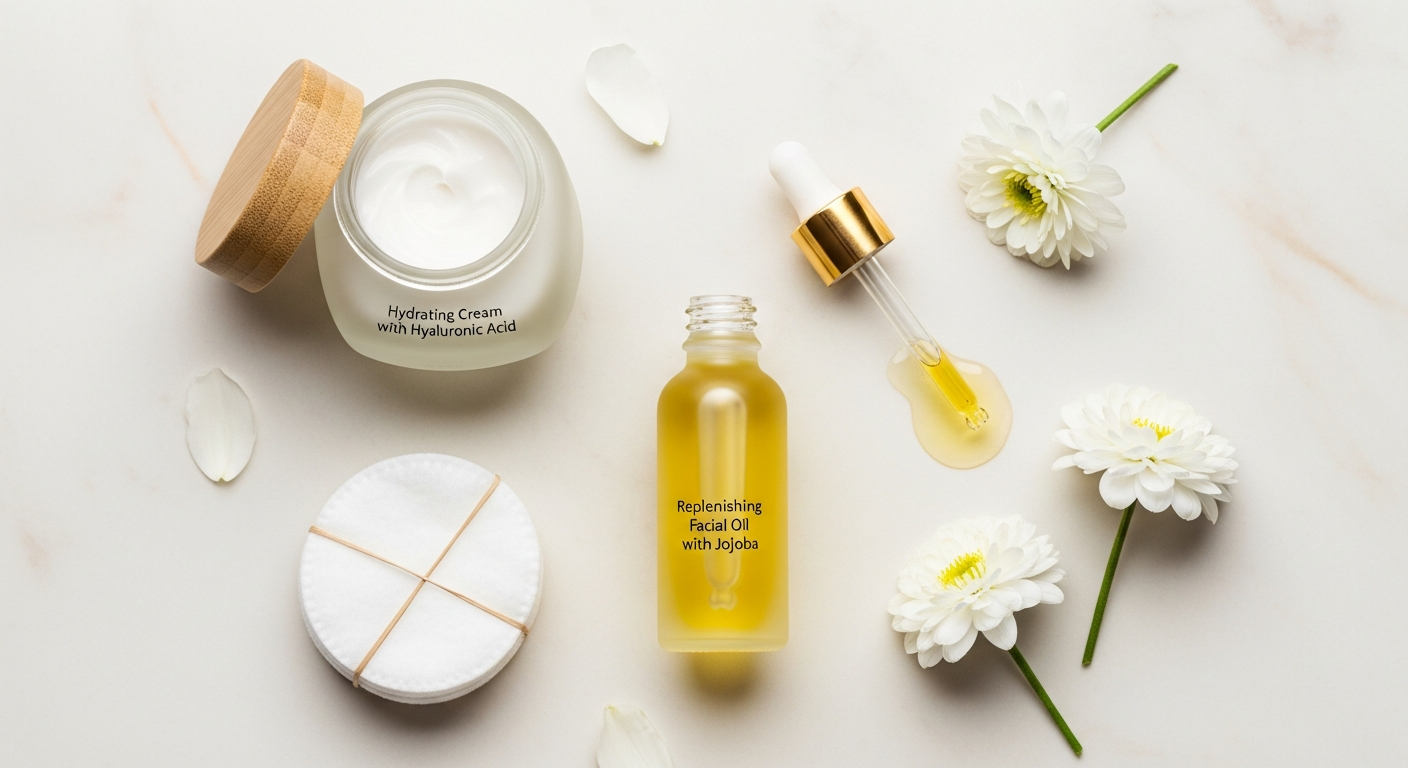
Let’s start with the very first step in any skincare routine: cleansing. For dry skin, this is absolutely critical. Many common cleansers, especially foaming ones, can be too harsh, stripping away those precious natural oils your skin desperately needs. Think of it like this: you wouldn’t wash a delicate silk blouse with harsh laundry detergent, right? Your dry skin deserves the same gentle care.
What to Look For in a Cleanser:
- Creamy, Hydrating Formulas: Opt for cleansers that feel rich and milky, rather than those that produce a lot of foam. Look for terms like “hydrating,” “creamy,” “milk,” or “oil-based.”
- Moisturizing Ingredients: Ingredients like glycerin, hyaluronic acid, ceramides, squalane, or colloidal oatmeal are excellent additions that help cleanse without stripping.
- pH-Balanced: Our skin’s natural pH is slightly acidic (around 5.5). Using cleansers that are too alkaline can disrupt the skin barrier. Look for “pH-balanced” on the label.
- Fragrance-Free: Fragrances, even natural ones, can be irritating for dry and sensitive skin.
What to Avoid:
- Sulfates (SLS/SLES): These are foaming agents that can be very stripping.
- Strong Alcohols: Denatured alcohol or isopropyl alcohol can be drying.
- Harsh Scrubs: Physical exfoliants with large, jagged particles can create micro-tears in dry skin.
- Hot Water: Wash your face with lukewarm water, never hot.
Your Gentle Cleansing Ritual:
Twice a day is usually enough, but if your skin is extremely dry and you haven’t worn makeup or sunscreen, a splash of lukewarm water in the morning might be all you need. Always cleanse at night to remove makeup, sunscreen, and daily grime.
- Warm Water, Not Hot: Splash your face with lukewarm water to prep your skin.
- Gentle Application: Dispense a small amount of cleanser into your palms and gently massage it onto your face using circular motions for about 30-60 seconds. Don’t scrub!
- Rinse Thoroughly: Rinse with lukewarm water until all traces of cleanser are gone.
- Pat Dry: Gently pat your skin dry with a clean, soft towel. Don’t rub! Leave your skin slightly damp, as this helps with the absorption of subsequent products.
Building Blocks: Serums & Treatments for Deep Hydration
Once your skin is clean and prepped, it’s time to infuse it with targeted hydration and barrier-repairing ingredients. This is where serums and treatments shine, delivering concentrated actives directly to your skin.
Hero Ingredients for Dry Skin:
- Hyaluronic Acid (HA): A superstar humectant that can hold up to 1,000 times its weight in water. It draws moisture from the air and deeper layers of your skin, plumping it up. Look for serums with different molecular weights for multi-depth hydration.
- Glycerin: Another fantastic humectant, often found in many hydrating products. It’s excellent at drawing and retaining moisture.
- Ceramides: These are lipids that are naturally found in your skin barrier. Replenishing ceramides helps to repair and strengthen that barrier, preventing moisture loss and protecting against irritants. Think of them as the “mortar” of your skin barrier.
- Squalane: A non-comedogenic (won’t clog pores) emollient that mimics your skin’s natural oils. It’s incredibly moisturizing and helps to soften and smooth the skin.
- Niacinamide (Vitamin B3): A multi-tasking ingredient that can improve skin barrier function, reduce redness, and even out skin tone. It’s generally well-tolerated by dry and sensitive skin.
- Peptides: These small chains of amino acids can help to support collagen production and improve skin resilience, contributing to a healthier, more robust barrier.
- Fatty Acids & Cholesterol: Along with ceramides, these lipids are crucial for a healthy skin barrier. Many barrier-repairing serums and moisturizers will contain a blend of these.
How to Incorporate Serums:
Apply serums to damp skin immediately after cleansing and toning (if you use a hydrating toner). This helps to maximize absorption, especially for humectants like hyaluronic acid. Use 2-3 drops, gently pressing them into your skin.
- Morning: A hydrating serum (like HA or squalane) can be a great base for your moisturizer and SPF.
- Evening: This is an excellent time to use barrier-repairing serums (ceramides, niacinamide) or more targeted treatments.
Locking It In: The Power of Moisturizers & Occlusives
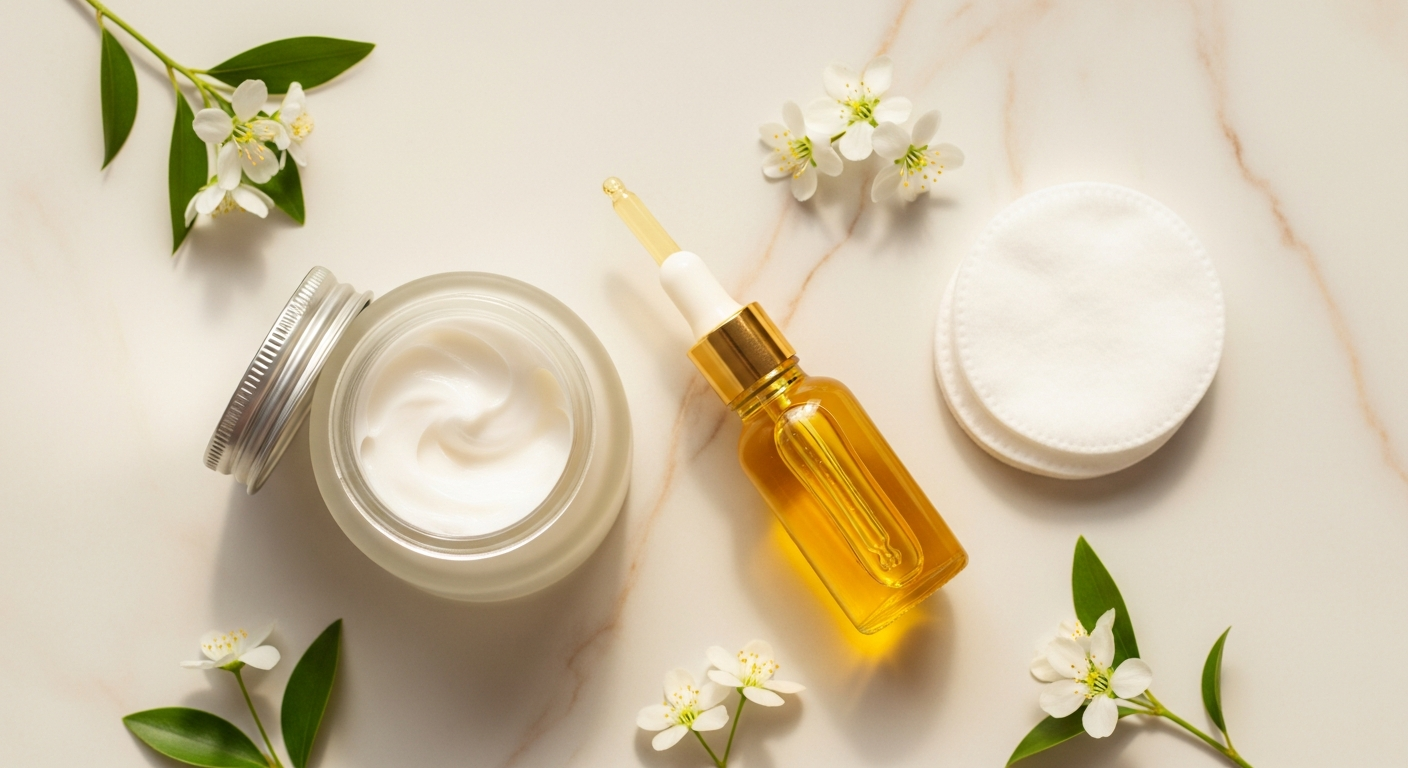
This is arguably the most crucial step for dry skin. Your moisturizer is your skin’s best friend, creating a protective seal that locks in all the goodness from your serums and prevents environmental moisture loss. For dry skin, you need something substantial, not just a light lotion.
Understanding Moisturizer Types:
- Humectants: (e.g., Hyaluronic Acid, Glycerin, Urea, PCA) – Draw water into the skin. Usually found in serums and lighter lotions, but also in creams.
- Emollients: (e.g., Ceramides, Fatty Acids, Cholesterol, Squalane, Jojoba Oil) – Smooth and soften the skin, filling in gaps between skin cells to create a smoother surface. They also help improve barrier function.
- Occlusives: (e.g., Petrolatum, Mineral Oil, Lanolin, Shea Butter, Dimethicone) – Form a protective layer on the skin’s surface to prevent water from evaporating. These are the heavy lifters for very dry skin.
For truly dry skin, you ideally want a moisturizer that contains a blend of all three, with a strong emphasis on emollients and occlusives.
What to Look For in a Moisturizer:
- Rich Creams & Balms: Opt for thicker formulations over lightweight lotions. Balms are excellent for very dry or compromised skin, especially at night.
- Barrier-Repairing Ingredients: Prioritize creams rich in ceramides, fatty acids, and cholesterol.
- Occlusive Agents: Look for ingredients like shea butter, petrolatum (Vaseline, Aquaphor), mineral oil, or dimethicone, especially if your skin is severely dry or you live in a very dry climate.
- Fragrance-Free & Hypoallergenic: Again, fewer irritants mean happier skin.
Application Tips:
- Generous Amount: Don’t be shy! Apply a generous amount to your face and neck.
- On Damp Skin: Apply your moisturizer while your skin is still slightly damp from your serum (or even a spritz of water/hydrating mist). This helps to trap that extra moisture.
- Press, Don’t Rub: Gently press and massage the moisturizer into your skin.
- Don’t Forget Your Body: The skin on your body gets dry too! Apply a rich body cream or balm immediately after showering while your skin is still damp.
- Slugging (Optional, but effective for very dry skin): For an intense overnight boost, after your regular evening routine, apply a thin layer of a pure occlusive (like petrolatum jelly or a very thick balm) as the last step. This creates a powerful seal to prevent transepidermal water loss.
Beyond the Routine: Lifestyle Habits for Radiant Skin
Skincare isn’t just about what you put on your face; it’s a holistic endeavor. What you do internally and how you manage your environment play a massive role in your skin’s hydration levels.
Internal Hydration is Key:
- Drink Up: This seems obvious, but it’s often overlooked. Aim for at least 8 glasses of water a day, more if you’re active or in a hot climate. Herbal teas count too!
- Hydrating Foods: Incorporate water-rich fruits and vegetables into your diet, like cucumbers, watermelon, berries, and leafy greens. Foods rich in omega-3 fatty acids (like salmon, flaxseeds, walnuts) can also support healthy skin barrier function.
Environmental Control:
- Humidifier Power: If you live in a dry climate or use indoor heating/AC frequently, a humidifier can be a game-changer. It adds moisture back into the air, which in turn helps your skin retain its own moisture. Run one in your bedroom overnight.
- Lukewarm Showers: Resist the urge for scalding hot showers. Opt for lukewarm water and keep showers brief (5-10 minutes). Apply body moisturizer immediately after patting dry.
- Sun Protection: UV radiation damages the skin barrier, leading to dryness and premature aging. Use a broad-spectrum SPF 30+ every single day, rain or shine, even indoors if you’re near windows.
Gentle Exfoliation (Yes, Even for Dry Skin!):
It might sound counterintuitive, but gentle exfoliation is important for dry skin. Dead, flaky skin cells can prevent your hydrating products from penetrating effectively. The key word here is gentle.
- Chemical Exfoliants: Instead of harsh physical scrubs, opt for mild chemical exfoliants like Lactic Acid (an AHA that is also a humectant, making it ideal for dry skin) or very low concentrations of Mandelic Acid. Start with once a week and see how your skin reacts.
- Enzyme Exfoliants: These are another gentle option, often derived from fruits, that dissolve dead skin cells without scrubbing.
- Frequency: For dry skin, 1-2 times a week is usually plenty. Listen to your skin – if it feels irritated or more dry, reduce frequency.
Masking for Moisture:
Your Daily Hydration Rituals: AM & PM Routines
Consistency is key when it comes to transforming dry skin. Here’s a simple, effective routine you can adapt for your unique needs, featuring tips and product types relevant for current skincare best practices in 2026.
Morning Routine: Prep for the Day
The goal of your morning routine is to protect your skin from environmental aggressors and provide a hydrating base for the day.
- Cleanse (Optional or Gentle): If your skin is extremely dry and you cleansed thoroughly the night before, a splash of lukewarm water might be sufficient. Otherwise, use your creamy, hydrating cleanser.
- Hydrating Toner/Essence (Optional, but recommended): A spritz of a hydrating mist or a few drops of a nourishing essence can add an extra layer of moisture and prep your skin for serums. Look for ingredients like rose water, thermal spring water, or fermented ingredients.
- Serum: Apply 2-3 drops of a hyaluronic acid serum or a vitamin C serum (if tolerated, as some forms can be drying) to slightly damp skin. Vitamin C can help protect against environmental damage.
- Eye Cream: Gently pat a rich, hydrating eye cream around your delicate eye area.
- Moisturizer: Apply a generous layer of your favorite rich cream. This is your protective shield.
- Sunscreen: Non-negotiable! Use a broad-spectrum SPF 30+ (or higher) with moisturizing ingredients. Mineral sunscreens with zinc oxide or titanium dioxide are often great for sensitive, dry skin.
Evening Routine: Repair & Restore
Your nighttime routine is all about repairing your skin barrier, deeply hydrating, and letting your skin regenerate while you sleep.
- Double Cleanse (if wearing makeup/SPF): Start with an oil-based cleanser or balm to gently melt away makeup, sunscreen, and impurities without stripping. Follow with your creamy, hydrating cleanser to ensure your skin is truly clean.
- Hydrating Toner/Essence: Again, a hydrating toner or essence helps rebalance and prep your skin.
- Serum(s): This is your opportunity for targeted treatments.
- Hydrating Serum: A hyaluronic acid or squalane serum.
- Barrier Repair Serum: A serum rich in ceramides, fatty acids, or niacinamide.
- Treatment Serum (Optional): If you use a gentle chemical exfoliant (like lactic acid) or a retinol (start with low strength, 1-2 times a week, and buffer with moisturizer), apply it here. Always listen to your skin and introduce actives slowly.
- Eye Cream: Apply your rich eye cream.
- Moisturizer: Apply a thick, nourishing night cream or balm. This is the time to go for a heavier formula that will work its magic overnight.
- Facial Oil (Optional, but recommended for extra dry skin): If your skin is still feeling thirsty, warm a few drops of a nourishing facial oil (like argan, jojoba, or rosehip) between your palms and gently press it over your moisturizer to seal everything in.
- Slugging (Optional): If your skin is very dry or compromised, apply a thin layer of an occlusive balm (like petrolatum jelly) over your entire routine as the final step.