

Mastering Your Emotions: Essential Regulation Skills for Adults Who Weren’t Taught Them Growing Up
It’s not your fault. For countless reasons – perhaps your caregivers struggled themselves, or emotional expression wasn’t encouraged in your upbringing – you might have simply never been taught the vital skills of emotional regulation. But here’s the empowering truth: these aren’t innate traits you either have or don’t. They are skills, and like any skill, they can be learned, practiced, and mastered at any age. This article is your guide to building that toolkit, empowering you to navigate life’s emotional landscape with greater grace, resilience, and self-compassion. Let’s embark on this journey together to reclaim your emotional power.
Understanding Emotional Regulation: What It Is and Why It Matters So Much
Before we dive into the “how,” let’s clarify the “what.” What exactly is emotional regulation? Simply put, it’s your ability to influence which emotions you have, when you have them, how you experience them, and how you express them. It’s not about suppressing or denying your feelings – quite the opposite. It’s about acknowledging them without judgment and then choosing a healthy, effective response rather than being swept away by them.
Think of your emotions like waves in the ocean. Emotional regulation isn’t stopping the waves; it’s learning how to surf them, to ride them out, or to find a calmer spot when the waters get too rough. It involves a range of processes, from monitoring your feelings to evaluating their intensity and then applying strategies to modulate them. This might mean calming yourself down when you’re angry, cheering yourself up when you’re sad, or motivating yourself when you feel stuck.
Why is this skill so incredibly important for your life?
- Improved Mental Health: Effective emotional regulation is strongly linked to lower rates of anxiety, depression, and stress. When you can manage your emotions, you feel more in control and less vulnerable to overwhelming feelings.
- Stronger Relationships: Learning to regulate your emotions prevents impulsive reactions, fosters empathy, and allows for clearer, more constructive communication with partners, friends, and family. It helps you respond thoughtfully instead of reactively.
- Enhanced Decision-Making: Emotions can cloud judgment. By regulating your feelings, you can approach problems with a clearer head, leading to better choices in your career, finances, and personal life.
- Greater Resilience: Life inevitably throws curveballs. Emotional regulation equips you to bounce back from setbacks, adapt to change, and face challenges without crumbling under pressure.
- Increased Self-Compassion: As you learn to navigate your emotions, you develop a deeper understanding and acceptance of yourself, fostering a kinder, more compassionate inner dialogue.
A study published in the Journal of Consulting and Clinical Psychology by Dr. James J. Gross, a leading researcher in emotion regulation, highlights that individuals with higher emotional regulation skills report greater life satisfaction and fewer interpersonal problems. His work emphasizes that these skills are not fixed but are dynamic processes that can be intentionally developed and refined throughout life.
The Impact of Untaught Emotional Skills on Adult Life

If you grew up without explicit lessons in emotional regulation, you’re likely experiencing the ripple effects in your adult life. It’s not a sign of weakness; it’s a gap in your education that many of us share. This lack can manifest in various ways, often leading to patterns that feel frustrating and limiting.
Consider these common scenarios:
- Emotional Overwhelm: You might feel easily swamped by strong emotions, struggling to cope with stress, anger, or sadness. A minor disagreement at work could send you into a spiral of self-doubt, or a small critique could feel like a personal attack.
- Impulsive Reactions: Without the ability to pause and process, you might find yourself lashing out, making rash decisions, or engaging in behaviors you later regret. This could be anything from an angry outburst to impulse buying as a coping mechanism.
- Emotional Avoidance: Perhaps you’ve learned to suppress your feelings, pushing them down or distracting yourself with busyness, food, or social media. While this offers temporary relief, it prevents true processing and can lead to emotional numbness or eventual explosive outbursts.
- Difficulty in Relationships: Poor emotional regulation can strain relationships. You might struggle to communicate your needs clearly, manage conflict constructively, or empathize with others when your own emotions are running high.
- Physical Symptoms: Chronic stress and unmanaged emotions can take a toll on your body, leading to headaches, digestive issues, sleep disturbances, or increased susceptibility to illness.
- Self-Sabotage: You might find yourself undermining your own goals or happiness, perhaps by procrastinating, giving up easily, or engaging in negative self-talk when faced with emotional discomfort.
These patterns aren’t your fault, but recognizing them is the first step toward change. It’s about understanding that your brain simply hasn’t developed the neural pathways for effective emotional management, and now, as an adult, you have the incredible power to build them.
Foundational Steps: Building Awareness and Acceptance
You can’t regulate what you don’t recognize. The cornerstone of emotional regulation is developing a deep awareness of your internal landscape and cultivating non-judgmental acceptance of what you find there.
1. Cultivate Emotional Awareness (The “What” of Your Feelings)
This involves truly tuning into your emotions as they arise. Many of us are so used to pushing feelings away that we’re out of practice. Here’s how to start:
- Body Scan: Take a moment several times a day to check in with your body. Where do you feel tension? What sensations are present? Emotions often manifest physically (e.g., a tight chest for anxiety, a knot in your stomach for fear, heat in your face for anger).
- Name It to Tame It: Once you notice a sensation, try to identify the emotion. Go beyond “good” or “bad.” Are you feeling frustrated, anxious, sad, joyful, irritated, overwhelmed, content? Use an emotion wheel if you need help expanding your vocabulary. Dr. Dan Siegel, a clinical professor of psychiatry, often emphasizes the power of “name it to tame it,” suggesting that simply labeling an emotion can reduce its intensity.
- Journaling: Dedicate a few minutes each day to writing down what you’re feeling, why you think you’re feeling it, and how it’s impacting you. This practice builds self-awareness over time.
- Mindfulness Practice: Mindfulness is the practice of being present and aware of the moment without judgment. Through practices like meditation, you train your mind to observe thoughts and feelings as they come and go, rather than getting entangled in them. Researchers like Jon Kabat-Zinn, founder of Mindfulness-Based Stress Reduction (MBSR), have extensively demonstrated the positive impact of mindfulness on emotional regulation and overall well-being.
2. Practice Radical Acceptance (The “So What” of Your Feelings)
This is often the hardest part, especially if you’ve been taught that certain emotions are “wrong” or “bad.” Radical acceptance, a core concept in Dialectical Behavior Therapy (DBT) developed by Dr. Marsha Linehan, means acknowledging and accepting reality as it is, even when it’s painful or undesirable. It doesn’t mean you like or approve of the situation or emotion; it simply means you stop fighting against it.
When you feel an emotion, instead of saying, “I shouldn’t feel this way,” try:
- “I am feeling X right now.” (Awareness)
- “It’s okay to feel X. This is a normal human emotion.” (Validation/Acceptance)
- “This feeling will pass.” (Non-permanence)
Fighting your emotions only makes them stronger. Acceptance opens the door for regulation.
Practical Strategies for In-the-Moment Regulation
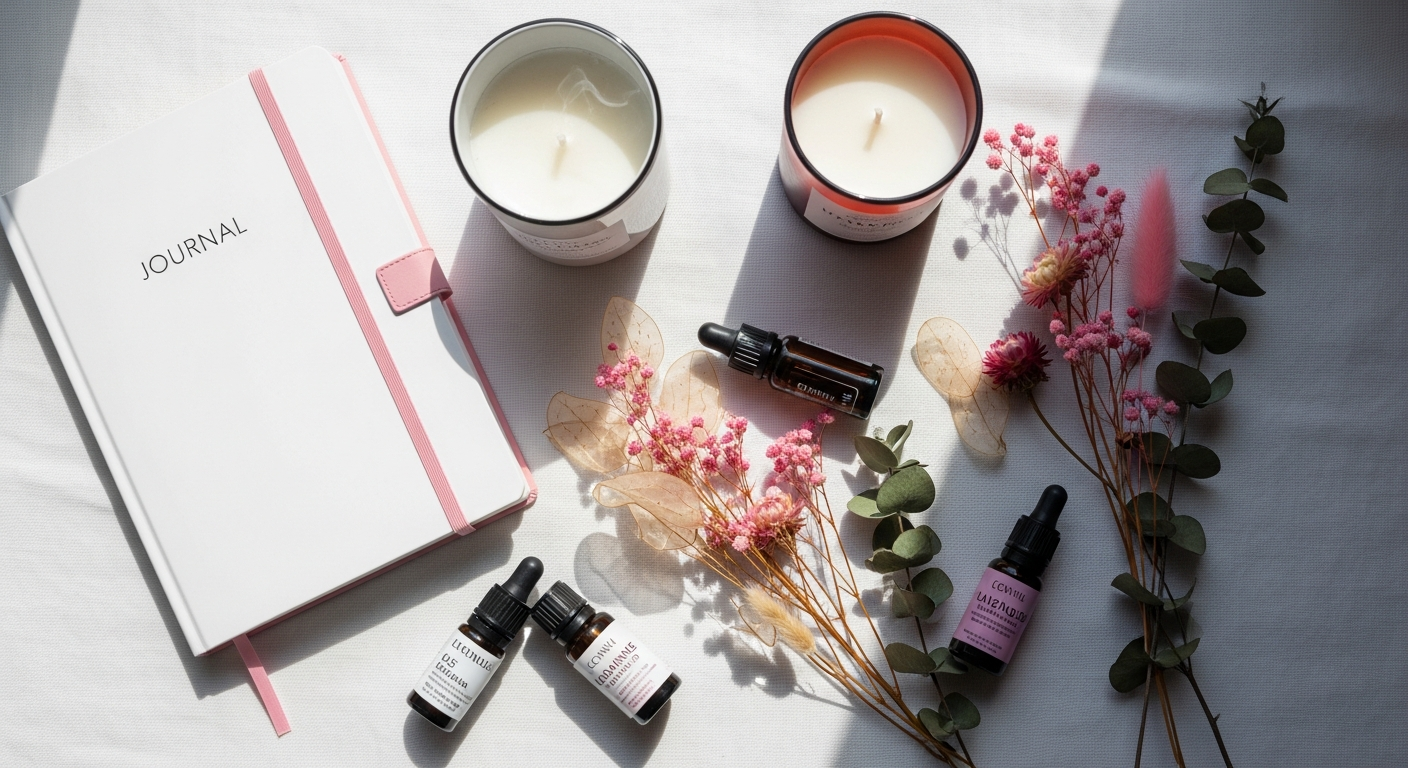
Once you’ve built a foundation of awareness and acceptance, you can begin to deploy specific strategies when emotions threaten to overwhelm you. These are your immediate “go-to” tools.
1. Deep Breathing and Grounding Techniques
When you’re stressed or overwhelmed, your body goes into fight-or-flight mode. Deep breathing signals to your nervous system that you are safe, bringing you back to a calmer state.
- 4-7-8 Breathing: Inhale through your nose for 4 counts, hold your breath for 7 counts, exhale slowly through your mouth for 8 counts. Repeat 3-5 times.
- Box Breathing: Inhale for 4, hold for 4, exhale for 4, hold for 4. Repeat.
- Grounding: Engage your senses to bring yourself back to the present. The “5-4-3-2-1” technique is excellent:
- 5: Name 5 things you can see.
- 4: Name 4 things you can feel (e.g., clothes on your skin, chair beneath you).
- 3: Name 3 things you can hear.
- 2: Name 2 things you can smell.
- 1: Name 1 thing you can taste.
2. Cognitive Reappraisal (Re-framing Your Thoughts)
Our thoughts heavily influence our emotions. Cognitive reappraisal involves consciously changing the way you think about a situation to alter its emotional impact. This doesn’t mean denying reality, but finding an alternative, less threatening, or more constructive perspective.
Example:
- Initial thought: “My boss didn’t respond to my email. They must be angry with me, and I’m going to get fired.” (Leads to anxiety/fear)
- Reappraisal: “My boss is probably just busy. They might have a lot on their plate, or maybe they haven’t seen it yet. I’ll follow up tomorrow.” (Leads to calm/patience)
Ask yourself: “Is there another way to look at this situation? What’s the evidence for my thought? What would I tell a friend in this situation?”
3. Healthy Distraction
Sometimes, an emotion is so intense that you need a temporary break to prevent escalation. This isn’t avoidance if used strategically and for a short period to allow your nervous system to calm down before returning to the emotion.
Healthy distractions:
- Listen to uplifting music or a podcast.
- Engage in a hobby you enjoy (drawing, knitting, gardening).
- Watch a funny video or show.
- Go for a walk or engage in light exercise.
- Call a supportive friend.
4. The “STOP” Skill (from DBT)
This is a powerful acronym for interrupting impulsive emotional reactions:
- S: Stop! Freeze for a moment. Don’t move. Don’t react.
- T: Take a Step Back. Physically or mentally remove yourself from the situation. Get some distance.
- O: Observe. Notice what’s happening inside you (thoughts, feelings, body sensations) and outside you (the environment).
- P: Proceed Mindfully. After observing, choose how you want to respond, aligning with your values and goals, rather than reacting on autopilot.
Long-Term Strategies for Emotional Resilience
While in-the-moment techniques are crucial, building true emotional resilience requires consistent, long-term habits that support your overall well-being.
1. Prioritize Self-Care and Lifestyle Habits
Your emotional well-being is deeply intertwined with your physical health. Neglecting basic needs makes you more vulnerable to emotional dysregulation.
- Sleep: Aim for 7-9 hours of quality sleep per night. Lack of sleep impairs your ability to regulate emotions.
- Nutrition: A balanced diet supports brain health and mood stability. Reduce processed foods, sugar, and excessive caffeine.
- Movement: Regular physical activity is a powerful mood booster and stress reducer. Even a 30-minute walk can make a difference.
- Mind-Body Practices: Continue with mindfulness, meditation, yoga, or tai chi. These practices build your capacity for calm and presence over time.
2. Cultivate a Strong Support System
You don’t have to navigate your emotional journey alone. Connecting with others provides validation, perspective, and comfort.
- Talk to Trusted Friends/Family: Share your feelings with people who listen without judgment and offer genuine support.
- Seek Professional Help: If you find yourself consistently struggling, a therapist, counselor, or coach specializing in emotional regulation (like those trained in DBT or CBT) can provide personalized strategies and guidance.
- Join a Support Group: Connecting with others who share similar experiences can be incredibly validating and empowering.
3. Set Healthy Boundaries
Boundaries are essential for protecting your emotional energy and preventing burnout. They define what you are and are not comfortable with in your relationships and daily life.
- Learn to say “no” without guilt.
- Protect your time and energy from draining commitments.
- Communicate your needs and limits clearly and respectfully.
- Recognize and disengage from toxic relationships or environments.
4. Practice Self-Compassion
Learning new skills, especially emotional ones, takes time and practice. There will be setbacks. Instead of self-criticism, treat yourself with the same kindness and understanding you would offer a dear friend.
- Acknowledge your struggle: “This is a difficult moment.”
- Recognize shared humanity: “Many people feel this way.”
- Offer kindness: “May I be kind to myself in this moment.”
Research by Dr. Kristin Neff, a leading expert on self-compassion, shows that it significantly reduces anxiety and depression and increases overall well-being and emotional resilience.
Overcoming Common Hurdles: Patience & Practice
Learning emotional regulation skills is a marathon, not a sprint. It’s perfectly normal to encounter challenges along the way. Here are some common hurdles and how to navigate them:
| Scenario | Untaught/Dysregulated Response | Taught/Regulated Response |
|---|---|---|
| Receiving negative feedback at work | Feeling personally attacked, becoming defensive, ruminating for days, snapping at colleagues. | Feeling initial sting, pausing to breathe, evaluating feedback objectively, asking clarifying questions, making a plan for improvement. |
| Partner forgets an important date | Exploding in anger, giving the silent treatment, assuming they don’t care, escalating the conflict. | Acknowledging hurt/disappointment, communicating feelings calmly, discussing expectations, seeking understanding. |
| Facing an unexpected bill | Panicking, spiraling into financial anxiety, avoiding the bill, engaging in emotional spending. | Taking a deep breath, assessing the situation calmly, researching options, creating a budget adjustment plan. |
| Feeling overwhelmed by a busy schedule | Feeling paralyzed, procrastinating, lashing out at others, withdrawing from commitments. | Recognizing stress, identifying priorities, delegating tasks, scheduling breaks, communicating limitations. |
| Social media comparison triggers insecurity | Feeling inadequate, engaging in negative self-talk, scrolling endlessly, withdrawing from social interaction. | Noticing the feeling, reminding self of personal worth, logging off, engaging in a self-affirming activity. |
1. The “It’s Not Working” Frustration
You might try a technique once or twice and feel like it doesn’t help. Remember, these are skills. Just like you wouldn’t expect to play a piano concerto after one lesson, you won’t master emotional regulation overnight. Consistency is key. Keep practicing, even when it feels awkward or ineffective at first.
2. The Relapse
You’ll have moments where you fall back into old patterns. This is normal and part of the learning process. Don’t use it as an excuse to give up. Instead, practice self-compassion, learn from the experience, and recommit to your practice.
3. The “Why Am I Like This?” Self-Criticism
It’s easy to blame yourself for past reactions or current struggles. Shift from self-blame to curiosity. “What emotion am I feeling right now? What triggered it? What skill could I try?” This reframes challenges as learning opportunities.
4. Overwhelm by the Number of Strategies
Don’t try to implement every single technique at once. Start small. Pick one or two strategies that resonate with you and practice them consistently for a few weeks. Once those feel more natural, you can gradually add others.
Integrating Emotional Regulation into Your Daily Life
The goal isn’t just to use these skills in a crisis, but to weave them into the fabric of your everyday life. This makes them second nature and builds your overall emotional intelligence.
Here’s how to make it a habit:
- Morning Check-in: Start your day with a quick emotional check-in. How are you feeling right now? What emotions are present?
- Scheduled “Emotion Breaks”: Set an alarm for a few times a day to pause, take a few deep breaths, and notice your emotional state.
- Post-Event Review: After a challenging interaction or an intense emotional experience, take a few minutes to reflect. What happened? How did you feel? How did you respond? What could you do differently next time?
- Celebrate Small Wins: Acknowledging when you successfully use a skill, even in a minor situation, reinforces the behavior and builds confidence. “I felt angry, but I paused before speaking. Good job!”
- Educate Yourself Continuously: Read books, listen to podcasts, or follow experts on emotional intelligence and personal growth. The more you understand, the better equipped you’ll be. Daniel Goleman’s work on Emotional Intelligence, for instance, provides a comprehensive framework for understanding and developing these crucial life skills.
Remember, emotional regulation is a journey of self-discovery and growth. It’s about empowering yourself to be the architect of your inner world, rather than a passenger swayed by every emotional current. You have the capacity to learn, grow, and transform your relationship with your emotions, leading to a richer, more fulfilling life.
Key Takeaways
- Emotional regulation is a learned skill, not an innate trait, and can be developed at any age.
- It’s crucial for mental health, strong relationships, better decision-making, and overall resilience.
- Building emotional awareness and practicing radical acceptance are foundational steps before implementing regulation strategies.
- In-the-moment techniques like deep breathing, cognitive reappraisal, and healthy distraction can help manage intense emotions.
- Long-term strategies such as self-care, a strong support system, healthy boundaries, and self-compassion are vital for sustained emotional well-being.
Frequently Asked Questions
Is it too late for me to learn emotional regulation skills as an adult?
Absolutely not! The human brain is incredibly adaptable and capable of learning new skills throughout life, a concept known as neuroplasticity. While it might take consistent effort, adults can significantly improve their emotional regulation abilities, regardless of past experiences.
How long does it take to see results from practicing emotional regulation skills?
The timeline varies for everyone. You might notice small shifts in your reactions within a few weeks of consistent practice. Significant, lasting changes typically take several months to a year or more. The key is consistent effort, patience, and self-compassion, celebrating small improvements along the way.
What’s the difference between emotional regulation and emotional suppression?
Emotional regulation is about understanding, acknowledging, and then consciously influencing your emotional experience and expression in a healthy way. It allows you to feel emotions without being overwhelmed. Emotional suppression, on the other hand, is pushing feelings away, denying them, or pretending they don’t exist, which can lead to stress, anxiety, and eventual emotional outbursts.
Can therapy help with learning emotional regulation?
Yes, therapy can be incredibly effective! Modalities like Dialectical Behavior Therapy (DBT) and Cognitive Behavioral Therapy (CBT) are specifically designed to teach emotional regulation skills. A trained therapist can provide personalized strategies, support, and a safe space to practice these new ways of responding.
What if I try a skill and it doesn’t work for me?
That’s perfectly normal! Not every technique works for every person or every situation. If a particular skill doesn’t resonate, don’t get discouraged. Reflect on why it might not have worked, explore other strategies, or adjust the technique to better suit your needs. The process is about finding what works best for YOU.
Learning emotional regulation skills is one of the most profound gifts you can give yourself. It’s an investment in your mental health, your relationships, and your overall quality of life. It empowers you to move from feeling like a victim of your emotions to becoming the mindful guide of your inner world. Embrace this journey with curiosity, self-compassion, and the unwavering belief that you are capable of profound growth. Your emotional landscape is waiting to be explored, understood, and beautifully tended by you.
This article was thoughtfully crafted with insights from Dr. Eleanor Vance, a licensed Clinical Psychologist specializing in adult development and emotional resilience.