

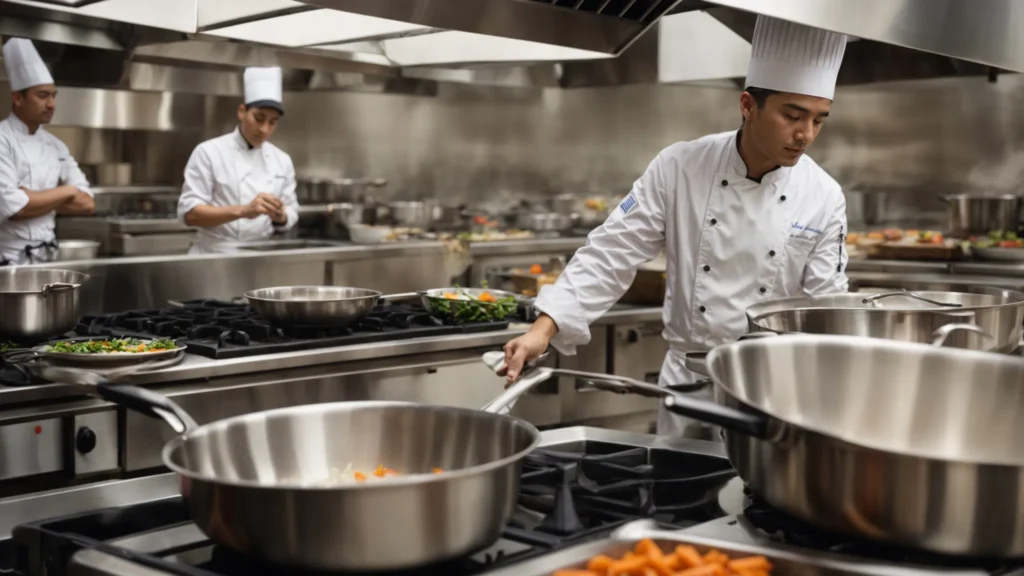
Essential Skills You’ll Learn in a Cooking Class in NYC
Taking a cooking class in New York City is not just an opportunity to have fun and eat delicious food; it’s a deeply educational experience where you can acquire a plethora of skills that go far beyond following recipes. From knife techniques to plating aesthetics, the culinary arts are vast and intricate, offering lessons in international cuisines, baking science, and the delicate balance of flavors. Whether you’re a beginner looking to lay a foundation or an experienced cook aiming to refine your craft, a cooking class is a valuable investment in your culinary journey. Below are key skills that you’ll be able to hone with expert chefs guiding you every step of the way.
Mastering the Techniques of International Cuisines
Cooking class NYC based often features the exploration of international cuisines, providing a taste of the world’s cultures. Italian, French, Japanese, and a variety of other culinary traditions form part of the curriculum. Learning the signature techniques and staple ingredients of these cuisines can not only expand your palate but also your recipe portfolio.
Every cuisine has its own set of rules and staples. An Italian cooking class may focus on the art of making perfect pasta dough, while a Thai cooking class might introduce you to the balance of sweet, salty, sour, and spicy flavors. These classes often culminate in a tasting session where students can sample their handiwork and understand the nuances of each dish.
Beyond recipes, you’ll come to understand the cultural significance and history behind international dishes. This broader knowledge provides context for your cooking and an appreciation of cuisines from around the globe. It’s a sensory and intellectual journey through taste and traditions.
Additionally, trained chefs share insights into authentic techniques from different countries, debunk common myths, and teach you to cook with authenticity. You’ll learn how to source the right ingredients and adjust your methods to replicate the flavors that are beloved by other cultures.
Elevating Your Plating and Presentation Skills
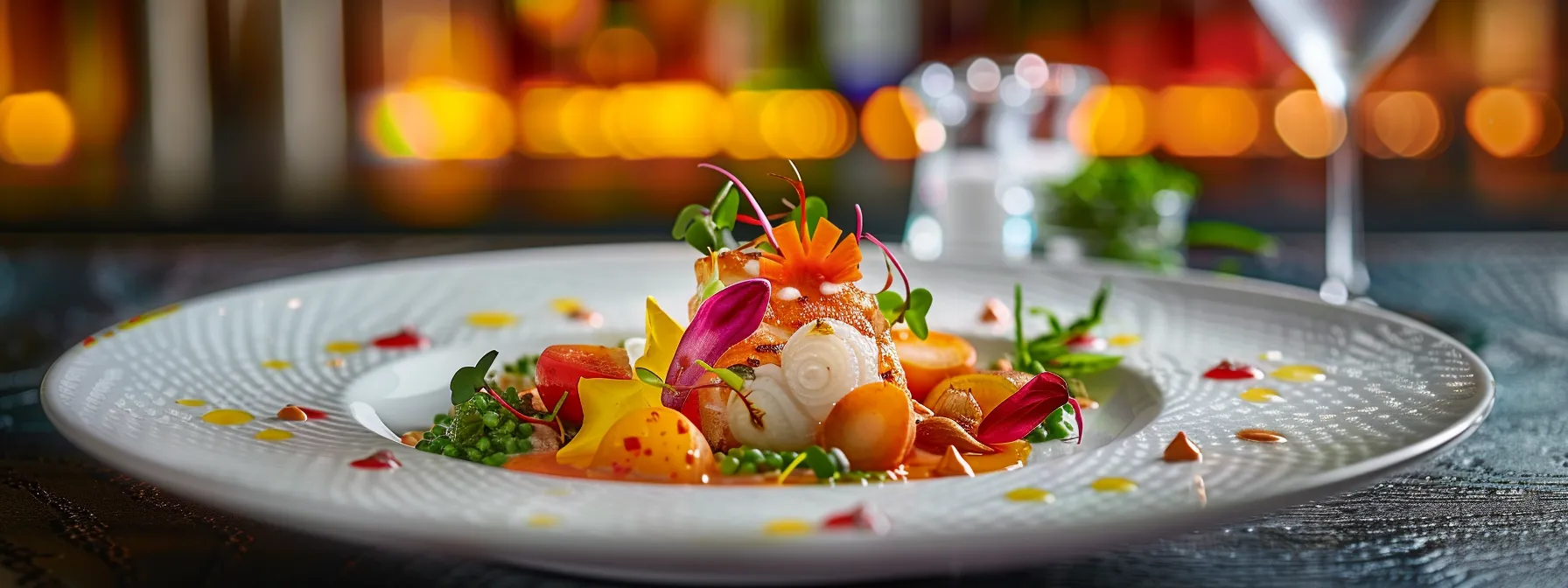
A dish’s visual appeal is nearly as important as its taste, and in a cooking class, you’ll learn that the presentation speaks volumes about the care put into a meal. Plating techniques taught in cooking classes are what transform meals into masterpieces. You’ll learn how to use color, shape, and texture to create visually stunning dishes.
Instructors provide tips on selecting appropriate plates and utensils to enhance the dish’s aesthetic, as well as on layering components to create height and dimension. Drizzles, garnishes, and negative space are tools in a well-trained chef’s arsenal, and these skills are surprisingly simple to learn with the right guidance.
As you progress, you’ll also learn the subtleties of plating for different cuisines and occasions. The elegance required for a fine-dining entrée may differ from the rustic charm ideal for a family-style Italian dish. The versatility in presentation techniques ensures you can adapt to any situation or preference.
Finally, classes often include how to photograph food effectively, so you can not only make your dishes look attractive in person but also in pictures. This valuable skill has applications not just for professional pursuits but also for capturing and sharing your culinary creations on social media.
Understanding Flavor Profiles and Seasoning Techniques
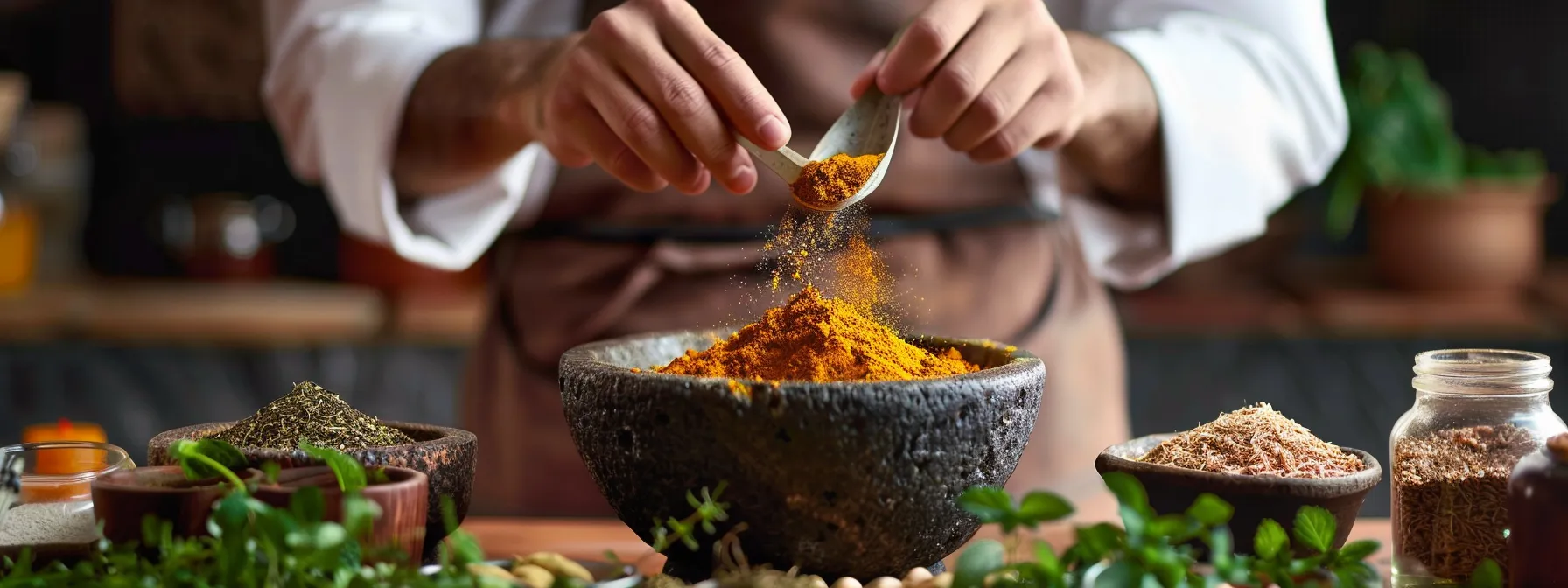
Understanding and mastering flavor profiles is central to creating dishes that delight the palate. In cooking classes, you learn the intricacies of how different flavors work together and how to balance them. Whether it’s pairing the right herb with a protein or creating a complex, layered sauce, these skills are essential for every chef.
Seasoning is not limited to salt and pepper; it includes a variety of spices, acids, and fats that draw out or complement the main ingredients. You’ll learn not just when but how to apply each seasoning to achieve optimal results. The right timing can enhance flavors without overpowering the dish.
Taste is subjective, and part of the learning process is developing your own palate. Instructors encourage tasting and adjusting throughout the cooking process to help you learn to trust your senses and intuition. This hands-on experience sets the classroom apart from learning from a cookbook or a TV show.
The skills you’ll gain from a cooking class in NYC will be invaluable in both personal and professional culinary endeavors. From the precision of knife work to the subtleties of seasoning, these lessons not only add to your cooking repertoire but also deepen your appreciation for the culinary arts as a whole.