
Defining Your Vision and Setting Strategic Goals
The first crucial step on any successful career path is to clearly define where you want to go. Without a compelling vision, your efforts can lack direction, making advancement feel like a series of disconnected tasks rather than a purposeful journey. For women, this often involves a deeper dive into self-reflection, understanding not just what you’re good at, but what truly excites and fulfills you.
Unearthing Your Core Values and Passions
Before you can set meaningful career goals, take time to understand your intrinsic motivators. What values are non-negotiable for you? Is it innovation, collaboration, social impact, financial independence, work-life integration, or continuous learning? Reflect on past experiences where you felt most engaged and energized. What were you doing? Who were you with? What problems were you solving? This introspection is a vital component of a robust How To Create Self Care Routine, as aligning your professional life with your personal values significantly reduces stress and increases job satisfaction.
- Journaling: Dedicate time to free-write about your ideal professional life.
- Value Sorts: Use online tools or lists to identify your top 3-5 core values.
- Mind Mapping: Visually connect your skills, interests, and impact desires.
Crafting a Compelling Vision Statement
Once you understand your values, articulate a clear, concise vision statement for your career. This isn’t just a job title; it’s a description of the impact you want to make, the leader you want to become, and the lifestyle your career supports. For instance, instead of “I want to be a CEO,” consider “I envision myself leading a values-driven organization that innovates sustainable solutions, empowering diverse teams to thrive and create positive societal change by 2030.” This provides a north star for all your subsequent decisions.
Setting SMART Goals for Sustainable Growth
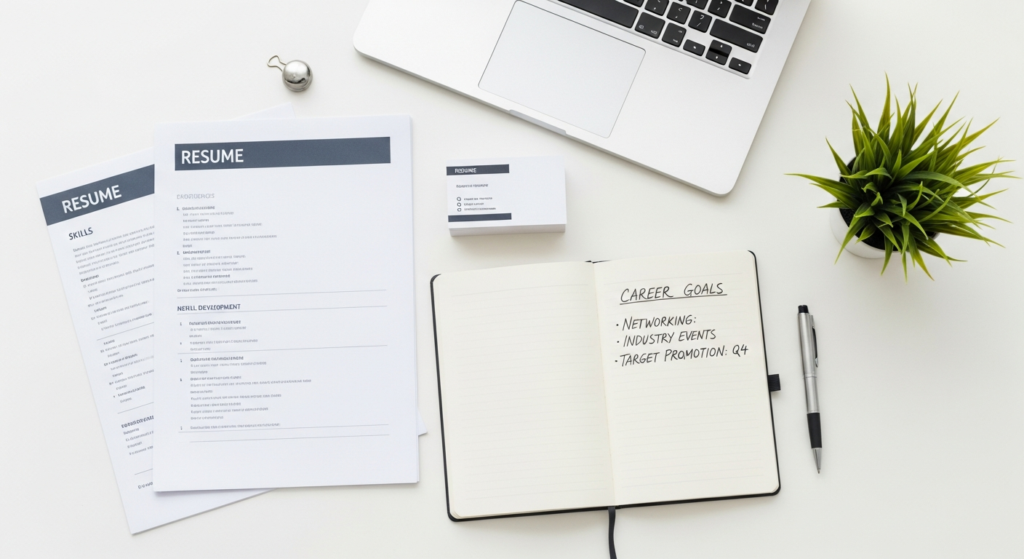
With your vision in place, break it down into actionable, time-bound goals. The SMART framework (Specific, Measurable, Achievable, Relevant, Time-bound) is invaluable here. Instead of a vague “I want a promotion,” set a goal like: “By Q4 2026, I will secure a Senior Manager position by successfully leading Project X to completion, exceeding revenue targets by 15%, and mentoring two junior colleagues.”
Consider both short-term (next 6-12 months) and long-term (3-5 years) goals. Ensure your goals are not just about external achievements but also about internal growth, skill development, and well-being. This integrated approach ensures that your career advancement is sustainable and genuinely fulfilling, preventing burnout that often accompanies a relentless pursuit of external markers of success.
Mastering Essential Skills and Continuous Learning
The professional world is in a constant state of flux, driven by technological advancements, global shifts, and evolving consumer demands. For women aiming to advance, a commitment to continuous learning and skill mastery is not merely an advantage; it’s a prerequisite. This encompasses both the technical prowess demanded by your role and the crucial soft skills that differentiate true leaders.
Identifying and Developing In-Demand Hard Skills
Hard skills are the technical abilities required to perform specific tasks. These can range from data analysis, project management software proficiency, and coding languages to financial modeling, digital marketing, or advanced research methodologies. To stay ahead, regularly assess the skills most valued in your industry and target roles. Look at job descriptions for positions you aspire to. Are there common requirements you don’t yet possess?
- Online Courses and Certifications: Platforms like Coursera, edX, LinkedIn Learning, and specific industry bodies offer certifications that can quickly update your skillset.
- Workshops and Bootcamps: Intensive programs can provide deep dives into specific technologies or methodologies.
- Side Projects: Apply new skills to personal projects or volunteer work to gain practical experience and build a portfolio.
Investing in these skills not only makes you more competent but also boosts your confidence, directly contributing to your ability to take on more challenging roles and responsibilities.
Cultivating Indispensable Soft Skills
While hard skills open doors, soft skills are often what allow you to walk through them and thrive. These interpersonal and personal attributes are crucial for leadership, collaboration, and navigating complex workplace dynamics. For women, excelling in these areas can be particularly impactful in breaking through traditional barriers.
- Communication: Mastering both written and verbal communication, active listening, and persuasive presentation skills.
- Leadership and Influence: Inspiring teams, delegating effectively, and building consensus.
- Problem-Solving and Critical Thinking: Analyzing complex situations, identifying root causes, and devising innovative solutions.
- Adaptability and Resilience: Navigating change, bouncing back from setbacks, and maintaining composure under pressure.
- Emotional Intelligence: Understanding and managing your own emotions, and accurately perceiving and influencing the emotions of others.
These skills are not innate; they can be developed through deliberate practice, feedback, and self-awareness. Seek opportunities to lead small projects, present ideas, or mediate conflicts within your team. Join Toastmasters for public speaking, or seek out workshops focused on leadership development.
Embracing a Growth Mindset and Lifelong Learning
Beyond specific skills, fostering a growth mindset – the belief that your abilities can be developed through dedication and hard work – is paramount. View challenges as opportunities for learning, and setbacks as valuable feedback. The most successful women in 2026 will be those who consistently seek out new knowledge, are curious about emerging trends, and are not afraid to evolve their understanding and approach.
Make learning a consistent habit, not just a reaction to a skills gap. Read industry publications, listen to podcasts, attend webinars, and engage in discussions with thought leaders. This proactive approach to continuous learning ensures you remain relevant, valuable, and poised for advancement in an ever-changing professional landscape.
Building a Powerful Network and Seeking Mentorship
The Power of Strategic Networking
Networking isn’t about collecting business cards; it’s about building genuine relationships based on mutual respect and shared interests. For women, a robust network provides not only access to opportunities but also a support system, diverse perspectives, and a sounding board for challenges.
- Internal Networking: Connect with colleagues across departments, senior leaders, and cross-functional teams within your organization. Understanding different facets of the business can reveal new opportunities and make you a more well-rounded leader. Offer to help on projects outside your immediate scope.
- External Networking: Participate in industry conferences, professional associations, and online communities. LinkedIn is a powerful tool for connecting with peers, leaders, and potential mentors. Attend local meetups, alumni events, or women-in-leadership forums.
- Nurture Relationships: Follow up with people you meet, offer value (share an article, make an introduction), and genuinely show interest in their work. Networking is a long game, not a transactional exchange.
Remember, your network can provide insights into industry trends, open doors to new roles, and offer crucial intelligence when you’re considering a career move. It’s an investment in your future.
Finding and Leveraging Mentors and Sponsors
While often used interchangeably, mentorship and sponsorship serve distinct, yet equally vital, roles in career advancement for women.
Mentors: Guides and Advisors
A mentor is typically someone more experienced who provides guidance, shares insights from their own career journey, offers advice, and helps you navigate challenges. They can be invaluable for:
- Skill Development: Offering feedback on your performance and suggesting areas for growth.
- Career Pathing: Helping you visualize and plan your next steps.
- Emotional Support: Providing a safe space to discuss anxieties and frustrations, a critical aspect of How To Cope With Anxiety At Work.
- Industry Insights: Sharing knowledge about the broader landscape and future trends.
Mentors can be formal (assigned through a program) or informal (someone you admire and approach). When seeking a mentor, identify individuals whose career paths you respect, who embody values you admire, and who have expertise in areas you wish to develop. Be clear about what you’re looking for and respectful of their time.
Sponsors: Advocates and Champions
A sponsor is a senior leader who actively advocates for your promotion, champions your work, and uses their influence to create opportunities for you. While a mentor talks to you, a sponsor talks about you in rooms you’re not in. This distinction is crucial, especially for women who may face unconscious bias or lack visibility at higher levels.
Sponsorship is often earned through demonstrating high performance, reliability, and potential. To attract a sponsor:
- Perform Exceptionally: Deliver outstanding results and consistently exceed expectations.
- Be Visible: Take on high-profile projects, present your work, and volunteer for leadership roles.
- Communicate Your Ambitions: Let potential sponsors know your career goals and what you aspire to achieve.
Having both mentors and sponsors creates a powerful ecosystem of support that can significantly accelerate your career trajectory, offering both guidance and tangible opportunities for advancement.
Advocating for Yourself and Negotiating Your Worth

One of the most significant hurdles women often face in career advancement is the societal conditioning that can make self-promotion and negotiation feel uncomfortable. Yet, to progress, you must confidently articulate your value, celebrate your achievements, and assertively negotiate for what you deserve. This isn’t about being aggressive; it’s about being strategic, informed, and confident in your capabilities.
Mastering the Art of Self-Promotion
Many women are taught to be humble, to let their work speak for itself. While quality work is foundational, it’s often not enough. You need to actively ensure your contributions are recognized by the right people. This doesn’t mean boasting, but rather strategically communicating your impact.
- Document Your Achievements: Keep a running log of your successes, projects completed, metrics improved, and positive feedback received. Quantify your impact whenever possible (e.g., “Increased sales by 10%,” “Reduced project timelines by 15%”).
- Share Your Wins: During one-on-one meetings with your manager, team meetings, or performance reviews, subtly but confidently highlight your accomplishments. Frame them in terms of value delivered to the company.
- Speak Up in Meetings: Contribute thoughtfully, share insights, and offer solutions. Make your presence and expertise known.
- Build a Personal Brand: Curate your professional online presence (e.g., LinkedIn) to reflect your expertise, achievements, and career aspirations.
Overcoming the discomfort of self-promotion is a gradual process. Start small, perhaps by sharing a success story with a trusted colleague, and build from there. Remember, if you don’t advocate for yourself, no one else will with the same dedication.
Effective Negotiation Strategies for Women
Negotiation is a skill that directly impacts your compensation, role, and opportunities. For women, research consistently shows a tendency to negotiate less often and less aggressively than men, often leading to significant lifetime earnings gaps. This makes mastering negotiation skills absolutely critical.
Preparation is Key:
- Know Your Value: Research market rates for your role, experience level, and location. Use sites like Glassdoor, Salary.com, and industry-specific salary guides. Understand the total compensation package, including benefits, bonuses, and equity.
- Identify Your Non-Negotiables: What are your absolute must-haves? What are you willing to compromise on?
- Practice: Role-play with a trusted friend or mentor. This builds confidence and helps you articulate your points clearly and calmly, which can significantly How To Cope With Anxiety At Work during high-stakes discussions.
During the Negotiation:
- Be Confident and Assertive, Not Aggressive: State your case clearly, calmly, and with conviction. Focus on the value you bring.
- Listen Actively: Understand the other party’s perspective and constraints. This can help you find creative solutions.
- Anchor High: Present a well-researched figure slightly above your target. This sets the negotiation range.
- Justify Your Request: Back up your salary or promotion request with your achievements, market data, and the value you add.
- Negotiate the Whole Package: Beyond salary, consider title, responsibilities, professional development opportunities, flexible work arrangements, and vacation time.
- Don’t Accept the First Offer: Unless it’s truly exceptional and meets all your needs, always ask for time to consider and then counter.
Remember, negotiation is a conversation aimed at finding a mutually beneficial agreement. By being prepared, confident, and articulate, you can ensure your compensation and opportunities truly reflect your worth and contributions.
Cultivating Resilience and Prioritizing Well-being
The pursuit of career advancement, while exhilarating, can also be demanding. The pressures of leadership, the challenges of navigating complex organizational structures, and the continuous push for excellence can take a toll on mental and physical health. For women, who often juggle professional ambitions with significant personal responsibilities, cultivating resilience and prioritizing well-being are not luxuries but essential strategies for sustainable success.
Building Emotional and Mental Fortitude
Resilience is the ability to bounce back from adversity, adapt to change, and maintain your well-being in the face of stress. In a competitive career landscape, setbacks are inevitable – a project might fail, a promotion might not materialize, or you might face criticism. Your ability to recover and learn from these experiences is crucial.
- Develop a Growth Mindset: View failures as learning opportunities rather than personal shortcomings.
- Practice Self-Compassion: Be kind to yourself, especially during difficult times. Acknowledge your efforts and humanity.
- Seek Support: Lean on your network, mentors, friends, or family. Talking through challenges can provide perspective and reduce feelings of isolation.
- Mindfulness and Meditation: Regular practice can enhance emotional regulation, reduce stress, and improve focus, directly aiding in How To Cope With Anxiety At Work. Even five minutes a day can make a significant difference.
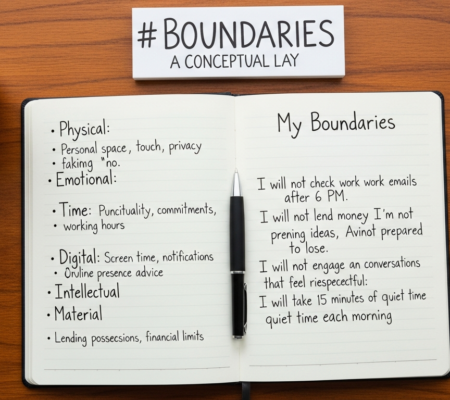
- Set Boundaries: Learn to say no to requests that overextend you or don’t align with your priorities. Protect your time and energy.
By actively working on your emotional resilience, you create a buffer against the inevitable stresses of a demanding career, allowing you to sustain your efforts over the long term.
Prioritizing Self-Care as a Strategic Imperative
Self-care is often misunderstood as indulgence, but it is, in fact, a strategic imperative for peak performance and long-term career success. It’s about proactively managing your energy, health, and mental state to ensure you have the capacity to meet your professional demands and personal aspirations. A well-structured How To Create Self Care Routine is foundational.
- Physical Well-being: Prioritize adequate sleep, nutritious eating, and regular physical activity. These are the bedrock of sustained energy and cognitive function.
- Mental Decompression: Engage in activities that help you unwind and detach from work. This could be reading, hobbies, spending time in nature, or creative pursuits.
- Emotional Check-ins: Regularly assess your emotional state. Are you feeling overwhelmed, stressed, or burnt out? Acknowledge these feelings and take steps to address them, whether through talking to someone, journaling, or taking a break.
- Time Management and Delegation: Efficiently managing your time and delegating tasks when appropriate can significantly reduce workload stress and free up mental space.
- Digital Detox: Periodically disconnect from screens and notifications to give your mind a break and foster deeper connections in your real life.
Think of self-care not as something you do when you have time, but as an integral part of your daily and weekly schedule. It’s the fuel that powers your ambition. By consciously making time for self-care, you are investing in your long-term capacity to lead, innovate, and achieve your career goals.
Furthermore, in the context of personal well-being and career longevity, we can draw parallels to the ethos of What Is Slow Fashion Why It Matters. Just as slow fashion advocates for thoughtful consumption, quality over quantity, and sustainable practices to create lasting value and reduce waste, a “slow career fashion” approach encourages women to build careers that are sustainable, authentic, and deeply aligned with their values. It’s about making conscious choices about your professional development, avoiding the “fast fashion” trap of chasing every fleeting trend or superficial opportunity that might lead to burnout or misalignment. Instead, focus on building foundational skills, nurturing meaningful relationships, and investing in experiences that offer genuine, long-term growth and fulfillment, ensuring your career journey is robust and resilient for 2026 and beyond.
Embracing Leadership and Driving Impact
Advancing in your career as a woman inevitably means stepping into greater leadership roles, whether formal or informal. True leadership is not just about a title; it’s about influence, vision, and the ability to inspire and empower others to achieve collective goals. Driving impact means not just doing your job well, but actively contributing to the strategic direction and success of your organization and beyond.
Stepping Up and Taking Initiative
Leadership often begins long before a promotion. It starts with a mindset of ownership and initiative. Look for opportunities to take on new responsibilities, even if they fall outside your immediate job description. Volunteer to lead a project, mentor a junior colleague, or contribute to cross-functional initiatives.
- Identify Gaps: What problems need solving in your team or organization? What processes could be improved? Propose solutions and offer to lead the effort.
- Seek Stretch Assignments: Ask your manager for projects that challenge you and allow you to develop new skills. These are often the fast track to visibility and demonstrating leadership potential.
- Be a Thought Leader: Share your expertise through internal presentations, blog posts, or by leading discussions. Position yourself as an expert in your field.
By consistently demonstrating initiative and a willingness to step up, you build a reputation as a proactive, engaged leader who is ready for greater responsibilities.
Cultivating an Inclusive and Empowering Leadership Style
As women move into leadership roles, they have a unique opportunity to shape organizational culture and foster inclusive environments. A truly impactful leader empowers their team, champions diversity, and creates a space where everyone feels valued and can thrive.
- Lead with Empathy: Understand and respond to the needs and perspectives of your team members. This builds trust and loyalty.
- Delegate Effectively: Empower your team by delegating meaningful tasks and trusting them with responsibility. This not only lightens your load but also develops your team members’ skills.
- Champion Diversity and Inclusion: Actively seek out diverse voices and perspectives. Challenge unconscious biases and ensure equitable opportunities for all.
- Provide Constructive Feedback: Offer regular, specific, and actionable feedback that helps your team members grow and improve.
- Mentor and Sponsor Others: Pay it forward. Actively mentor junior women and sponsor talented individuals, just as you hopefully benefited from such support.
Your leadership style can significantly influence team morale, productivity, and retention. By leading with integrity, authenticity, and a commitment to empowerment, you not only advance your own career but also elevate those around you.
Measuring and Communicating Your Impact
To truly drive impact, you must be able to articulate the value of your contributions. This goes beyond simply completing tasks; it’s about understanding the strategic implications of your work and communicating them effectively to stakeholders and senior leadership.
- Define Key Performance Indicators (KPIs): Work with your manager to establish clear metrics for success in your role and projects.
- Track Your Results: Keep meticulous records of your achievements, quantifying them whenever possible. How did your work save money, increase revenue, improve efficiency, or enhance customer satisfaction?
- Connect Your Work to Business Goals: Always frame your accomplishments in the context of the organization’s overarching strategic objectives. How did your project contribute to the company’s mission?
- Regularly Communicate Upward: Don’t wait for performance review season. Keep your manager and relevant stakeholders informed of your progress and successes through regular updates.
By consistently demonstrating and communicating your tangible impact, you solidify your reputation as a valuable asset and a strategic leader, making your case for advancement undeniable. Embracing leadership means not just excelling in your role, but actively shaping the future of your organization and the careers of those you inspire.
Frequently Asked Questions
Recommended Resources
Learn more about this topic in Celebrity Bracelet Stack Ideas at Celebrity Exchange.
Explore Best Body Care Routine For Soft And Glowing Skin for additional insights.