

Understanding the Burnout Epidemic in 2026: More Than Just Being Tired
Burnout is a term frequently tossed around, but its true gravity is often underestimated. It’s far more insidious than a bad week or a need for a vacation; it’s a profound state of physical, emotional, and mental exhaustion caused by prolonged or excessive stress. The World Health Organization officially recognizes burnout as an occupational phenomenon, characterized by three dimensions: feelings of energy depletion or exhaustion; increased mental distance from one’s job, or feelings of negativism or cynicism related to one’s job; and reduced professional efficacy. For women, the landscape of burnout in 2026 is particularly challenging. We often bear a disproportionate share of domestic and emotional labor, even while excelling in our professional spheres. The “always-on” culture, fueled by ubiquitous technology, blurs the lines between work and personal life, making it harder than ever to disconnect and recharge.
Recognizing the symptoms early is crucial for preventing a full-blown crisis. Physically, burnout can manifest as chronic fatigue, frequent headaches, muscle pain, changes in appetite or sleep patterns, and increased susceptibility to illness. Emotionally, you might experience feelings of helplessness, detachment, cynicism, irritability, anxiety, depression, or a lack of motivation. Mentally, concentration problems, forgetfulness, and a diminished sense of accomplishment are common. If these symptoms resonate with you, it’s a clear signal that your current work-life dynamic is unsustainable and that proactive steps are needed to restore equilibrium. Ignoring these warning signs will only exacerbate the problem, leading to potentially severe health consequences and a diminished quality of life. Understanding burnout isn’t about self-pity; it’s about self-awareness and empowerment, recognizing that your well-being is not just a priority, but the foundation for everything else you wish to achieve.
Laying the Foundation: Self-Awareness and Intentional Prioritization

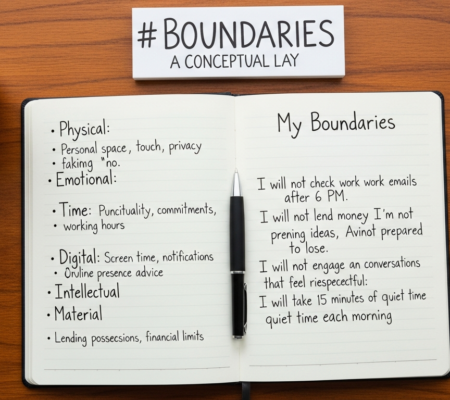
The first step in learning how to balance work and life without burning out is not about doing more, but about understanding more – specifically, understanding yourself. Self-awareness is the bedrock upon which sustainable balance is built. Take time for honest self-reflection: What truly energizes you? What drains your energy? What are your core values, and how well do your current activities align with them? Journaling, mindfulness exercises, or simply scheduling quiet time for contemplation can illuminate areas where you might be overextending or neglecting your true needs. This introspective process helps you identify your personal boundaries and non-negotiables – those aspects of your life that you simply cannot compromise on for your well-being.
Once you have a clearer understanding of yourself, intentional prioritization becomes your most powerful tool. In a world that constantly demands your attention, deciding what truly matters is paramount. Start by distinguishing between urgent and important tasks. Stephen Covey’s Eisenhower Matrix is an excellent framework for this: categorize tasks into “Urgent/Important,” “Not Urgent/Important,” “Urgent/Not Important,” and “Not Urgent/Not Important.” Focus your energy on the “Not Urgent/Important” quadrant, as these are the tasks that contribute to your long-term goals and well-being, often preventing future crises. Furthermore, embrace the concept of “ruthless prioritization.” This means accepting that you cannot do everything and being comfortable with saying “no” to commitments that do not align with your priorities or values. For women, who are often conditioned to be agreeable and people-pleasing, this can be particularly challenging, but it is a vital skill for protecting your energy and preventing overload. Define your top 3 priorities for the day, week, and month, and ensure that your actions consistently reflect these chosen focus areas. This disciplined approach ensures that your efforts are directed towards what genuinely moves you forward and supports your overall balance.
Crafting Your Sanctuary: The Non-Negotiable Self-Care Routine
Your self-care routine should be a sanctuary, tailored specifically to your needs and preferences. It doesn’t have to be grand or time-consuming; consistency is key. Here are pillars to consider integrating:
- Mindful Movement: Regular physical activity is a potent stress reliever. Whether it’s a brisk walk, yoga, dancing, or strength training, find movement that you enjoy and commit to it daily. Even 15-20 minutes can make a significant difference in mood and energy levels.
- Nourishing Nutrition: Fueling your body with whole, nutrient-dense foods supports cognitive function, stable energy, and emotional well-being. Prioritize fresh produce, lean proteins, and healthy fats, and be mindful of your hydration.
- Restorative Sleep: Quality sleep is arguably the most crucial component of self-care. Establish a consistent sleep schedule, create a calming bedtime routine, and optimize your sleep environment to ensure 7-9 hours of restful sleep each night.
- Mindfulness and Meditation: Incorporate practices like meditation, deep breathing exercises, or simply mindful moments throughout your day. These practices train your brain to stay present, reduce anxiety, and improve emotional regulation. There are numerous apps and free resources available to guide you.
- Creative Expression & Hobbies: Engage in activities purely for pleasure, without any goal or expectation of productivity. This could be painting, writing, playing music, gardening, or crafting. Hobbies provide an outlet for stress and foster a sense of joy and accomplishment outside of work.
- Digital Detox: Schedule regular breaks from screens. Constant connectivity can be draining. Designate specific times or days to unplug and reconnect with the real world and yourself.
Remember, your self-care routine is dynamic. What works one week might need adjustment the next. Be flexible, listen to your body and mind, and treat these practices as essential appointments with yourself. By consistently investing in your self-care, you build a robust internal reservoir that empowers you to meet life’s challenges without depleting your core.
Mastering Your Workday: Strategies for Productivity and Peace

The workplace is often the primary battleground for burnout, but it also presents significant opportunities for reclaiming balance. Mastering your workday isn’t about working harder, but smarter, and with greater intention. Effective strategies for productivity and peace are essential for those learning how to balance work and life without burning out.
Setting Clear Boundaries: This is perhaps the most critical skill. Define when your workday begins and ends, and stick to it. Avoid checking emails or working after hours unless absolutely necessary. Communicate these boundaries to colleagues and clients. Learn to say “no” politely but firmly to additional tasks or meetings that don’t align with your priorities or capacity. Remember, your time and energy are finite resources; guard them fiercely.
Strategic Time Management:
- Time Blocking: Schedule specific blocks of time for focused work, meetings, and breaks. Treat these blocks as non-negotiable appointments.
- The Pomodoro Technique: Work in focused 25-minute intervals, followed by a 5-minute break. After four Pomodoros, take a longer 15-30 minute break. This method enhances focus and prevents mental fatigue.
- Batching Similar Tasks: Group similar tasks together (e.g., answering emails, making calls, administrative duties) to reduce context-switching and improve efficiency.
- Prioritize Deep Work: Allocate dedicated time for complex tasks that require intense focus, free from interruptions.
Delegation and Automation: If you’re in a position to delegate, do so. Trust your team and empower them. For repetitive tasks, explore automation tools or templates that can save you valuable time. Your goal is to optimize your output while minimizing your personal input on non-essential tasks.
Addressing Anxiety at Work: Work-related anxiety is a significant contributor to burnout. The article, How To Cope With Anxiety At Work, provides deeper insights. Key strategies include:
- Mindfulness Breaks: Incorporate short mindfulness exercises or deep breathing techniques throughout your day. A few minutes of conscious breathing can reset your nervous system.
- Challenge Negative Thoughts: When anxious thoughts arise, question their validity. Are you catastrophizing? What’s the evidence for and against your concerns?
- Effective Communication: Clearly articulate your workload, concerns, and boundaries to your manager or team. Often, anxiety stems from unspoken expectations or fears.
- Physical Activity: Even a short walk during lunch can significantly reduce stress hormones and clear your mind.
- Create a Positive Workspace: Organize your physical and digital workspace. A tidy environment can reduce mental clutter. Personalize your space with items that bring you joy or calm.
By implementing these strategies, you can transform your workday from a source of stress into a space of controlled productivity and greater peace, ultimately protecting yourself from the creeping tendrils of burnout.
Beyond the Grind: Cultivating a Fulfilling Personal Life
While optimizing your workday is crucial, true work-life balance hinges on nurturing a vibrant and fulfilling personal life outside of your professional obligations. This aspect is often neglected when burnout is looming, yet it’s precisely where you find rejuvenation, joy, and a sense of identity beyond your career. For women seeking how to balance work and life without burning out, intentionally investing in your personal sphere is paramount.
Nourishing Relationships: Human connection is a fundamental need. Prioritize spending quality time with family, friends, and loved ones. Schedule regular meet-ups, make phone calls, or simply be present when you are together. These relationships provide emotional support, perspective, and a sense of belonging that buffers against stress. Don’t let your busy schedule erode these vital connections; they are your support network.
Embracing Hobbies and Passions: Reconnect with activities that ignite your passion and bring you pure joy, without any pressure for productivity or perfection. Whether it’s reading, gardening, playing a musical instrument, hiking, painting, or learning a new skill, these pursuits offer an escape from daily pressures and allow for self-expression. They remind you of who you are outside of your professional role and contribute significantly to your overall well-being and sense of identity.
The Power of Digital Detox: In an era of constant connectivity, intentionally disconnecting is a powerful act of self-care. Designate specific times or even entire days where you unplug from social media, emails, and notifications. Use this time to engage with your environment, enjoy nature, or simply be present with your thoughts. A digital detox can reduce mental clutter, improve focus, and enhance your ability to relax and unwind.
Connecting with Nature: Spending time outdoors has profound benefits for mental and physical health. Whether it’s a walk in the park, a hike in the mountains, or simply sitting in your garden, exposure to nature reduces stress, improves mood, and boosts creativity. Make it a regular part of your routine to step away from screens and immerse yourself in the natural world.
Learning and Growth: Pursue personal development that isn’t directly tied to your career. This could involve taking an online course on a topic of interest, learning a new language, or exploring philosophy. Continuous learning keeps your mind active and engaged, fostering a sense of purpose and intellectual fulfillment that extends beyond professional achievements.
By consciously carving out time and energy for these aspects of your personal life, you create a rich tapestry of experiences that provide balance, joy, and resilience. This deliberate investment ensures that your identity is not solely defined by your work, making you less vulnerable to the debilitating effects of burnout.
Conscious Living: Integrating Wellness into Every Choice
Balancing work and life without burning out extends beyond time management and self-care routines; it encompasses a holistic approach to how you live, consume, and interact with the world. This philosophy of conscious living integrates wellness into every choice, fostering a deeper sense of purpose and reducing external pressures that contribute to stress. It’s about being intentional not just with your time, but with your resources and values, creating a life that is truly aligned with your inner self.
One significant area where conscious living intersects with well-being is through mindful consumption. In a society that often encourages endless acquisition and disposable goods, embracing a more thoughtful approach can dramatically reduce mental clutter and financial stress. This is where topics like What Is Slow Fashion Why It Matters become incredibly relevant. Slow fashion, for instance, isn’t just about environmental sustainability; it’s a movement that encourages thoughtful purchasing, valuing quality over quantity, and understanding the ethical implications behind what we wear. By opting for durable, ethically produced garments, you’re not only supporting fair labor practices and reducing your ecological footprint, but you’re also making a conscious choice to step away from the fast-paced, often anxiety-inducing cycle of trends. This translates into less decision fatigue, less financial strain from impulse buys, and a wardrobe that genuinely reflects your personal style and values, rather than fleeting fads. The same principles apply to food, home goods, and technology: choosing items that are high-quality, sustainably sourced, and truly needed, rather than succumbing to consumerist pressures.
Beyond material possessions, conscious living extends to your digital habits, your information diet, and your environmental impact. It involves:
- Mindful Media Consumption: Be selective about the news, social media, and entertainment you consume. Choose content that uplifts, informs without overwhelming, and aligns with your values, rather than contributing to anxiety or negativity.
- Sustainable Practices: Incorporate eco-friendly habits into your daily life. Reducing waste, conserving energy, and supporting local, sustainable businesses are not only good for the planet but also foster a sense of purpose and connection, which can be deeply satisfying and stress-reducing.
- Intentional Spending: Align your financial choices with your values. Budgeting, saving, and investing consciously can reduce financial stress, which is a major contributor to overall burnout.
- Community Engagement: Connect with your local community. Volunteering, participating in local events, or simply supporting neighborhood businesses can foster a sense of belonging and purpose, providing an antidote to feelings of isolation.
By embracing conscious living, you create a life that is not only less susceptible to the pressures that lead to burnout but also richer, more meaningful, and deeply aligned with your personal values. It’s a powerful way to integrate wellness into the very fabric of your existence, ensuring that your choices contribute to your overall balance and peace of mind.
Building Resilience and Seeking Support
Even with the best strategies in place, life will inevitably throw curveballs. The journey of how to balance work and life without burning out is not a linear path but an ongoing process of adaptation and growth. This is where building resilience and knowing when and how to seek support become invaluable. Resilience isn’t about avoiding stress; it’s about developing the capacity to bounce back from adversity, learn from challenging experiences, and maintain your well-being despite pressures.
Cultivating a Growth Mindset: View setbacks and challenges not as failures, but as opportunities for learning and improvement. Understand that your abilities and intelligence can grow through dedication and hard work. This mindset helps you approach difficulties with curiosity and determination rather than despair, making you less prone to feeling overwhelmed by temporary stressors.
Practicing Self-Compassion: In the face of stress or perceived shortcomings, be kind to yourself. Treat yourself with the same understanding and concern you would offer a good friend. Acknowledge your struggles, validate your feelings, and remind yourself that imperfection is part of the human experience. Self-compassion helps mitigate the harsh self-criticism that often accompanies burnout and anxiety.
Building a Robust Support Network: You don’t have to navigate the complexities of modern life alone. Actively cultivate a network of trusted individuals who can offer emotional support, practical advice, or simply a listening ear. This might include friends, family, mentors, colleagues, or professional groups. Regularly connecting with your support system provides perspective, reduces feelings of isolation, and reinforces that you are part of a community.
Knowing When to Seek Professional Help: Sometimes, the challenges of work-life balance and burnout extend beyond what self-help strategies and personal support can address. If you find yourself struggling with persistent feelings of exhaustion, anxiety, depression, or an inability to cope, it’s a sign to seek professional guidance. Therapists, counselors, and coaches specialize in helping individuals develop coping mechanisms, identify underlying issues, and create sustainable pathways to well-being. There is immense strength in recognizing your limits and reaching out for expert assistance; it is a proactive step towards healing and long-term balance.
Regularly Reassessing Your Balance: Work-life balance is not a fixed state but a dynamic equilibrium that requires continuous monitoring and adjustment. What works for you today might not work in 2026 or beyond as your life circumstances, career demands, and personal priorities evolve. Schedule regular check-ins with yourself – monthly or quarterly – to evaluate how well your current strategies are serving you. Are you still feeling energized? Are your boundaries holding up? Do your self-care practices still feel nourishing? Be open to tweaking your routines, re-prioritizing tasks, and making significant changes if necessary. This iterative approach ensures that you remain responsive to your evolving needs and proactively prevent burnout from taking hold.
By cultivating resilience, practicing self-compassion, leveraging your support network, and seeking professional help when needed, you empower yourself to navigate life’s inevitable ups and downs with greater strength and grace. This holistic approach ensures that your journey towards balance is sustainable, adaptable, and deeply nurturing.
Frequently Asked Questions
Recommended Resources
Related reading: How To Create A Relaxing Bedtime Routine For Better Sleep (The Contextual Life).
Learn more about this topic in Spf Sunscreen Guide Why You Need It Daily at Fashion Goggled.