

Understanding the Roots of Self-Doubt
Before we can effectively build confidence and stop second-guessing ourselves, it’s crucial to understand where these feelings originate. Self-doubt isn’t usually a random occurrence; it often stems from a complex interplay of past experiences, societal pressures, and our internal narratives. Think about your upbringing: were you encouraged to take risks, or was caution emphasized? Did you receive constructive feedback, or was criticism more prevalent? Early experiences of failure, perceived inadequacy, or even constant comparison to others can imprint a belief system that we are “not good enough” or “incapable.” These beliefs then become the lens through which we view new challenges, leading to hesitation and a tendency to question our abilities.
Societal expectations also play a significant role, especially for women. From a young age, many are conditioned to be agreeable, to prioritize others’ needs, and to avoid confrontation. This can manifest as a fear of judgment, a reluctance to speak up, and a pervasive need for external validation. The constant bombardment of idealized images on social media further exacerbates this, creating unrealistic benchmarks against which we often unfairly measure ourselves. When we perceive ourselves as falling short of these manufactured ideals, our self-worth takes a hit, making us more prone to second-guessing every decision and action.
Furthermore, our internal critic, that harsh voice in our head, is a major contributor to self-doubt. This voice often echoes past criticisms or anxieties, whispering doubts and inflating potential negative outcomes. It tells us we’re not smart enough, capable enough, or deserving enough. Learning to identify and challenge this voice is a foundational step in regaining control over our thoughts and fostering a more positive self-perception. Understanding these roots isn’t about dwelling on the past, but rather gaining clarity. It’s about recognizing the patterns and triggers that feed your self-doubt so you can consciously choose to respond differently and begin building a more resilient, confident self.
Cultivating Self-Awareness: Your First Step Towards Confidence
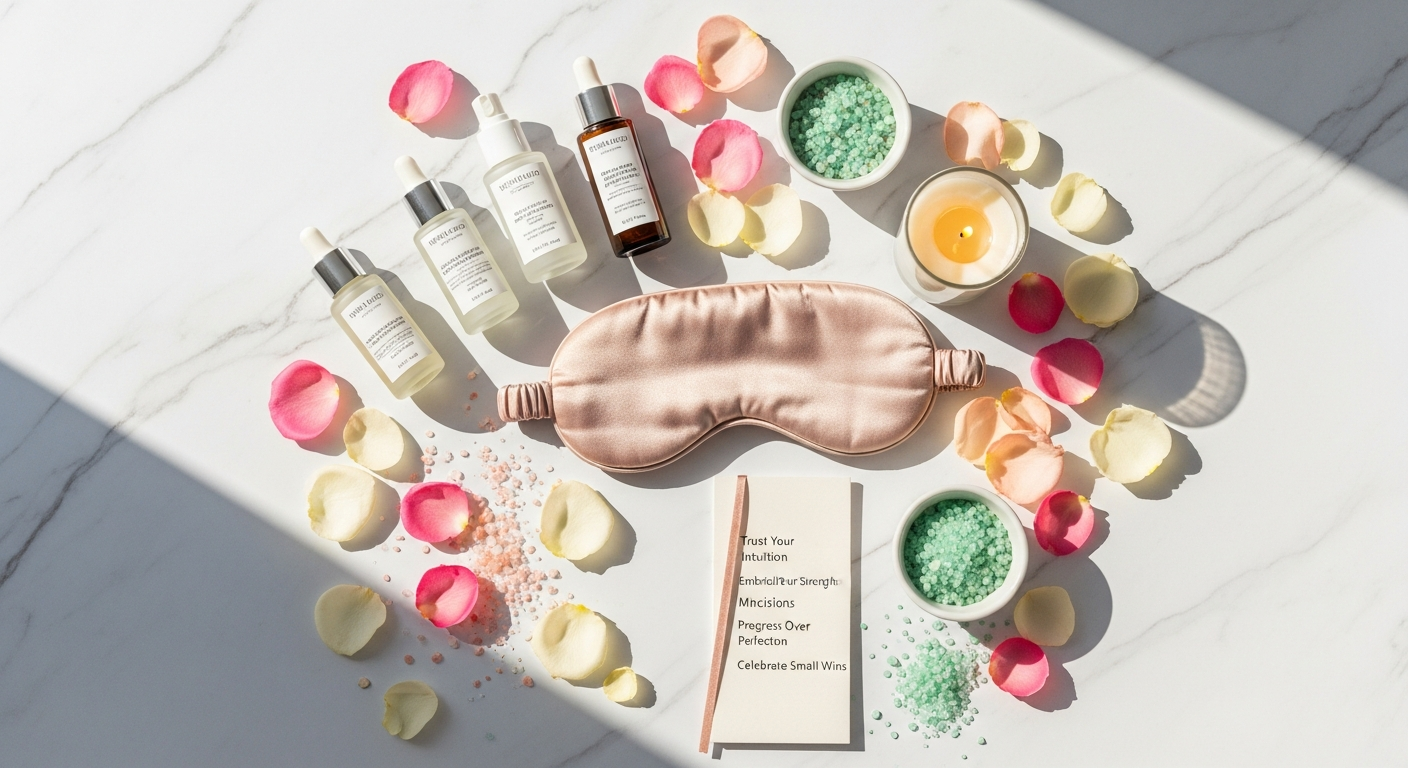
True confidence begins with a deep understanding of yourself. Without self-awareness, it’s like trying to navigate a dense fog – you’re moving, but without a clear direction or understanding of your surroundings. Cultivating self-awareness means taking the time to truly observe your thoughts, emotions, strengths, weaknesses, values, and reactions without judgment. It’s about becoming an astute observer of your own inner landscape, allowing you to identify the specific moments and situations where second-guessing takes hold.
One powerful way to enhance self-awareness is through journaling. Dedicate a few minutes each day to write down your thoughts, feelings, and experiences. When did you feel confident today? When did self-doubt creep in? What triggered it? What were the physical sensations associated with that doubt? Over time, you’ll begin to notice patterns. Perhaps you second-guess yourself most when you’re under pressure at work, or when you’re about to try something new. Recognizing these triggers is the first step towards developing coping mechanisms and proactive strategies.
Mindfulness practices, such as meditation or simply paying attention to your breath, are also invaluable tools for increasing self-awareness. By intentionally bringing your focus to the present moment, you can observe your thoughts as they arise and pass, rather than getting entangled in them. This practice helps create a healthy distance from your inner critic, allowing you to recognize that a thought is just a thought, not necessarily a truth. Through mindfulness, you learn to respond to your internal experiences rather than react impulsively, giving you a greater sense of control and fostering a calmer, more centered state of being.
Another aspect of self-awareness involves identifying your core values. What truly matters to you? What principles guide your decisions and actions? When your choices align with your values, you experience a sense of integrity and authenticity that naturally boosts confidence. Conversely, making decisions that contradict your values can lead to internal conflict and self-doubt. Taking the time to reflect on and articulate your personal values provides a strong foundation for making choices that feel right and authentic to you, diminishing the need to second-guess yourself based on external opinions or expectations.
Practical Strategies for Building Unshakeable Confidence
The Power of Affirmations and Visualization
Your mind is incredibly powerful, and the words you speak to yourself, whether out loud or in thought, have a profound impact on your self-perception. Affirmations are positive statements that, when repeated regularly, can help challenge negative thought patterns and instill new, empowering beliefs. Instead of thinking, “I’m going to mess this up,” try “I am capable and prepared to handle this challenge.” Choose affirmations that resonate with you and address your specific areas of self-doubt. Repeat them daily, ideally in front of a mirror, to reinforce their message.
Visualization works hand-in-hand with affirmations. Close your eyes and vividly imagine yourself successfully achieving your goals, handling challenging situations with grace, and exuding confidence. See yourself speaking eloquently, making decisive choices, and feeling completely at ease. Engage all your senses in this mental rehearsal: what do you hear, see, feel? The brain often struggles to differentiate between a vividly imagined experience and a real one. By repeatedly visualizing success, you’re essentially training your brain to expect and create that outcome, reducing anxiety and the tendency to second-guess when the real situation arises.
Setting Achievable Goals and Celebrating Small Wins
Confidence often grows from a sense of accomplishment. When you consistently set goals that are within reach and then successfully achieve them, you build a powerful portfolio of evidence that you are capable and effective. Start small. Instead of aiming to overhaul your entire life, pick one area where you want to build confidence and set a tiny, actionable goal. For example, if you struggle with public speaking, your first goal might be to contribute one insightful comment in a team meeting. Once you achieve that, celebrate it! Acknowledge your progress, no matter how small it seems. This positive reinforcement tells your brain, “I did it! I can do it again.”
This process of setting and achieving small goals creates a positive feedback loop. Each small win contributes to a growing sense of competence and self-efficacy, gradually eroding the foundation of self-doubt. It teaches you to trust your judgment and your ability to follow through, which is fundamental to stopping the cycle of second-guessing. Remember, confidence isn’t about never failing; it’s about having the belief that you can handle challenges and learn from experiences, even if they don’t go exactly as planned.
Embracing New Challenges and Stepping Out of Your Comfort Zone
Growth happens at the edge of your comfort zone. While it’s tempting to stick to what you know, true confidence blossoms when you intentionally push your boundaries. This doesn’t mean taking reckless risks; it means thoughtfully choosing to engage in activities or situations that feel slightly uncomfortable but offer opportunities for learning and expansion. Perhaps it’s learning a new skill, trying a new hobby, speaking up more in group settings, or initiating a conversation with someone new.
Each time you successfully navigate a new challenge, even if imperfectly, you send a powerful message to yourself: “I am resilient. I can adapt. I can learn.” These experiences accumulate, creating a robust internal narrative of capability. The fear of failure and the tendency to second-guess often stem from an overreliance on predictability and a reluctance to face the unknown. By intentionally exposing yourself to new experiences, you build a tolerance for uncertainty and develop the mental fortitude to trust yourself, even when you’re not entirely sure of the outcome. This process naturally diminishes the urge to second-guess, as you develop a deeper trust in your ability to handle whatever comes your way.
Mastering Your Inner Critic
The inner critic is perhaps the most insidious enemy of confidence, constantly whispering doubts and criticisms. Mastering this voice isn’t about silencing it completely, which is often an impossible task, but rather about changing your relationship with it. Start by recognizing when your inner critic is active. What does it say? What tone does it use? Is it familiar? Often, this voice uses language you might have heard from others in the past.
Once you identify it, challenge its assertions. Ask yourself: “Is this thought truly factual? Is it helpful? What evidence do I have to support or refute this thought?” Often, you’ll find that your inner critic’s statements are exaggerated, biased, or simply untrue. Practice reframing negative thoughts into more balanced or positive ones. For example, if your critic says, “You’re going to fail,” reframe it as, “I might face challenges, but I have the skills to navigate them, and I will learn regardless of the outcome.”
Another powerful technique is to externalize your inner critic. Give it a name, or imagine it as a separate entity. This creates distance, allowing you to observe its pronouncements without automatically believing them. You wouldn’t let a mean stranger dictate your life, so why let an internal one? Over time, by consistently challenging and reframing, you’ll diminish its power, allowing your confident, authentic voice to emerge more strongly.
The Role of Self-Care in Fortifying Your Confidence
It might seem counterintuitive to link self-care directly to building confidence, but the truth is, they are inextricably linked. When you prioritize your well-being, you send a powerful message to yourself: “I am worthy of care, attention, and respect.” This fundamental belief is the bedrock of self-assurance, making it easier to build confidence and stop second-guessing yourself. A depleted individual, running on fumes, is far more susceptible to self-doubt and anxiety than someone who feels refreshed, energized, and centered.
A comprehensive self-care routine isn’t just about pampering; it’s about actively managing your physical, mental, and emotional health. Consider your sleep patterns. Chronic sleep deprivation impairs cognitive function, increases irritability, and makes emotional regulation more challenging. When you’re tired, your ability to think clearly and make decisive choices diminishes, naturally leading to more second-guessing. Prioritizing 7-9 hours of quality sleep each night is a foundational act of self-care that directly supports mental clarity and confidence.
Nutrition also plays a crucial role. A diet rich in whole foods, fruits, vegetables, and lean proteins provides the sustained energy your brain needs to function optimally. Conversely, relying on highly processed foods and excessive sugar can lead to energy crashes and mood swings, making you more vulnerable to negative thought patterns. Hydration is another simple yet profound element. Even mild dehydration can impact concentration and mood. Fueling your body properly is a non-negotiable aspect of feeling strong and capable, which in turn fosters confidence.
Physical activity is another cornerstone. Regular exercise, whether it’s a brisk walk, yoga, dancing, or strength training, releases endorphins that boost mood and reduce stress. It also provides a sense of accomplishment and demonstrates to yourself that you are capable of disciplined effort. The physical strength and vitality you gain translate into mental resilience and a greater sense of self-efficacy, making it easier to tackle challenges and trust your instincts. If you’re looking for more guidance on establishing these habits, you might find valuable insights in resources like “How To Create Self Care Routine,” which delves deeper into crafting a personalized approach to well-being.
Beyond the physical, emotional and mental self-care are equally vital. This includes setting healthy boundaries, learning to say no without guilt, engaging in hobbies that bring you joy, spending time in nature, and nurturing supportive relationships. It also involves practices like mindfulness and meditation, which help you manage stress and cultivate a calm inner state. When you regularly engage in these acts of self-care, you build a reservoir of inner strength and resilience. You develop a deeper appreciation for your own needs and worth, which naturally translates into a more confident demeanor and a reduced tendency to question your judgments or decisions. Investing in your self-care isn’t selfish; it’s a strategic investment in your confidence and overall well-being.
Navigating External Pressures and Boosting Confidence in Professional Settings
Professional environments are often hotbeds for external pressures that can easily trigger self-doubt and intensify the habit of second-guessing. From demanding deadlines and competitive colleagues to critical feedback and the constant need to prove your worth, the workplace can feel like an unending test of confidence. However, by strategically addressing these pressures and refining your approach, you can significantly boost your self-assurance and perform at your best.
One of the primary challenges in the workplace is the fear of failure or making mistakes. This fear often paralyzes individuals, leading to overthinking, procrastination, and an inability to make decisive choices. To counteract this, adopt a growth mindset. Understand that mistakes are not indicators of your overall competence but rather opportunities for learning and improvement. When you view challenges as chances to grow, you reduce the emotional stakes and become more willing to take calculated risks, which is a hallmark of confident leadership. Instead of dwelling on potential errors, focus on the process of problem-solving and the valuable insights gained from every experience.
Effective communication is another powerful tool for confidence in professional settings. Often, second-guessing stems from a lack of clarity or an assumption about what others are thinking. Practice assertive communication: express your ideas clearly, state your needs respectfully, and ask clarifying questions when you’re unsure. This reduces misunderstandings and eliminates much of the guesswork that fuels self-doubt. When you communicate confidently, you project competence, and others are more likely to trust your judgment, which in turn reinforces your own self-belief.
Dealing with constructive criticism or negative feedback is also critical. Instead of internalizing it as a personal attack, try to view it objectively. Ask for specific examples, seek to understand the underlying intention, and identify actionable steps for improvement. Remember that feedback is about your work, not your inherent worth. Confident individuals can receive feedback without letting it derail their self-esteem, using it instead as a compass for growth. If you find workplace anxiety particularly challenging, resources like “How To Cope With Anxiety At Work” can provide targeted strategies for managing stress and maintaining composure under pressure, which directly contributes to a more confident professional presence.
Finally, celebrate your achievements, no matter how small, within your professional sphere. Keep a running list of your contributions, successes, and positive feedback. Regularly reviewing this “accomplishment portfolio” serves as tangible evidence of your capabilities and value. When faced with a new challenge or a moment of doubt, you can refer back to this list to remind yourself of your strengths and past successes. This practice helps to counteract the natural human tendency to focus on negatives and reinforces a positive self-perception, empowering you to navigate professional demands with greater confidence and less second-guessing.
Living Authentically: Confidence Through Values and Intentional Choices
At its core, stopping second-guessing and truly building confidence isn’t just about external behaviors; it’s deeply rooted in living authentically – aligning your actions, words, and choices with your deepest values and beliefs. When there’s a mismatch between who you truly are and how you present yourself to the world, it creates internal friction, a quiet but persistent source of self-doubt. Living authentically means shedding the need to conform to others’ expectations and embracing your unique self, imperfections and all.
Begin by clearly defining your values. What principles are non-negotiable for you? Is it integrity, compassion, creativity, financial independence, environmental responsibility, or something else entirely? Once you’ve identified your core values, examine how well your daily decisions and long-term goals align with them. If you value environmental responsibility, but consistently make choices that contradict it, you might feel a subtle sense of unease or hypocrisy, which erodes confidence. Conversely, when your choices are in harmony with your values, you experience a profound sense of integrity and inner peace, bolstering your self-esteem and reducing the need to second-guess yourself.
This commitment to authentic living extends to all areas of your life, including your consumption habits. For example, if one of your core values is sustainability or ethical practices, then your choices in areas like fashion become an expression of that value. Understanding “What Is Slow Fashion Why It Matters” isn’t just about trends; it’s about making conscious decisions that reflect a deeper commitment to the planet and human well-being. Choosing quality over quantity, investing in ethically produced garments, or supporting brands with transparent supply chains are acts that align external behavior with internal values. Such intentional choices, even in seemingly small areas, reinforce your sense of integrity and self-worth, making you feel more grounded and confident in who you are and what you stand for.
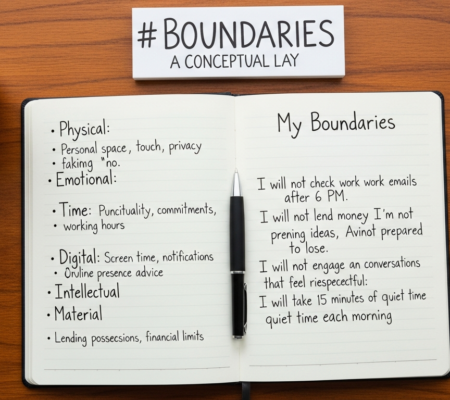
Authenticity also means expressing your true opinions and setting healthy boundaries. It requires courage to say “no” when you mean “no,” to voice a differing perspective, or to prioritize your own needs without guilt. This can be challenging, especially if you’re accustomed to people-pleasing. However, each time you honor your boundaries and speak your truth respectfully, you strengthen your inner conviction and reduce the likelihood of internal resentment or regret, which are common precursors to second-guessing. You learn to trust your own judgment about what feels right for you, rather than constantly seeking external validation.
Embrace your unique strengths and talents, rather than trying to emulate others. Celebrate what makes you different. Comparing yourself to others is a confidence killer; it diverts your energy from your own journey and fosters feelings of inadequacy. Instead, focus on cultivating your own garden, nurturing your distinct gifts. When you live authentically, you project a genuine confidence that is magnetic and resilient, because it comes from a place of deep self-acceptance rather than external approval. This unshakeable inner knowing is the ultimate antidote to second-guessing, empowering you to navigate life with conviction and grace.
Sustaining Your Confidence Journey in 2026 and Beyond
Building confidence and successfully stopping the habit of second-guessing is not a destination but an ongoing journey. The strategies we’ve discussed are powerful tools, but like any skill, they require consistent practice and adaptation. As you move through 2026 and into the future, life will inevitably present new challenges, new opportunities for growth, and new moments where self-doubt might try to creep back in. The key to sustaining your newfound confidence lies in developing a resilient mindset and committing to continuous self-maintenance.
Firstly, cultivate a practice of regular self-reflection. Periodically check in with yourself. How are you feeling? Are there specific situations that still trigger self-doubt? What progress have you made? Journaling, as mentioned earlier, remains an invaluable tool for this. This isn’t about harsh self-criticism, but rather a compassionate assessment of where you are and where you want to go. This reflective practice allows you to identify areas where you might need to re-engage with certain strategies or explore new approaches to maintain your confidence momentum.
Secondly, embrace a learning mindset. Understand that you don’t need to have all the answers. Confidence isn’t about infallibility; it’s about the belief in your ability to learn, adapt, and grow, even when faced with the unknown. Approach new experiences with curiosity rather than fear. See challenges as puzzles to solve, rather than insurmountable obstacles. This perspective shift is crucial for preventing second-guessing, as it reframes uncertainty as an exciting opportunity for development rather than a threat to your competence.
Thirdly, surround yourself with a supportive community. Seek out friends, mentors, or colleagues who uplift you, believe in your potential, and offer constructive encouragement. Minimize exposure to individuals or environments that consistently drain your energy or undermine your self-worth. Your social circle has a profound impact on your self-perception. A strong support system can provide perspective, celebrate your wins, and offer reassurance when you need it most, helping to counteract any lingering self-doubt.
Finally, be patient and kind to yourself. There will be days when you feel incredibly confident, and days when you might slip back into old patterns of doubt. This is a normal part of the human experience. The goal isn’t perfection, but consistent progress. When you catch yourself second-guessing, acknowledge it without judgment, remind yourself of the strategies you’ve learned, and gently guide yourself back to a place of self-trust. Celebrate every small victory, every moment you choose confidence over doubt. By committing to these ongoing practices, you will not only build but also sustain a deep, authentic confidence that empowers you to thrive in 2026 and for many years to come, living a life rich in purpose and free from the shackles of perpetual self-doubt.
Frequently Asked Questions
Recommended Resources
For more on how to build, see Celebrity Bracelet Stack Ideas on Celebrity Exchange.
Check out How To Make Your Home Feel Cozy And Welcoming on The Contextual Life for a deeper dive.