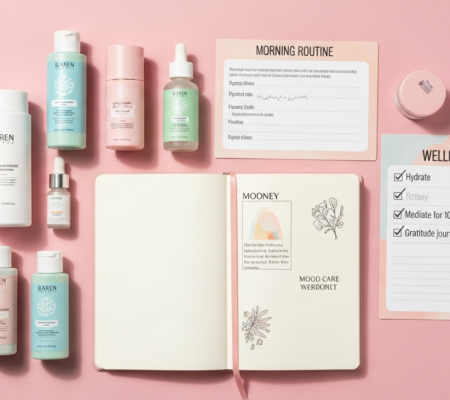


The Transformative Power of a Morning Routine: Why It Matters to Your Day and Life
Imagine starting your day not in a frantic rush, but with a sense of calm control, clarity, and energized purpose. This isn’t a pipe dream; it’s the direct result of a well-structured morning routine. The benefits extend far beyond simply getting things done; they permeate every aspect of your physical, mental, and emotional health. When you intentionally design your mornings, you are actively choosing to be proactive rather than reactive, setting a positive tone that resonates throughout your entire day.
One of the most significant advantages is the reduction of stress and anxiety. Waking up without a plan often leads to a chaotic scramble, fueling cortisol levels and leaving you feeling frazzled before you even open your inbox. A routine, however, provides a predictable sequence of events, creating a sense of psychological safety and reducing decision fatigue. You know what comes next, allowing your mind to relax and focus on the present moment.
Moreover, a consistent morning routine dramatically enhances focus and concentration. By dedicating time to mindful activities like meditation, journaling, or even simply enjoying a quiet cup of tea, you prime your brain for sustained attention. This mental clarity translates directly into increased productivity, allowing you to tackle complex tasks with greater ease and efficiency. You’re not just doing more; you’re doing it better, with higher quality and less wasted effort.
Beyond the immediate benefits, a morning routine is a powerful tool for cultivating discipline and self-efficacy. Each morning you commit to your routine, you are reinforcing your ability to set intentions and follow through. This builds confidence and resilience, empowering you to face challenges head-on and believe in your capacity to achieve your goals. It’s a daily affirmation of your commitment to yourself and your well-being, fostering a deep sense of accomplishment even before your workday officially begins.
For many women, especially those over 30 who are often juggling multiple responsibilities, incorporating best wellness habits women over 30 into a morning routine becomes even more critical. This is a prime time to invest in habits that support long-term health, energy, and mental agility. A morning routine provides a dedicated slot for these crucial practices, ensuring they don’t get sidelined by the day’s inevitable demands. It’s not just about productivity for work; it’s about productivity for life – ensuring you have the energy and mental space to thrive in all your roles and passions.
Laying the Groundwork: Evening Prep for a Seamless Morning

The secret to a successful morning often begins the night before. While the focus is on “how to build a morning routine for a productive day,” it’s crucial to acknowledge that the quality of your morning is inextricably linked to the quality of your evening. Strategic evening preparation can eliminate friction, reduce stress, and ensure you wake up ready to embrace your routine rather than dread it.
Prioritizing Rest: The Foundation of Energy
The single most important evening ritual is prioritizing adequate, restorative sleep. No amount of morning motivation can compensate for chronic sleep deprivation. Aim for 7-9 hours of quality sleep per night. To achieve this, establish a consistent bedtime and wake-up time, even on weekends. Create a relaxing wind-down routine that signals to your body it’s time to rest. This might include:
- Digital Detox: Power down screens (phones, tablets, TVs) at least an hour before bed. The blue light emitted by these devices can disrupt melatonin production, making it harder to fall asleep.
- Warm Bath or Shower: A warm soak can relax muscles and signal to your body that it’s time to unwind.
- Reading: Opt for a physical book or e-reader with a warm light setting.
- Gentle Stretching or Yoga: Release physical tension.
- Herbal Tea: Chamomile or lavender tea can promote relaxation.
Ensure your bedroom is a sanctuary: dark, quiet, and cool. Investing in blackout curtains, earplugs, or a white noise machine can make a significant difference in sleep quality.
Pre-Planning for Peak Efficiency
Minimizing morning decisions is key to a smooth start. The fewer choices you have to make upon waking, the less mental energy is expended, preserving it for more important tasks. Consider these evening preparations:
- Outfit Selection: Choose your clothes for the next day, including accessories. Lay them out so they’re ready to go. This simple act eliminates the “what to wear” dilemma.
- Meal Prep or Setup: If you plan to make breakfast at home, get out the necessary ingredients or even pre-chop fruits and vegetables. If you pack a lunch, do it the night before. This saves precious minutes and reduces the likelihood of skipping a healthy meal.
- Bag Packing: Pack your work bag, gym bag, or any other essentials. Ensure keys, wallet, phone, and any necessary documents are ready by the door.
- Tidy Your Space: Spend 5-10 minutes tidying your main living areas. Waking up to a clean, organized environment can significantly reduce stress and contribute to a sense of calm. “A cluttered space often leads to a cluttered mind,” as the saying goes.
- Review Your Day: Take a few moments to review your schedule for the next day. Identify your top 1-3 priorities. This mental preparation allows you to wake up with a clear focus and a plan of action.
By intentionally setting the stage the night before, you create a runway for a morning that feels effortless, organized, and truly productive. This proactive approach ensures that your energy is conserved for engaging in your self-care rituals and tackling your most important tasks, rather than being drained by minor logistical hurdles.
Deconstructing Your Ideal Morning: A Step-by-Step Guide to Productivity
Step 1: Gentle Awakening – Ditching the Jolt
How you wake up sets the tone for your entire day. Instead of being jolted awake by a blaring alarm, aim for a more gradual, peaceful transition from sleep to wakefulness.
- Avoid the Snooze Button: While tempting, hitting snooze can lead to sleep inertia, making you feel groggier. Set your alarm for your actual wake-up time and commit to getting up.
- Natural Light: If possible, open your curtains or blinds immediately upon waking to let in natural light. Light signals to your brain to stop producing melatonin and kickstarts your circadian rhythm. Consider a sunrise alarm clock that gradually brightens your room.
- Hydrate Immediately: Keep a glass of water by your bedside and drink it as soon as you wake up. This rehydrates your body after hours of sleep and kickstarts your metabolism. Adding a squeeze of lemon can offer an extra boost.
- Resist the Phone: Avoid checking your phone for the first 15-30 minutes. The influx of notifications, emails, and social media can immediately trigger stress and pull you into a reactive state before you’ve even had a chance to connect with yourself.
The goal here is to create a soft landing into your day, rather than a jarring start. This gentle approach helps regulate your nervous system and preserves mental clarity.
Step 2: Hydration & Nutrition – Fueling Your Body and Mind
Your body has been fasting all night, and it needs proper fuel to function optimally. This step is crucial for sustained energy and cognitive function.
- Water, Water, Water: Beyond the bedside glass, continue to hydrate. Consider a warm lemon water or a herbal tea to gently awaken your digestive system.
- Balanced Breakfast: Prioritize a breakfast that combines protein, healthy fats, and complex carbohydrates. Examples include:
- Oatmeal with berries, nuts, and a scoop of protein powder.
- Scrambled eggs with avocado toast and a side of spinach.
- Greek yogurt with fruit and granola.
Avoid sugary cereals or pastries that lead to energy crashes. A nutritious breakfast provides the steady glucose supply your brain needs for focus and prevents mid-morning slumps.
Think of your breakfast as the foundation of your energy for the day. Skipping it or opting for unhealthy choices can derail your productivity before you’re even halfway through your morning.
Step 3: Mindful Movement – Energizing Your Body
Incorporating some form of movement into your morning routine can significantly boost energy, improve mood, and enhance physical well-being. It doesn’t have to be an intense workout; even 10-15 minutes can make a profound difference.
- Stretching or Yoga: Gentle stretches or a short yoga flow can release tension, improve flexibility, and increase blood circulation. There are numerous free guided routines available online for all levels.
- Light Cardio: A brisk walk outdoors, a few minutes on a stationary bike, or even dancing to your favorite music can elevate your heart rate and release endorphins.
- Strength Training: For those looking to build muscle and bone density, a short bodyweight routine (squats, lunges, push-ups) can be incredibly effective.
For women over 30, integrating best wellness habits women over 30 often includes prioritizing movement that supports joint health, muscle maintenance, and hormonal balance. Morning movement is an excellent way to consistently incorporate these habits, setting a precedent for physical activity throughout the day. It helps to wake up your muscles, improves circulation, and clears mental cobwebs, preparing your body for the day’s demands.
Step 4: Cultivating Calm & Clarity – Nourishing Your Mind
This is where the self-care aspect truly shines, allowing you to set intentions and cultivate a positive mindset before external pressures take over. This step directly addresses how to create self care routine that is sustainable and impactful.
- Meditation or Mindfulness: Even 5-10 minutes of silent meditation, guided meditation, or deep breathing exercises can significantly reduce stress, improve focus, and promote emotional regulation. Focus on your breath or use an app like Calm or Headspace.
- Journaling: Use this time for reflection. You can free-write, practice gratitude (list 3 things you’re grateful for), set intentions for the day, or process any thoughts or feelings. Journaling provides an outlet for mental clutter and helps clarify your priorities.
- Affirmations: Speak positive affirmations aloud or write them down. “I am capable,” “I am strong,” “I am productive.” This practice helps to reprogram negative thought patterns and build self-confidence.
- Reading: Devote 10-15 minutes to reading something uplifting, educational, or inspiring. This could be a non-fiction book, an article, or a spiritual text, rather than news or social media.
This mindful segment of your morning routine is your dedicated time for introspection and mental preparation. It’s about grounding yourself and consciously choosing your state of mind, rather than letting external circumstances dictate it.
Step 5: Personal Care & Beauty Rituals – The Art of Getting Ready
This stage is more than just getting presentable; it’s a ritual of self-nurturing and confidence-building. Taking the time to care for yourself can be a powerful act of self-love.
- Skincare Routine: This is a non-negotiable for many. A consistent routine not only benefits your skin but also provides a moment of focused, sensory self-care. For those with best skincare routine acne prone skin, consistency is paramount.
- Cleanse: Start with a gentle cleanser to remove impurities without stripping natural oils.
- Treat: Apply targeted treatments like serums (e.g., Vitamin C for brightening, hyaluronic acid for hydration, salicylic acid for acne).
- Moisturize: Hydrate your skin to maintain its barrier function.
- SPF: Always finish with a broad-spectrum sunscreen, even on cloudy days, to protect against UV damage.
For acne-prone skin, stick to non-comedogenic products, avoid harsh scrubbing, and be consistent with active ingredients recommended by a dermatologist. The ritual itself provides a grounding moment.
- Hair Care & Makeup: Whether you opt for a full face of makeup or a simple five-minute routine, the act of preparing yourself can be empowering. It’s about feeling confident and ready to face the day, whatever that looks like for you.
- Dressing with Intention: Put on the outfit you prepared the night before. Choose clothes that make you feel good and confident, rather than just what’s convenient.
This segment is about honoring your physical self and preparing your outward presentation in a way that aligns with your inner sense of well-being. It’s a quiet moment to care for the vessel that carries you through your day.
Step 6: Planning Your Day with Intention – Charting Your Course
Before diving into work or other commitments, take a few minutes to review your priorities and solidify your plan. This ensures you start your productive day with clear direction.
- Review Top Priorities: Look at the 1-3 most important tasks you identified the night before. Ensure they are still relevant and decide when you will tackle them.
- Schedule Blocks: If possible, block out time in your calendar for your priority tasks. This protects your focus and ensures critical work gets done.
- Minimize Distractions: Consider setting your phone to “do not disturb” for your first work block, or closing unnecessary tabs on your computer.
- Visualize Success: Take a moment to visualize yourself successfully completing your tasks and achieving your goals for the day. This positive mental rehearsal can significantly impact your performance.
This final step bridges your personal morning routine with your professional or daily responsibilities, ensuring a smooth and focused transition into your productive hours. It’s about being strategic and intentional with your time and energy.
Integrating Self-Care and Holistic Wellness into Every Dawn

For the modern woman, the concept of a morning routine is increasingly synonymous with holistic wellness and dedicated self-care. It’s not merely about maximizing output, but about optimizing input – nurturing your mind, body, and spirit to sustain energy, creativity, and resilience throughout the day. Integrating these elements deeply into your morning routine transforms it from a series of tasks into a sacred ritual.
True self-care, as we often discuss on Sometimes Daily, extends beyond bubble baths and face masks, though those are wonderful too. In the morning, it manifests as intentional choices that support your overall well-being. When we talk about how to create self care routine that truly sticks, the morning is your golden hour. It’s the time when external demands are typically at their lowest, allowing you to focus inward without interruption.
Mindful Eating as Self-Care
Beyond simply consuming calories, approach your breakfast as an act of self-nourishment. Pay attention to the flavors, textures, and the sensation of fullness. Eating mindfully can reduce stress, improve digestion, and foster a deeper connection with your body’s needs. This is a subtle yet powerful form of self-care, anchoring you in the present moment and valuing your body’s signals.
Movement as Embodied Wellness
Your morning movement isn’t just exercise; it’s an opportunity to connect with your physical self. Whether it’s yoga, stretching, or a brisk walk, focus on how your body feels, the rhythm of your breath, and the sensations of awakening. For women over 30, integrating best wellness habits women over 30 often includes practices that support hormonal balance, bone density, and joint health. A morning routine can consistently incorporate these, acting as a preventative measure and a source of vitality. This embodied approach to movement transforms it into a therapeutic practice rather than just a chore.
Emotional and Mental Nurturing
The quiet hours of the morning are ideal for practices that nurture your inner world. Journaling provides a safe space to process emotions, set intentions, and practice gratitude, leading to greater emotional intelligence and resilience. Meditation, even for a few minutes, trains your mind to be less reactive and more present, reducing anxiety and enhancing cognitive clarity. These practices are not just add-ons; they are core components of a comprehensive self-care strategy that allows you to show up as your best self.
The Ritual of Personal Grooming
Even seemingly mundane tasks like your best skincare routine acne prone skin can be imbued with self-care. The act of cleansing, treating, and moisturizing your skin becomes a mindful ritual, a moment of focused attention on nurturing your physical self. For those dealing with specific skin concerns, this consistent care is not only beneficial for the skin but also for the psychological boost of taking proactive steps towards self-improvement. It’s about finding joy and presence in these daily acts, transforming them into moments of quiet indulgence rather than rushed necessities.
By intentionally weaving these holistic elements into your morning, you create a powerful buffer against the day’s stressors. You’re not just preparing for productivity; you’re preparing for peace, presence, and sustained well-being. This integrated approach ensures that your morning routine serves as a consistent reminder of your commitment to yourself, empowering you to navigate the world with greater grace and strength.
Tailoring Your Routine: Personalization for Optimal Impact
While the principles of building a morning routine for a productive day are universal, the execution must be deeply personal. What works for one woman might not work for another, and that’s perfectly okay. The magic lies in tailoring your routine to fit your unique lifestyle, energy levels, and current season of life. Rigidity is the enemy of sustainability; flexibility and self-compassion are your allies.
Acknowledge Your Lifestyle and Responsibilities
Are you a single professional, a busy mom, an entrepreneur, or someone working unconventional hours? Your morning routine must adapt to your real-world circumstances.
- For Busy Moms: Your routine might need to start before your children wake up, even if it’s just 30 minutes. Focus on quick, high-impact activities like meditation, a quick stretch, and a nourishing breakfast. Sometimes, “me time” might mean involving your kids in a gentle morning activity like a walk or shared quiet reading.
- For Early Birds vs. Night Owls: If you’re naturally a morning person, you might thrive on a longer, more elaborate routine. If you’re a night owl, forcing yourself to wake up at 5 AM for an hour-long routine might lead to burnout. Start with a shorter, more realistic timeframe (e.g., 15-30 minutes) and gradually expand as your body adjusts. Respect your natural chronotype.
- For Shift Workers: Your “morning” might not align with sunrise. The key is consistency in your schedule. If you work nights, your “morning routine” might be the block of time before you start your evening shift, or after you wake up from your daytime sleep. The principles remain the same: gentle awakening, hydration, movement, mindfulness, and preparation.
Listen to Your Body and Intuition
Your body is constantly sending signals. Pay attention to them. Some days you might wake up feeling energized and ready for a vigorous workout; other days, a gentle stretch and quiet meditation might be all you can manage. Your routine should be a tool to support you, not another source of pressure.
- Energy Levels: If you’re feeling sluggish, prioritize rest and gentle activities. If you’re buzzing, channel that energy into more active pursuits.
- Seasonal Changes: Your needs might shift with the seasons. In winter, you might crave more warmth, comfort, and indoor activities. In summer, you might be drawn to outdoor movement and lighter meals.
- Life Stages: The best wellness habits women over 30 might look different for women in their 40s or 50s. Your skincare needs might change, your energy levels might fluctuate, and your priorities might evolve. Your routine should evolve with you.
Start Small and Build Gradually
Don’t try to implement a two-hour routine overnight. That’s a recipe for failure. Instead, choose one or two elements that resonate most with you and commit to them for a week. Once those feel natural, gradually add another element. For example, start with:
- A glass of water + 5 minutes of meditation.
- Once that’s consistent, add 10 minutes of gentle stretching.
- Then, incorporate a nourishing breakfast.
This gradual approach builds momentum and makes the habit formation feel less daunting. Remember, consistency over intensity is the goal. A short, consistent routine is far more effective than an ambitious one that you abandon after a few days.
Iterate and Adjust
Your ideal morning routine isn’t set in stone. It’s a living, breathing practice that will require adjustments over time. Regularly review what’s working and what isn’t. If a particular activity feels like a chore, re-evaluate it. Perhaps you need to shorten it, change the type of activity, or move it to a different time of day. The goal is to create a routine that feels supportive, energizing, and sustainable for you, today and in 2026.
By embracing personalization, you transform your morning routine from a rigid set of rules into a flexible, empowering framework that truly supports your well-being and productivity.
Troubleshooting and Sustaining Your Morning Momentum for 2026 and Beyond
Even the most well-intentioned morning routines face challenges. Life happens: sleepless nights, unexpected events, travel, or simply a dip in motivation. The key to long-term success isn’t about never missing a day; it’s about having strategies to navigate setbacks and consistently return to your practice. Sustaining your morning momentum requires patience, self-compassion, and a willingness to adapt.
Dealing with Setbacks and Imperfect Days
It’s inevitable that you will miss a day, or your routine will be cut short. When this happens, avoid the all-or-nothing trap. One missed day doesn’t erase all your progress. Instead:
- Practice Self-Compassion: Don’t beat yourself up. Acknowledge that life is unpredictable and tomorrow is a new opportunity.
- Get Back on Track Immediately: If you miss a morning, don’t let it derail your entire week. Simply recommit to your routine the very next day.
- Have a “Mini-Routine”: On days when time is extremely limited, have a non-negotiable “mini-routine” you can still accomplish. This might be just 5 minutes of mindful breathing and a glass of water. It maintains the habit even when the full routine isn’t possible.
Adjusting Your Routine for Different Seasons of Life
Your life isn’t static, and neither should your morning routine be. What worked perfectly when you were single might not work with a newborn, or during a demanding career transition. Be open to evolving your routine.
- Major Life Changes: Be prepared to significantly scale back or temporarily pause aspects of your routine during periods of high stress, illness, or major life events (e.g., moving, new baby). Reintroduce elements gradually when stability returns.
- Energy Fluctuations: Women’s bodies experience natural energy shifts (e.g., menstrual cycle, perimenopause). On lower-energy days, prioritize restorative activities like gentle stretching and meditation over intense workouts. Listen to your body and adjust accordingly. This is part of the best wellness habits women over 30 – understanding and adapting to your body’s unique rhythms.
Strategies for Long-Term Consistency
Making your morning routine a deeply ingrained habit that carries you through 2026 and beyond requires intentional effort and clever strategies:
- Identify Your “Why”: Constantly remind yourself of the core benefits. Why are you doing this? Is it for clarity, reduced stress, better focus, or improved health? Connecting to your purpose fuels motivation.
- Stack Habits: Link your new morning habits to existing ones. For example, “After I turn off my alarm, I immediately drink water.” Or “After my morning coffee, I journal.” This creates natural triggers.
- Reward Yourself (Non-Food): Acknowledge your consistency. This could be a new book, a special tea, or simply the feeling of accomplishment.
- Track Your Progress: Use a simple habit tracker (a planner, an app, or even a whiteboard) to visually see your consistency. Seeing those checkmarks can be incredibly motivating.
- Find an Accountability Partner: Share your routine goals with a friend, family member, or colleague. Simply knowing someone else is aware of your commitment can provide an extra push.
- Review and Refine Regularly: Schedule a monthly or quarterly check-in with your routine. Ask yourself:
- What aspects are working well?
- What feels like a chore or is consistently skipped?
- Are there any new activities I’d like to try?
- Does my routine still align with my current goals and lifestyle?
This iterative process ensures your routine remains relevant and effective.
- Create an Inspiring Environment: Make your morning space inviting. Have your yoga mat ready, your journal and pen easily accessible, and your favorite mug clean. A pleasant environment reduces friction.
Building a morning routine for a productive day is a journey, not a destination. It’s about cultivating a relationship with yourself, listening to your needs, and consistently showing up. By embracing flexibility, practicing self-compassion, and employing smart strategies, you can create a powerful morning ritual that supports your productivity, peace, and well-being for many years to come.
Frequently Asked Questions
Recommended Resources
Related reading: How To Get Clear Skin Naturally Tips (Fashion Goggled).
Check out How To Practice Mindful Parenting on Veralyn Media for a deeper dive.