
Why Embrace a Minimalist Wardrobe You Actually Wear? The Benefits Beyond the Hanger
The allure of a minimalist wardrobe extends far beyond simply having fewer clothes. It’s a holistic approach that impacts your daily routine, your mental state, and even your footprint on the planet. For many, the journey begins with a desire to simplify, but the benefits quickly reveal themselves to be profound and far-reaching.
First and foremost, consider the gift of time and mental energy. Imagine a morning where choosing an outfit doesn’t feel like a high-stakes decision, adding to your already busy schedule or contributing to feelings akin to anxiety at work. With a minimalist wardrobe, every item is a ‘yes’ – it fits, it flatters, and it aligns with your personal style. This eliminates decision fatigue, freeing up valuable cognitive resources for more important tasks and genuine moments of self-reflection. It’s a subtle but powerful way to infuse your day with ease, starting from the moment you step out of bed.
Beyond the immediate relief, a well-curated wardrobe can be a powerful extension of a robust self-care routine. When you feel good in what you wear, your confidence naturally blossoms. This isn’t about chasing fleeting trends, but about understanding what truly makes you feel comfortable, empowered, and authentically you. Investing in pieces that bring you joy and comfort is a form of self-respect, a daily affirmation that you deserve to feel good. Furthermore, the act of decluttering and organizing your wardrobe itself can be incredibly therapeutic. It provides a sense of control and accomplishment, translating into a calmer, more ordered internal landscape.
Then there’s the significant impact on your finances. While the initial investment in quality, foundational pieces might seem higher, a minimalist wardrobe ultimately saves you money in the long run. Fewer impulse purchases, a reduced need to replace ill-fitting or poorly made items, and a deliberate approach to shopping mean less money wasted on clothes that languish in your closet. You become a more conscious consumer, valuing longevity and versatility over fleeting trends.
Perhaps one of the most compelling reasons to embrace this philosophy in 2026 is its profound connection to sustainability. Our planet faces unprecedented challenges, and the fashion industry is a major contributor to waste and pollution. A minimalist wardrobe, by its very nature, champions conscious consumption. It encourages you to ask: What is slow fashion why it matters? Slow fashion prioritizes quality, ethical production, and timeless design, moving away from the “wear it once, toss it” mentality of fast fashion. By choosing fewer, better-made items, and caring for them well, you actively reduce your environmental footprint, support ethical labor practices, and contribute to a more sustainable future. This alignment of personal values with daily choices brings a deeper sense of purpose and integrity to your wardrobe.
In essence, creating a minimalist wardrobe you actually wear is not about deprivation; it’s about liberation. It’s about cultivating a collection of clothes that serves you, supports your well-being, and reflects your highest self, allowing you to focus on what truly matters in life.
The Foundation: Understanding Your Personal Style & Lifestyle Needs
Before a single hanger is emptied or a new item considered, the most crucial step in creating a minimalist wardrobe you actually wear is deep self-reflection. This isn’t about what magazines tell you to wear, but about genuinely understanding who you are, how you live, and what makes you feel fantastic. Without this foundational understanding, even the most streamlined closet will feel inauthentic and unworn.
Start by honestly assessing your current lifestyle. What does a typical week look like for you? Are you primarily in a corporate office, requiring polished professional attire? Do you work from home, making comfort and versatility paramount? Are you a busy parent, a creative entrepreneur, a fitness enthusiast, or a combination of many roles? Your wardrobe should be a practical reflection of your daily reality, not an aspirational fantasy. Consider the different facets of your life: work, casual outings, social events, hobbies, and relaxation. Assign a rough percentage to each category. If 80% of your time is spent in casual clothes, then 80% of your wardrobe should reflect that.
Next, delve into your personal aesthetic. This is where the magic happens. Think beyond trends and ask yourself: What colors do I naturally gravitate towards? What silhouettes flatter my body shape and make me feel confident? What fabrics do I find most comfortable and enjoyable to wear? You might discover you’re drawn to earthy tones and natural fibers, or perhaps vibrant jewel tones and structured pieces. Pay attention to the clothes you already love and wear repeatedly. What do they have in common? This gives you invaluable clues about your core preferences.
Consider creating a mood board, either physically with magazine clippings or digitally using platforms like Pinterest. Don’t just pin outfits; pin textures, colors, art, and even home interiors that resonate with your overall aesthetic. Look for recurring themes, patterns, and feelings. This exercise helps you visualize your ideal style identity beyond individual garments. You might uncover a preference for timeless classics, a bohemian spirit, a modern minimalist vibe, or an edgy aesthetic.
Another often-overlooked aspect is your local climate. Living in a perpetually warm climate will necessitate a very different wardrobe than one with four distinct seasons. Be realistic about the weather you experience most of the year and build your core wardrobe around those conditions, allowing for a few seasonal adjustments. Similarly, consider your personal color palette. Do you know if you lean warm or cool? Understanding this can make a huge difference in selecting colors that truly illuminate your complexion and make you glow.
Finally, think about the feeling you want your clothes to evoke. Do you want to feel powerful, comfortable, creative, approachable, or elegant? Your wardrobe is a tool for self-expression, and when every piece aligns with how you want to feel, you’re not just getting dressed; you’re stepping into your authentic self. This deep dive into self-understanding is the bedrock upon which a truly wearable and beloved minimalist wardrobe is built, ensuring that every piece you eventually own serves a purpose and brings you joy.
The Purge: Decluttering Your Current Wardrobe with Intention
Step 1: Empty Everything Out. Yes, everything. Take every single item of clothing, every accessory, every shoe, and every piece of jewelry out of your closet, drawers, and any other storage spaces. Pile it all onto your bed or a clear floor space. Seeing the sheer volume can be eye-opening and provides a fresh perspective, preventing you from simply moving items around without truly evaluating them.
Step 2: Create Intentional Piles. As you pick up each item, ask yourself a series of critical questions. It’s helpful to have several designated piles or bags:
- Keep: These are the items you absolutely love, wear regularly, that fit well, flatter your body, align with your defined personal style, and are in good condition. These are your “yes” items.
- Donate/Sell: Items that are in good condition but no longer fit your style, lifestyle, or body. Perhaps you once loved them, but they don’t spark joy anymore, or they no longer serve a purpose in your life. This is where the wisdom of “What is slow fashion why it matters” comes into play – by donating or selling, you’re giving these items a second life, extending their utility and reducing waste.
- Repair/Alter: Items you love but need a button sewn, a hem adjusted, or a minor fix. Set these aside in a dedicated bag with a plan to address them promptly. If you don’t commit to repairing them within a set timeframe (e.g., 2-4 weeks), they likely belong in the donate pile.
- Discard: Items that are stained, torn, excessively worn, or beyond repair. Be honest here; if it’s truly unwearable, it’s time for it to go. Look for textile recycling options in your area rather than simply tossing them in the trash.
Step 3: The Critical Questions for Each Item:
- Does it fit me well RIGHT NOW? Not “when I lose 5 pounds” or “if I get it tailored.”
- Have I worn it in the last year (or relevant season)? If not, why? Is it uncomfortable, ill-fitting, or simply not “me” anymore?
- Does it make me feel confident and good when I wear it? This is where the “spark joy” concept comes in.
- Does it align with my defined personal style and lifestyle needs?
- Is it in good condition?
- Do I have something very similar that I prefer?
Step 4: Handling Sentimental Items. This can be the trickiest category. A minimalist wardrobe doesn’t mean you must be devoid of sentimental value. For items with strong emotional attachments that you don’t wear, consider these options:
- Memory Box: Create a dedicated box for cherished items like a wedding dress, baby clothes, or concert tees. These are not part of your active wardrobe.
- Repurpose: Can a beloved t-shirt be turned into a cushion cover or a quilt square?
- Display: If it’s truly a work of art, can it be framed or displayed in a way that’s not taking up valuable closet space?
Be firm but kind to yourself during this process. It can be emotionally draining, so take breaks if you need to. Enlist a trusted friend if you find yourself getting stuck. The goal is to clear out the clutter, leaving only the clothes that genuinely serve you, bring you joy, and align with the intentional life you are building in 2026. This intentional decluttering is not just about clothes; it’s about making space for a clearer mind and a more focused approach to your daily life, reducing the potential for anxiety at work or at home by simplifying your environment.
Building Blocks: Curating Your Core Pieces for a Functional Capsule
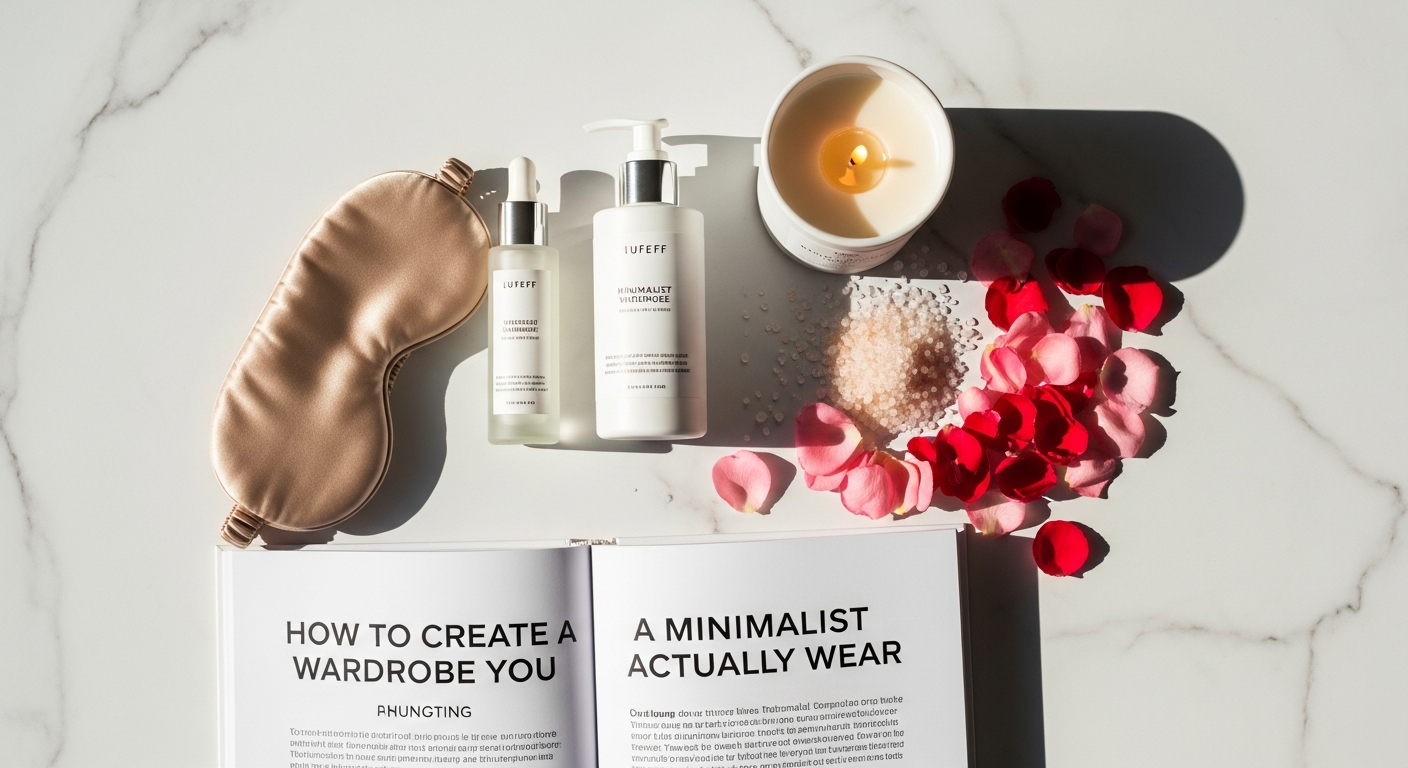
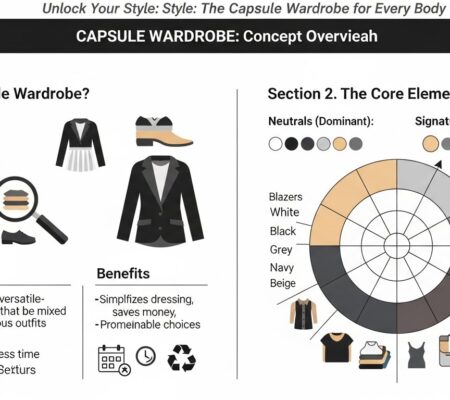
Once you’ve decluttered with intention, you’re left with the true gems – the pieces you genuinely love and wear. Now, the art of curation begins, transforming these individual items into a cohesive, functional capsule wardrobe. This is where you strategically build a versatile collection that minimizes decision fatigue and maximizes outfit potential, making your daily dressing a breeze.
The essence of a capsule wardrobe lies in its ability to mix and match seamlessly. Think of it as a carefully selected collection of clothing items that can be interchanged to create a multitude of different outfits. The key is versatility, quality, and alignment with your personal style and lifestyle needs.
1. Start with a Neutral Base: The foundation of any successful capsule wardrobe is a strong base of neutrals. Think black, white, cream, navy, grey, and camel. These colors are incredibly versatile and can be easily paired with each other, as well as with pops of color. They serve as the canvas upon which you build your outfits. Aim for 60-70% of your wardrobe to be in neutral tones.
2. Introduce Your Accent Colors: Once your neutral base is established, strategically weave in 2-3 accent colors that complement your personal color palette and bring you joy. These colors can be introduced through tops, sweaters, scarves, or accessories. Ensure these accent colors also work well with your chosen neutrals and, ideally, with each other.
3. Prioritize Quality Over Quantity: This is a cornerstone of minimalist and slow fashion principles. Instead of buying ten cheap, trendy items that will quickly wear out, invest in two or three high-quality pieces that are well-made, durable, and timeless. Quality fabrics (like merino wool, cashmere, linen, organic cotton, Tencel) and good construction mean your clothes will last longer, look better, and feel more comfortable. This approach aligns perfectly with asking yourself, “What is slow fashion why it matters?” It’s about conscious consumption and valuing longevity.
4. Focus on Versatility and Multi-Wear Potential: Every item you bring into your core wardrobe should ideally be able to be styled in at least three different ways or for three different occasions. For example, a classic white button-down shirt can be worn for work, casually with jeans, or open over a dress. A black blazer can elevate a casual outfit, complete a professional look, or be thrown over a dress for an evening out.
5. Identify Your Essential Categories: While the exact number of items will vary for everyone, a typical capsule wardrobe includes:
- Tops: A mix of basic tees (long and short sleeve), a few versatile blouses, and a couple of sweaters or cardigans.
- Bottoms: Essential pairs of well-fitting jeans (dark wash, light wash), tailored trousers, a versatile skirt, and perhaps a pair of comfortable leggings or shorts depending on your lifestyle.
- Layering Pieces: A classic blazer, a denim jacket, a trench coat, or a timeless cardigan. These are crucial for adapting outfits to different temperatures and occasions.
- Dresses/Jumpsuits: 1-3 versatile dresses or a jumpsuit that can be dressed up or down with accessories. Think a classic little black dress or a comfortable midi dress.
- Outerwear: A practical coat for colder weather and a lighter jacket for transitional seasons.
- Shoes: A few pairs that cover your main needs: comfortable everyday flats or sneakers, versatile boots, and a pair of dressier heels or sandals.
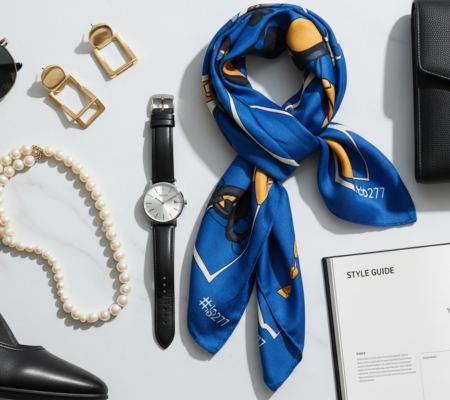
- Accessories: Scarves, belts, and jewelry are powerful tools to transform outfits without adding bulk to your clothing collection.
When curating these blocks, envision complete outfits. Can you easily create 10-15 different looks from the items you’ve selected? This exercise helps ensure that your wardrobe is truly functional and ready to be worn. Building this intentional core collection is a powerful step towards simplifying your life, reducing daily stress, and embracing a more mindful approach to personal style in 2026, making it a key component of your larger self-care routine.
Smart Shopping: Adding Pieces Mindfully & Sustainably
Once your core minimalist wardrobe is established, the temptation to revert to old shopping habits can be strong. However, maintaining and subtly evolving your capsule requires a fundamentally different approach to shopping – one that is thoughtful, intentional, and deeply aligned with the principles of sustainability and slow fashion. This isn’t about never buying clothes again; it’s about buying better, buying less, and buying with purpose.
1. Create a Specific Shopping List: Before you even think about browsing, make a detailed list of what you genuinely need. This list should be based on gaps identified in your existing capsule. Do you need a specific type of layering piece? Are your existing jeans nearing the end of their life? Is there a particular item that would unlock many new outfit combinations? Stick to this list religiously. This prevents impulse purchases and ensures every new item serves a clear purpose.
2. Embrace the “One In, One Out” Rule: For every new item you bring into your wardrobe, consider letting go of an existing one, especially if the new item is a replacement. This simple rule helps prevent your wardrobe from gradually expanding beyond its minimalist boundaries and forces you to continually evaluate the utility and joy each piece brings. It keeps your collection streamlined and intentional.
3. Prioritize Quality and Durability: As emphasized in the concept of “What is slow fashion why it matters,” invest in high-quality materials and construction. Research brands that are known for durability and ethical practices. While the upfront cost might be higher, the “cost per wear” of a well-made garment that lasts for years will be significantly lower than a fast-fashion item that falls apart after a few washes. Look for natural fibers like organic cotton, linen, hemp, Tencel, and responsibly sourced wool or cashmere. These materials often last longer, breathe better, and age more gracefully.
4. Research Ethical and Sustainable Brands: This is where mindful shopping truly shines. Make an effort to learn about the brands you buy from. Do they have transparent supply chains? Do they pay fair wages and ensure safe working conditions? Are they using eco-friendly materials and production methods? Websites and apps dedicated to ethical fashion can be invaluable resources. Choosing to support these brands is a powerful way to vote with your wallet and align your consumption with your values, contributing positively to the well-being of both people and the planet.
5. Explore Secondhand Options: Shopping secondhand is one of the most sustainable ways to acquire new pieces. Thrift stores, consignment shops, vintage boutiques, and online marketplaces (like ThredUp, Poshmark, Depop) are treasure troves for unique, high-quality items that have already passed the initial production phase. Not only does this reduce waste, but it can also be incredibly cost-effective and allow you to find distinct pieces that stand out from mass-produced fashion. It’s an excellent way to add character and individuality to your minimalist wardrobe without contributing to new production.
6. Avoid Impulse Buys and Sales Traps: Sales can be tempting, but they are often designed to encourage overconsumption. Before buying something on sale, ask yourself: Would I buy this at full price? Is it on my list? Does it genuinely fit into my existing wardrobe and personal style? If the answer isn’t a resounding yes, walk away. Give yourself a 24-hour rule for any non-essential purchase to allow for thoughtful consideration.
7. Consider Renting for Special Occasions: For formal events or one-off occasions that require a specific type of outfit you won’t wear frequently, consider renting. Services like Rent the Runway or local rental boutiques offer a sustainable and cost-effective alternative to buying an item that will likely languish in your closet after one wear. This smart strategy further solidifies your commitment to a truly minimalist and functional wardrobe into 2026 and beyond.
By adopting these smart shopping strategies, you transform shopping from a mindless consumption habit into a conscious act of curation. Every addition to your wardrobe becomes a considered investment, contributing to a collection that truly serves you, reduces stress, and aligns with a more sustainable and intentional way of living.
Maintenance & Evolution: Keeping Your Minimalist Wardrobe Fresh in 2026
Creating a minimalist wardrobe is not a one-time event; it’s an ongoing practice of mindful curation and care. Just like a beautiful garden, a well-functioning minimalist wardrobe requires regular attention, adaptation, and appreciation to truly thrive. In 2026, as our lives continue to evolve, so too should our closets, ensuring they remain relevant, inspiring, and truly worn.
1. Regular Reviews and Seasonal Swaps: Schedule dedicated times to review your wardrobe, ideally at the change of seasons (e.g., spring/summer and fall/winter). This doesn’t need to be as drastic as the initial purge. During these reviews, ask yourself:
- What did I wear constantly this past season? Why?
- What didn’t I wear at all? Why? (If an item consistently goes unworn, it might be time to let it go.)
- Are there any items that are showing significant wear and need to be repaired or replaced?
- Do I need to store away seasonal-specific items (heavy coats, swimsuits) to keep my daily selection focused?
These regular check-ins keep your wardrobe fresh, prevent accumulation, and allow you to adapt to new needs without feeling overwhelmed. It’s a proactive step in managing your environment, which contributes to reducing anxiety at work or at home.
2. Proper Care Extends Longevity: The cornerstone of a sustainable, minimalist wardrobe is garment care. Learning how to properly wash, dry, and store your clothes significantly extends their lifespan. Read care labels carefully. Invest in good quality hangers that support the shape of your garments. Learn basic mending skills – sewing on a button, fixing a small tear – or find a reliable local tailor. Spot cleaning instead of full washes, air drying delicate items, and folding knitwear to prevent stretching are small habits that make a huge difference. This diligent care is a direct embodiment of “What is slow fashion why it matters,” valuing the resources and craftsmanship that went into creating each piece.
3. Adapting to Life Changes: Life is dynamic, and your wardrobe should be too. A new job, a significant life event (like pregnancy or becoming a parent), a change in climate, or even evolving personal tastes can all necessitate adjustments to your capsule. Be open to these shifts. A minimalist wardrobe isn’t rigid; it’s adaptable. If your needs change, allow yourself to thoughtfully add or subtract pieces to ensure your wardrobe continues to serve your current reality. This flexibility is key to its long-term success and your continued satisfaction.
4. Refreshing with Accessories: One of the most powerful ways to keep a minimalist wardrobe feeling fresh without adding more clothing is through accessories. Scarves, belts, jewelry, handbags, and shoes can dramatically alter the look and feel of an outfit. A simple base of jeans and a white tee can be transformed from casual to chic with a statement necklace, a structured bag, and a pair of elegant flats. Accessories allow for creative expression and trend incorporation without compromising your core capsule. They are versatile, often smaller investments that offer significant style mileage.
5. Document Your Outfits: If you find yourself in an outfit rut, try taking photos of outfits you love and feel great in. Create a digital lookbook on your phone. This provides a quick reference for inspiration on busy mornings and helps you identify successful combinations, maximizing the wearability of your existing pieces. It’s a simple trick that can dramatically increase your confidence and reduce decision fatigue, making getting dressed a more enjoyable part of your self-care routine.
Maintaining a minimalist wardrobe is an ongoing journey of mindful consumption, appreciative care, and self-awareness. It’s about cultivating a collection that continually supports your lifestyle and values, ensuring that every piece you own is truly loved, truly worn, and truly representative of you in 2026 and beyond.
Frequently Asked Questions
Recommended Resources
Related reading: Easy Charcuterie Board Ideas (Rock Salt Plum).
Learn more about this topic in Emerald Cut Vs Oval Engagement Ring at Celebrity Exchange.