
Understanding Personal Style: More Than Just Clothes
At its core, personal style is an external manifestation of your inner self. It’s the art of dressing in a way that reflects your personality, values, lifestyle, and aspirations. It’s not about adhering to strict fashion rules or mimicking what everyone else is wearing; it’s about understanding what makes you feel authentically you. When you step out the door in an outfit that perfectly encapsulates your personal style, you carry an undeniable aura of confidence and ease.
Think of your personal style as your visual autobiography. Every choice you make, from the colors you wear to the silhouettes you favor, tells a story. It communicates your mood, your professional aspirations, your creative spirit, or your relaxed approach to life. This non-verbal communication is incredibly powerful. When your style is authentic, it builds self-assurance and reduces the internal conflict often associated with trying to fit into a mold that isn’t truly yours. This feeling of alignment is a crucial component of overall well-being. Just as learning How To Create Self Care Routine involves listening to your body’s needs and nurturing your mental health, cultivating a personal style that makes you feel good is a vital part of holistic self-care. It’s about honoring your individuality and presenting yourself to the world in a way that feels empowering and true.
Moreover, personal style is a dynamic entity. It evolves as you grow, change, and experience new stages of life. What felt right in your twenties might not resonate in your thirties or forties, and that’s perfectly natural. The journey of finding your personal style is ongoing, a continuous conversation between your evolving self and your external presentation. It’s about understanding that your wardrobe is a tool for self-expression, a means to enhance your daily life, and a way to celebrate your unique identity. By investing time and thought into this process, you’re not just buying clothes; you’re investing in your confidence, your comfort, and your authentic self.
The Inner Journey: Self-Reflection and Inspiration
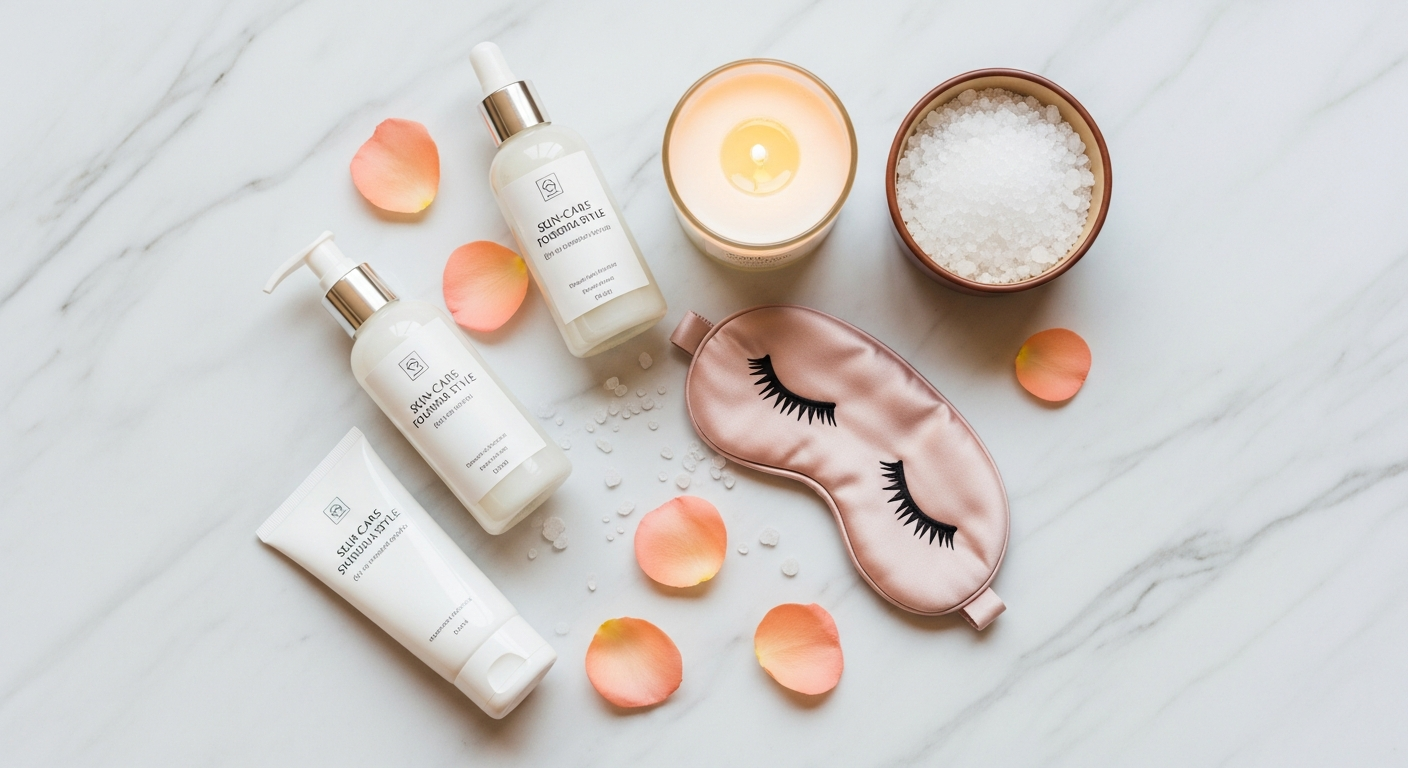
Before you can even begin to think about fabrics and silhouettes, the most crucial step in finding your personal style is to look inward. This journey starts with deep self-reflection, understanding who you are, what you value, and how you want to present yourself to the world. It’s a process of introspection that helps lay the foundation for a truly authentic style.
Introspection: Who Are You?
Grab a journal and dedicate some time to answering these fundamental questions:
- What are your core values? Do you prioritize comfort, creativity, professionalism, sustainability, or individuality? Your values often subconsciously guide your choices, including what you wear.
- What is your lifestyle like? Are you a busy professional, a stay-at-home parent, an artist, an adventurer, or a blend of many roles? Your daily activities dictate the practicality and functionality your wardrobe needs to offer. For instance, someone who works from home will have different needs than someone in a corporate office.
- How do you want to feel in your clothes? Powerful, relaxed, elegant, edgy, comfortable, approachable, playful? Envision the emotions you want your outfits to evoke, both for yourself and for others.
- What messages do you want to send? Do you want to appear authoritative, artistic, friendly, or sophisticated? Your style is a form of non-verbal communication, and being clear about your message is key.
- What are your passions and hobbies? Your interests often influence your aesthetic. A love for nature might translate into earthy tones and natural fabrics, while a passion for art might inspire bold colors and unique patterns.
This introspection helps you define the essence of your style, moving beyond superficial trends to what truly resonates with your being. It’s about understanding your authentic self, which is the bedrock of genuine personal style.
Inspiration Gathering: Curating Your Vision
Once you have a clearer picture of your inner self, it’s time to gather external inspiration. This isn’t about copying others, but about identifying elements that speak to you and understanding why they do. Think of yourself as a curator, collecting pieces that will eventually form your unique aesthetic mosaic.
- Create a Digital Mood Board: Platforms like Pinterest are invaluable for this. Start pinning anything that catches your eye: outfits, textures, colors, art, architecture, interior design, nature scenes, or even abstract concepts. Don’t limit yourself to just clothes. The goal is to identify recurring themes, moods, and aesthetics.
- Observe Your Surroundings: Pay attention to people whose style you admire, whether they’re celebrities, friends, or even strangers on the street. Instead of just thinking “I like that outfit,” analyze what specifically you like about it. Is it the color combination, the silhouette, the way it’s accessorized, or the overall vibe?
- Explore Fashion Media: Browse fashion magazines, blogs, and social media, but with a critical eye. Use them as sources of ideas, not as rigid rules. Notice what trends you’re drawn to and which ones you instinctively reject.
- Look Beyond Fashion: Inspiration can come from anywhere. A vibrant painting, a minimalist interior, a vintage photograph, or a character in a film can all spark ideas for your personal aesthetic.
- Identify Your Style Icons: These aren’t necessarily people you want to emulate entirely, but individuals whose style aligns with aspects of your desired look. What qualities do they exude through their clothing? How do they mix and match?
As you gather inspiration, look for common threads. Do you gravitate towards certain colors, shapes, textures, or a particular overall mood (e.g., bohemian, minimalist, classic, edgy)? These recurring elements are clues to your emerging personal style. Remember, the goal is not to replicate but to synthesize these inspirations into something uniquely yours. This phase is about dreaming and discovering, allowing your subconscious preferences to come to the forefront before you even touch a piece of clothing.
Practical Exploration: Experimentation and Wardrobe Audit
The Wardrobe Audit: Declutter and Discover
This step is often daunting but incredibly liberating. Dedicate a significant chunk of time to go through every single item in your closet, drawers, and even under your bed. The goal is to identify what you truly love, what serves your current lifestyle, and what needs to go. For each item, ask yourself:
- Do I love it? Does it make me feel good, confident, and authentic when I wear it?
- Do I wear it regularly? If not, why? Is it uncomfortable, ill-fitting, or does it no longer align with my style or lifestyle?
- Does it fit well? Clothes that fit properly instantly elevate your look, regardless of their price tag.
- Is it in good condition? Does it need mending, cleaning, or is it simply beyond repair?
- Does it align with my emerging personal style? Refer back to your self-reflection and inspiration boards.
Categorize your items into four piles:
- Keep: Items you love, wear often, and that align with your style.
- Mend/Alter: Items you love but need a minor repair or tailoring to fit perfectly.
- Donate/Sell: Items that are in good condition but no longer serve you or fit your style.
- Discard: Items that are damaged beyond repair or simply worn out.
This audit not only declutters your physical space but also clarifies your style preferences. You’ll likely discover patterns in what you keep and what you let go of, providing further insight into your authentic style. It also highlights gaps in your wardrobe, helping you make more intentional purchases in the future.
Experimentation: Play and Discover
Now for the fun part: trying things on and playing dress-up!
- Shop Your Closet: Before buying anything new, challenge yourself to create new outfits from your “keep” pile. Mix and match pieces you wouldn’t normally put together. Try layering different textures or adding an unexpected accessory.
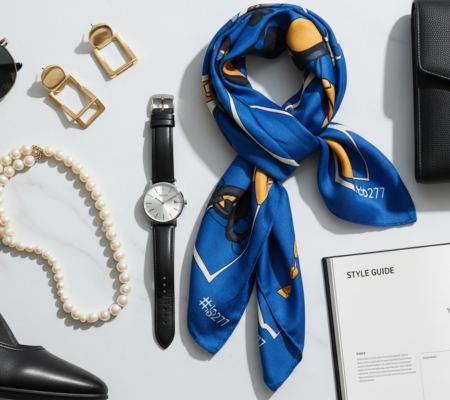
- Accessorize Differently: Accessories can completely transform an outfit. Experiment with scarves, belts, jewelry, hats, and shoes. A simple dress can look entirely different with a statement necklace versus a delicate pendant, or with sneakers versus heels.
- Visit Thrift Stores and Consignment Shops: These are fantastic places to experiment with new styles without a significant financial commitment. You can try out bolder colors, different silhouettes, or vintage pieces to see if they resonate with your evolving taste. It’s also a great way to explore sustainable fashion options, aligning with the principles of What Is Slow Fashion Why It Matters by giving clothes a second life.
- Borrow from Friends: If you have friends with a style you admire, ask if you can borrow an item or two to try out. This low-stakes method allows you to test drive pieces you might be hesitant to buy.
- Document Your Outfits: Take photos of outfits you love (and even ones you don’t!). This visual diary helps you remember successful combinations and learn from less successful ones. Over time, you’ll start to see patterns in what makes you feel good and what truly represents your style.
- Step Outside Your Comfort Zone: Try wearing something slightly different than your usual for a day, even if it’s just at home or for a casual outing. Sometimes the biggest breakthroughs come from pushing your boundaries a little.
Remember, this phase is about exploration and learning. There’s no right or wrong answer. The goal is to gather information about what makes you feel confident, comfortable, and authentically stylish. Embrace the process, have fun with it, and don’t be afraid to make “mistakes” – they are all part of the discovery.
Defining Your Style Elements: Colors, Silhouettes, and Textures
After a period of self-reflection, inspiration gathering, and hands-on experimentation, you’ll start to notice recurring themes and preferences. This is where you begin to define the concrete elements that form the foundation of your personal style. By understanding your preferred colors, silhouettes, textures, and patterns, you can build a cohesive and intentional wardrobe.
Your Signature Color Palette
Colors evoke emotions and can significantly impact how you feel and how others perceive you. While there’s no single “right” color palette for everyone, identifying the colors that make you feel vibrant and confident is key.
- Identify Your Core Neutrals: These are the foundational colors that make up the majority of your wardrobe and easily mix and match. Common neutrals include black, white, cream, navy, grey, camel, and olive green. Which ones do you gravitate towards?
- Discover Your Accent Colors: These are the pops of color that add personality and flair to your outfits. Do you love bold jewel tones like emerald green or ruby red? Or perhaps soft pastels like lavender and sky blue? Maybe earthy tones like terracotta and mustard yellow?
- Consider Your Undertones: While not a strict rule, understanding whether you have warm, cool, or neutral skin undertones can help you identify which colors make your skin glow. Cool undertones often look great in blues, purples, and true reds, while warm undertones shine in oranges, yellows, and olive greens.
- Pay Attention to Mood: What colors make you feel powerful? Calm? Creative? Playful? Let your emotional response guide your choices.
Aim for a palette of 3-5 core neutrals and 2-4 accent colors that you genuinely love and that flatter you. This creates a harmonious wardrobe where pieces easily complement each other.
Silhouettes and Fit: Flattering Your Form
The silhouette refers to the overall shape of your clothing. Understanding what silhouettes flatter your body type and make you feel comfortable is paramount. Fit is equally important; well-fitting clothes instantly elevate your appearance.
- Identify Preferred Shapes: Do you love structured and tailored pieces (blazers, straight-leg trousers)? Or perhaps flowing and relaxed silhouettes (maxi dresses, wide-leg pants)? Maybe you prefer fitted and body-conscious styles, or oversized and comfortable shapes.
- Understand Your Body Type: While not about rigid rules, knowing your general body shape (e.g., hourglass, apple, pear, rectangle, inverted triangle) can help you understand which cuts and styles tend to enhance your figure and which you might prefer to avoid.
- Focus on Fit: Even the most expensive garment will look ill-fitting if it’s too big or too small. Pay attention to the shoulders, waist, bust, and hemline. Don’t shy away from tailoring; it’s an investment that makes a huge difference in how your clothes look and feel.
- Comfort is Key: No matter how stylish a silhouette is, if it’s uncomfortable or restricts your movement, you won’t feel confident wearing it. Your personal style should always prioritize your comfort.
Textures and Fabrics: Sensory Appeal
The feel and drape of fabrics play a significant role in your personal style. Different textures add depth, interest, and a specific mood to an outfit.
- Preferred Textures: Do you gravitate towards soft and luxurious fabrics like cashmere and silk? Or crisp and structured materials like linen and denim? Perhaps cozy knits, edgy leather, or delicate lace?
- Consider the Drape: Some fabrics are fluid and flowy, while others are stiff and hold their shape. Think about how different textures feel against your skin and how they move with you.
- Seasonal Considerations: Your texture preferences might shift with the seasons. Lighter, breathable fabrics for warmer months, and richer, warmer textures for cooler weather.
- Mix and Match: Combining different textures (e.g., a chunky knit sweater with a silk skirt, or a leather jacket over a cotton tee) adds visual interest and sophistication to an outfit.
Patterns and Prints: Adding Personality
Patterns and prints are powerful tools for expressing personality and adding visual flair.
- Identify Your Favorites: Are you drawn to classic stripes, polka dots, and plaids? Or do you prefer bold florals, abstract prints, animal prints, or geometric designs?
- Scale Matters: Consider whether you prefer large, dramatic prints or smaller, more subtle patterns.
- How to Integrate: You might love to wear prints head-to-toe, or you might prefer to use them as an accent in a scarf, handbag, or a single garment paired with solids.
By consciously defining these elements, you create a clear framework for your personal style. This framework acts as a guide for future shopping decisions, helping you build a cohesive wardrobe that truly reflects your unique aesthetic and makes you feel fantastic every time you get dressed.
Building a Cohesive Wardrobe: Intentional Shopping and Sustainability
Once you’ve defined your personal style elements, the next step is to translate that vision into a functional and inspiring wardrobe. This isn’t about buying a whole new closet overnight, but rather about intentional shopping and making choices that align with your values, including sustainability.
Curated Shopping List: Quality Over Quantity
Armed with your defined color palette, preferred silhouettes, textures, and patterns, you can now approach shopping with a strategic mindset. Your wardrobe audit likely revealed gaps or items that don’t align with your style. Create a curated shopping list based on these needs, focusing on versatility and quality.
- Focus on Versatile Pieces: Look for items that can be mixed and matched to create multiple outfits. A classic white button-down, a well-fitting pair of jeans, a versatile blazer, or a simple black dress are examples of foundational pieces that can be dressed up or down.
- Prioritize Quality: Instead of buying many cheap, trendy items, invest in fewer, higher-quality pieces that will last longer. High-quality fabrics and good construction are worth the investment as they stand the test of time and look better even after many washes.
- Shop for Your Lifestyle: Ensure your purchases cater to your actual daily life. If you spend most of your time in casual settings, don’t fill your closet with formal wear. Balance your wardrobe to reflect your reality.
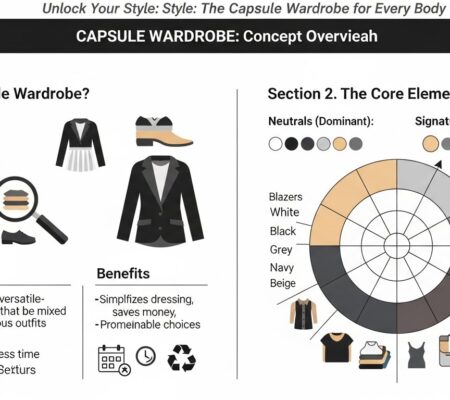
- Consider Your Capsule Wardrobe: Many find success with a capsule wardrobe approach, where a limited number of highly versatile items can be combined to create a multitude of outfits. This encourages thoughtful purchasing and reduces decision fatigue.
Embracing Slow Fashion Principles
Building a personal style in 2026 goes hand-in-hand with making conscious and sustainable choices. This is where the principles of What Is Slow Fashion Why It Matters become incredibly relevant. Slow fashion encourages a more mindful approach to consumption, promoting longevity, ethical production, and environmental responsibility.
- Invest in Durable, Ethical Pieces: Research brands that prioritize fair labor practices, use sustainable materials (like organic cotton, linen, Tencel, recycled fabrics), and focus on creating long-lasting garments.
- Shop Second-Hand: Thrift stores, consignment shops, and online resale platforms (like Poshmark, Depop, ThredUp) are excellent sources for unique, pre-loved items. This reduces textile waste and gives clothes a new life, often at a fraction of the original cost.
- Support Small and Local Businesses: Many independent designers and boutiques offer unique, high-quality pieces and often have transparent production practices.
- Care for Your Clothes: Extend the life of your garments by following care instructions, mending minor damages, and storing them properly. This is a fundamental aspect of sustainable living.
- Question Trends: While it’s fine to incorporate trends that align with your style, avoid fast fashion’s pressure to constantly buy new. Focus on timeless pieces that complement your aesthetic, rather than chasing every fleeting fad.
By integrating slow fashion into your personal style journey, you’re not only building a more authentic and enduring wardrobe but also contributing to a more sustainable and ethical fashion industry. Your personal style becomes a reflection of your values, both aesthetically and ethically.
Budgeting for Style: Smart Spending
You don’t need an unlimited budget to build a stylish wardrobe. Smart spending is about making intentional choices.
- Set a Budget: Decide how much you’re comfortable spending on clothes each month or season.
- Prioritize Investments: Allocate more of your budget to foundational pieces like a good coat, quality shoes, or a versatile handbag, which you’ll use frequently.
- Hunt for Sales and Discounts: Be patient and wait for sales on items you’ve identified on your curated list.
- DIY and Upcycling: Learn basic sewing skills to alter or refresh existing garments. A new button, a hem adjustment, or a creative embellishment can give an old item a new lease on life.
Building a cohesive wardrobe is an ongoing process of thoughtful selection. Each piece you add should enhance your existing collection, align with your defined style elements, and make you feel confident and comfortable. It’s about creating a wardrobe that truly serves you, rather than you serving your wardrobe.
Embracing Evolution: Personal Style as a Journey
Congratulations! You’ve embarked on a fascinating journey to discover and define your personal style. But here’s an important truth: personal style is not a destination; it’s an ever-evolving journey. Just as you grow and change as a person, your style will naturally evolve alongside you. Embracing this dynamism is key to maintaining a wardrobe that always feels fresh, relevant, and authentically yours.
Style is Dynamic, Not Static
Life is full of transitions. You might change careers, move to a new city, enter a new relationship, become a parent, or simply experience shifts in your interests and priorities. Each of these life stages can, and often should, influence your personal style. What felt right in your early twenties might feel out of place in your late thirties, and that’s perfectly normal. Your style should adapt to your current reality, reflecting who you are now, not who you were five or ten years ago.
- Career Shifts: A move from a creative field to a more corporate environment, or vice versa, will necessitate adjustments in your professional wardrobe. Finding your professional style can significantly impact How To Cope With Anxiety At Work, as feeling confident and appropriate in your attire can boost self-assurance in challenging situations and help you project the image you desire.
- Lifestyle Changes: Becoming more active, pursuing new hobbies, or changing your social life will influence the practicality and aesthetic needs of your clothes.
- Personal Growth: As you gain self-awareness and confidence, your style might become bolder, more refined, or more minimalist. It’s a beautiful reflection of your inner journey.
Don’t Be Afraid to Change
One of the biggest pitfalls in personal style is clinging to an outdated version of yourself. Be open to revisiting your style periodically. Perhaps once a year, like in 2026, take some time to reassess your wardrobe, your preferences, and your lifestyle. Ask yourself the same introspective questions you did at the beginning of this journey:
- Does my current wardrobe still align with my values and lifestyle?
- Do I still feel confident and authentic in these clothes?
- Are there new inspirations or trends I’m drawn to that I want to integrate?
- Are there pieces I’ve outgrown, either physically or stylistically?
This regular check-in allows you to gracefully shed what no longer serves you and thoughtfully integrate new elements that reflect your current self. It prevents your wardrobe from becoming stagnant and ensures your style remains a true extension of who you are.
Authenticity is Key
Ultimately, the most important aspect of personal style is authenticity. Your style should make you feel like the best version of yourself, not like you’re trying to be someone else. It’s about self-acceptance and self-love expressed through your clothing choices. When you wear what truly resonates with you, you exude a natural confidence that no trend or designer label can replicate. This confidence is your most powerful accessory, enhancing every outfit and making you shine from within.
Embrace the journey of personal style with curiosity and an open mind. It’s a wonderful opportunity for continuous self-discovery and a testament to your evolving identity as a woman. Let your wardrobe be a celebration of who you are today, and who you are becoming tomorrow.
Frequently Asked Questions
Recommended Resources
For more on how to find, see Best Wellness Habits For Women In Their 20S And 30S on The Contextual Life.
Learn more about this topic in Pearl Jewelry Trend Celebrities Are Wearing at Celebrity Exchange.