

The Unavoidable Truth: Acknowledging the Pain and Grief
When a relationship ends, it’s not just a person you’re losing; it’s a shared future, a routine, a sense of identity, and often, a significant part of your support system. This profound loss triggers a grief response that is as real and valid as any other form of bereavement. Many people make the mistake of trying to rush through this initial phase, believing that ignoring the pain will make it disappear faster. However, true healing begins with honest acknowledgment.
The Spectrum of Grief: Understanding Your Emotions
Grief after a breakup doesn’t follow a linear path. You might experience the classic stages – denial, anger, bargaining, depression, and acceptance – but often in a cyclical, messy fashion. One day you might feel a surge of anger, the next an overwhelming wave of sadness, and the day after, a surprising moment of peace. It’s crucial to understand that all these emotions are valid and part of your unique healing process. Don’t judge yourself for feeling what you feel, or for how long you feel it. Allow yourself the space to experience the full spectrum of your emotional landscape without shame or self-criticism. This might mean crying when you need to, journaling your frustrations, or simply sitting with the discomfort. Suppressing these feelings only prolongs the healing process, creating an emotional backlog that will eventually demand attention.
Giving Yourself Permission to Feel and Process
In a society that often encourages us to “be strong” or “move on quickly,” giving yourself explicit permission to grieve can feel revolutionary. This permission is not an indulgence; it’s a critical step in emotional processing. Schedule dedicated time for grief – moments where you intentionally allow yourself to feel sad, listen to melancholic music, or look at old photos (if you feel ready). Counter-intuitively, allowing yourself to fully immerse in these feelings for a set period can prevent them from ambushing you at inconvenient times. During these grief sessions, remind yourself: “It’s okay to feel this. This pain is temporary, and it’s a sign that I loved deeply. I am strong enough to feel this and move through it.” This practice cultivates self-compassion, a vital ingredient for healing from a breakup and moving forward with resilience.
Reclaiming Your Space: The Power of No-Contact and Boundaries

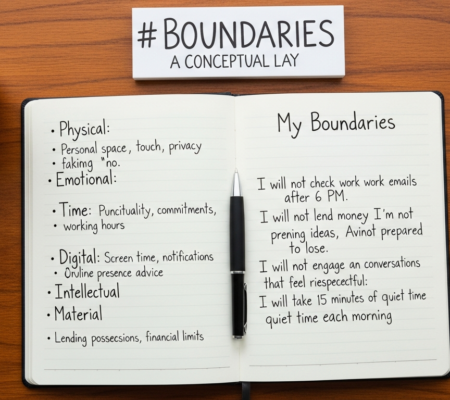
One of the most challenging yet essential steps in getting over a breakup and moving forward is establishing clear boundaries, especially the “no-contact” rule. While it might seem harsh or impossible, particularly if you shared a life, friends, or even pets, this space is fundamental for emotional disentanglement and rediscovering your individual identity.
The Non-Negotiable No-Contact Rule (with Compassionate Exceptions)
The no-contact rule means exactly what it sounds like: no phone calls, no texts, no emails, no social media stalking, and no “chance” encounters. The goal is to create a complete emotional and energetic disconnect from your ex, allowing both of you the necessary space to heal independently. Every interaction, every check-in, every lingering glance at their social media, reopens the wound and reinforces the emotional ties you’re trying to sever. It prevents you from processing the reality of the breakup and moving on. This period should ideally last for a significant time – weeks, months, or even longer – until you feel truly indifferent to their presence or absence.
We acknowledge that for some, particularly those with shared children, businesses, or significant assets, complete no-contact isn’t feasible. In such cases, establish minimal, business-like communication. Keep all interactions strictly related to the practical matters at hand, devoid of emotional content, nostalgia, or attempts to rekindle the past. Set firm boundaries around communication channels (e.g., email only for specific topics) and timing. The less emotional oxygen you give to the past relationship, the more you conserve for your own healing and future.
Establishing Digital and Physical Boundaries
Beyond direct contact, digital boundaries are equally crucial. Unfollow or mute your ex on all social media platforms. Resist the urge to “check in” on their activity. This isn’t about bitterness; it’s about protecting your peace and preventing triggers that can send you spiraling back into sadness or anger. Seeing their new posts, new friends, or new life developments can severely hinder your progress in getting over a breakup. Consider a digital detox for yourself, too – reducing screen time and increasing real-world engagement can be incredibly beneficial for mental health during this period.
Physically, reclaim your personal space. If you lived together, take time to declutter and reorganize your home. Remove items that constantly remind you of your ex, or at least store them away until you’re emotionally stronger. Redecorate, rearrange furniture, or simply clean thoroughly to infuse your space with new energy. Your environment significantly impacts your mood and mindset, and transforming it can be a powerful symbol of your new beginning. This act of reclaiming your physical space is a tangible demonstration of your commitment to moving forward and rebuilding your life on your own terms.
Nurturing Your Inner World: Crafting Your Post-Breakup Self-Care Routine
Designing Your Personalized Self-Care Arsenal
A comprehensive self-care routine should address your physical, emotional, mental, and spiritual needs. It’s about creating a holistic approach to nurturing yourself back to strength. Think of it as your personalized armor and healing balm during this vulnerable time. Start by identifying what truly replenishes you, not just what distracts you. This might involve experimenting with different activities and being honest about what truly makes you feel better.
- Daily Non-Negotiables: Identify 2-3 small, consistent acts of self-care you can commit to daily, even when motivation is low. This could be a 10-minute meditation, a brisk walk, or simply enjoying your morning coffee in silence.
- Weekly Deep Dives: Plan for longer, more immersive self-care activities weekly. This might be a long bath, a creative project, spending time in nature, or a therapy session.
- Listen to Your Body: Pay attention to what your body and mind are telling you. Are you feeling overwhelmed? Seek quiet. Are you feeling isolated? Reach out to a trusted friend.
Physical Wellness: The Foundation of Recovery
Your physical well-being is intrinsically linked to your emotional state. Neglecting it during a breakup can exacerbate feelings of sadness and anxiety. Prioritize:
- Nourishing Nutrition: While comfort food has its place, ensure a balanced diet rich in whole foods, fruits, and vegetables. Good nutrition supports brain health and stabilizes mood. Avoid excessive caffeine, sugar, and alcohol, which can disrupt sleep and worsen anxiety.
- Consistent Movement: Exercise is a potent mood booster. It releases endorphins, reduces stress hormones, and provides a healthy outlet for pent-up emotions. Find an activity you enjoy, whether it’s yoga, dancing, hiking, or hitting the gym. The goal isn’t to punish your body, but to move it with intention and kindness.
- Restorative Sleep: Breakups often disrupt sleep patterns. Establish a calming bedtime routine: dim lights, avoid screens an hour before bed, try a warm bath, or read a book. Prioritize 7-9 hours of quality sleep to allow your body and mind to repair and rejuvenate.
- Hydration: Simple but effective. Drinking enough water supports all bodily functions, including cognitive clarity and energy levels.
Emotional & Mental Nourishment
This category focuses on processing emotions, managing thoughts, and fostering a positive internal environment.
- Journaling: A powerful tool for emotional release and self-reflection. Write freely about your feelings, fears, hopes, and observations without judgment. It helps to externalize thoughts and gain perspective.
- Mindfulness and Meditation: Practices like mindfulness help you stay present, reduce rumination, and observe your thoughts without getting swept away by them. Even 5-10 minutes a day can make a significant difference in managing emotional turbulence.
- Therapy or Counseling: A professional therapist can provide a safe, non-judgmental space to process your breakup, learn coping mechanisms, and navigate complex emotions. It’s an investment in your mental health and a sign of strength, not weakness.
- Setting Boundaries: Beyond your ex, learn to set healthy boundaries with friends, family, or even work commitments if you feel overwhelmed. Protecting your energy is paramount.
Spiritual & Creative Outlets
These aspects of self-care connect you to something larger than yourself and allow for expression.
- Connecting with Nature: Spending time outdoors – a walk in the park, a hike, or simply sitting by a window and observing – can be incredibly grounding and stress-reducing.
- Creative Expression: Engage in activities that allow you to express yourself without judgment. This could be painting, writing poetry, playing music, knitting, or even cooking. Creativity is a potent form of therapy.
- Spiritual Practices: Whatever your spiritual beliefs (or lack thereof), find practices that bring you a sense of peace and meaning. This could be prayer, reading inspiring texts, practicing gratitude, or volunteering.
Remember, building a self-care routine is an ongoing process. Be patient with yourself, adjust as needed, and celebrate every small act of kindness you extend to your own well-being. This intentional nurturing is the bedrock for truly getting over a breakup and moving forward stronger than before.
Navigating the Emotional Rollercoaster: Coping Mechanisms and Mindset Shifts

The journey of healing after a breakup is rarely a smooth ascent; it’s more often a tumultuous ride filled with unexpected twists and turns. One moment you might feel a surge of hope, the next a wave of despair. Learning to effectively navigate this emotional rollercoaster is key to preventing overwhelm and sustaining your progress in getting over a breakup.
Understanding Emotional Volatility and Triggers
Post-breakup, your emotional system is on high alert. Small things can trigger intense reactions: a song, a familiar place, an anniversary, or even a particular smell. It’s crucial to understand that this volatility is normal. Your brain is trying to make sense of a significant change, and your emotions are working overtime. Instead of fighting these intense feelings, acknowledge them without judgment. When a trigger hits, pause, take a deep breath, and remind yourself: “This is a temporary wave of emotion. I am safe. I will get through this.” Identifying your common triggers can also empower you to proactively manage them, perhaps by avoiding certain places or curating your music playlists.
Practical Strategies for Managing Anxiety and Stress
Breakups are significant stressors, and it’s common to experience heightened anxiety, both generally and in specific situations like work. Learning how to cope with anxiety at work becomes especially relevant during this time, as emotional distress can easily spill into your professional life. Here are some strategies:
- Deep Breathing Exercises: When anxiety strikes, whether at home or in the office, practice diaphragmatic breathing. Inhale slowly through your nose, feeling your belly rise, hold for a few seconds, then exhale slowly through your mouth. This activates your parasympathetic nervous system, signaling your body to calm down.
- Grounding Techniques: If you feel overwhelmed, try the “5-4-3-2-1” technique: name 5 things you can see, 4 things you can touch, 3 things you can hear, 2 things you can smell, and 1 thing you can taste. This brings your focus back to the present moment.
- Mindful Pauses: Throughout your day, especially at work, schedule short mindful pauses. Step away from your desk, stretch, look out a window, or simply close your eyes for a minute. These micro-breaks can prevent anxiety from escalating.
- Physical Activity: As mentioned in self-care, exercise is a powerful antidote to anxiety. Even a quick walk during your lunch break can make a difference.
- Healthy Boundaries at Work: Don’t be afraid to communicate (discreetly, if necessary) with a trusted colleague or manager if you’re struggling. You don’t need to overshare, but simply stating you’re going through a challenging personal time can help manage expectations. Prioritize essential tasks and learn to say no to non-critical demands to avoid burnout.
- Limit News and Social Media: During periods of high stress, excessive consumption of news or social media can amplify anxiety. Be mindful of your intake.
Mindset Shifts: Challenging Negative Thought Patterns
Our thoughts shape our reality, and after a breakup, it’s easy to fall into negative thought spirals: “I’ll never find anyone again,” “I wasn’t good enough,” “My life is over.” These thoughts are often distortions, not facts. Challenging them is a crucial part of emotional recovery:
- Identify Cognitive Distortions: Learn to recognize common thinking traps like catastrophizing (assuming the worst), black-and-white thinking (all or nothing), or personalization (blaming yourself for everything).
- Question Your Thoughts: When a negative thought arises, ask yourself: “Is this 100% true? What evidence do I have to support it? What’s an alternative perspective? Would I say this to a friend?”
- Practice Self-Compassion: Treat yourself with the same kindness and understanding you would offer a dear friend. Instead of self-criticism, offer words of encouragement and validation.
- Focus on What You Can Control: You cannot control your ex’s actions or feelings, nor can you change the past. Focus your energy on what is within your sphere of influence: your reactions, your choices, your self-care, and your future actions.
- Cultivate an Abundance Mindset: Instead of focusing on what you’ve lost, shift your perspective to what you can gain. This breakup creates space for new opportunities, new experiences, and a deeper connection with yourself. It’s about recognizing that possibilities are abundant, even if they look different from what you once imagined.
By actively engaging with these coping mechanisms and consciously shifting your mindset, you empower yourself to navigate the emotional storms of a breakup with greater resilience, paving the way for sustainable healing and a brighter future.
Rediscovering Your Identity: Reconnecting with Hobbies, Passions, and Purpose
One of the most profound impacts of a long-term relationship ending is the potential erosion of your individual identity. You may have merged lives, hobbies, and social circles to such an extent that you no longer know who you are without your partner. Getting over a breakup and moving forward isn’t just about healing from the pain; it’s about a powerful journey of self-rediscovery and remembering the magnificent individual you are, independent of any relationship.
Revisiting Lost Passions and Discovering New Ones
A relationship, while wonderful, can sometimes lead to neglecting personal interests. Now is the perfect time to dust off those forgotten hobbies or explore new avenues that pique your curiosity. Did you used to love painting, playing an instrument, or hiking before your relationship? Recommit to them. Was there something you always wanted to try but never had the time or opportunity for? Take a class – pottery, photography, creative writing, a new language, or even coding. Engaging in activities purely for your own enjoyment helps rebuild your sense of self and reminds you of the joy that exists outside of a romantic partnership. These pursuits contribute to your sense of purpose and competence, which are vital for self-esteem.
- Make a “Dream List”: Jot down everything you’ve ever wanted to try, learn, or experience. Don’t censor yourself.
- Start Small: You don’t need to become an expert overnight. Even dedicating an hour a week to a new hobby can be incredibly fulfilling.
- Join a Group: If your passion allows, join a local club or class. This is a fantastic way to meet new people with shared interests, expanding your social circle beyond old mutual friends.
Solo Adventures and Self-Discovery
Embrace the opportunity to do things alone. This isn’t about being lonely; it’s about building confidence in your own company and learning to enjoy your solitude. Go to a movie by yourself, try a new restaurant, visit a museum, take a solo weekend trip, or simply spend an afternoon reading in a park. These solo adventures teach you self-reliance, strengthen your internal compass, and allow you to make choices solely based on your preferences. They are powerful affirmations of your independence and your ability to create joy for yourself. This period of intentional solitude can be incredibly insightful, helping you understand your own desires, boundaries, and strengths without external influence.
- Date Yourself: Plan special outings for yourself, just as you would for a romantic partner. Dress up, go somewhere nice, and treat yourself.
- Reflect and Journal: After a solo experience, take time to reflect on how it made you feel. What did you learn about yourself? What did you enjoy?
The Power of Your Support System
While self-discovery is a solo journey, it doesn’t mean you have to be alone. Lean into your existing support system – your trusted friends, family members, or even a mentor. These are the people who knew you before the relationship, who love you unconditionally, and who can remind you of your inherent worth and unique qualities. Spend quality time with them, share your feelings, laugh, and create new memories. Reconnecting with your support system reinforces your sense of belonging and reminds you that you are cherished, regardless of your relationship status. Don’t be afraid to ask for help or simply for companionship when you need it. They are there to help you navigate how to get over a breakup and move forward.
- Organize “Friend Dates”: Be intentional about scheduling time with friends. Plan activities that bring you joy together.
- Communicate Your Needs: Let your loved ones know what kind of support you need – whether it’s an ear to listen, a distraction, or practical help.
- Expand Your Network: As you engage in new hobbies, be open to forming new friendships. A fresh social circle can offer new perspectives and experiences.
This phase is about intentionally rebuilding your life around what makes you feel alive, fulfilled, and authentically yourself. It’s about remembering that you are a complete, valuable person, with or without a partner, and that your happiness is ultimately your own responsibility and creation.
Building a Brighter Future: Embracing New Beginnings and Healthy Relationships
As the acute pain of the breakup begins to subside, your focus naturally shifts from healing the past to building a future. This stage is about actively moving forward, applying the lessons learned, and intentionally designing a life that brings you joy and fulfillment. It’s about understanding that getting over a breakup isn’t just about forgetting; it’s about growing and evolving.
Extracting Wisdom from the Experience
Every relationship, even one that ends, offers valuable lessons. Once you’re past the initial stages of grief and anger, take time for honest, compassionate reflection. What did you learn about yourself in the relationship? What did you learn about your needs, your boundaries, and your communication style? What patterns did you observe in the relationship dynamics, and what role did you play in them? This isn’t about blaming yourself or your ex, but about gaining insight that will empower you to make healthier choices in the future. Journaling or discussing these insights with a therapist can be incredibly helpful. This wisdom is a precious gift that emerges from the crucible of heartbreak.
- Identify Your “Deal Breakers” and “Must-Haves”: Based on your experience, clearly define what you cannot tolerate in a partner or relationship, and what qualities are absolutely essential for your happiness.
- Reflect on Your Contribution: Take responsibility for your part in the relationship’s challenges, not to self-blame, but to identify areas for personal growth.
- Forgiveness: Work towards forgiving your ex (not for their sake, but for yours) and, crucially, forgiving yourself. Holding onto resentment only harms you.
Embracing Your Independent Journey
Moving forward means wholeheartedly embracing your single life, not as a waiting period, but as a rich and valuable chapter. Cherish your newfound freedom, the ability to make decisions without compromise, and the space to focus entirely on your personal growth. This period of independence is crucial for solidifying your self-identity and building a life you genuinely love. When you are truly content and fulfilled on your own, you become a more attractive and whole partner should you choose to enter another relationship. This isn’t about being anti-relationship; it’s about being pro-you.
- Create a Vision Board: Visually map out your goals and dreams for your independent life – career, travel, hobbies, personal development.
- Celebrate Small Victories: Acknowledge and celebrate every step forward, no matter how small, in your journey of independence.
- Build Your “Single Life” Identity: What does an ideal day look like for you, living authentically as an independent person? Start living it.
Setting Intentions for Future Connections
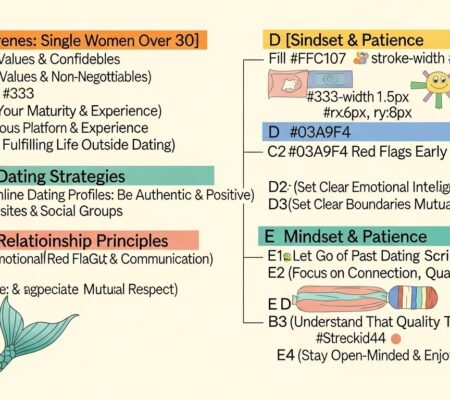
Eventually, you might feel ready to explore new romantic connections. When that time comes, approach dating with intention and self-awareness. You’ve done the work to understand yourself better, so use that knowledge to seek out relationships that align with your values and goals. Don’t rush into anything out of loneliness or a desire to fill a void. Prioritize emotional compatibility, shared values, and mutual respect. Remember, a healthy relationship enhances your already fulfilling life; it doesn’t complete it. By setting clear intentions and being discerning, you increase your chances of finding a connection that truly supports your well-being and growth.
- Don’t Rebound: Resist the urge to jump into another relationship too quickly. Allow yourself ample time to heal and consolidate your identity.
- Communicate Your Needs: Be clear with potential partners about what you are looking for and what your boundaries are.
- Trust Your Intuition: If something feels off, listen to that inner voice. Your intuition is a powerful guide.
- Enjoy the Process: Dating should be an opportunity for fun, connection, and learning, not a desperate search for a partner.
Building a brighter future after a breakup is a testament to your resilience and courage. It’s about taking everything you’ve learned, embracing your independence, and confidently stepping into the next chapter of your life, ready for whatever wonderful opportunities await you in 2026 and beyond.
Sustainable Healing: The Long Game of Emotional Wellness
Getting over a breakup and moving forward isn’t a destination you arrive at, but rather an ongoing journey of growth, self-awareness, and intentional living. True, sustainable healing doesn’t happen overnight; it’s a long game that requires consistent effort, patience, and a commitment to your emotional wellness. Just as we advocate for conscious choices in our physical world, like understanding what is slow fashion and why it matters, we encourage a “slow healing” approach to your emotional life – thoughtful, intentional, and focused on lasting well-being rather than quick fixes.
The Marathon, Not the Sprint
Resist the societal pressure to “bounce back” quickly. Healing from a significant emotional wound takes time, and the timeline is unique to everyone. There will be days when you feel strong and days when grief resurfaces. These fluctuations are normal. Sustainable healing acknowledges this ebb and flow, encouraging you to be patient and compassionate with yourself throughout the process. It’s about building emotional stamina and resilience over the long term, rather than trying to sprint to a finish line that doesn’t exist. Celebrate your progress, no matter how small, and understand that setbacks are opportunities for deeper understanding, not failures.
- Practice Patience: Understand that healing is not linear. There will be good days and bad days.
- Long-Term Self-Care: Integrate your self-care routine into your daily life as a permanent practice, not just a post-breakup coping mechanism.
- Regular Check-ins: Periodically check in with yourself emotionally. Are there lingering issues? Do you need to revisit old wounds with a new perspective?
Mindful Living Beyond the Breakup
The lessons learned during your breakup recovery can serve as a foundation for a more mindful and intentional life going forward. This includes continued self-reflection, boundary setting, and conscious decision-making in all areas of your life – from your relationships and career to your consumption habits and personal growth. Mindful living means paying attention to your inner world and making choices that align with your deepest values, rather than reacting impulsively or seeking external validation. It’s about living authentically and purposefully, ensuring that you’re not just surviving, but truly thriving.
- Cultivate Present Moment Awareness: Continue practicing mindfulness in your daily life to reduce stress and enhance appreciation.
- Evaluate Your Relationships: Regularly assess if your friendships and other connections are truly supportive and reciprocal.
- Conscious Consumption: Extend your mindfulness to how you consume – not just food and media, but also products and experiences.
Investing in Your Long-Term Emotional Wardrobe
Consider your emotional wellness like a high-quality, sustainable wardrobe. Just as slow fashion emphasizes durable, ethically made pieces that stand the test of time and reflect your true style, sustainable emotional healing is about building robust, authentic coping mechanisms and a strong inner foundation that supports you through all of life’s seasons. Fast fashion in emotional terms might be rushing into a rebound, ignoring your feelings, or seeking external fixes. Slow emotional healing, however, is about carefully selecting and cultivating practices – like self-compassion, mindfulness, healthy boundaries, and authentic self-expression – that are resilient, adaptable, and genuinely reflective of who you are. This investment ensures that your emotional well-being isn’t just a fleeting trend but a timeless, enduring asset that empowers you to face any future challenge with grace and strength. By 2026, you will have built an emotional wardrobe that is truly yours, beautiful, resilient, and enduring.
- Prioritize Personal Growth: Continue learning, challenging yourself, and seeking opportunities for self-improvement.
- Build Emotional Resilience: Develop skills to bounce back from adversity, understanding that life will always present challenges.
- Practice Gratitude: Regularly acknowledge the good things in your life, fostering a positive outlook and appreciation for your journey.
The journey of getting over a breakup and moving forward is a profound opportunity for self-transformation. Embrace it with courage, compassion, and a commitment to your long-term emotional wellness. You are building a stronger, wiser, and more authentic you, and that is a truly beautiful and sustainable endeavor.
Recommended Resources
You might also enjoy How To Find Your Skin Undertone For Makeup from The Contextual Life.
You might also enjoy Glass Skin Routine How To Achieve It from Fashion Goggled.