

Understanding Burnout: More Than Just Being Tired
Burnout is often misunderstood, frequently dismissed as merely being “stressed” or “tired.” However, it’s a distinct psychological syndrome characterized by emotional exhaustion, depersonalization (feelings of cynicism or detachment), and a reduced sense of personal accomplishment. It’s a state of chronic stress that, if left unaddressed, can have significant detrimental effects on your physical and mental health. Unlike ordinary fatigue, which can be remedied with a good night’s sleep or a relaxing weekend, burnout persists, deepening its roots with each passing day.
What Exactly is Burnout?
The World Health Organization (WHO) formally recognized burnout in its 11th Revision of the International Classification of Diseases (ICD-11) as an occupational phenomenon. While primarily linked to work, its principles extend to any area of life where chronic stress is unmanaged – be it caregiving, academic pressures, or even the relentless demands of modern social expectations. It’s a systemic depletion, not just of physical reserves, but of emotional and mental capacity. Imagine your internal battery constantly running on fumes, with no opportunity for a full recharge. That’s the essence of burnout.
Recognizing the Telltale Signs: Symptoms You Can’t Ignore
Identifying burnout early is crucial for effective recovery. The symptoms can manifest in various ways, often subtly at first, then escalating in intensity. Pay close attention to these common indicators:
- Emotional Exhaustion: This is the hallmark. You feel drained, unable to cope, and overwhelmed by even minor tasks. Emotional resources feel completely depleted, leading to feelings of sadness, anxiety, and irritability.
- Cynicism and Detachment (Depersonalization): You might start to feel disconnected from your work, your relationships, or even yourself. A sense of apathy or negativity can creep in, making you feel indifferent to things you once cared deeply about. This can manifest as a lack of empathy or a general cynical outlook.
- Reduced Personal Accomplishment: Despite working harder, you feel less effective and less accomplished. Self-doubt increases, and you might feel a growing sense of failure or inadequacy, even when evidence suggests otherwise.
- Physical Symptoms: Burnout doesn’t just affect your mind; it takes a toll on your body. Chronic fatigue, frequent headaches, muscle pain, digestive issues, and a weakened immune system are common. You might find yourself catching colds more often or experiencing unexplained aches.
- Cognitive Impairment: Difficulty concentrating, memory problems, and impaired decision-making are frequent complaints. Your mental clarity diminishes, making it harder to focus and perform tasks efficiently.
- Sleep Disturbances: Despite feeling exhausted, you might struggle with insomnia, restless sleep, or waking up feeling unrefreshed. The stress response keeps your body in a state of alert, even when it desperately needs rest.
- Withdrawal and Isolation: You may start pulling away from social activities, friends, and family, preferring solitude because even social interaction feels too demanding.
Who is Most at Risk?
While anyone can experience burnout, certain demographics and personality types are particularly susceptible. Women, especially those juggling professional careers with family responsibilities, are often at a higher risk. The societal expectation to be “superwomen” – excelling in every domain – creates immense pressure. Professionals in demanding fields such as healthcare, education, social work, and creative industries are also highly vulnerable. Perfectionists, people-pleasers, and those who struggle with setting boundaries often find themselves sliding into burnout more easily. Understanding these risk factors can help you be more vigilant and proactive in protecting your well-being.
Diagnosing Your Burnout: Are You Really There?

Self-awareness is the first step towards recovery. Before you can begin to heal, you need to honestly assess if what you’re experiencing is indeed burnout. This isn’t about self-diagnosis in a clinical sense, but rather a personal inventory to understand your current state and determine the best path forward.
A Personal Inventory: Questions to Ask Yourself
Take a moment to reflect on these questions. Be honest with your answers, without judgment:
- Do I wake up feeling exhausted, even after a full night’s sleep?
- Have I lost enthusiasm for activities I once enjoyed, both at work and in my personal life?
- Do I feel constantly overwhelmed by my responsibilities?
- Am I frequently irritable, cynical, or impatient with colleagues, friends, or family?
- Have I noticed a decline in my productivity or performance, despite working harder?
- Do I often feel misunderstood, unappreciated, or that my efforts are futile?
- Am I experiencing persistent physical ailments like headaches, stomach problems, or muscle tension without a clear medical cause?
- Do I find myself increasingly isolating from social interactions?
- Am I relying more on unhealthy coping mechanisms (e.g., excessive caffeine, alcohol, unhealthy eating) to get through the day?
- Is it difficult for me to concentrate, remember things, or make decisions?
If you answered “yes” to several of these questions, especially the first few, it’s a strong indicator that you might be experiencing burnout. The severity and number of “yes” answers can help you gauge the depth of your current exhaustion.
When to Seek Professional Help
While self-care strategies are powerful, there are times when professional guidance is essential. If your symptoms are severe, persistent, interfering significantly with your daily life, or if you’re experiencing feelings of hopelessness, severe anxiety, or depression, please reach out to a healthcare professional. A doctor can rule out other medical conditions that might mimic burnout symptoms and refer you to a therapist or counselor specializing in stress and burnout recovery. Mental health professionals can provide tailored strategies, coping mechanisms, and support to help you navigate this challenging period. Remember, seeking help is a sign of strength, not weakness, and is a vital component in learning how to overcome burnout and get your energy back effectively.
The Core of Recovery: Reclaiming Your Self-Care
Establishing Boundaries and Saying “No”
One of the primary drivers of burnout is the inability to set and maintain healthy boundaries. For many women, especially, the urge to please, to take on more, and to avoid conflict can lead to an overflowing plate. Learning to say “no” is a powerful act of self-preservation. It frees up your time, energy, and mental space for what truly matters to you. Start small: say no to an optional social event, delegate a task at work, or decline an extra committee role. Communicate your boundaries clearly and kindly, without over-explaining or apologizing. Remember, saying no to something that drains you is saying yes to yourself.
- Practice Assertive Communication: “I appreciate the offer, but my schedule is currently full.” or “I need to prioritize my rest this week, so I won’t be able to take that on.”
- Delegate Where Possible: At home or work, identify tasks that can be shared or outsourced. Letting go of control can be liberating.
- Schedule “Me Time” Non-Negotiably: Treat your self-care appointments (whether it’s reading, meditating, or simply sitting in silence) with the same importance as any other crucial meeting.
Mindfulness and Stress Reduction Techniques
Chronic stress keeps your nervous system in a constant state of fight-or-flight. Mindfulness and relaxation techniques help activate your parasympathetic nervous system, promoting rest and digest. Incorporating these practices daily can significantly reduce stress hormones and foster a sense of calm.
- Meditation: Even 5-10 minutes of guided meditation daily can make a profound difference. Apps like Calm or Headspace offer excellent starting points. Focus on your breath, observing thoughts without judgment.
- Deep Breathing Exercises: Simple practices like box breathing (inhale for 4, hold for 4, exhale for 4, hold for 4) can quickly calm your nervous system.
- Journaling: Writing down your thoughts and feelings can be incredibly cathartic. It helps process emotions, identify triggers, and gain perspective, externalizing worries instead of letting them fester internally.
- Spending Time in Nature: “Forest bathing” or simply a walk in a park has proven benefits for reducing stress and improving mood. Connect with the natural world around you.
Prioritizing Rest and Sleep Hygiene
Sleep is not a luxury; it’s a biological necessity, especially when recovering from burnout. Poor sleep exacerbates fatigue, impairs cognitive function, and hinders emotional regulation. Re-establishing healthy sleep patterns is paramount to getting your energy back.
- Create a Consistent Sleep Schedule: Go to bed and wake up at roughly the same time each day, even on weekends. This regulates your body’s natural circadian rhythm.
- Optimize Your Sleep Environment: Ensure your bedroom is dark, quiet, and cool. Blackout curtains, earplugs, or a white noise machine can be helpful.
- Wind-Down Routine: At least an hour before bed, disengage from screens (phones, tablets, TV). Instead, read a book, take a warm bath, listen to calming music, or practice gentle stretching.
- Limit Stimulants: Reduce caffeine intake, especially in the afternoon, and avoid heavy meals or alcohol close to bedtime.
Fueling Your Recovery: Nutrition, Movement, and Hydration

Your body is a sophisticated machine, and like any machine, it needs the right fuel and maintenance to function optimally. When you’re recovering from burnout, paying close attention to what you eat, how you move, and how well you hydrate can significantly accelerate your journey to renewed energy. These are fundamental components of any effective wellness strategy, particularly for women over 30 who are looking to sustain their energy and vitality long-term.
Nourishing Your Body: The Power of Whole Foods
When stressed and exhausted, it’s easy to reach for comfort foods that are high in sugar, unhealthy fats, and processed ingredients. While they might offer a momentary boost, they ultimately lead to energy crashes and further deplete your system. Focus instead on a balanced diet rich in whole, unprocessed foods that provide sustained energy and essential nutrients.
- Lean Proteins: Include chicken, fish, beans, lentils, and tofu in your meals. Protein is vital for muscle repair, hormone production, and stable blood sugar, preventing energy dips.
- Complex Carbohydrates: Opt for whole grains like oats, quinoa, brown rice, and sweet potatoes. These provide a steady release of glucose, fueling your brain and body without the spikes and crashes associated with refined carbs.
- Healthy Fats: Incorporate avocados, nuts, seeds, and olive oil. Omega-3 fatty acids, found in fatty fish like salmon, are particularly beneficial for brain health and reducing inflammation, which can be heightened during stress.
- Abundant Fruits and Vegetables: These are packed with vitamins, minerals, and antioxidants that combat oxidative stress and support overall cellular function. Aim for a colorful variety to ensure a broad spectrum of nutrients.
- Limit Processed Foods, Sugar, and Excessive Caffeine: These can contribute to inflammation, blood sugar dysregulation, and anxiety, all of which hinder recovery from burnout.
Gentle Movement: Listening to Your Body
Exercise is a powerful antidote to stress and a fantastic way to boost energy. However, during burnout, intense workouts can be counterproductive, further taxing an already depleted system. The key is gentle, consistent movement that supports, rather than strains, your body.
- Walking: A daily walk, especially outdoors, can do wonders for both your physical and mental well-being. It’s low-impact, accessible, and provides fresh air and natural light.
- Yoga and Pilates: These practices combine physical movement with breathwork and mindfulness, helping to release tension, improve flexibility, and calm the nervous system. Look for gentle or restorative classes.
- Stretching: Incorporate simple stretching routines throughout your day to alleviate muscle stiffness and promote circulation.
- Listen to Your Body: On days when you feel particularly drained, opt for even lighter activity or prioritize rest. The goal is to move in a way that feels good and energizes you, not to push yourself to exhaustion.
The Essential Role of Hydration
Often overlooked, adequate hydration is fundamental for energy levels, cognitive function, and overall bodily processes. Even mild dehydration can lead to fatigue, headaches, and difficulty concentrating.
- Drink Plenty of Water: Aim for at least 8 glasses (around 2 liters) of filtered water daily. Keep a water bottle handy as a visual reminder.
- Herbal Teas: Caffeine-free herbal teas like chamomile, peppermint, or ginger can contribute to your fluid intake and offer additional soothing benefits.
- Infused Water: Add slices of cucumber, lemon, berries, or mint to your water for a refreshing and palatable alternative.
By consciously choosing nourishing foods, engaging in gentle movement, and staying well-hydrated, you provide your body with the essential building blocks it needs to repair, rejuvenate, and ultimately, help you overcome burnout and get your energy back.
Rebuilding Resilience: Long-Term Strategies for Lasting Energy
Overcoming burnout isn’t just about recovering; it’s about building a stronger, more resilient self to prevent its recurrence. This involves cultivating sustainable habits and a mindset that prioritizes long-term well-being. These strategies are particularly relevant for women over 30, who often find themselves navigating complex life stages that demand sustained energy and robust coping mechanisms. Embracing the best wellness habits for women over 30 can create a foundation for enduring vitality.
Cultivating Healthy Habits for Sustainable Energy
The journey out of burnout is paved with consistent, positive choices. Small, daily habits accumulate into significant shifts in your overall well-being. This is where the concept of a holistic self-care routine truly blossoms.
- Regular Check-ins: Schedule weekly or bi-weekly “check-in” sessions with yourself. How are you feeling emotionally and physically? What are your energy levels? What’s working, and what needs adjustment?
- Mindful Technology Use: Establish boundaries around screen time, especially social media and news consumption, which can contribute to mental fatigue and comparison traps. Designate tech-free zones or times.
- Engage in Hobbies and Creative Outlets: Reconnect with activities that bring you joy and allow for self-expression, whether it’s painting, gardening, learning an instrument, or dancing. These are powerful outlets for stress relief and energy replenishment.
- Financial Wellness: Financial stress is a major contributor to burnout. Take steps to manage your finances, create a budget, and reduce debt where possible. Feeling in control of your financial future can significantly reduce a hidden layer of chronic stress.
- Lifelong Learning: Engage your mind with new challenges that aren’t work-related. Learning a new language, taking a course, or reading non-fiction can stimulate your brain in a positive way and foster a sense of accomplishment.
Setting Realistic Goals and Expectations
One of the insidious roots of burnout is often an unrealistic expectation of what we can achieve. Learning to set realistic, achievable goals is critical for maintaining motivation and preventing overwhelm. For women navigating careers, family, and personal growth, understanding limitations is not a weakness, but a strength.
- SMART Goals: Ensure your goals are Specific, Measurable, Achievable, Relevant, and Time-bound. Break larger goals into smaller, manageable steps.
- Practice Self-Compassion: Be kind to yourself when you don’t meet an expectation. Recognize that perfection is an illusion, and progress, not perfection, is the aim. Treat yourself with the same understanding and encouragement you would offer a dear friend.
- Re-evaluate Priorities Regularly: Life changes, and so should your priorities. Periodically assess what truly matters to you and adjust your commitments accordingly. It’s okay to let go of things that no longer serve your core values or drain your energy excessively.
Finding Joy and Purpose Beyond Productivity
Burnout often stems from an overemphasis on productivity and external validation. Reconnecting with your innate sense of joy and purpose, independent of achievement, is a profound step towards lasting energy and fulfillment. This is especially true as women mature and redefine their sense of self and contribution.
- Identify Your Values: What truly matters to you? Living in alignment with your core values brings a deep sense of peace and purpose.
- Practice Gratitude: Regularly acknowledge the good things in your life, no matter how small. A gratitude journal or daily reflection can shift your perspective from scarcity to abundance.
- Engage in Meaningful Activities: Volunteer, mentor, or participate in causes you believe in. Contributing to something larger than yourself can be incredibly energizing and fulfilling.
Community and Connection
Humans are social beings, and genuine connection is a powerful antidote to isolation and burnout. Nurturing supportive relationships is vital for emotional well-being and resilience.
- Strengthen Your Support Network: Spend quality time with friends and family who uplift you. Share your struggles and successes.
- Seek Out New Connections: Join a club, a class, or a community group centered around your interests. Expanding your social circle can bring fresh perspectives and energy.
- Consider Mentorship: Both being a mentor and having one can provide valuable insights, support, and a sense of shared journey.
By diligently implementing these long-term strategies, you’re not just recovering from burnout; you’re building a robust foundation for a life filled with sustained energy, purpose, and joy, making 2026 your most vibrant year yet.
Nurturing Your Outer Glow: Beauty as a Self-Care Ritual
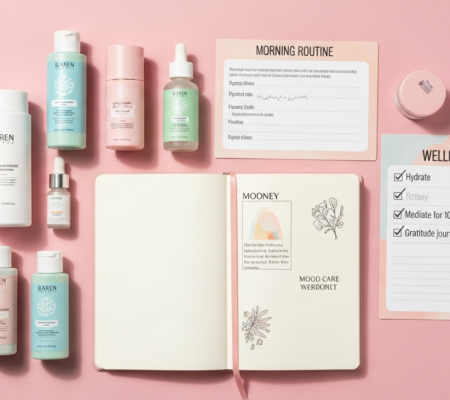
While recovering from burnout primarily focuses on internal healing, the connection between our inner well-being and outer appearance is undeniable. When we feel exhausted and overwhelmed, our skin often bears the brunt, reflecting our internal state. Conversely, engaging in intentional beauty rituals can be a powerful form of self-care, providing a much-needed moment of calm, control, and a psychological boost. It’s not about vanity, but about honoring your body and finding small pockets of joy and routine that contribute to feeling good, inside and out. This is particularly relevant when considering the best skincare routine for acne-prone skin, as stress can often exacerbate skin conditions, making a consistent and mindful approach even more beneficial.
The Mind-Skin Connection: How Burnout Affects Your Complexion
Chronic stress, a precursor to burnout, triggers a cascade of hormonal responses in the body. Cortisol, the primary stress hormone, can increase oil production, leading to breakouts and exacerbating conditions like acne. It can also impair the skin’s barrier function, making it more susceptible to irritation, redness, and dehydration. A fatigued appearance – dullness, dark circles, and lack of radiance – is a common visual cue of burnout. When you’re stressed, you might also neglect your regular skincare routine, further compounding these issues.
Beauty Rituals as Moments of Mindfulness
Instead of viewing your skincare or beauty routine as another chore, reframe it as a sacred ritual, a dedicated time to be present with yourself. This mindful approach transforms a simple act into a powerful self-care practice.
- Slow Down and Savor: Don’t rush through your routine. Take deep breaths as you cleanse, apply serums, and moisturize. Notice the textures, scents, and sensations. This helps ground you in the present moment.
- Choose Products That Bring Joy: Opt for products with pleasant textures and subtle, natural fragrances that uplift your spirits. The sensory experience is part of the self-care.
- Gentle Touch: Apply products with gentle, deliberate movements. A facial massage while cleansing or moisturizing can stimulate circulation, reduce puffiness, and release tension in facial muscles.
Crafting a Supportive Skincare Routine
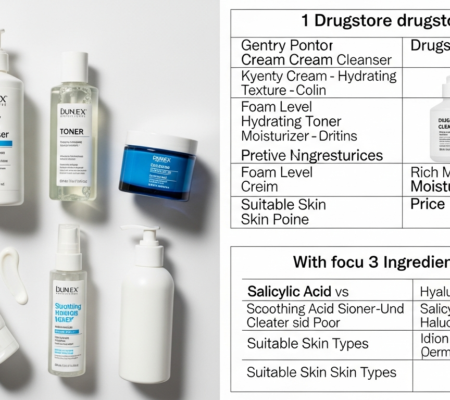
For many women, especially those with specific concerns like acne-prone skin, a well-chosen routine can offer not only physical benefits but also a sense of control and empowerment. When you’re dealing with the stress of burnout, keeping your skin healthy and clear can be a significant mental uplift.
- For Acne-Prone Skin:
- Gentle Cleansing: Start with a mild, pH-balanced cleanser to remove impurities without stripping the skin. Over-cleansing can irritate acne-prone skin.
- Targeted Treatments: Incorporate ingredients like salicylic acid (BHA) or benzoyl peroxide to address breakouts. Use these consistently but cautiously to avoid over-drying.
- Hydration is Key: Even oily or acne-prone skin needs moisture. Choose a lightweight, non-comedogenic moisturizer to support the skin’s barrier function. Dehydrated skin can produce more oil, leading to more breakouts.
- Sun Protection: Always apply a broad-spectrum SPF 30+ daily. Sun exposure can worsen post-inflammatory hyperpigmentation (dark spots left after acne heals).
- Consistency Over Complexity: A simple, consistent routine is more effective than a complex one you can’t maintain when energy is low.
- Beyond Acne-Prone Skin: Regardless of your skin type, focus on cleansing, hydrating, and protecting. Add serums with antioxidants (like Vitamin C) to combat environmental damage and promote radiance.
Remember, a healthy glow often starts from within. As you implement strategies to overcome burnout and get your energy back, you’ll likely notice improvements in your skin’s health and appearance naturally. By integrating thoughtful beauty practices, you reinforce your commitment to holistic well-being, enhancing both your inner vitality and your outer radiance for a truly refreshed you in 2026.
Reclaiming your energy and overcoming burnout is a journey, not a destination. It requires patience, self-compassion, and a steadfast commitment to prioritizing your well-being. At Sometimes Daily, we believe every woman deserves to live a life full of vibrant energy, purpose, and joy. By understanding the signs of burnout, embracing powerful self-care routines, nourishing your body, building resilience, and even finding solace in mindful beauty rituals, you are not just recovering; you are transforming. You are building a stronger, more authentic you, ready to face the world with renewed strength and an unshakeable inner glow. Start today, dear reader, because your well-being is worth every intentional step.
Frequently Asked Questions
Recommended Resources
You might also enjoy Best Foundation For Different Skin Types from Fashion Goggled.
You might also enjoy Celebrity Wedding Jewelry Looks from Celebrity Exchange.