

The journey to motherhood is arguably one of the most profound and transformative experiences a woman can embark on. It’s a period brimming with anticipation, joy, and often, a healthy dose of questions and wonder. At Sometimes Daily, we believe that preparing for this incredible transition isn’t just about packing a hospital bag or choosing nursery colors; it’s about nurturing your entire being – mind, body, and spirit – to embrace the beautiful adventure ahead. This comprehensive guide to preparing for motherhood and prenatal wellness is designed to empower you with the knowledge, confidence, and self-care strategies you need to thrive, not just survive, this pivotal chapter of your life. From the first flutter to the first cry and beyond, we’re here to walk alongside you, offering insights and encouragement for a radiant 2026.
Embracing the Journey: The Foundation of Prenatal Wellness
Preparing for motherhood is a holistic endeavor, touching every facet of your life. It begins with a mindset of intentionality and self-compassion. The moment you decide to conceive, or discover you’re pregnant, a new world of possibilities opens up. This initial phase is about laying a strong foundation – physically, mentally, and emotionally – for a healthy pregnancy and a smooth transition into parenthood.
Understanding the Emotional Landscape of Early Pregnancy
The early weeks and months of pregnancy can be a whirlwind of emotions. Excitement, apprehension, joy, and even anxiety can co-exist. It’s crucial to acknowledge and validate these feelings rather than suppress them. Hormonal changes play a significant role, amplifying emotions and sometimes making you feel unlike yourself. This is a normal part of the process, and understanding it is the first step toward managing it effectively.
- Acknowledge Your Feelings: Give yourself permission to feel whatever comes up, without judgment.
- Communicate Openly: Share your feelings with your partner, a trusted friend, or family member.
- Journaling: A wonderful self-care idea to process thoughts and emotions, helping you track patterns and gain clarity.
Setting Intentions for a Healthy Pregnancy
Just as you might set intentions for your career or personal growth, doing so for your pregnancy can be incredibly empowering. What kind of mother do you aspire to be? What values do you want to instill? What does “prenatal wellness” truly mean to you? These reflections help you define your personal journey and make conscious choices that align with your vision. It’s about being an active participant in your pregnancy, rather than just a passive observer.
Consider creating a “Pregnancy Vision Board” with images, words, and affirmations that represent your hopes and dreams for this period. This can be a beautiful way to maintain a positive outlook and remind yourself of your strength and purpose.
Physical Preparation: Nurturing Your Body for Baby and Beyond
Your body is undertaking an extraordinary feat, creating and nurturing new life. Therefore, physical prenatal wellness is paramount. This section focuses on practical steps to ensure your body is a strong, healthy vessel for your baby’s development and your own well-being.
Optimal Nutrition for Two (or More!)
Eating for two doesn’t mean eating twice as much; it means eating twice as well. A balanced, nutrient-dense diet is fundamental for your baby’s growth and your energy levels. Focus on whole foods, lean proteins, healthy fats, and complex carbohydrates.
- Folic Acid: Crucial for preventing neural tube defects. Start supplementing even before conception if possible.
- Iron: Essential for preventing anemia, which is common in pregnancy. Found in red meat, leafy greens, and fortified cereals.
- Calcium and Vitamin D: For strong bones and teeth for both you and baby. Dairy products, fortified plant milks, and sunlight are key.
- Omega-3 Fatty Acids (DHA): Important for baby’s brain and eye development. Found in fatty fish (low mercury options), flaxseeds, and walnuts.
- Hydration: Drink plenty of water throughout the day to support increased blood volume and overall bodily functions.
Always discuss your dietary needs and any supplements with your healthcare provider. They can recommend a high-quality prenatal vitamin tailored to your specific requirements.
Safe and Effective Exercise During Pregnancy
Unless advised otherwise by your doctor, staying active during pregnancy offers numerous benefits, including improved mood, better sleep, reduced back pain, and preparation for labor. The key is to choose safe, moderate activities and listen to your body.
- Walking: A fantastic low-impact option that can be done almost anywhere.
- Swimming/Aquatic Exercises: The buoyancy of water can be incredibly soothing and supportive.
- Prenatal Yoga & Pilates: Focus on flexibility, strength, and breathing techniques, which are invaluable for labor.
- Strength Training: With lighter weights and modifications, can help maintain muscle mass.
Avoid activities with a high risk of falling, contact sports, or those that involve lying flat on your back for extended periods after the first trimester. Remember, exercise is a wonderful self-care idea that benefits both your physical and emotional wellness.
Regular Prenatal Care: Your Medical Roadmap
Consistent communication and appointments with your obstetrician or midwife are the cornerstones of prenatal wellness. These visits monitor your health and your baby’s development, address any concerns, and provide crucial guidance.
- First Trimester: Confirm pregnancy, establish due date, initial blood tests, and discuss lifestyle changes.
- Second Trimester: Ultrasounds, screening tests, monitoring baby’s growth, and discussing potential complications.
- Third Trimester: More frequent visits, monitoring for pre-eclampsia, discussions about labor and delivery, and preparing for postpartum.
Don’t hesitate to ask questions, no matter how small they seem. Being informed empowers you to make the best decisions for your health and your baby’s.
Emotional and Mental Well-being: A Sanctuary for Your Soul
The emotional landscape of pregnancy can be as dynamic as the physical changes. Nurturing your mental and emotional wellness is just as vital as physical care. This period offers a unique opportunity to cultivate resilience, mindfulness, and a deeper connection with yourself.
Navigating Hormonal Swings and Mood Changes
Pregnancy hormones are powerful, influencing everything from your energy levels to your emotional responses. It’s common to experience heightened sensitivity, irritability, or even periods of sadness.
- Practice Mindfulness: Techniques like deep breathing and meditation can help ground you in the present moment and manage overwhelming feelings. Apps like Calm or Headspace offer guided sessions.
- Prioritize Sleep: Rest is paramount. Create a calming bedtime routine and make your bedroom a sanctuary.
- Seek Sunshine: Exposure to natural light can significantly impact mood. Spend time outdoors when possible.
Remember, these fluctuations are often temporary, but if feelings of sadness or anxiety persist or become debilitating, reach out to your doctor. Perinatal mood disorders are real and treatable, and early intervention is key.
Cultivating Calm Through Self-Care Ideas
Self-care isn’t selfish; it’s essential. During pregnancy, dedicating time to activities that replenish your spirit is non-negotiable.
- Gentle Movement: As mentioned, prenatal yoga, walking in nature, or even just stretching can release tension.
- Creative Expression: Painting, drawing, writing, or crafting can be therapeutic outlets.
- Aromatherapy: With caution and doctor approval, certain essential oils (like lavender for relaxation) can be calming. Always ensure they are safe for pregnancy.
- Warm Baths: A relaxing soak (not too hot!) with Epsom salts can soothe tired muscles and calm the mind.
- Reading & Listening: Immerse yourself in a good book, listen to calming music, or enjoy an inspiring podcast.
These self-care ideas are more than just indulgences; they are vital tools for maintaining your mental equilibrium and building emotional reserves for the demands of motherhood.
Building Your Emotional Support Network
You don’t have to navigate pregnancy alone. Surrounding yourself with a supportive community is crucial for emotional wellness.
- Partner Communication: Openly discuss your feelings, fears, and hopes with your partner. They are your primary support.
- Friends & Family: Lean on those who offer understanding and practical help.
- Support Groups: Connecting with other expectant mothers can provide a sense of camaraderie and shared experience.
- Professional Help: If you’re struggling with anxiety, depression, or overwhelming stress, a therapist or counselor specializing in perinatal mental health can offer invaluable strategies and support.
Knowing you have people to turn to can make all the difference in feeling secure and supported throughout your pregnancy journey.
Building Your Support System & Setting Boundaries: Your Village and Your Voice
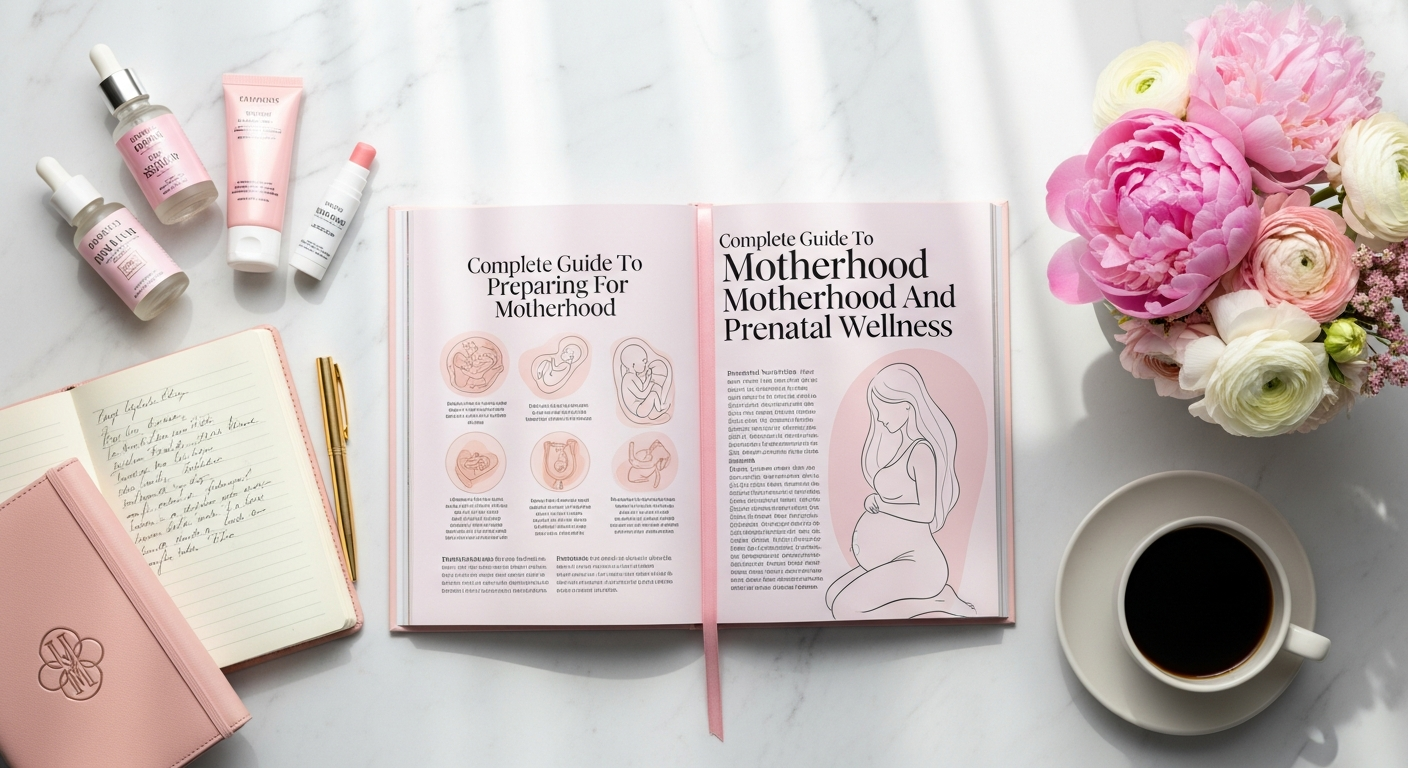
As you prepare for motherhood, your personal relationships will shift and evolve. It’s essential to cultivate a strong support system while also learning to set healthy boundaries to protect your energy and peace.
Identifying Your Core Support System
Your “village” can include your partner, parents, siblings, close friends, or even a doula. These are the people you can rely on for emotional comfort, practical help, and unwavering encouragement.
- Partner: Discuss expectations for shared responsibilities, emotional support, and decision-making during pregnancy and postpartum.
- Family: Identify who can offer practical help (e.g., meals, childcare for older children, errands) and who provides purely emotional support.
- Friends: Connect with friends who have children or who are simply good listeners and can offer non-judgmental support.
- Professional Support: Consider a doula for continuous physical and emotional support during labor and birth, or a lactation consultant for breastfeeding guidance.
Don’t be afraid to clearly articulate what kind of support you need from each person. People often want to help but don’t know how.
The Art of Setting Healthy Boundaries
Pregnancy often brings an influx of advice, opinions, and sometimes unsolicited intrusions from well-meaning loved ones. Learning to set healthy boundaries is a powerful act of self-care that protects your physical and emotional wellness.
- Protect Your Time and Energy: It’s okay to say no to social engagements or requests that drain you. Your energy is precious during pregnancy.
- Manage Unsolicited Advice: Develop polite phrases like, “Thank you for your concern, but we’ve got this handled,” or “We’re following our doctor’s advice.”
- Limit Visitors: Especially in the early postpartum period, it’s perfectly acceptable to limit visitors to allow for bonding and recovery. Communicate your wishes clearly beforehand.
- Guard Your Information: You don’t owe anyone details about your body, your birth plan, or your baby’s health unless you choose to share.
Setting boundaries isn’t about being confrontational; it’s about respectful self-preservation. It teaches others how to treat you and respects your needs as you navigate this sensitive time.
Communicating Your Needs Effectively
Clear and kind communication is the cornerstone of effective boundary setting and building a strong support network.
- Be Direct and Specific: Instead of vague hints, clearly state what you need or what you’re uncomfortable with.
- Use “I” Statements: Frame your requests from your perspective. “I feel overwhelmed when…” or “I need some quiet time because…”
- Practice Active Listening: Understand that others may have good intentions, even if their actions are unhelpful.
Remember, you are becoming a mother, and advocating for yourself and your baby starts now.
Practical Preparations: Nesting with Purpose and Peace of Mind
While physical and emotional well-being form the core of prenatal wellness, practical preparations offer a sense of control and reduce stress as your due date approaches. This ‘nesting’ phase is a wonderful opportunity to channel your excitement into tangible actions.
Financial Planning for Your Growing Family
Bringing a baby into the world comes with financial considerations. Addressing these early can alleviate stress later on.
- Budget Review: Adjust your existing budget to account for new baby expenses (diapers, formula if applicable, clothing, gear, potential childcare).
- Maternity/Paternity Leave Planning: Understand your company’s policies, FMLA rights, and potential income changes during leave.
- Insurance Check: Review your health insurance coverage for prenatal care, birth, and adding your baby to the policy.
- Emergency Fund: Build or bolster your emergency savings for unexpected costs.
Consider consulting a financial advisor for personalized guidance on family planning and long-term financial stability.
Setting Up Your Nursery and Essential Baby Gear
The nursery is often a focal point of preparation, but remember, a baby needs love and safety more than an elaborate room.
- Safety First: Prioritize a safe crib (ensure it meets current safety standards), a secure car seat (installed correctly and checked by a certified technician), and baby-proofing essentials.
- Minimalism vs. Abundance: Decide what truly essential items you need versus what’s nice-to-have. Don’t feel pressured to buy everything on every list.
- Secondhand Finds: Many items like clothing, swings, and some furniture can be safely and economically purchased secondhand.
- Hospital Bag: Start gathering items for your hospital bag in the third trimester. Include essentials for you, your partner, and the baby.
Focus on creating a functional, safe, and calming space rather than perfection.
Birth Plan and Education: Empowering Your Labor Experience
Educating yourself about the birthing process can significantly reduce fear and increase confidence.
- Prenatal Classes: Attend classes covering labor, delivery, pain management options, and newborn care.
- Birth Plan: While flexible, creating a birth plan helps you articulate your preferences for pain relief, interventions, immediate postpartum care, and more. Discuss it with your partner and healthcare provider.
- Research Options: Learn about different birthing methods (vaginal, C-section), pain management (epidural, natural), and birthing environments (hospital, birthing center).
The more informed you are, the more empowered you’ll feel when making decisions during labor.
Postpartum Planning: Preparing for the Fourth Trimester
Often overlooked in the excitement of baby preparations, planning for the postpartum period – often called the “fourth trimester” – is just as crucial for your continued prenatal wellness and a smoother transition into motherhood. This phase, from birth until about three months postpartum, is a period of intense recovery, bonding, and adjustment.
Prioritizing Your Postpartum Recovery
Your body has just completed an incredible marathon. Recovery takes time, patience, and active effort.
- Rest, Rest, Rest: Prioritize sleep whenever the baby sleeps, even if it’s just for short naps. Delegate tasks that steal your precious rest time.
- Nutrition and Hydration: Continue eating nutrient-dense foods to support healing and, if breastfeeding, milk production. Stay well-hydrated.
- Gentle Movement: With your doctor’s clearance, start with gentle walks and pelvic floor exercises to aid recovery.
- Perineal Care: Prepare for discomfort and know what products can help soothe (peri bottles, ice packs, witch hazel pads).
This is a prime time to practice radical self-care and allow your body the time and grace it needs to heal.
Building a Postpartum Support Network
Your support system becomes even more vital in the postpartum period. Don’t be afraid to ask for and accept help.
- Meal Train: Organize friends and family to bring meals, so you don’t have to worry about cooking.
- Household Help: Delegate chores like laundry, cleaning, and grocery shopping to your partner or other helpers.
- Visitors with a Purpose: Encourage visitors who are willing to help with tasks or hold the baby so you can rest, rather than just be entertained. This is another area where setting healthy boundaries is crucial.
- Lactation Support: If you plan to breastfeed, identify lactation consultants in advance.
Having a plan for support can significantly reduce stress and enhance your emotional wellness during a vulnerable time.
Mental and Emotional Wellness in the Fourth Trimester
The “baby blues” are common due to hormonal shifts, but it’s important to differentiate them from more serious conditions like postpartum depression or anxiety.
- Be Aware of Your Mood: Monitor your emotional state. If feelings of sadness, anxiety, or irritability persist beyond two weeks, or if you have intrusive thoughts, seek professional help immediately.
- Connect with Others: Stay in touch with your support system. Talking about your experiences can be incredibly validating.
- Outdoor Time: Even a short walk outside can boost your mood and provide a change of scenery.
- Mom Groups: Joining a new mom’s group can provide a safe space to share challenges and triumphs.
Remember, asking for help is a sign of strength, not weakness. Your mental health is just as important as your physical health.
Cultivating a Mindset of Growth and Resilience: Embracing the Unknown
The journey to motherhood, and indeed motherhood itself, is an ongoing process of learning, adapting, and growing. No matter how meticulously you prepare, there will be unexpected twists and turns. Cultivating a mindset of flexibility and self-compassion is perhaps the most powerful tool you can possess.
Embracing Imperfection and Flexibility
Life with a newborn is rarely a perfectly choreographed dance. Sleep schedules will be disrupted, plans will change, and you’ll encounter moments of doubt.
- Let Go of “Perfect”: Release the pressure to be a “perfect” mother or to have a “perfect” birth. Focus on being present and doing your best.
- Adaptability is Key: Be open to adjusting your expectations and plans as circumstances evolve.
- Trust Your Instincts: While advice is abundant, remember that you know your baby best. Learn to trust your maternal intuition.
This mindset of embracing imperfection is a profound act of emotional wellness and freedom.
Continuous Learning and Growth
Motherhood is a continuous education. Every stage brings new joys and new challenges.
- Stay Curious: Read books, follow reputable blogs (like Sometimes Daily!), and seek out information as your child grows.
- Learn from Experience: Reflect on what works and what doesn’t, adapting your approach as needed.
- Connect with Other Moms: Share experiences and learn from the wisdom of others who are a little further along the path.
Approach each day with an open mind and a willingness to learn, and you’ll find immense joy in the process.
The Power of Self-Compassion
There will be days when you feel overwhelmed, exhausted, or like you’re not doing enough. In these moments, self-compassion is your greatest ally.
- Talk to Yourself Kindly: Treat yourself with the same empathy and understanding you would offer a dear friend.
- Recognize Your Humanity: Acknowledge that you are doing your best in challenging circumstances. Motherhood is hard, and it’s okay to struggle.
- Practice Forgiveness: Forgive yourself for perceived mistakes or shortcomings. Each day is a new opportunity.
By nurturing yourself with kindness, you build an inner strength that will sustain you through all the beautiful, messy, and miraculous moments of motherhood.
As you journey towards motherhood in 2026, remember that prenatal wellness is a beautiful tapestry woven from physical health, emotional resilience, strong support systems, and practical preparations. At Sometimes Daily, we believe that by embracing these pillars, you are not just preparing for a baby; you are preparing to step into your most powerful and profound self. You’ve got this, mama.
Frequently Asked Questions
Recommended Resources
You might also enjoy How To Create An Effortless Everyday Makeup Look from The Contextual Life.
Related reading: How To Look Like A Celebrity On A Budget (Celebrity Exchange).