

Understanding the Profound Impact of Restorative Sleep
Before we dive into actionable strategies, it’s crucial to truly grasp the monumental importance of sleep, particularly for women’s holistic health. Sleep is not merely an inactive state; it’s a dynamic period of restoration and repair, profoundly influencing everything from your mood and cognitive function to your physical health and appearance. When we prioritize sleep, we are, in essence, prioritizing our entire lives.
The Pillars of Well-being Supported by Sleep
- Cognitive Clarity and Focus: Adequate sleep is indispensable for optimal brain function. It enhances memory consolidation, problem-solving skills, creativity, and decision-making. Imagine tackling your day with sharper focus and mental agility—this is the gift of good sleep.
- Emotional Regulation and Resilience: Lack of sleep can amplify stress, anxiety, and irritability, making it harder to manage emotions and navigate daily challenges. Restorative sleep helps balance neurotransmitters, fostering a greater sense of calm and emotional stability. It builds your resilience against life’s inevitable ups and downs.
- Physical Health and Vitality: During sleep, your body repairs cells, restores energy, and produces essential hormones. Chronic sleep deprivation can weaken your immune system, increase inflammation, and elevate the risk of chronic diseases like heart disease and diabetes. Prioritizing sleep is a cornerstone of preventative health.
- Hormonal Balance: For women, sleep plays a critical role in regulating hormones, including those related to appetite, metabolism, and reproductive health. Disruptions can lead to imbalances that impact weight, energy levels, and even fertility.
- Radiant Skin and Appearance: Often dubbed “beauty sleep,” this isn’t just a myth. During deep sleep, your skin cells regenerate, collagen production increases, and blood flow to the skin improves. Poor sleep, conversely, can lead to dullness, fine lines, dark circles, and exacerbate conditions like acne. Incorporating excellent sleep hygiene is a powerful, natural adjunct to any Best Skincare Routine Acne Prone Skin, helping your complexion heal and rejuvenate from within.
Understanding these profound benefits underscores why learning how to sleep better at night naturally is not just about feeling less tired, but about unlocking your full potential and living a more vibrant, balanced life.
Crafting Your Evening Sanctuary: The Power of a Pre-Sleep Routine
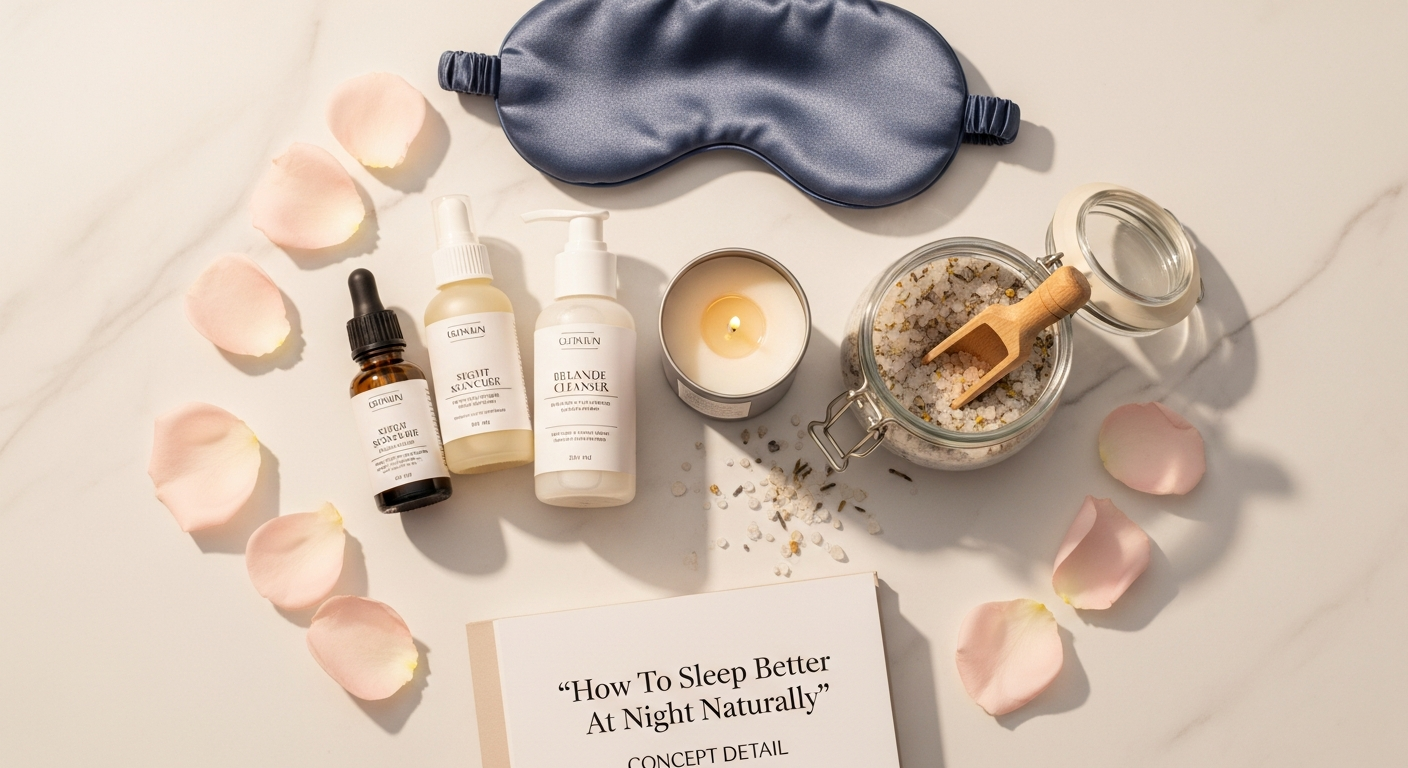
One of the most effective natural strategies for improving sleep quality is establishing a consistent, calming bedtime routine. Think of it as a nightly ritual, a gentle transition that signals to your body and mind that it’s time to wind down. This is where the principles of How To Create Self Care Routine truly come alive, providing a structured approach to nurturing yourself before bed.
Designing Your Personalized Wind-Down Ritual
Your pre-sleep routine should ideally begin 60-90 minutes before your desired bedtime, allowing ample time for relaxation and disconnection. The key is consistency and personalization—find what truly calms you.
- Disconnect from Screens (The Digital Detox): This is perhaps the most critical step. The blue light emitted from smartphones, tablets, computers, and even some TVs can suppress melatonin production, the hormone responsible for regulating your sleep-wake cycle. Aim to power down all electronic devices at least an hour before bed. Instead of scrolling, pick up a book.
- Embrace a Warm Bath or Shower: The physiological process of cooling down after a warm bath or shower can mimic the natural drop in body temperature that occurs as you drift off to sleep. Add Epsom salts for muscle relaxation or a few drops of calming essential oils like lavender or chamomile for an enhanced sensory experience.
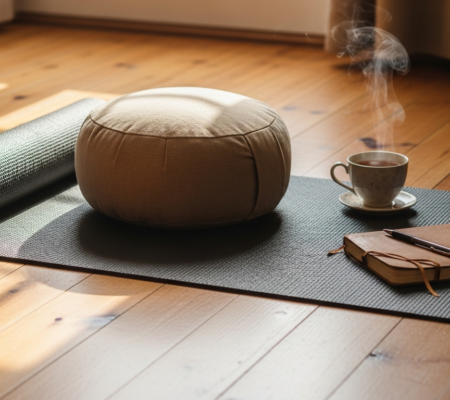
- Gentle Movement and Stretching: Light stretching, restorative yoga poses, or tai chi can release physical tension and promote relaxation. Avoid vigorous exercise close to bedtime, which can be stimulating.
- Journaling for Peace of Mind: If your mind tends to race with worries or to-do lists, dedicating 10-15 minutes to journaling can be incredibly therapeutic. Jot down your thoughts, anxieties, or even gratitudes. This practice helps to “download” your mental clutter, preventing it from keeping you awake.
- Mindfulness and Meditation: Incorporate a short meditation session or deep breathing exercises. There are numerous apps and guided meditations specifically designed for sleep. Focusing on your breath can quiet the mind and induce a state of profound relaxation.
- Reading a Physical Book: Escaping into a good story (from a physical book, not a backlit e-reader) can be a wonderful way to detach from daily stressors and prepare your mind for rest.
- Aromatherapy: Utilize essential oil diffusers or roll-ons with calming scents. Lavender, frankincense, sandalwood, and bergamot are known for their anxiolytic (anxiety-reducing) properties.
- Herbal Teas: Sip on a warm, non-caffeinated herbal tea like chamomile, valerian root, or passionflower. These teas have natural sedative properties that can aid relaxation.
By consciously creating this evening sanctuary, you are not only telling your body it’s time to rest but also actively engaging in self-care, a vital component of holistic wellness that sets the stage for deep, restorative sleep night after night.
Nourishing Your Body for Restful Nights: Diet & Lifestyle Choices
Dietary Considerations for Sound Sleep
- Caffeine Consciousness: While a morning coffee can be a ritual, its stimulating effects can linger for hours. Caffeine has a half-life of about 5-6 hours, meaning half of it is still in your system 5-6 hours after consumption. For sensitive individuals, it can be even longer. Try to limit caffeine intake to before noon, or at least 8 hours before bedtime.
- Alcohol’s Deceptive Lull: Many believe alcohol helps them sleep, and while it might induce initial drowsiness, it disrupts sleep architecture later in the night, leading to fragmented sleep and reduced REM sleep. Avoid alcohol, especially in the hours leading up to bedtime.
- Mindful Eating in the Evening: Heavy, rich, or spicy meals close to bedtime can lead to indigestion and discomfort, making it difficult to fall and stay asleep. Aim for a lighter dinner a few hours before bed. If you need a snack, opt for something small and easily digestible, like a banana, a handful of almonds, or a glass of warm milk (dairy or non-dairy).
- Sleep-Promoting Nutrients:
- Magnesium: Known as nature’s tranquilizer, magnesium helps relax muscles and calm the nervous system. Rich sources include leafy greens, nuts, seeds, legumes, and whole grains.
- Tryptophan: An amino acid that converts to serotonin and then melatonin. Found in foods like turkey, chicken, eggs, cheese, nuts, seeds, and tofu.
- Complex Carbohydrates: Can help increase tryptophan availability to the brain. Think whole-grain toast or a small sweet potato.
- Hydration Habits: Staying well-hydrated throughout the day is crucial for overall health. However, excessive fluid intake close to bedtime can lead to frequent awakenings for bathroom trips. Try to front-load your water intake earlier in the day and taper off in the evening.
The Role of Exercise and Sunlight Exposure
- Strategic Exercise: Regular physical activity is a powerful sleep enhancer, helping you fall asleep faster and experience deeper sleep. However, timing is key. Vigorous exercise too close to bedtime can be stimulating and raise your core body temperature, making sleep difficult. Aim to complete your workouts at least 3-4 hours before you plan to sleep. Morning or afternoon exercise is often ideal.
- Embrace Natural Light: Exposure to natural light, especially in the morning, plays a vital role in regulating your circadian rhythm—your body’s internal clock. Step outside for 15-30 minutes shortly after waking up. This exposure signals to your brain that it’s daytime, helping to set a strong sleep-wake cycle. Similarly, try to get some sunlight exposure throughout the day.
By making conscious choices about your diet and integrating strategic exercise and sunlight exposure into your daily routine, you provide your body with the natural tools it needs to achieve restorative sleep, echoing the holistic approach embraced by the Best Wellness Habits Women Over 30.
Optimizing Your Sleep Environment: From Bedroom to Bedside
Your bedroom should be a sanctuary dedicated to sleep and intimacy, free from distractions and optimized for rest. The physical environment plays a significant, yet often overlooked, role in your ability to fall asleep and stay asleep naturally. Creating an ideal sleep environment is a direct and powerful way to discover how to sleep better at night naturally.
The Pillars of a Perfect Sleep Sanctuary
- Darkness is Key: Even small amounts of light can disrupt melatonin production. Invest in blackout curtains or blinds to block out external light sources. If complete darkness isn’t possible, a comfortable eye mask can be incredibly effective. Cover or turn off any glowing electronic displays in your room.
- Silence is Golden (or White Noise is Calming): Minimize noise as much as possible. If you live in a noisy environment, consider earplugs or a white noise machine. White noise, or even pink or brown noise, can mask sudden disturbances and create a consistent, soothing soundscape that aids sleep.
- The Ideal Temperature: Most sleep experts agree that the optimal bedroom temperature for sleep is between 60-67°F (15-19°C). A cooler room signals to your body that it’s time to sleep. Experiment to find what temperature works best for you, ensuring your bedding is appropriate for the climate.
- Comfortable Mattress and Pillows: Your mattress and pillows are crucial investments in your sleep health. A supportive mattress that aligns your spine and minimizes pressure points can make a world of difference. Replace pillows every 1-2 years and mattresses every 7-10 years, or sooner if they show signs of wear or discomfort.
- Cleanliness and Clutter-Free Space: A messy, cluttered bedroom can contribute to mental clutter and stress, making it harder to relax. Keep your bedroom tidy, clean, and free from work-related items or distracting electronics (beyond what’s necessary for white noise or alarm).
- Aromatherapy for Ambiance: Diffusing calming essential oils like lavender, chamomile, or cedarwood can signal relaxation to your brain. You can also use linen sprays on your sheets or a few drops on a tissue tucked into your pillowcase.
- Ventilation: Ensure good air circulation in your bedroom. Open a window if possible, or use an air purifier to ensure fresh, clean air, especially important for those with allergies.
- Bedroom Only for Sleep and Intimacy: Reinforce the association of your bedroom with rest by avoiding activities like working, eating, or watching TV in bed. This trains your brain to recognize the bedroom as a place for sleep.
By meticulously curating your sleep environment, you create a powerful physiological and psychological cue for your body and mind to unwind, making it significantly easier to drift into a deep and restorative sleep, naturally.
Mind Over Mattress: Taming Stress and Anxiety for Better Sleep
In our fast-paced world, stress and anxiety are pervasive challenges that disproportionately impact sleep quality. A racing mind, a heart pounding with worry, or the endless mental replay of the day’s events are common culprits that keep many women from achieving the restful sleep they deserve. Learning how to sleep better at night naturally often involves addressing these underlying mental and emotional factors directly.
Strategies for Quieting a Busy Mind
Cultivating mental calm before bed is an art, but one that can be mastered with consistent practice. These techniques are integral components of any holistic How To Create Self Care Routine.
- Mindfulness and Meditation: These practices teach you to observe your thoughts without judgment, reducing their power over you. Even 5-10 minutes of guided meditation or focused breathing before bed can significantly reduce mental chatter. Apps like Calm or Headspace offer excellent sleep-focused meditations.
- Deep Breathing Exercises: Simple yet incredibly powerful, deep breathing activates your parasympathetic nervous system, responsible for the “rest and digest” response. Try the 4-7-8 breathing technique: inhale for 4 counts, hold for 7 counts, exhale slowly for 8 counts. Repeat several times.
- Progressive Muscle Relaxation (PMR): This technique involves tensing and then relaxing different muscle groups throughout your body, from your toes to your head. It helps you become aware of physical tension and then consciously release it, promoting profound bodily relaxation.
- Scheduled Worry Time: If you find yourself constantly worrying in bed, try scheduling a “worry time” earlier in the evening (e.g., 6-7 PM). During this dedicated 15-20 minutes, write down all your concerns and potential solutions. Once the time is up, consciously put those worries aside until the next scheduled session. This helps contain anxious thoughts so they don’t ambush you at bedtime.
- Gratitude Practice: Shifting your focus from worries to appreciation can be incredibly calming. Before bed, reflect on three things you’re grateful for that day. This positive mental shift can quiet negative thought patterns.
- Setting Boundaries: Learn to say no and protect your personal time. Overcommitment and the pressure to constantly be “on” can contribute to chronic stress. Establishing clear boundaries around work, social obligations, and even digital connectivity is vital for mental well-being and, consequently, sleep.
- Connecting with Nature: Spending time outdoors during the day has been shown to reduce stress and improve mood, indirectly benefiting sleep. A simple walk in a park or spending time in your garden can be incredibly therapeutic.
Remember, managing stress and anxiety is an ongoing journey, not a destination. By integrating these practices into your daily life and especially your evening routine, you empower yourself to calm your mind, release tension, and create the mental stillness necessary for a night of truly restorative sleep, supporting your overall wellness as an empowered woman navigating the complexities of 2026.
When to Seek Professional Guidance for Persistent Sleep Challenges
While the natural strategies outlined above are incredibly powerful for improving sleep, it’s important to recognize that sometimes, despite your best efforts, sleep difficulties persist. For some women, underlying medical conditions or more severe sleep disorders may be at play. Knowing when to seek professional guidance is a crucial aspect of responsible self-care and ensures you get the comprehensive support you need to truly discover how to sleep better at night naturally, or with appropriate medical intervention.
Recognizing When Natural Remedies Aren’t Enough
If you consistently experience any of the following, it might be time to consult your doctor or a sleep specialist:
- Chronic Insomnia: If you have difficulty falling asleep or staying asleep three or more nights a week for at least three months, despite implementing good sleep hygiene.
- Excessive Daytime Sleepiness: Feeling extremely tired, drowsy, or falling asleep unintentionally during the day, even after what you believe was a full night’s sleep. This could indicate an underlying issue like sleep apnea or narcolepsy.
- Loud Snoring or Pauses in Breathing: Your partner might notice if you snore loudly, gasp for air, or briefly stop breathing during sleep. These are key indicators of obstructive sleep apnea, a serious condition where breathing repeatedly stops and starts during sleep.
- Restless Legs Syndrome (RLS): An irresistible urge to move your legs, usually accompanied by uncomfortable sensations like crawling, tingling, or itching, especially in the evening or when resting, can significantly disrupt sleep.
- Unexplained Fatigue or Low Energy: Persistent low energy, despite seemingly adequate sleep, could point to a sleep disorder or another medical condition that needs attention.
- Significant Impact on Daily Life: If your sleep problems are negatively affecting your mood, relationships, work performance, or overall quality of life, it’s time to seek help.
What to Expect from a Professional Consultation
When you consult a healthcare professional, they will typically:
- Take a Detailed History: They will ask about your sleep habits, medical history, medications, lifestyle, and any symptoms you’re experiencing.
- Physical Examination: A general exam may be conducted to rule out any obvious physical causes for your sleep issues.
- Sleep Diary: You might be asked to keep a sleep diary for a week or two, tracking your bedtime, wake-up time, sleep quality, naps, and other relevant factors.
- Referral to a Sleep Specialist: If a sleep disorder is suspected, your primary care physician may refer you to a sleep specialist for further evaluation, which could include a sleep study (polysomnography) conducted either at home or in a sleep lab.
Remember, seeking professional help is a sign of strength and commitment to your well-being. There are effective treatments available for various sleep disorders, and a diagnosis can be the first step towards truly transformative and restorative sleep, ensuring you continue to thrive in all aspects of your life as we move forward into 2026.
Embarking on the journey to better sleep is a profound act of self-love and a cornerstone of holistic wellness. By understanding the intricate dance between your body, mind, and environment, and by diligently implementing these natural strategies, you can reclaim your nights and awaken to brighter, more energized days. Whether it’s crafting a sacred evening ritual, optimizing your nutrition, transforming your bedroom into a serene sanctuary, or taming a restless mind, each step you take brings you closer to the restorative sleep you deserve. Embrace these practices not as chores, but as empowering choices for your health and happiness. Here’s to a future filled with peaceful nights and vibrant days, as you continue to thrive and flourish in 2026 and beyond, fully supported by the rejuvenating power of natural, deep sleep.
Frequently Asked Questions
Recommended Resources
You might also enjoy Best Nail Care Tips For Healthy Nails At Home from The Contextual Life.
For more on how to sleep, see How Celebrities Stay Fit Without Extreme Diets on Celebrity Exchange.