
The Psychology of First Impressions: Why Your Interview Outfit Matters
Before we dive into the sartorial specifics, let’s acknowledge the power of a first impression. In the initial seconds of meeting someone, our brains rapidly process visual cues to form judgments. While these judgments can be superficial, in a high-stakes environment like a job interview, they can significantly influence the interviewer’s perception of your professionalism, attention to detail, and even your respect for the opportunity. Your clothing communicates volumes before you even utter a single word.
A well-chosen interview outfit doesn’t just make you look good; it makes you feel good. When you’re dressed in an outfit that fits well, is appropriate for the setting, and makes you feel confident, it positively impacts your demeanor. This boost in self-assurance can translate into stronger eye contact, a more confident posture, and a clearer articulation of your thoughts. Conversely, an ill-fitting or inappropriate outfit can cause subtle distractions, discomfort, and even diminish your confidence, making you less likely to perform at your peak.
In 2026, the landscape of work attire is more varied than ever, but the core principles of professionalism remain. Interviewers are looking for candidates who understand the nuances of their industry and company culture. Your outfit is a tangible representation of your judgment and your ability to fit into their environment. It signals that you take the interview seriously and that you’re capable of presenting yourself in a polished manner, a skill that is valuable in any role.
Therefore, styling an outfit for a job interview is an integral part of your overall preparation strategy. It’s not about conforming to outdated rules, but about making informed choices that enhance your professional image and empower you to shine. By dedicating thought and effort to your appearance, you’re not just dressing for the job; you’re dressing for success, and reinforcing your own belief in your capabilities.
Decoding Dress Codes: Tailoring Your Look for Every Interview Scenario
The days of a one-size-fits-all interview suit are largely behind us. In 2026, understanding the specific dress code and company culture is crucial to styling an outfit that is both appropriate and impactful. Research is your best friend here. Explore the company’s website, social media, and even LinkedIn profiles of employees to get a sense of their typical workplace attire. When in doubt, it’s almost always better to err on the side of slightly more formal than too casual.
The Classic: Business Professional
This is the most formal interview attire and is typically expected in traditional industries like finance, law, government, and some corporate environments. It conveys seriousness, authority, and meticulous attention to detail.
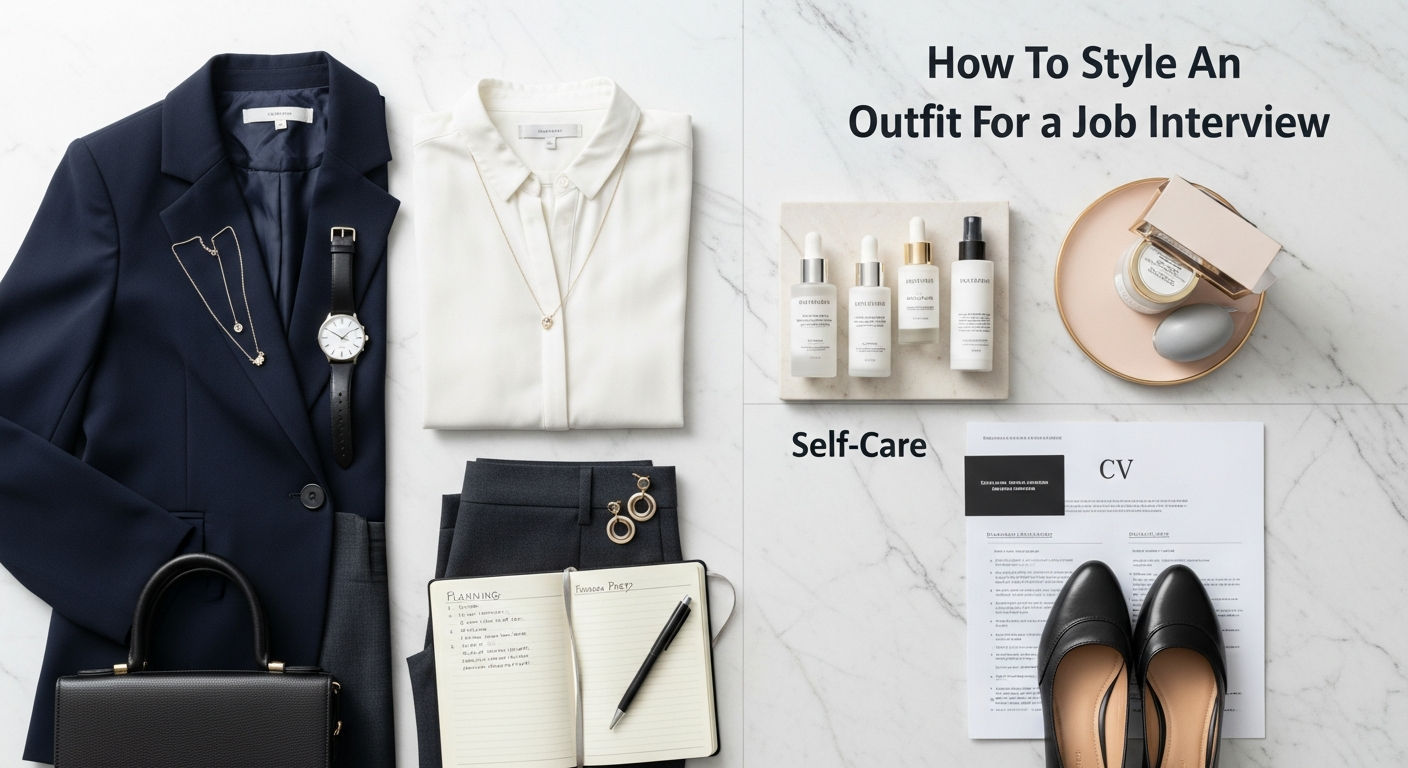
- The Suit: A matching pantsuit or skirt suit is the gold standard. Opt for classic, neutral colors such as charcoal grey, navy blue, or black. Ensure the suit is well-tailored; a good fit makes all the difference. The skirt should fall at or just below the knee.
- Blouse/Shirt: Pair your suit with a crisp, collared button-down shirt or a professional blouse in a complementary solid color (white, light blue, cream) or a subtle pattern. Ensure it’s opaque and not too low-cut.
- Footwear: Closed-toe pumps or flats in a neutral color (black, navy, nude) with a modest heel (1-3 inches) or no heel are appropriate. They should be clean and scuff-free.
- Accessories: Keep jewelry minimal and elegant. A watch, stud earrings, and perhaps a delicate necklace are sufficient. Carry a professional briefcase or a structured handbag that holds your resume and notes.
The Modern Standard: Business Casual
Business casual is prevalent in many industries today, including some corporate roles, marketing, non-profits, and established tech companies. It strikes a balance between professional polish and everyday comfort.
- Bottoms: Tailored trousers (slacks), a pencil skirt, or a knee-length A-line skirt in neutral colors are excellent choices. Avoid jeans unless explicitly told the environment is very casual.
- Tops: A blazer is often the cornerstone of a business casual interview outfit. Pair it with a professional blouse, a fine-gauge knit sweater, or a collared shirt. Colors can be slightly more varied than business professional, but still lean towards sophisticated tones.
- Dresses: A professional sheath dress or a fit-and-flare dress in a solid color or subtle pattern, worn with a blazer or cardigan, can be a fantastic option.
- Footwear: Polished flats, loafers, low heels, or ankle boots (depending on the overall style) are suitable. Again, ensure they are clean and in good condition.
- Accessories: You have a bit more room for personal expression here, but still keep it refined. A stylish scarf, a slightly more statement necklace (but not overly distracting), and a professional bag work well.
The Evolving Edge: Smart Casual & Creative Industries
For roles in highly creative fields (design, advertising, fashion), startups, or very relaxed tech environments, smart casual might be the expectation. This is where you can infuse more of your personality, but it still requires careful consideration to avoid looking underdressed.
- Bottoms: Dark-wash, well-fitting jeans (without rips or fading) can sometimes be acceptable, but tailored trousers or a chic skirt are safer. Chinos or stylish culottes can also work.
- Tops: A stylish blouse, a fashionable knit top, or even a high-quality t-shirt layered under a blazer or a structured cardigan.
- Outerwear: A modern blazer, a stylish utility jacket, or a chic cardigan can elevate a casual top.
- Dresses/Jumpsuits: A fashionable but modest dress or a sophisticated jumpsuit can be appropriate.
- Footwear: Stylish flats, loafers, clean fashion sneakers (if the company culture truly supports it, research carefully!), ankle boots, or block heels.
- Accessories: This is where you can let your personal style shine a bit more. Unique jewelry, a statement bag, or interesting eyewear can complement your outfit. The key is still to look intentional and polished, not sloppy.
The Virtual Interview: Polished from the Waist Up (and Beyond)
Virtual interviews are a mainstay in 2026. While the camera primarily captures your upper half, it’s still crucial to dress as if you were attending in person. This helps you get into a professional mindset.
- Upper Half Focus: A professional blouse, collared shirt, or blazer is essential. Solid colors or subtle patterns tend to translate best on screen. Avoid overly busy prints or reflective fabrics.
- Bottom Half: Even though it might not be seen, wearing appropriate bottoms (trousers, skirt) helps you feel fully dressed and professional. This prevents any accidental slips if you need to stand up.
- Hair & Makeup: Style your hair neatly. Opt for natural, polished makeup.
- Background: Ensure your background is clean, uncluttered, and professional. Good lighting is also key – face a window or use a ring light.
No matter the dress code, always prioritize neatness. Ensure your clothes are clean, pressed, and free of wrinkles or stains. A well-maintained appearance speaks volumes about your attention to detail and respect for the opportunity.
The Finer Points: Accessories, Hair, Makeup & Grooming
Accessories: Less is More
Accessories should complement your outfit, not overpower it. Think of them as subtle enhancements to your professional image.
- Jewelry: Stick to classic, understated pieces. Stud earrings or small hoops, a delicate necklace, and a professional watch are generally safe bets. Avoid anything too large, flashy, noisy, or distracting. You want the interviewer focusing on your words, not your dangling earrings.
- Handbag/Briefcase: A structured, professional bag in a neutral color is ideal. It should be large enough to hold your essentials (resume, pen, notebook) but not oversized. Avoid casual tote bags or backpacks.
- Shoes: This cannot be stressed enough: comfort and polish are key. Your shoes should be clean, scuff-free, and comfortable enough to walk in confidently. Closed-toe pumps, loafers, or elegant flats are excellent choices. Ensure heels are modest (1-3 inches) if you choose them. Avoid overly trendy shoes, open-toe sandals, or sneakers (unless explicitly appropriate for a very casual, creative role and you’ve done your research).
- Belts: If your outfit calls for a belt, choose a classic, simple style that matches your shoes or bag.
Hair: Neatness and Professionalism
Your hairstyle should be neat, tidy, and keep hair out of your face so you can maintain eye contact. The specific style depends on your hair type and length, but the underlying principle is professionalism.
- Long Hair: Consider a sleek ponytail, a low bun, a half-up style, or neatly styled and pulled back from your face.
- Medium Hair: Can be worn down if it’s well-groomed and doesn’t fall into your face, or styled in a neat bob or lob.
- Short Hair: Ensure it’s neatly styled and well-maintained.
Avoid overly elaborate styles, excessive hairspray, or anything that might be distracting. The goal is for your hair to look polished and effortless.
Makeup: Natural and Polished
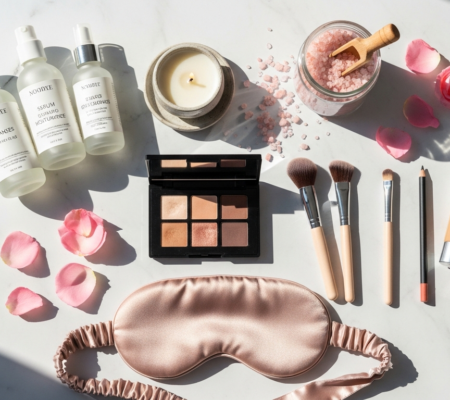
The best interview makeup enhances your features without being overly dramatic or distracting. A natural, polished look conveys confidence and professionalism.
- Foundation/BB Cream: Opt for light to medium coverage that evens out your skin tone. For those with Best Skincare Routine Acne Prone Skin, ensure your base is smooth and well-prepped. A consistent skincare routine, especially one tailored for specific concerns, can significantly improve your canvas, reducing the need for heavy makeup.
- Concealer: Use sparingly to cover any blemishes or dark circles.
- Eyes: Neutral eyeshadows (taupe, brown, soft grey), a thin line of eyeliner, and a coat or two of mascara are usually sufficient. Avoid glitter, bright colors, or dramatic winged liner.
- Brows: Neatly groomed brows frame your face beautifully. Fill them in lightly if needed.
- Blush: A touch of natural-looking blush adds warmth to your face.
- Lips: A neutral lipstick, tinted balm, or lip gloss in a professional shade (e.g., nude, soft rose, berry) is perfect. Avoid overly bold or sticky lip products.
Fragrance: Subtle or None
Some people are sensitive to scents, and what one person finds pleasant, another might find overwhelming. It’s best to err on the side of caution and either wear no fragrance or a very subtle, light scent. A strong perfume can be a significant distraction in a confined interview setting.
Nails: Clean and Well-Maintained
Your hands will be visible during an interview, especially if you gesture or take notes. Ensure your nails are clean, neatly trimmed, and filed. If you wear nail polish, choose a neutral color (nude, light pink, clear) and make sure it’s chip-free. Avoid overly long nails, bright colors, or elaborate nail art.
By paying attention to these details, you present a cohesive, polished image that underscores your professionalism and readiness for the role. It demonstrates respect for yourself and for the opportunity, leaving a lasting positive impression.
Beyond the Fabric: Cultivating Inner Confidence for Your Interview
While the perfect outfit can certainly boost your confidence, true interview success stems from a deeper place: your inner preparedness and mental well-being. At Sometimes Daily, we understand that self-care is not a luxury, but a necessity, especially when facing high-stress situations like job interviews. Cultivating inner confidence and managing anxiety are just as crucial as selecting the right blazer.
The Power of Preparation
Confidence often comes from competence. Thorough preparation is your secret weapon against interview jitters. This includes:
- Researching the Company: Understand their mission, values, recent news, and the role you’re applying for.
- Knowing Your Resume: Be ready to speak confidently about every bullet point and relate your experiences to the job requirements.
- Practicing Answers: Rehearse common interview questions, focusing on the STAR method (Situation, Task, Action, Result) for behavioral questions.
- Preparing Questions for Them: Having thoughtful questions demonstrates your engagement and interest.
The more prepared you are, the more comfortable and confident you’ll feel, regardless of what you’re wearing.
Integrating Your Self-Care Routine
Prior to the big day, establishing a robust How To Create Self Care Routine can significantly reduce stress and improve your mental clarity. This isn’t just about pampering; it’s about intentional practices that nourish your mind, body, and spirit. Consider incorporating:
- Mindfulness & Meditation: Even 10-15 minutes of mindfulness daily can help calm your nervous system and improve focus.
- Adequate Sleep: Prioritize 7-9 hours of quality sleep in the days leading up to the interview. A well-rested mind is a sharp mind.
- Nutritious Diet: Fuel your body with healthy, balanced meals. Avoid excessive caffeine or sugary snacks that can lead to energy crashes.
- Physical Activity: Exercise is a powerful stress reliever. A brisk walk, a yoga session, or a workout can help burn off nervous energy.
- Journaling: Writing down your thoughts and anxieties can be a therapeutic way to process them and gain perspective.
These practices build resilience, ensuring you approach the interview from a place of strength and calm, rather than anxiety.
Coping with Interview Day Anxiety
Even with thorough preparation and a solid self-care routine, nerves are natural. The key is to manage them effectively so they don’t derail your performance. Many of the strategies used for coping with general anxiety, similar to those discussed in How To Cope With Anxiety At Work, can be invaluable for interview day:
- Deep Breathing: Before entering the interview, take a few slow, deep breaths. Inhale deeply through your nose, hold for a few seconds, and exhale slowly through your mouth. This activates your parasympathetic nervous system, promoting relaxation.
- Positive Affirmations: Remind yourself of your strengths, qualifications, and worth. “I am capable. I am prepared. I deserve this opportunity.”
- Visualization: Picture yourself succeeding in the interview – answering questions confidently, engaging positively with the interviewer, and leaving a strong impression.
- Hydration: Keep a bottle of water handy. Sipping water can help calm nerves and prevent a dry mouth.
- Arrive Early: Give yourself ample time to travel, find parking, and collect your thoughts. Rushing will only amplify stress.
- Connect with Your Body: Acknowledge the physical sensations of anxiety (butterflies, racing heart) without judgment. Remind yourself that it’s just your body’s way of preparing you for a challenge.
Remember, a job interview is a two-way street. You are also interviewing the company to see if it’s the right fit for you. Adopting this perspective can reduce some of the pressure and help you approach the conversation with more poise. By combining thoughtful outer presentation with robust inner preparation, you create a holistic strategy for interview success in 2026.
Practical Tips & Common Pitfalls to Avoid in 2026
Even with the best intentions, it’s easy to overlook small details that can make a big difference. Here are some practical tips to ensure your interview outfit is flawless, along with common mistakes to steer clear of in the modern professional landscape.
Essential Pre-Interview Checklist
- The Trial Run: Don’t wait until the morning of the interview. Try on your entire outfit a few days beforehand. Walk around in your shoes, sit down, and stand up to ensure everything is comfortable and fits well. This also gives you time to make any necessary adjustments or find alternatives.
- The Mirror Test: Do a full 360-degree check in a well-lit room. Check for wrinkles, stains, loose threads, missing buttons, or undone hems. Ensure your clothes are clean and pressed.
- Comfort is King (and Queen): While professionalism is paramount, discomfort can be incredibly distracting. If your shoes pinch, your skirt is too tight, or your top is constantly riding up, it will detract from your focus. Choose fabrics that breathe and allow for movement.
- Personal Hygiene: This goes without saying, but ensure you are showered, have clean hair, and use deodorant. A fresh breath mint (taken before the interview, not during) can also be a good idea.
- Pack Your Bag: Prepare your interview bag the night before. Include extra copies of your resume, a pen, a small notebook, and perhaps a small emergency kit (mini deodorant, lint roller, safety pins).
Common Pitfalls to Avoid
- Overly Trendy or Distracting Items: While showing personality is good, an interview is not the time for the latest fleeting fashion trend or anything that might draw attention away from your qualifications. Avoid flashy logos, excessive embellishments, or overly revealing clothing.
- Ill-Fitting Clothes: Clothes that are too tight, too loose, too short, or too long can make you look sloppy or unprofessional. Invest in tailoring if necessary; a well-fitting garment elevates your entire look.
- Wrinkles & Stains: This is a cardinal sin. A wrinkled shirt or a noticeable stain immediately signals a lack of attention to detail. Always iron or steam your clothes the day before.
- Strong Scents: As mentioned, avoid strong perfumes, heavily scented lotions, or body sprays. You want your presence to be memorable, not your scent.
- Too Much Jewelry: Keep it minimal and elegant. Loud, clanking bracelets or large, flashy necklaces can be distracting.
- Casual Footwear (Unless Directed): Unless you’re explicitly told to wear sneakers for a very specific type of creative interview, stick to polished professional shoes. This includes avoiding flip-flops, overly casual sandals, or worn-out athletic shoes.
- Forgetting Your Outerwear: Even if you plan to take off your coat or blazer, consider how it looks when you arrive and depart. A professional trench coat or a tailored blazer enhances your overall polished image.
- Ignoring the Bottom Half for Virtual Interviews: While it might be tempting to wear pajamas below the waist for a virtual interview, resist! Dressing fully helps you feel more professional and prevents potential embarrassment if you need to stand up unexpectedly.
- Chewing Gum: Never chew gum during an interview. It looks unprofessional and can be distracting.
By diligently adhering to these tips and consciously avoiding common mistakes, you’ll ensure that your outward presentation perfectly complements your inner preparedness, allowing your skills and personality to shine unimpeded in your 2026 job interview.
Tailoring Your Look: Industry-Specific Nuances for 2026
While the general principles of professional attire remain consistent, the specifics of what constitutes an “ideal” interview outfit can vary significantly across industries. Understanding these nuances in 2026 is crucial for making an informed choice that resonates with your prospective employer.
Corporate, Finance & Law
These are typically the most conservative industries. The expectation here is almost always business professional, emphasizing tradition, trust, and meticulousness.
- Attire: A well-tailored pantsuit or skirt suit in navy, charcoal grey, or black. Pair with a crisp white or light blue button-down shirt or a professional silk blouse.
- Footwear: Classic closed-toe pumps or elegant flats in black or nude.
- Accessories: Minimalist jewelry, a professional watch, and a structured leather briefcase or handbag.
- Colors: Stick to neutrals. Any patterns should be extremely subtle (e.g., a pinstripe suit).
- Key Message: You are reliable, serious, and understand the gravitas of their profession.
Tech & Startups
This sector is vast, ranging from established tech giants to agile startups. Research is paramount here, as the dress code can swing from business casual to smart casual, and occasionally even very casual.
- Established Tech (e.g., Google, Microsoft): Often business casual. Think tailored trousers or a skirt, a professional blouse, and a blazer.
- Startups/More Casual Tech: Smart casual is often appropriate. This could mean dark-wash, well-fitting jeans (only if thoroughly researched and confirmed), stylish chinos, or a modern dress, paired with a sophisticated top and a blazer or stylish jacket. Avoid anything sloppy.
- Footwear: Polished loafers, stylish flats, clean ankle boots, or even fashionable, clean sneakers (again, research!).
- Accessories: Can be slightly more expressive than corporate, but still professional. A chic backpack might even be acceptable in some very progressive environments.
- Key Message: You are innovative, adaptable, and a good cultural fit without being unprofessional.
Creative, Marketing & Fashion
Here, your outfit is an extension of your personal brand and creativity. While professionalism is still key, you have more freedom to express your style, often leaning towards smart casual with a fashionable edge.
- Attire: A stylish midi skirt with a unique blouse, tailored wide-leg trousers with a modern knit, or a fashionable jumpsuit. A well-cut blazer in an interesting texture or color can elevate any look.
- Colors & Patterns: More room for interesting colors, subtle patterns, or even a tastefully chosen print.
- Footwear: Stylish ankle boots, block heels, fashionable flats, or loafers.
- Accessories: This is where you can showcase your unique aesthetic. A statement necklace, an artful scarf, or a distinctive handbag can be appropriate, provided they don’t overpower your overall look.
- Key Message: You are creative, have a strong sense of style, and understand the industry’s aesthetic.
Healthcare & Education
These fields typically require a look that conveys trustworthiness, approachability, and practicality. Business casual is often the standard, leaning towards comfort and hygiene.
- Attire: Tailored trousers or a knee-length skirt with a professional blouse, a modest dress, or a blazer/cardigan. Solid colors or subtle patterns are usually best.
- Footwear: Comfortable, closed-toe shoes are essential, especially in healthcare where you might be on your feet. Polished flats, low heels, or sensible loafers are ideal.
- Accessories: Minimal and practical. Avoid anything that dangles or could get in the way.
- Key Message: You are compassionate, organized, reliable, and understand the practical demands of the role.
Retail & Customer Service
These roles often prioritize approachability, a neat appearance, and sometimes reflect the brand’s aesthetic. Business casual or smart casual is common, but always consider the specific brand.
- Attire: Clean, well-fitting trousers or a skirt, a professional top, and a cardigan or blazer. If the brand has a specific uniform or style, try to subtly echo it.
- Footwear: Comfortable, polished, closed-toe shoes are important, as you may be standing for long periods.
- Accessories: Simple and neat. Avoid anything that could get snagged or be a safety hazard.
- Key Message: You are approachable, customer-focused, and represent the brand well.
No matter the industry, your goal is to demonstrate that you understand the environment and are ready to contribute. Your outfit is a powerful non-verbal cue that can affirm your suitability for the role. By thoughtfully considering these industry-specific nuances, you can style an outfit that not only looks professional but also feels authentically you, empowering you to ace your job interview in 2026.