
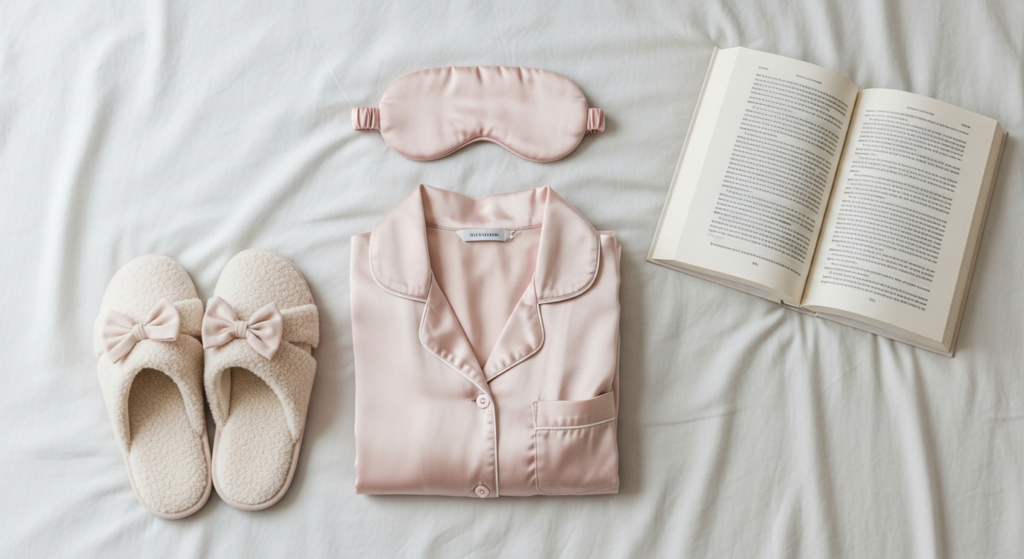
Ah, the humble pajama. For many of us, it’s a symbol of ultimate comfort, a soft embrace after a long day, or the uniform of a lazy Sunday morning. But what happens when that comfort extends beyond the bedroom and into our entire day, week, or even longer? In a world that often demands we be “on” 24/7, the allure of staying in our coziest attire can be incredibly strong. Yet, a quiet whisper of guilt or concern sometimes accompanies the decision to wear pajamas all day. Is it truly okay? And what might this seemingly innocent choice mean for our overall wellbeing, productivity, and self-perception? At Sometimes Daily, we believe in exploring the nuances of modern womanhood, and today, we’re diving deep into the psychology, practicalities, and empowerment behind the all-day pajama phenomenon. Let’s unravel the threads of comfort, self-care, and routine to understand what wearing your PJs all day truly signifies for you in 2026.
The Allure of All-Day PJs: A Modern Woman’s Comfort Zone
There’s an undeniable, almost magnetic pull towards slipping into (or staying in) our favorite pajamas. For modern women, balancing careers, families, social lives, and personal aspirations, the concept of uninterrupted comfort can feel like a luxurious rebellion. It’s a statement, often unspoken, that today, just for a little while, the demands of the outside world can wait. This isn’t just about fabric; it’s about a feeling, a mindset, and a momentary escape.
Think about it: what is it about pajamas that makes them so special? Firstly, there’s the sheer physical comfort. Designed for relaxation, sleepwear is typically made from soft, breathable fabrics like cotton, silk, or modal, cut in loose, unrestrictive styles. After hours spent in tailored clothes, uncomfortable shoes, or even just regular day-wear that might feel a bit too snug, the transition into pajamas is like a collective sigh of relief for our bodies. This immediate physical ease contributes significantly to a sense of relaxation and unwinding, signaling to our nervous system that it’s time to de-stress.
Beyond the tactile, there’s a strong psychological component. Pajamas often carry a nostalgic quality, reminding us of childhood slumber parties, cozy weekends at grandma’s house, or the simple joy of a snow day. This emotional connection can evoke feelings of security, warmth, and innocence, transporting us back to a time when worries were few and comfort was paramount. In a fast-paced, often overwhelming world, tapping into these feelings can be a powerful form of self-soothing.
Moreover, for many, wearing pajamas all day is a quiet act of defiance against societal expectations. We live in a culture that often dictates how we should dress, present ourselves, and even feel. Choosing to remain in our sleepwear can be a personal declaration of autonomy, a decision to prioritize our own comfort and needs over external pressures. It’s a way of saying, “Today, I’m doing me.” This can be particularly empowering for women who spend much of their lives catering to others, whether in professional roles or within their families. It’s a demarcation of personal space and time, a visible (or invisible, if working from home) boundary against the constant push to perform.
The rise of loungewear and athleisure has further blurred the lines, making “pajama-adjacent” attire not only acceptable but fashionable. Brands have embraced the demand for comfortable yet stylish pieces that can easily transition from the sofa to a quick errand, or even a casual brunch. This evolution means that the decision to wear pajamas all day doesn’t necessarily mean sacrificing style entirely; it means having more options to blend comfort with a sense of being put-together, even if minimally. This trend normalizes the desire for ease in our daily lives, giving women permission to prioritize comfort without feeling entirely disheveled. The ability to choose luxurious fabrics and elevated designs for our most relaxed moments adds another layer to the allure, transforming the simple act of dressing down into a sophisticated lifestyle choice. It acknowledges that comfort doesn’t have to mean compromise, and that feeling good in what you wear, even if it’s designed for lounging, is a valid and important part of personal expression.
Decoding the “Pajama All Day” Phenomenon: When Comfort Meets Consequence
While the initial pull of all-day pajamas is often rooted in a desire for comfort and relaxation, the habit itself is far more nuanced. It’s not just about what you’re wearing; it’s about what that choice signifies for your mental state, your daily structure, and your overall wellbeing. Understanding these layers helps us discern when wearing pajamas all day is a beneficial act of self-care and when it might be subtly undermining our best intentions.
The Good: Relaxation, Stress Reduction, and Self-Compassion
On the positive side, a deliberate “pajama day” can be a powerful tool for self-care. When planned, it signals a conscious decision to slow down, rest, and recuperate. This intentional rest can be incredibly beneficial for stress reduction, allowing your body and mind to truly relax without the mental burden of “having to get dressed.” It’s a visible cue that you’re taking a break from the usual hustle, fostering a sense of self-compassion and permission to just be. For busy women, dedicating a day to ultimate comfort can be one of the best self-care ideas, akin to a mini-retreat at home. It allows for deep relaxation, mental replenishment, and a much-needed break from external pressures, contributing significantly to emotional resilience and overall happiness. Imagine a day dedicated to reading, gentle stretching, journaling, or simply enjoying quiet moments without the pressure of external appearances. This kind of intentional comfort can reset your system, making you more productive and energized when you do re-engage with the world.
Furthermore, for those working from home, the flexibility to wear comfortable attire can enhance focus and reduce physical discomfort, indirectly boosting productivity. If you’re not distracted by restrictive clothing, you might find it easier to concentrate on tasks. The key here, however, is intentionality and balance. A mindful pajama day can be a powerful antidote to burnout, a way to recharge your batteries and reconnect with your inner self, especially when it feels like the world is constantly demanding your energy. It allows you to create a sanctuary within your home, where your personal comfort is paramount, and external judgments are temporarily suspended. This deliberate choice to prioritize comfort can feel incredibly liberating and affirming, reinforcing the idea that your needs are valid and important.
The Bad: Blurring Boundaries, Impact on Productivity, and Mental Health
Conversely, when wearing pajamas all day becomes an unintentional default or extends over multiple days without conscious thought, it can start to have less desirable consequences. One of the most significant impacts is the blurring of boundaries. When your “work clothes” and “relax clothes” are the same, the mental distinction between work time and personal time can erode. This is particularly relevant for those working remotely. Without the ritual of getting dressed, it can be harder to mentally switch gears, leading to a perpetual feeling of being “on” or, paradoxically, a struggle to initiate tasks.
The impact on productivity is often subtle but real. The act of getting dressed, even in casual attire, serves as a psychological signal that the day has begun and it’s time to engage. This ritual is a foundational element of how to build a morning routine effectively. Skipping it can sometimes lead to a lack of motivation, procrastination, and a general slump in energy levels. Our brains are wired for routine and association; pajamas are linked to sleep and rest. When we wear them all day, we might inadvertently keep our brains in a relaxed, low-engagement mode, making it harder to tap into the cognitive functions needed for work or other active tasks.
From a mental health perspective, the consequences can be more profound. While a single pajama day can be restorative, persistent pajama-wearing can sometimes be a symptom or a contributor to low mood, lack of self-care, or even depression. It can signify a withdrawal from the world, a lack of energy to engage in even simple self-maintenance, or a general feeling of apathy. When we don’t take the time to present ourselves to the world, even if that world is just our living room, it can subtly erode our sense of self-worth and agency. The act of getting dressed, choosing an outfit, and making ourselves presentable, even in a very casual way, is a form of self-respect and can contribute positively to our body image and overall sense of wellbeing. Neglecting this ritual can sometimes lead to a downward spiral where external appearance reflects internal malaise, reinforcing negative feelings. It’s a delicate balance; while comfort is crucial, an unchecked embrace of perpetual pajamas can sometimes be a red flag that our mental health needs a closer look.
Socially, while our home is our sanctuary, consistently wearing pajamas might lead to feelings of isolation or a reluctance to engage with unexpected visitors or impromptu plans. This can reinforce a cycle of withdrawal, further impacting mental health and social connections. The feeling of being “unprepared” for the outside world, even if it’s just a quick trip to the mailbox, can be surprisingly debilitating and can prevent us from seizing opportunities or enjoying spontaneous moments. The subtle psychological barrier created by not being “dressed” can be a significant hurdle to overcome, leading to missed experiences and a sense of being stuck. It’s about finding that sweet spot where comfort serves our wellbeing, rather than hindering it.
The Psychological Impact: What Your Wardrobe Says About Your Wellbeing
Our clothes are more than just fabric; they are a powerful form of non-verbal communication, not only to others but also to ourselves. The decision to wear pajamas all day, or conversely, to make an effort with our attire, sends profound signals to our brains that can significantly impact our psychological state and overall wellbeing. This phenomenon is often explored in the field of “enclothed cognition,” which suggests that the clothing we wear can literally change our psychological processes.
Routine and Structure: Anchoring Your Day
One of the primary psychological benefits of getting dressed is the establishment of routine and structure. For many women, the morning ritual of choosing an outfit, getting ready, and transitioning from sleepwear to daywear acts as a mental anchor. This sequence of actions signals to the brain that the period of rest is over and the active part of the day has begun. This clear delineation helps create a sense of order and purpose, which is vital for mental clarity and emotional stability. When this routine is skipped, especially for extended periods, the boundaries between rest and activity can blur, leading to a feeling of perpetual limbo or a lack of motivation to tackle tasks. The absence of this ritual can make it harder to differentiate between “on” time and “off” time, contributing to a sense of aimlessness or a feeling that the day hasn’t truly started.
Consider the power of a well-crafted morning routine. As discussed in resources like “How to Build a Morning Routine,” incorporating elements like getting dressed, even into comfortable but distinct day clothes, can set a positive tone for the entire day. It’s not about formality; it’s about intentionality. A routine provides predictability and a sense of control, reducing anxiety and freeing up mental energy that might otherwise be spent grappling with unstructured time. This structure is a cornerstone of good mental hygiene, providing a framework within which we can be productive and feel accomplished.
Mindset Shift: From Rest to Readiness
The type of clothing we wear can profoundly influence our mindset. Pajamas are intrinsically linked with relaxation, sleep, and comfort. While wonderful in their designated role, wearing them continuously can keep our minds in a relaxed, sometimes less alert, state. Conversely, putting on clothes that are associated with activity, work, or social engagement can trigger a shift in our psychological state, priming us for readiness and focus. This isn’t about discomfort; it’s about the mental association. When we dress for the day, even if it’s just a comfortable loungewear set or activewear, we are signaling to ourselves that we are ready to engage with the world, tackle tasks, and be present. This psychological “switch” can boost confidence, improve concentration, and enhance our overall sense of capability.
Body Image and Self-Perception: The Mirror Effect
Our clothing choices also play a significant role in how we perceive ourselves and our body image. When we consistently wear clothes designed for sleep, we might inadvertently neglect aspects of self-care related to appearance, leading to a subtle erosion of self-esteem. While body positivity teaches us to love and accept our bodies regardless of how they look, the act of adorning ourselves, even simply, can be an act of self-love and respect. As highlighted in discussions about “What Is Body Positivity,” true body positivity isn’t just about accepting your natural state; it’s also about empowering yourself to feel good in your skin, which often includes how you choose to present yourself.
Making an effort to get dressed, even if it’s just into a clean, comfortable outfit, can significantly impact how we feel about our bodies and ourselves. It’s an affirmation that we are worthy of care and attention. When we look in the mirror and see someone who has made a conscious choice to prepare for the day, it can boost our confidence and reinforce a positive self-image. Conversely, if we consistently see ourselves in disheveled sleepwear, it can, for some, contribute to feelings of apathy, low self-worth, or a sense of not being “good enough.” It’s about finding that balance where comfort doesn’t lead to self-neglect, but rather complements a holistic approach to self-care and body acceptance.
Setting Boundaries: Personal and Professional
Finally, clothing acts as a boundary-setter. In an increasingly blurred world where work often invades personal space and time, the distinction between work attire and home attire can be crucial. For remote workers, the act of changing clothes can serve as a powerful psychological barrier, separating the “office” self from the “home” self. This helps in maintaining a healthy work-life balance, preventing burnout, and ensuring that personal time feels distinct and restorative. Even if you’re not working, the boundary between “doing nothing” and “engaging with life” can be reinforced by what you wear. Changing out of pajamas, even into another comfortable outfit, signifies a shift in intention and activity, helping you to mentally transition between different modes of being throughout your day.
Crafting Your Comfort Blueprint: When to Embrace and When to Shift
The discussion around wearing pajamas all day isn’t about right or wrong; it’s about intentionality and understanding what truly serves your wellbeing. Rather than a blanket rule, it’s about crafting a personalized “comfort blueprint” that integrates the soothing power of loungewear with the energizing benefits of routine and self-presentation. This blueprint empowers you to make conscious choices that align with your needs on any given day, ensuring that comfort enhances, rather than detracts from, your overall wellness.
The “Pajama Day” as a Deliberate Self-Care Tool
Let’s be clear: there is immense value in a planned, purposeful pajama day. When you consciously decide to dedicate a day to rest, recuperation, and pure comfort, wearing your pajamas all day transforms into a powerful act of self-care. This isn’t about neglecting your responsibilities; it’s about strategically recharging your batteries. Think of it as a mental health day, where your uniform is comfort itself. This intentional choice aligns perfectly with “Best Self-Care Ideas for Busy Women,” emphasizing rest as a productive and necessary component of a balanced life. On these days, embrace the full experience: curl up with a book, binge-watch your favorite show, engage in mindful meditation, or simply enjoy the quiet stillness. The key is that it’s a choice, a gift you give yourself, rather than a default born of inertia. This deliberate embrace of comfort can be incredibly restorative, allowing you to return to your daily tasks feeling refreshed and invigorated.
To maximize the benefits of a self-care pajama day, consider these tips:
- Schedule it: Just like any important appointment, block out your pajama day in advance. This makes it feel like a treat, not an accident.
- Set intentions: What do you hope to achieve? Pure relaxation? Catching up on reading? Creative pursuits?
- Minimize distractions: Inform family members or colleagues of your “off-duty” status (if applicable) to avoid interruptions.
- Elevate the experience: Light candles, play calming music, enjoy a warm beverage. Make it feel special.
Establishing Healthy Routines: The Power of Transition
While an occasional pajama day is a boon, regular, unplanned pajama-wearing can disrupt healthy routines. This is where the wisdom of “How to Build a Morning Routine” comes into play. The act of getting dressed, even into casual clothes, serves as a vital transition point. It signals to your brain that the day has begun and it’s time to shift from a state of rest to a state of readiness. This doesn’t mean you need to put on a business suit for your home office; it simply means choosing attire that is distinct from what you slept in.
Consider creating a “getting ready” routine that suits your lifestyle. It could be as simple as changing into a comfortable loungewear set, brushing your hair, and washing your face. The ritual itself is more important than the formality of the clothes. This routine helps establish mental boundaries between sleep and wakefulness, work and leisure, and can significantly impact your mood and productivity. It’s about creating a psychological switch, a gentle nudge that says, “It’s go-time (or at least, conscious-time!).”
- Define your “day clothes”: These could be athleisure, a comfy dress, or a matching loungewear set. The key is that they are not what you slept in.
- Build a simple morning ritual: Incorporate getting dressed after personal hygiene. This creates a clear start to your day.
- Experiment: Find what level of “dressed” makes you feel most energized and ready to tackle your day.
The Power of a “Comfort Capsule”: Elevating Your Everyday
For those who love comfort but want to avoid the pitfalls of perpetual pajamas, building a “comfort capsule” wardrobe can be a game-changer. This involves curating a collection of stylish, comfortable pieces that feel as good as pajamas but look polished enough for daily wear, both inside and outside the home. Think soft knit sets, elegant joggers, oversized cashmere sweaters, versatile leggings, and chic cotton dresses. These pieces allow you to maintain a high level of comfort while still feeling put-together and ready for whatever the day may bring.
A comfort capsule supports your wellbeing by bridging the gap between ultimate relaxation and feeling presentable. It allows you to feel confident and ready to engage with the world, without sacrificing the ease you crave. This approach aligns perfectly with a body-positive mindset, encouraging you to choose clothes that feel good on your body, honor your comfort, and allow you to move freely, without feeling restricted or self-conscious. It’s about dressing for your authentic self, prioritizing comfort and confidence over external fashion trends that might not serve your unique needs.
Listening to Your Body and Mind: The Ultimate Guide
Ultimately, the decision of when to embrace pajamas all day and when to shift into daywear rests on self-awareness. Pay attention to how you feel. Do you feel energized and relaxed after a pajama day, or do you find yourself feeling sluggish and unmotivated? Does getting dressed, even simply, boost your mood and focus? Your body and mind are your best guides. There will be days when a full pajama immersion is precisely what you need, and other days when the act of getting dressed, no matter how casual, will be the catalyst for a productive and positive day. Cultivating this awareness is perhaps the most empowering aspect of crafting your personal comfort blueprint, allowing you to tailor your choices to your evolving needs and moods. It’s about being kind to yourself, listening to your inner voice, and making choices that genuinely support your holistic wellbeing in 2026 and beyond.
Beyond the Bedroom: Elevating Your Loungewear Game
For many women, the desire for comfort is non-negotiable, yet the feeling of being perpetually “undone” can be subtly detrimental to confidence and productivity. This is where the art of elevating your loungewear comes in. It’s about finding that sweet spot where supreme comfort meets effortless style, allowing you to feel relaxed and fabulous, whether you’re working from home, running errands, or enjoying a slow weekend. The concept of loungewear has exploded in recent years, offering sophisticated alternatives to traditional pajamas that bridge the gap between sleepwear and daywear, proving that you can indeed have both comfort and charisma.
Stylish Loungewear Options: Comfort, Redefined
Gone are the days when loungewear meant faded sweatpants and an old t-shirt. Today’s market is brimming with stylish options that prioritize both feel and aesthetics. Think luxurious knit sets made from cashmere, merino wool, or bamboo blends that drape beautifully and feel incredibly soft against the skin. These matching sets, often consisting of wide-leg pants or joggers with coordinating sweaters or cardigans, offer a cohesive look that feels intentional and chic, far removed from accidental sleepwear. They are designed with comfort as the primary goal but crafted with attention to cut, fabric, and detail that makes them suitable for stepping out.
Another fantastic option is the elegant jumpsuit or romper in a soft, breathable fabric like linen, Tencel, or modal. These one-and-done outfits are incredibly comfortable, easy to wear, and can be dressed up or down with accessories. They offer the ease of a pajama but the structure and polish of a curated outfit. Similarly, flowy maxi dresses or midi skirts paired with soft cotton tees can provide maximum comfort with an elevated bohemian vibe. The key is to choose pieces that have a thoughtful design, good quality fabric, and a fit that makes you feel good about yourself, rather than simply hiding away.
Transitional Pieces: From Sofa to Street
The magic of elevated loungewear lies in its versatility. Many pieces are designed to be transitional, meaning they can easily go from your sofa to a coffee shop, or even a casual lunch, with minimal effort. The trick is in how you style them. A luxurious knit jogger set, for instance, can be transformed from pure loungewear to a stylish ensemble by adding a structured blazer or a chic denim jacket, swapping slippers for stylish sneakers or mules, and accessorizing with a delicate necklace or hoop earrings. This simple act of adding one or two “outside world” elements can instantly elevate your look and shift your mindset.
Consider the power of accessories. A beautiful scarf, a statement handbag, or a pair of well-chosen glasses can instantly make a comfortable outfit look more intentional. The right footwear, from sleek sneakers to comfortable flats, can also make a huge difference in how a loungewear ensemble is perceived. This approach allows you to enjoy the unparalleled comfort of your favorite soft fabrics while still feeling prepared and presentable for impromptu outings or video calls. It’s about leveraging the best of both worlds, ensuring that your comfort doesn’t compromise your confidence or your ability to engage with the world.
The Art of Feeling Put-Together Even When Casual
Ultimately, elevating your loungewear is an act of self-respect and a demonstration of how “What Is Body Positivity” can extend to our everyday style choices. It’s about choosing clothes that make you feel good in your skin, honor your comfort needs, and reflect a sense of care for yourself. Feeling put-together, even in the most casual attire, significantly boosts self-esteem and positively impacts your mental state. When you choose quality, stylish loungewear, you’re not just picking clothes; you’re investing in your comfort, your confidence, and your overall wellbeing.
This isn’t about conforming to external beauty standards; it’s about embracing personal style that aligns with your desire for ease and self-expression. It’s understanding that looking after yourself, including how you dress, is an integral part of holistic wellness. In 2026, the modern woman’s wardrobe is all about intelligent choices that empower her to navigate her busy life with grace, comfort, and unwavering confidence. So, go ahead and explore the world of elevated loungewear. Discover pieces that feel like a warm hug but look like a fashion statement, allowing you to conquer your day, one comfortable, stylish moment at a time.
Navigating the Social Landscape: Judgment vs. Self-Acceptance
In a world that is constantly scrutinizing, from social media feeds to in-person encounters, the choice of what we wear, especially when it deviates from conventional norms, can open us up to judgment. The question of “is it okay to wear pajamas all day?” isn’t just an internal one; it also taps into societal expectations and the delicate balance between external perception and personal self-acceptance. For modern women, understanding and navigating this social landscape is key to cultivating true wellbeing and confidence.
Societal Expectations: The Unspoken Rules of Dress
Historically and culturally, clothing has always played a significant role in defining social status, professionalism, and readiness for public engagement. There are unspoken rules about what constitutes “appropriate” attire for various settings. Pajamas, by their very definition, are associated with the private sphere – sleep, intimacy, and profound relaxation. When they venture into the public sphere, or even persist during active hours within a private home, they can sometimes clash with these ingrained societal expectations.
For centuries, the act of getting dressed has been a crucial ritual for marking the start of the day and preparing for social interaction or work. Deviating from this can be perceived, rightly or wrongly, as a sign of apathy, lack of effort, or even disrespect towards others or one’s responsibilities. While these perceptions are often outdated and unfair, they can still exist, lingering in the back of our minds and potentially influencing our choices or creating internal conflict. The pressure to always appear “put-together,” even in casual settings, is particularly acute for women, who are often judged more harshly on their appearance than men. This societal pressure can make the decision to embrace all-day pajamas a source of anxiety or guilt, even when it’s genuinely what we need.
Empowerment Through Choice: Reclaiming Your Wardrobe
However, the modern woman is increasingly reclaiming her autonomy over her wardrobe and challenging these rigid societal norms. The rise of flexible work arrangements, the prioritization of comfort, and a growing emphasis on mental health have all contributed to a cultural shift. Now, choosing to wear pajamas all day, especially within the confines of one’s home or for specific self-care days, can be viewed as an act of empowerment. It’s a conscious decision to prioritize personal comfort and wellbeing over external validation or outdated expectations.
This empowerment comes from making intentional choices. When you deliberately decide to have a pajama day because it’s what your body and mind need for rest and rejuvenation, you are asserting your agency. This isn’t about laziness; it’s about self-awareness and self-respect. It aligns perfectly with the broader movement towards personalized self-care, where individuals are encouraged to listen to their own needs and define what wellness means for them. It’s a statement that your comfort and mental peace are paramount, and you have the right to dress in a way that supports those priorities.
Body Positivity Revisited: Dressing for Yourself
The conversation around pajamas and public perception also brings us back to “What Is Body Positivity.” At its core, body positivity is about radical self-acceptance and celebrating your body in all its forms, free from societal judgment. This extends to how you choose to clothe your body. If wearing comfortable pajamas makes you feel good, relaxed, and at peace with yourself, then that choice is inherently body positive. It’s about dressing for your own comfort and confidence, rather than dressing to appease an external gaze or conform to an idealized image.
Embracing the comfort of pajamas, when it genuinely serves your wellbeing, can be a powerful demonstration of self-love. It teaches you to trust your own instincts, honor your body’s need for rest, and reject the notion that you must always be “on” or perfectly presented. This doesn’t mean neglecting personal hygiene or completely abandoning all forms of presentability for public life. Instead, it encourages a balanced perspective: understanding when and how to integrate comfort into your life without sacrificing your sense of self-worth or your ability to engage effectively with the world when necessary. It’s about finding freedom in your choices, knowing that your value as a woman is not dictated by the formality of your attire, but by your intrinsic worth and how you choose to nurture yourself. In 2026, the most fashionable statement a woman can make is one of authenticity and self-acceptance.
In conclusion, the question of whether it’s okay to wear pajamas all day is far from simple. It’s a fascinating lens through which to view our relationship with comfort, routine, self-care, and societal expectations. For the modern woman navigating the complexities of 2026, the answer lies in intentionality and self-awareness. A deliberate pajama day can be a luxurious act of self-care, a vital pause that recharges your spirit and body. However, when the lines between rest and readiness blur, and pajamas become a default rather than a choice, it might signal a need to re-evaluate routines and mental wellbeing. Remember, your clothing choices are an extension of your self-expression and your commitment to your holistic health. Whether you’re embracing a full-on comfort day or opting for stylish loungewear, choose what makes you feel empowered, present, and authentically YOU. Listen to your body, honor your needs, and craft a comfort blueprint that truly supports your vibrant life.
Frequently Asked Questions
Recommended Resources
For more on is it ok, see Breast Health Tips Every Woman Should Follow on Veralyn Media.
Related reading: Transitional Home Decor Style (Rock Salt Plum).