

The Foundation of Skincare Wisdom: Understanding Ingredient Interactions
In the pursuit of radiant, healthy skin, many of us are eager to incorporate a multitude of powerful active ingredients into our routines. From the exfoliating prowess of AHAs to the anti-aging magic of retinoids and the brightening effects of Vitamin C, the options are seemingly endless. Yet, this enthusiasm, while commendable, can sometimes lead to an unintended skincare mishap: combining ingredients that work against each other or, worse, irritate the skin. Understanding ingredient interactions is not merely about avoiding adverse reactions; it’s about maximizing the benefits of your chosen products and protecting your skin’s delicate ecosystem.
Think of your skin barrier as a finely tuned orchestra. Each instrument (or ingredient) has a role to play. When certain instruments clash, the harmony is lost, leading to a cacophony of redness, flaking, or sensitivity. Some ingredients have specific pH requirements to be effective, others can oxidize or deactivate their counterparts, and many simply amplify irritation when used simultaneously. A mindful approach to skincare, much like creating a robust self-care routine, involves recognizing these nuances and structuring your regimen to ensure each ingredient can perform at its peak without compromising your skin’s health. This deeper understanding forms the bedrock of a truly effective and sustainable skincare journey, preventing unnecessary stress on your skin and your mind.
The Dangerous Duos: Potent Combinations to Avoid
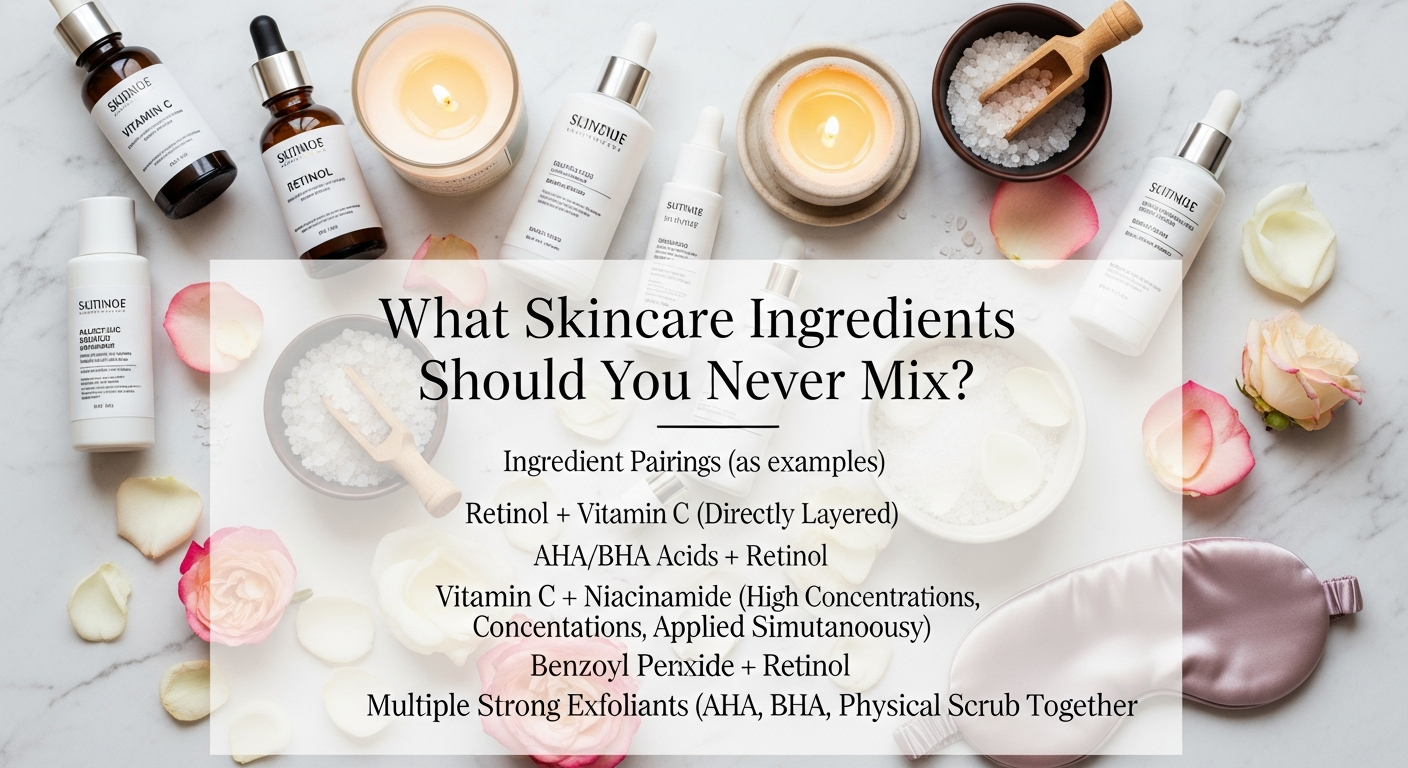
Navigating the world of active skincare ingredients can feel like walking a tightrope. While many ingredients offer incredible benefits individually, their combined use can lead to irritation, reduced efficacy, or even damage. Understanding which ingredients should never mix is paramount for anyone serious about their skin health. Here, we delve into the most common and critical ingredient combinations to avoid, explaining why they clash and what you can do instead.
1. Retinoids (Retinol, Tretinoin, Retinaldehyde) and AHAs/BHAs (Glycolic Acid, Lactic Acid, Salicylic Acid)
This is arguably the most well-known and crucial combination to avoid for most skin types, especially sensitive ones. Retinoids are powerful derivatives of Vitamin A, renowned for their ability to accelerate cell turnover, stimulate collagen production, and improve the appearance of fine lines, wrinkles, acne, and hyperpigmentation. They are potent exfoliants in their own right, promoting the shedding of dead skin cells and revealing fresher, smoother skin underneath. AHAs (Alpha Hydroxy Acids) like glycolic and lactic acid, and BHAs (Beta Hydroxy Acids) such as salicylic acid, are also chemical exfoliants that work by dissolving the bonds between dead skin cells, helping to resurface the skin and unclog pores.
Why they conflict: The primary issue here is over-exfoliation and irritation. Both ingredient categories are highly effective exfoliants. When used together, they can lead to an excessive removal of the skin’s protective outer layer. This compromises the skin barrier, making it vulnerable to moisture loss, environmental aggressors, and increased sensitivity. The skin can become excessively dry, red, flaky, itchy, and even painful. Furthermore, retinoids can increase skin sensitivity to the sun, and combining them with other strong exfoliants exacerbates this risk, potentially leading to sunburn or increased hyperpigmentation if proper sun protection isn’t rigorously applied.
Potential Side Effects: Severe redness, excessive peeling and flaking, burning sensation, heightened sensitivity, dryness, compromised skin barrier, increased risk of sun damage, and even breakouts due to irritation.
Best Practice: The safest approach is to use these ingredients on alternating nights. For example, use your AHA/BHA product on Monday, Wednesday, and Friday nights, and your retinoid product on Tuesday, Thursday, and Saturday nights, leaving Sunday as a recovery night with only hydrating and barrier-repairing ingredients. Alternatively, you can use your AHA/BHA in the morning (always followed by SPF) and your retinoid at night. If you have very sensitive skin, consider using one category consistently for a period before introducing the other, or opt for milder forms of each, such as a low-concentration lactic acid and a gentle retinol ester. Always introduce new actives slowly and observe your skin’s reaction, a crucial step in creating a personalized and effective self-care routine.
2. Retinoids and Benzoyl Peroxide
Benzoyl peroxide is a highly effective ingredient primarily used in acne treatment, known for its ability to kill acne-causing bacteria and reduce inflammation. Retinoids, particularly prescription-strength tretinoin, are also powerful in treating acne by regulating cell turnover and preventing clogged pores.
Why they conflict: The core problem with this combination is that benzoyl peroxide is an oxidizing agent. It can actually deactivate and destabilize many forms of retinoids, especially tretinoin, rendering them less effective. Beyond the efficacy issue, both ingredients are inherently drying and can cause significant irritation, redness, and peeling when used individually. Combining them dramatically amplifies these side effects, leading to an overstressed and highly compromised skin barrier.
Potential Side Effects: Severe dryness, excessive peeling, intense redness, irritation, burning sensation, and reduced efficacy of the retinoid.
Best Practice: To effectively treat acne without adverse reactions, it’s best to separate these two powerful ingredients. A common recommendation is to use benzoyl peroxide in the morning (e.g., as a spot treatment or in a cleanser) and your retinoid at night. This allows each ingredient to work without interfering with the other, minimizing irritation. If both are essential parts of your acne treatment plan, consult with a dermatologist who can advise on specific product formulations or prescribing a retinoid that is more stable in the presence of benzoyl peroxide (like adapalene, which is more resistant to oxidation). Remember, patience and consistency are key, much like the commitment required to embrace what is slow fashion and why it matters.
3. Vitamin C (L-Ascorbic Acid) and AHAs/BHAs
Vitamin C, especially in its pure form (L-Ascorbic Acid), is a revered antioxidant and skin brightener, crucial for collagen synthesis and protecting against environmental damage. AHAs and BHAs are chemical exfoliants that resurface the skin.
Why they conflict: The primary concern here revolves around pH levels. L-Ascorbic Acid is most stable and effective at a low pH (typically below 3.5). AHAs and BHAs also work at low pH levels. While this might seem compatible, using them together can potentially destabilize the Vitamin C, reducing its efficacy as an antioxidant. More importantly, the combination can lead to significant irritation and redness, as both are potent actives that can lower the skin’s pH to an uncomfortable degree, leading to over-exfoliation and barrier compromise. Some argue that modern, stable formulations of Vitamin C and acids can coexist, but for sensitive skin types, or if unsure, it’s generally safer to separate them.
Potential Side Effects: Irritation, redness, stinging, potential reduction in Vitamin C efficacy, and compromised skin barrier.
Best Practice: The most common and recommended approach is to use your Vitamin C serum in the morning. Its antioxidant properties are excellent for protecting the skin against environmental stressors encountered throughout the day. Follow it with a broad-spectrum SPF. Save your AHA/BHA products for your evening routine. This separation allows each ingredient to work optimally at its desired pH without causing undue stress to your skin. If you wish to use them closer together, ensure a waiting period of at least 15-30 minutes between applications, or look for expertly formulated products that combine them safely.
4. Vitamin C (L-Ascorbic Acid) and Niacinamide (Vitamin B3)
This combination has been a long-standing source of debate in the skincare community, though modern science has largely clarified the issue. Vitamin C is a powerful antioxidant and brightening agent. Niacinamide is a versatile ingredient that helps with barrier function, reduces inflammation, minimizes pore appearance, and evens skin tone.
Why they conflict (historical context): The concern originated from older studies in the 1960s, which suggested that L-Ascorbic Acid and Niacinamide, when combined at high temperatures, could react to form nicotinic acid, leading to redness and flushing. It was also believed that niacinamide could reduce the efficacy of L-Ascorbic Acid. However, these studies were conducted under extreme conditions (high heat, pure forms of ingredients in non-cosmetic solutions) that are not representative of modern skincare formulations or typical usage.
Modern Understanding: Contemporary research and advanced formulations have shown that L-Ascorbic Acid and Niacinamide can generally be used together safely and effectively, especially when formulated by reputable brands. Most modern skincare products are stable and buffered, preventing the adverse reactions seen in older studies. In fact, some studies suggest that when properly formulated, they can even offer synergistic benefits, with niacinamide potentially helping to stabilize Vitamin C.
Potential Side Effects (if any, typically due to sensitivity or poor formulation): Mild redness, flushing, itching, or irritation, primarily in individuals with highly sensitive skin or when using poorly formulated products. A reduction in efficacy of either ingredient is rare with modern formulations.
Best Practice: For the vast majority of people, using these ingredients together in well-formulated products is perfectly fine. If you have particularly sensitive skin or are concerned, you can separate them: use Vitamin C in the morning for antioxidant protection and Niacinamide in the evening for barrier support and soothing benefits. Alternatively, apply one, wait 15-30 minutes for it to absorb and the skin’s pH to rebalance, then apply the other. Always patch test new combinations to ensure your skin tolerates them well. Trusting your skin’s feedback is a vital component of how to create a self-care routine that truly works for you.
5. Multiple Acids (e.g., Glycolic Acid + Salicylic Acid + Lactic Acid)
While often grouped as “acids,” AHAs and BHAs have distinct mechanisms and target different skin concerns. AHAs are water-soluble and work on the skin’s surface, ideal for surface exfoliation and improving texture. BHAs are oil-soluble, penetrating deeper into pores, making them excellent for acne-prone skin. Many products combine two or more acids, which can be effective when expertly formulated.
Why they conflict (when used separately but simultaneously in a routine): The danger arises when individuals layer multiple single-acid products or use very strong acid formulations from different brands in one routine. This leads to an overwhelming amount of chemical exfoliation. Each acid, even at a moderate concentration, contributes to lowering the skin’s pH and dissolving dead skin cells. Combining several can strip the skin of its natural oils, damage the lipid barrier, and leave it severely compromised.
Potential Side Effects: Extreme dryness, redness, burning, stinging, increased sensitivity, peeling, flaking, a compromised skin barrier, and potentially even increased breakouts as the skin tries to overcompensate for the damage.
Best Practice: Simplicity is key here. Choose one primary acid product to use in your routine, or opt for a product that is expertly formulated with a blend of acids in appropriate concentrations. If you feel the need for different types of acids, consider using them on alternating nights (e.g., AHA one night, BHA the next) or targeting different areas of the face (e.g., BHA on the T-zone for oiliness, AHA on drier cheeks for texture). Pay close attention to the total concentration of acids in your routine. Less is often more when it comes to potent exfoliants. Building a resilient skin barrier is a core component of overall skin wellness, much like building resilience when learning how to cope with anxiety at work.
6. Physical Exfoliants and Chemical Exfoliants (AHAs/BHAs)
Physical exfoliants include scrubs with granules (sugar, salt, beads, crushed nuts), cleansing brushes, or dermaplaning tools. Chemical exfoliants, as discussed, are AHAs and BHAs.
Why they conflict: This combination represents a double assault on the skin barrier. Chemical exfoliants are designed to gently dissolve dead skin cells. Physical exfoliants achieve a similar goal through manual abrasion. Using both simultaneously or even on consecutive days can lead to severe over-exfoliation. Physical scrubs, especially those with harsh or irregularly shaped particles, can create microscopic tears in the skin, weakening its integrity. Layering this with chemical exfoliation significantly increases the risk of irritation, inflammation, and barrier damage.
Potential Side Effects: Redness, burning, stinging, micro-tears, inflammation, extreme sensitivity, compromised skin barrier, and potential worsening of skin conditions like acne or rosacea.
Best Practice: Choose one method of exfoliation and stick to it, or alternate judiciously. If you prefer chemical exfoliation, incorporate an AHA or BHA serum or toner into your routine a few times a week. If you prefer physical exfoliation, opt for gentle options (e.g., a mild enzyme scrub or a very soft brush) and use it sparingly, perhaps once a week. Never use a harsh physical scrub and a strong chemical exfoliant on the same day. Allow your skin ample recovery time between exfoliation sessions. A gentle approach is always best to maintain a healthy and robust skin barrier, a cornerstone of effective self-care.
7. High Concentrations of Actives Without Proper Buffering/Hydration
While not a direct ingredient “mix” in the traditional sense, a common mistake is to overload the skin with multiple high-concentration active ingredients without providing adequate hydration, soothing, and barrier support. This often happens when individuals are eager to see results and layer several potent serums or treatments back-to-back.
Why it conflicts: Active ingredients like retinoids, strong acids, or high-percentage Vitamin C can be sensitizing and drying. When the skin is constantly exposed to these powerful ingredients without sufficient moisture and barrier-repairing components (like ceramides, hyaluronic acid, fatty acids), its natural protective barrier can become depleted and compromised. This creates a vicious cycle of irritation, making the skin even more reactive to the actives it’s trying to benefit from.
Potential Side Effects: Chronic dryness, persistent redness, flakiness, tightness, increased sensitivity to all products, impaired skin barrier, and a higher likelihood of experiencing adverse reactions even from ingredients that would normally be well-tolerated. This can lead to persistent skin issues, adding unnecessary stress, much like the mental burden of unmanaged anxiety at work.
Best Practice: Always balance your active ingredients with plenty of hydrating and barrier-supporting products. This means incorporating hydrating toners, serums rich in hyaluronic acid, glycerin, or polyglutamic acid, and a robust moisturizer containing ceramides, cholesterol, and fatty acids. Consider the “sandwich method” when using strong retinoids: apply a thin layer of moisturizer first, then the retinoid, then another layer of moisturizer. Introduce new actives slowly, one at a time, and allow your skin to adjust. Don’t underestimate the power of a simple, nourishing moisturizer in maintaining skin health and allowing your potent actives to work effectively without causing irritation. This thoughtful, balanced approach is a hallmark of a truly effective self-care routine.
The Art of Layering: How to Safely Introduce Potent Ingredients
- General Rule: Thinnest to Thickest, Water-Based to Oil-Based: This timeless principle is your guiding star. Start with your lightest, most watery products (toners, essences), move to serums (often gel-like or slightly viscous), then lotions, and finally creams or oils. This ensures that lighter products can penetrate effectively before being sealed in by heavier ones.
- AM vs. PM Routines: This is where strategic separation of conflicting ingredients primarily happens.
- Morning: Focus on protection. This is the ideal time for antioxidants like Vitamin C to combat free radicals, followed by a broad-spectrum SPF to shield against UV damage. If using a milder acid, ensure it’s well-tolerated and always followed by SPF.
- Evening: Focus on repair and treatment. This is the prime time for retinoids, stronger chemical exfoliants (AHAs/BHAs), and other targeted treatments as your skin goes into repair mode while you sleep.
- The “Wait Time” Debate: While some dermatologists advocate for waiting 15-30 minutes between applying active ingredients to allow pH levels to rebalance, for most well-formulated products, a minute or two for absorption is sufficient. However, if you have sensitive skin or are using particularly potent actives, a longer wait time can reduce the risk of irritation. Trust your skin’s feedback.
- Patch Testing: Your Skincare Insurance: Before introducing any new product or combination to your entire face, always perform a patch test. Apply a small amount to an inconspicuous area (like behind your ear or on your inner forearm) for a few days to check for redness, itching, or irritation. This simple step is invaluable for preventing widespread reactions and is a non-negotiable part of a responsible self-care routine.
- Introducing Actives Slowly: Resist the urge to use a new active every day from the start. Begin by incorporating a new product 2-3 times a week, gradually increasing frequency as your skin builds tolerance. This slow introduction minimizes shock to the skin and helps identify potential sensitivities.
- Skin Cycling: This popular method involves rotating your active ingredients over a few nights, followed by recovery nights, to optimize results and minimize irritation. A typical cycle might be: Night 1 (Exfoliation), Night 2 (Retinoid), Night 3 & 4 (Recovery/Hydration). This structured approach allows your skin to benefit from potent ingredients while also getting essential time to repair and rebuild its barrier, making it a sustainable practice for long-term skin health. It’s a mindful way to approach skincare, preventing overload and promoting resilience.
By thoughtfully structuring your routine and understanding how to layer, you transform your skincare from a haphazard application to a deliberate, effective ritual. This mindful approach to product application is a cornerstone of how to create a self-care routine that truly supports your well-being, both inside and out.
Listening to Your Skin: The Ultimate Self-Care Compass
Your skin is an incredible organ, constantly communicating with you. Learning to interpret its signals is perhaps the most powerful self-care tool you can develop for your skincare journey. Just as you learn to recognize the early signs of stress when learning how to cope with anxiety at work, becoming attuned to your skin’s responses can prevent minor irritations from escalating into significant problems.
Signs Your Skin is Struggling:
- Persistent Redness: A little flush after an active isn’t uncommon, but if redness lingers for hours or days, it’s a sign of inflammation.
- Stinging or Burning: While some actives might cause a slight tingle, a persistent stinging or burning sensation is a clear indicator of irritation.
- Excessive Dryness and Flaking: Beyond mild exfoliation, severe dryness, tightness, and widespread flaking mean your skin barrier is compromised.
- New Breakouts: Sometimes, irritation can manifest as new breakouts, especially if your barrier is weakened, making it easier for bacteria to proliferate.
- Increased Sensitivity: Products you once tolerated might suddenly cause discomfort. This is your skin telling you it’s overwhelmed.
- Itchiness: A sign of inflammation and potential allergic reaction.
What to Do When Your Skin Reacts:
- Pause Actives: Immediately stop using all strong active ingredients (retinoids, AHAs/BHAs, potent Vitamin C).
- Simplify Your Routine: Revert to a basic, gentle routine. Focus on cleansing with a mild, hydrating cleanser, and moisturizing with a rich, barrier-repairing cream (look for ceramides, hyaluronic acid, cholesterol).
- Soothe and Hydrate: Incorporate calming ingredients like centella asiatica (Cica), colloidal oatmeal, aloe vera, or panthenol. Use hydrating toners and serums.
- Sun Protection: Be extra diligent with broad-spectrum SPF 30+ every single day, as compromised skin is more vulnerable to sun damage.
- Patience: Give your skin time to recover. This might take several days or even weeks. Reintroduce actives one by one, very slowly, and at a lower frequency once your skin feels calm and healthy again.
This mindful observation and responsive action are not just about skincare; they are a profound act of self-care. By truly listening to your skin, you cultivate a deeper connection with your body and foster a greater sense of well-being. It’s about being present and attentive, creating a routine that adapts to your body’s needs, rather than rigidly adhering to a prescribed regimen.
Beyond the Bottle: A Holistic Approach to Skin Wellness
At Sometimes Daily, we believe that true self-care extends far beyond the products you apply to your skin. While knowing what skincare ingredients should you never mix is vital, skin wellness is intricately linked to your overall lifestyle, reflecting your internal state, much like the broader commitment to sustainable living that underpins what is slow fashion and why it matters. A holistic approach acknowledges that glowing skin is often a mirror of a balanced life.
- Nutrition is Key: What you put into your body directly impacts your skin. A diet rich in antioxidants (from fruits and vegetables), healthy fats (omega-3s from fish, nuts, seeds), and plenty of water will nourish your skin from within. Reduce processed foods, excessive sugar, and inflammatory triggers that can exacerbate skin issues.
- The Power of Sleep: Your body, including your skin, repairs and regenerates most effectively during sleep. Aim for 7-9 hours of quality sleep each night. Lack of sleep can lead to dullness, exacerbated fine lines, and impaired barrier function. Prioritizing rest is a fundamental step in how to create a self-care routine that truly recharges you.
- Stress Management: Chronic stress can wreak havoc on your skin, triggering inflammatory conditions like acne, eczema, and psoriasis. Practices such as meditation, yoga, deep breathing exercises, spending time in nature, or engaging in hobbies you love can significantly reduce stress levels. Learning how to cope with anxiety at work by incorporating regular breaks and mindfulness can also translate to clearer, calmer skin.
- Mindful Consumption: Just as the philosophy of slow fashion encourages thoughtful choices about clothing – quality over quantity, ethical production, longevity – apply this to your skincare. Choose products with effective, well-researched ingredients from brands committed to transparency. Avoid impulse purchases based on fleeting trends. A curated, effective routine with fewer, well-chosen products can be far more beneficial and sustainable than a cabinet full of unneeded items. This aligns perfectly with the Sometimes Daily ethos: consistency and mindful action, not endless consumption.
- Exercise Regularly: Physical activity boosts circulation, delivering oxygen and nutrients to skin cells and helping to flush out toxins. Just be sure to cleanse your skin thoroughly after workouts to prevent sweat and bacteria from causing breakouts.
Embracing these lifestyle pillars alongside a smart, informed skincare routine creates a powerful synergy for long-term skin health and overall well-being. It’s about nurturing yourself from all angles, understanding that every choice, big or small, contributes to your radiance in 2026 and beyond.
When in Doubt: Seeking Expert Guidance
While this guide provides comprehensive information on what skincare ingredients should you never mix, there are times when personalized, professional advice is invaluable. Your skin is unique, and sometimes, navigating complex conditions or product interactions requires the expertise of a trained professional.
When to Consult a Dermatologist:
- Persistent Skin Issues: If you’re struggling with chronic acne, rosacea, eczema, severe dryness, or unexplained irritation that doesn’t improve with basic care and ingredient adjustments, a dermatologist can diagnose the underlying cause and prescribe targeted treatments.
- Prescription-Strength Actives: When considering prescription retinoids (like tretinoin), stronger chemical peels, or other potent medications, a dermatologist’s guidance is essential to ensure safe and effective use, managing potential side effects.
- Allergic Reactions: If you suspect an allergic reaction to a skincare product, a dermatologist can perform patch testing to identify the specific allergen.
- Compromised Skin Barrier: If your skin barrier is severely damaged (e.g., constant burning, extreme sensitivity, persistent redness), a dermatologist can provide a recovery plan to restore its health.
- Specific Skin Conditions: For conditions like melasma, vitiligo, or suspicious moles, a dermatologist is the definitive expert for diagnosis and treatment.
- Uncertainty About Ingredient Mixing: If you have a specific combination of ingredients you’re unsure about, especially if you have sensitive or reactive skin, a dermatologist can offer tailored advice based on your skin type and concerns.
A dermatologist can help you build a safe, effective, and sustainable skincare routine, clarifying ingredient interactions and recommending products that are best suited for your individual needs. Investing in professional advice is a wise decision for your
Recommended Resources
You might also enjoy How To Style Gold Jewelry Guide from Fashion Goggled.
Learn more about this topic in How To Start Working Out At Home For Women Beginners at The Contextual Life.