

Laying the Groundwork: Organization and Preparation for a Smooth Start
The transition from summer freedom to structured school days can be jarring without adequate preparation. A smooth start to the 2026 school year begins with thoughtful organization and a proactive approach to logistics. Think of it as creating a stable launchpad from which your child can confidently embark on their educational adventures.
Creating a Conducive Learning Environment
- Dedicated Study Space: Designate a specific area in your home for homework and studying. This doesn’t need to be a grand office; a quiet corner with good lighting, a comfortable chair, and a clean surface is often sufficient. Ensure it’s free from major distractions like televisions or high-traffic areas. Involving your child in setting up and decorating this space can increase their ownership and motivation to use it.
- Organized Supplies: Before the first day, gather all necessary school supplies. Check the school’s list carefully. Stock up on basics like pencils, paper, notebooks, and art supplies. Having everything readily available prevents last-minute scrambles and fosters a sense of preparedness. Teach your child how to organize their backpack and desk at home, instilling good habits early on.
- Digital Readiness: For many schools in 2026, technology is an integral part of learning. Ensure your child has access to a reliable computer or tablet if required, and that they understand basic online safety and digital etiquette. Set up any necessary school portals or communication apps well in advance.
Establishing Consistent Routines
- Sleep Schedule Adjustment: Begin shifting your child’s sleep schedule back to school-year hours at least two weeks before school starts. Gradually move bedtime earlier and wake-up time earlier by 15-minute increments each day. Adequate sleep is crucial for concentration, mood regulation, and overall health. Aim for the recommended hours of sleep for their age group.
- Morning Routine Practice: Practice the morning routine a few times before school officially starts. This includes waking up, getting dressed, eating breakfast, and packing their bag. A smooth morning reduces stress for everyone and ensures your child arrives at school feeling calm and ready.
- After-School Structure: Plan out after-school activities, homework time, and free play. While flexibility is good, a general framework helps children know what to expect and manage their time effectively. This also provides opportunities for them to unwind and recharge, just as adults need time to relax and remember to Treat Yourself: No One Loves You Like You Do after a long day.
Logistical Preparedness and Health Checks
- Transportation Plan: Confirm transportation arrangements – bus routes, carpool schedules, or walking paths. Practice the route if your child is walking or biking for the first time.
- Health Appointments: Schedule any necessary physicals, vision, or dental check-ups before school begins. Ensure immunizations are up-to-date. Inform the school of any allergies, medical conditions, or necessary medications.
- Emergency Contacts: Update all emergency contact information with the school and ensure your child knows who to contact in an emergency.
- Meal Planning: Discuss lunch options – packed lunches or school cafeteria meals. If packing, involve your child in choosing healthy, appealing options. This helps them feel more invested and encourages good eating habits.
By investing time in these organizational steps, you’re not just preparing for school; you’re teaching your child valuable life skills in planning, responsibility, and self-management. This foundational preparedness significantly reduces stress and sets a positive tone for the entire academic year.
Cultivating a Positive Mindset and Emotional Resilience

A child’s emotional well-being is as critical as their academic readiness for a successful school year. Fostering a positive mindset and building emotional resilience equips them to navigate the social and academic challenges they will inevitably face in 2026 and beyond.
Open Communication and Active Listening
- Encourage Sharing: Create a safe space where your child feels comfortable discussing their feelings, concerns, and triumphs. Ask open-ended questions like, “What was the best part of your day?” or “What was something challenging you faced?” rather than simple yes/no questions.
- Validate Emotions: When your child expresses anxiety, frustration, or sadness, acknowledge their feelings without judgment. Phrases like, “It sounds like you’re feeling a bit worried about making new friends, and that’s a very normal feeling,” can be incredibly validating. Avoid dismissing their concerns, even if they seem small to you.
- Talk About Expectations: Discuss what to expect at school – new teachers, new classmates, different routines. Normalize feelings of nervousness or excitement. Reassure them that it’s okay to feel a range of emotions.
Building Confidence and Self-Esteem
- Focus on Effort, Not Just Outcome: Praise your child’s hard work, perseverance, and attempts, regardless of the final result. This teaches them the value of effort and resilience. For example, “I’m so proud of how hard you studied for that test, even if it was tough,” rather than solely focusing on the grade.
- Celebrate Small Wins: Acknowledge and celebrate small achievements, whether it’s mastering a new concept, making a new friend, or successfully completing a challenging task. These small victories build momentum and self-belief.
- Encourage Independence: Allow your child to take age-appropriate responsibility for their belongings, homework, and choices. This fosters a sense of capability and self-reliance. Let them solve problems on their own first, offering guidance rather than solutions.
Managing Anxiety and Stress
- Teach Coping Mechanisms: Introduce simple stress-relief techniques like deep breathing exercises, counting to ten, or taking a short break when feeling overwhelmed. Practice these together.
- Normalize Feelings: Help your child understand that everyone experiences stress or anxiety sometimes, even adults. Share age-appropriate examples of how you manage your own stress, perhaps drawing inspiration from How To Look After Your Mental Health.
- Problem-Solving Skills: Instead of immediately solving problems for them, guide your child through a problem-solving process. Ask, “What do you think you could do about this?” or “What are some options?” This empowers them to find solutions and builds their resilience.
Fostering Social Skills
- Role-Playing: Practice social scenarios, like introducing themselves, asking someone to play, or handling disagreements. This can reduce anxiety in real-life situations.
- Empathy Development: Encourage your child to consider others’ feelings and perspectives. Discuss characters in books or situations you observe, asking, “How do you think they feel?”
- Encourage Friendships: Facilitate opportunities for your child to connect with classmates outside of school, if appropriate. Playdates or group activities can help solidify friendships and build social confidence.
By prioritizing emotional intelligence and resilience, you’re not just preparing your child for the school year; you’re equipping them with essential life skills that will serve them well beyond the classroom. A child who feels secure, understood, and capable is far more likely to embrace learning and overcome obstacles.
Forging Strong Home-School Partnerships
Proactive Engagement with the School Community
- Attend Orientation and Open House: Make an effort to attend school orientation, open house, or “meet the teacher” events. This is your first opportunity to put a face to a name, understand classroom expectations, and show your child that you are invested in their school life.
- Introduce Yourself to Teachers: A brief, friendly introduction at the beginning of the year can set a positive tone. Let teachers know you’re eager to partner with them and are available to support your child’s learning.
- Understand Communication Channels: Ask teachers or the school office about their preferred methods of communication (email, school app, phone calls, parent-teacher conferences). Knowing how and when to reach out ensures timely and effective communication.
Staying Informed and Involved
- Regularly Check School Communications: Read school newsletters, emails, and website updates. These often contain important dates, policy changes, and information about school events.
- Review Homework and Assignments: Show interest in your child’s homework. This doesn’t mean doing it for them, but rather providing a quiet space, asking if they need help, and reviewing completed work. This reinforces the importance of academic responsibility.
- Volunteer (If Possible): If your schedule allows, consider volunteering in the classroom, on field trips, or with school events. This gives you a firsthand look into the school environment and allows you to build relationships with staff and other parents. Even a small contribution of time can make a difference.
Effective Communication with Teachers and Staff
- Address Concerns Respectfully and Promptly: If you have a concern, communicate it directly to the teacher in a calm and constructive manner. Avoid approaching them during busy drop-off or pick-up times; schedule a meeting or send a polite email.
- Share Relevant Information: Inform the teacher about significant changes at home that might affect your child’s behavior or academic performance (e.g., family illness, new sibling, moving). This context can help the teacher better understand and support your child.
- Be a Partner, Not an Adversary: Remember that teachers are professionals dedicated to your child’s education. Approach discussions with a collaborative mindset, seeking solutions together.
- Advocate for Your Child: Understand your child’s rights and the resources available at school, especially if they have special learning needs or require additional support. Don’t hesitate to advocate for their best interests.
By actively engaging with your child’s school, you create a powerful support system. This partnership not only benefits your child’s academic progress but also reinforces the message that education is valued and that their well-being is a shared priority. A strong home-school connection helps bridge any gaps, ensuring your child feels supported from all angles.
Nurturing Healthy Habits and Self-Care for Optimal Performance
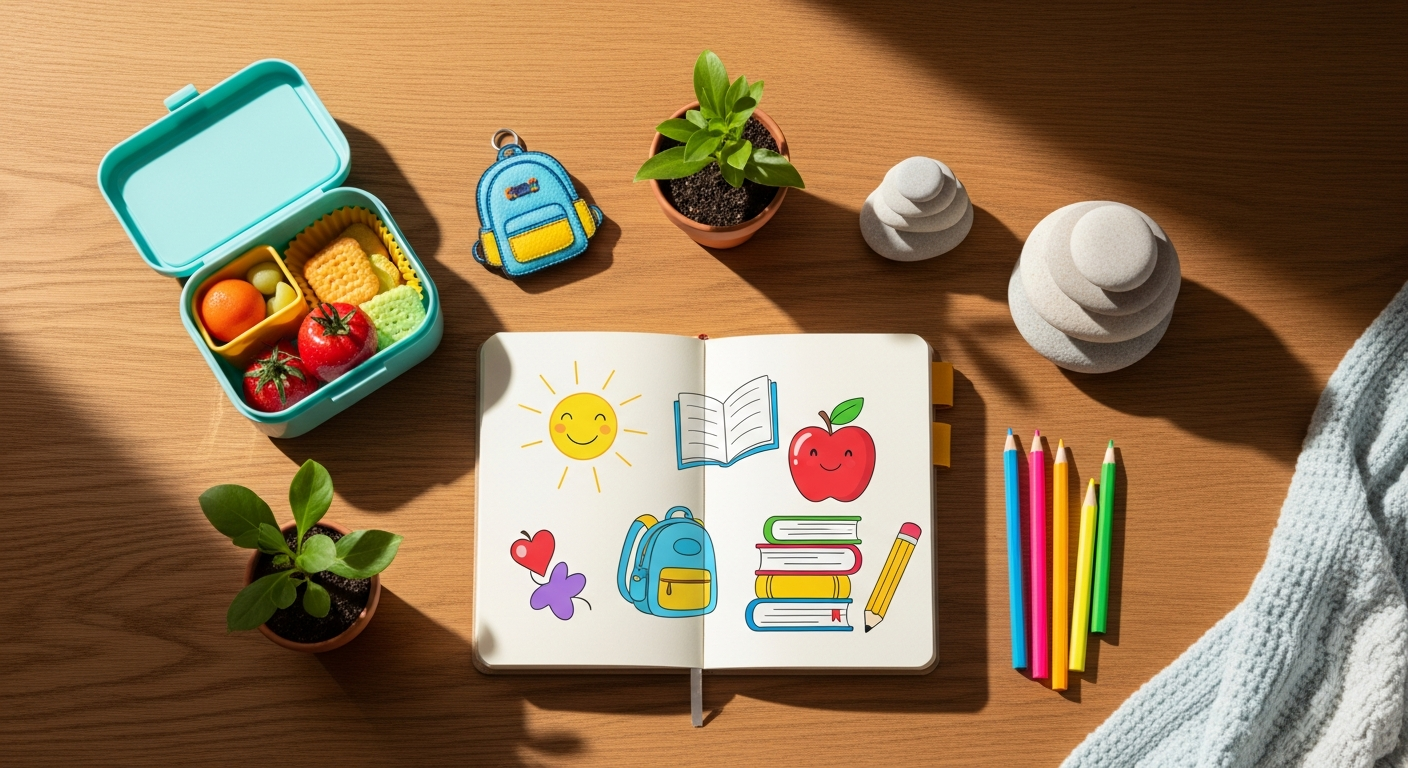
A great school year isn’t solely about academics; it’s deeply intertwined with a child’s overall health and well-being. Just as adults benefit from prioritizing self-care — as we often discuss in articles like Treat Yourself: No One Loves You Like You Do — children need a foundation of healthy habits to sustain their energy, focus, and mood throughout the demanding school year of 2026.
Prioritizing Sleep Hygiene
- Consistent Bedtime and Wake-Up Time: This is arguably the most crucial habit. Stick to a consistent sleep schedule seven days a week, even on weekends, to regulate your child’s internal body clock.
- Create a Relaxing Bedtime Routine: Wind-down activities like a warm bath, reading a book, or quiet conversation can signal to the body that it’s time to sleep.
- Screen-Free Zone: Remove all screens (phones, tablets, TVs) from the bedroom at least an hour before bedtime. The blue light emitted by devices can disrupt melatonin production, making it harder to fall asleep.
- Optimal Sleep Environment: Ensure the bedroom is dark, quiet, and cool.
Balanced Nutrition and Hydration
- Nutritious Breakfast: Never skip breakfast! A healthy meal in the morning provides the necessary fuel for concentration and energy throughout the first part of the school day. Think whole grains, protein, and fruit.
- Healthy Packed Lunches: If packing lunches, aim for a balance of protein, complex carbohydrates, fruits, and vegetables. Involve your child in the process of choosing and preparing their lunch to increase their likelihood of eating it. Avoid excessive sugary snacks and drinks.
- Hydration is Key: Encourage your child to drink plenty of water throughout the day. Send a reusable water bottle to school and remind them to refill it. Dehydration can lead to fatigue and difficulty concentrating.
- Limit Processed Foods and Sugary Drinks: These can lead to energy crashes and negatively impact focus and mood.
Regular Physical Activity
- Daily Movement: Children need at least 60 minutes of moderate to vigorous physical activity each day. This can be structured (sports, dance) or unstructured (outdoor play, riding bikes).
- Recess and Playtime: Encourage your child to make the most of recess. Physical activity helps release pent-up energy, improves mood, and enhances cognitive function.
- Balance Screen Time: Set clear limits on screen time and ensure there’s a healthy balance with active play and other hobbies. This is a critical aspect of modern self-care for kids.
Teaching Personal Hygiene and Self-Care Practices
- Handwashing: Reinforce good handwashing habits, especially before eating and after using the restroom or coming home from school.
- Personal Grooming: Encourage daily showering/bathing, brushing teeth, and clean clothes. These contribute to feeling fresh, confident, and healthy.
- Downtime and Hobbies: Just like adults need time to unwind, children need unstructured time to pursue hobbies, read for pleasure, or simply relax. This downtime is essential for mental processing and stress reduction, mirroring the importance of self-care for adults.
By instilling these healthy habits, you’re not just preparing your child for a great school year; you’re teaching them invaluable self-care practices that will contribute to their long-term health and well-being. A well-rested, well-fed, and active child is better equipped to learn, adapt, and thrive in any environment.
Empowering Learning and Fostering Intellectual Curiosity
Beyond the rote memorization of facts, a truly great school year for 2026 involves igniting a child’s natural curiosity and empowering them to become lifelong learners. When learning is enjoyable and relevant, children are more engaged, resilient, and successful.
Creating a Learning-Rich Home Environment
- Books, Books, Books: Ensure your home is filled with age-appropriate books, magazines, and other reading materials. Make regular trips to the library a family activity.
- Read Together Daily: Even for older children, reading aloud or silently together can be a powerful bonding experience and a way to model good reading habits. Discuss the stories, characters, and ideas.
- Engage in Conversations: Talk about current events, interesting facts, or things you’ve learned. Ask your child about their opinions and encourage them to articulate their thoughts.
- Games and Puzzles: Incorporate educational games, board games, and puzzles into family time. These can enhance critical thinking, problem-solving, and strategic skills in a fun way.
Making Learning Fun and Relevant
- Hands-on Exploration: Support learning through real-world experiences. Visit museums, science centers, historical sites, or even local parks to connect classroom concepts to tangible experiences. Cook together, garden, or build things.
- Encourage Questions and Exploration: Foster a sense of wonder. When your child asks “why” or “how,” encourage them to seek answers. Guide them to resources like books, documentaries, or reliable websites.
- Embrace Mistakes as Learning Opportunities: Help your child understand that making mistakes is a natural and necessary part of learning. Rather than focusing on failure, discuss what can be learned from errors and how to approach challenges differently next time. This builds a crucial growth mindset.
- Connect Learning to Interests: If your child loves dinosaurs, find books or documentaries about paleontology. If they love space, explore astronomy. Tying academic concepts to their passions makes learning more engaging.
Supporting Academic Growth and Balance
- Homework Support, Not Completion: Be available to help with homework, but resist the urge to do it for them. Guide them through difficult concepts, help them break down tasks, and encourage them to seek help from their teacher if truly stuck.
- Time Management Skills: Help your child develop a system for managing assignments and projects. A planner or a family calendar can be useful tools. Teach them to break large tasks into smaller, manageable steps.
- Explore Extracurricular Activities: Encourage participation in activities that align with your child’s interests, whether it’s sports, music, art, debate club, or coding. These activities can build confidence, social skills, and provide a healthy outlet, but be mindful not to overschedule. Balance is key.
- Regular Check-ins: Periodically check in with your child about their academic progress and how they feel about their classes. This proactive approach can help identify potential struggles early on.
By fostering a love for learning, creating an environment that sparks curiosity, and providing supportive guidance, you’re setting your child up for more than just good grades in 2026. You’re nurturing an intrinsic motivation to learn and grow, which is the most valuable gift you can give them for a lifetime of success and fulfillment.
Navigating Challenges and Promoting Resilience
No school year is entirely without its bumps in the road. Children, like adults, will face academic difficulties, social struggles, and emotional setbacks. A crucial part of ensuring a great school year in 2026 is equipping your child with the tools to navigate these challenges and emerge stronger — building resilience that will serve them throughout life.
Addressing Academic Struggles Proactively
- Recognize Warning Signs: Pay attention to changes in homework habits, declining grades, increased frustration with schoolwork, or a sudden disinterest in subjects they once enjoyed.
- Communicate with Teachers: If you suspect your child is struggling, reach out to their teacher promptly. They can offer insights, suggest strategies, or recommend school resources like tutoring or learning support specialists.
- Identify the Root Cause: Is it a specific concept they don’t understand? A learning difference? A lack of organization? Work with the teacher and your child to pinpoint the core issue.
- Seek Additional Support: Don’t hesitate to consider external resources like tutors, educational therapists, or specialized programs if needed. Early intervention is often key.
- Focus on Progress, Not Perfection: Reassure your child that struggling is a part of learning. Celebrate improvements and effort, reinforcing a growth mindset.
Handling Social Challenges and Peer Relationships
- Open Dialogue About Friendships: Talk regularly about their friends, who they play with, and any social dynamics they’re experiencing. Listen for subtle cues of trouble.
- Coach Social Skills: Help your child develop skills like sharing, taking turns, compromising, conflict resolution, and empathy. Role-play scenarios can be very effective.
- Dealing with Exclusion or Conflict: Teach your child how to handle being left out or disagreements with friends. Empower them to speak up respectfully or to walk away if necessary. Reassure them that it’s okay not to be friends with everyone.
- Recognizing Bullying: Educate your child about what bullying looks like (physical, verbal, social, cyber) and empower them to report it to a trusted adult — you, a teacher, or another school staff member. Reassure them that it’s never their fault.
- Support and Reassurance: If your child is struggling socially, provide a safe space at home. Remind them of their positive qualities and help them understand that good friendships take time to develop.
Building Emotional Resilience and Problem-Solving
- Allow for Disappointment and Frustration: It’s natural for children to experience setbacks. Instead of immediately fixing everything, allow them to feel and process their emotions. Offer comfort and then guide them towards problem-solving.
- Teach Problem-Solving Steps: Encourage them to identify the problem, brainstorm solutions, evaluate the pros and cons of each, choose a solution, and then evaluate its effectiveness. This empowers them to take control.
- Model Resilience: Children learn by watching. When you face a challenge, talk aloud about your thought process for overcoming it. Show them how you manage stress, perhaps drawing from insights in How To Look After Your Mental Health.
- Encourage Hobbies and Interests: Having activities outside of school provides a sense of accomplishment and a healthy outlet for stress, building self-esteem that can buffer against school-related difficulties.
- Seek Professional Help When Needed: If challenges persist and significantly impact your child’s well-being, don’t hesitate to consult a school counselor, pediatrician, or child psychologist. Early intervention for mental health concerns is just as important as for physical health.
By actively supporting your child through their challenges and teaching them how to navigate difficulties, you’re not just helping them have a great school year in 2026. You’re instilling invaluable skills and a resilient mindset that will prepare them for a lifetime of learning, growth, and overcoming obstacles.
Parental Self-Care: Supporting Your Child by Supporting Yourself
It’s easy to pour all your energy into ensuring your child’s success, but remember the adage: you can’t pour from an empty cup. Your own well-being as a parent is inextricably linked to your child’s ability to thrive. Just as we advocate for self-care in articles like Treat Yourself: No One Loves You Like You Do, it’s essential for parents to prioritize their mental and physical health, especially during the demanding school year of 2026.
Managing Parental Stress and Overwhelm
- Recognize Your Limits: It’s okay to say no to extra commitments, to delegate tasks, or to ask for help. Trying to do it all leads to burnout, which benefits no one.
- Practice Mindfulness and Relaxation: Incorporate short mindfulness exercises, deep breathing, or meditation into your day. Even five minutes can make a difference in managing stress.
- Prioritize Sleep and Nutrition: Just like your child, you need adequate sleep and healthy food to function optimally. Make these non-negotiables for yourself.
- Schedule Downtime: Ensure you have time carved out for activities you enjoy, whether it’s reading, a hobby, or simply quiet reflection. This rejuvenates your spirit and helps you return to parenting with renewed energy.
Seeking and Accepting Support
- Connect with Other Parents: Share experiences, tips, and frustrations with other parents. Knowing you’re not alone can be incredibly validating and provide a sense of community. Parent groups, online forums, or even casual chats at school pick-up can be valuable.
- Lean on Your Support Network: Don’t be afraid to ask family, friends, or your partner for help with childcare, errands, or simply an empathetic ear.
- Maintain Your Relationships: Nurture your adult relationships. Spending quality time with your partner, perhaps on a Surefire Ways To Impress Your Partner On Date Night, helps maintain connection and provides a crucial emotional outlet that extends beyond parenting.
Modeling Healthy Behaviors
- Show, Don’t Just Tell: Your children learn more from observing your behavior than from listening to your lectures. If you want them to prioritize sleep, manage screens, and eat healthily, they need to see you doing the same.
- Demonstrate Resilience: When you face challenges, let your children see how you cope, problem-solve, and bounce back. This teaches them invaluable lessons in emotional strength.
- Express Your Feelings Appropriately: Show your children that it’s okay to feel a range of emotions and how to express them constructively. This fosters emotional literacy in the home.
By actively caring for yourself, you’re not just ensuring your own well-being; you’re becoming a more patient, present, and effective parent. You’re also teaching your child a vital lesson: that self-care is not selfish, but a necessary component of a healthy, balanced, and successful life. Your child having a great school year in 2026 starts with you being your best self.
Frequently Asked Questions
Recommended Resources
Related reading: Holiday Entertaining Tips (Rock Salt Plum).
For more on tips to ensure, see How To Look Put Together Every Day Tips on Fashion Goggled.