
The Invisible Dance: Understanding the Bi-Directional Relationship Between Pain and Mood
Imagine your body and mind as two intimately connected dancers. When one stumbles, the other is inevitably affected. This is the essence of the bi-directional relationship between pain and mood, a connection that is particularly pronounced and complex for women. It’s not simply that pain makes us feel sad or irritable; it’s a sophisticated interplay involving our nervous system, brain chemistry, and even our societal experiences.
At its core, pain is more than just a physical sensation; it’s an experience modulated by our brain. When you stub your toe, the initial signal is sent to the brain, but how intensely you perceive that pain, and how much it affects you, is heavily influenced by your current emotional state, past experiences, and even your expectations. If you’re already stressed, anxious, or feeling down, your brain’s alarm system might be on high alert, amplifying the pain signals and making them feel more overwhelming. This isn’t “all in your head” in a dismissive way; it’s a fundamental neurobiological reality where the emotional processing centers of the brain are deeply intertwined with the pain processing centers.
Conversely, persistent or severe pain can wreak havoc on our mood. Chronic pain, lasting for months or even years, often leads to a cascade of emotional challenges. It disrupts sleep, limits participation in enjoyable activities, and can create a sense of helplessness or loss of control. The constant bombardment of pain signals can deplete neurotransmitters like serotonin and norepinephrine, which are crucial for mood regulation. This depletion can contribute directly to feelings of depression, anxiety, and irritability. For women, this link can be even more pronounced. We often face unique pressures to be strong, to push through discomfort, and to prioritize others’ needs over our own. This can lead to a tendency to internalize pain, delaying seeking help, and allowing the emotional burden to fester and grow heavier over time. Understanding this invisible dance is the first step towards reclaiming control and finding strategies that address both sides of the equation.
It’s important to recognize that this isn’t a sign of weakness. Instead, it’s an acknowledgment of the incredible complexity of the human body and mind, and how intricately woven our physical sensations are with our emotional landscape. For women, who often juggle multiple roles and face unique physiological challenges, this understanding is not just theoretical – it’s crucial for our daily well-being and long-term health. The way we interpret and respond to pain is profoundly influenced by our mental state, and conversely, our persistent physical discomfort can be a powerful determinant of our emotional outlook. This intricate connection underscores the need for a holistic approach to health, one that values both the physical and the psychological equally.
Hormones, Cycles, and Chronic Conditions: Why Women Are Uniquely Affected

The female body is a symphony of hormonal fluctuations, from the monthly menstrual cycle to the transformative periods of pregnancy, perimenopause, and menopause. These hormonal shifts, particularly in estrogen and progesterone, play a significant role in modulating pain perception and mood regulation, often making women uniquely susceptible to the interplay between the two. Estrogen, for instance, has a complex relationship with serotonin, a key neurotransmitter impacting mood. Fluctuations can lead to changes in serotonin levels, potentially contributing to mood swings, anxiety, and depression, especially during times like premenstrual syndrome (PMS) or premenstrual dysphoric disorder (PMDD).
Consider the pain associated with menstruation itself. For many women, menstrual cramps are a monthly occurrence, ranging from mild discomfort to debilitating pain that impacts daily life. Conditions like endometriosis, where uterine-like tissue grows outside the uterus, can cause chronic pelvic pain, painful periods, and pain during intercourse. The constant, often misunderstood, nature of this pain can lead to significant emotional distress, including anxiety about future pain, depression due to limitations, and feelings of isolation. Similarly, fibromyalgia, a chronic condition characterized by widespread pain, fatigue, sleep problems, and mood issues, disproportionately affects women. The persistent pain and fatigue associated with fibromyalgia often lead to a heightened risk of depression and anxiety, creating a vicious cycle where mood exacerbates pain and vice-versa.
Beyond these, women are more prone to several other chronic pain conditions, including migraines, irritable bowel syndrome (IBS), and certain autoimmune diseases like rheumatoid arthritis. Each of these conditions carries its own burden of physical discomfort, but also a significant psychological toll. The unpredictability of migraines can foster anxiety, while the societal stigma surrounding conditions like IBS can lead to embarrassment and social withdrawal. During perimenopause and menopause, declining estrogen levels can not only increase the likelihood of hot flashes, sleep disturbances, and joint pain, but also intensify feelings of anxiety, irritability, and sadness. This confluence of physiological factors means that for women, managing pain often necessitates a keen awareness of hormonal influences and a comprehensive approach that addresses both physical and emotional symptoms.
The unique biological landscape of women, coupled with societal tendencies to sometimes dismiss or downplay women’s pain, creates a challenging environment. We are often expected to endure pain silently, to be “strong,” which can lead to delayed diagnoses and inadequate treatment. This can further entrench the link between pain and mood, making it harder to break free from the cycle. Recognizing these unique vulnerabilities is not about painting women as weaker, but rather empowering us to seek tailored care and advocate for our specific needs. Understanding how our hormones and predispositions impact our pain and mood is a powerful step towards taking control of our health journey in 2026 and beyond.
The Emotional Fallout: How Pain Manifests in Our Mood
Another prevalent emotional consequence is depression. Living with chronic pain can be profoundly isolating and disheartening. The inability to participate in activities we once loved, the struggle to maintain relationships, and the constant drain on our energy can lead to feelings of sadness, hopelessness, and a loss of interest in life. Sleep disturbances, a common companion to pain, further exacerbate depressive symptoms, creating a vicious cycle of fatigue and low mood. You might experience a pervasive sense of apathy, a lack of motivation, or even thoughts of worthlessness. For many women, this depression isn’t just a fleeting feeling; it can become a deep-seated emotional state that requires significant effort to overcome.
Beyond anxiety and depression, pain can also lead to increased irritability and frustration. When you’re constantly battling discomfort, your patience wears thin, and small annoyances can feel amplified. This can strain relationships with loved ones, who may struggle to understand the invisible burden you carry. Feelings of anger or resentment towards the pain itself, or towards the limitations it imposes, are also common. Furthermore, chronic pain often leads to what is sometimes called “brain fog” – difficulty concentrating, memory problems, and a general feeling of mental sluggishness. This cognitive impairment can further contribute to frustration and a sense of inadequacy, impacting work performance and daily tasks.
The erosion of self-esteem is another significant emotional fallout. When pain limits your ability to perform roles you value – as a mother, partner, friend, or professional – it can chip away at your sense of identity and worth. You might feel like a burden, or that you’re constantly letting others down. This profound impact on our emotional well-being underscores the critical importance of a holistic approach to managing pain. Recognizing these emotional manifestations is a vital step in learning How To Look After Your Mental Health effectively when living with pain. It’s not about ignoring the pain, but about understanding its full impact and developing strategies to support your emotional resilience alongside physical treatment. Giving voice to these feelings, whether through journaling, talking to a trusted friend, or seeking professional support, is an act of courage and self-care that can pave the way for healing.
The Cycle of Suffering: When Mood Worsens Pain
It’s a cruel paradox: just as pain can devastate our mood, a struggling mood can, in turn, intensify our experience of pain, creating a relentless cycle of suffering. This isn’t merely a psychological phenomenon; it has tangible physiological roots within our nervous system. When we are stressed, anxious, or depressed, our bodies enter a state of heightened arousal, often referred to as the “fight or flight” response. This response, while essential for survival in acute danger, becomes detrimental when it’s chronically activated by emotional distress. Our bodies release stress hormones like cortisol and adrenaline, which can increase muscle tension, raise blood pressure, and even lower our pain threshold.
Consider the concept of central sensitization. This is a process where the central nervous system (brain and spinal cord) becomes hypersensitive to pain signals. In someone with chronic anxiety or depression, the brain’s “volume knob” for pain can be turned up high. What might be a mild ache for someone with a calm nervous system can feel excruciating for someone whose system is constantly on high alert. This means that emotional distress can literally make you feel more pain, even without a corresponding increase in physical injury or pathology. The expectation of pain, the fear of it, and the constant rumination about it can prime your nervous system to be more reactive, thus intensifying the actual sensation when it arrives.
Psychological factors like catastrophizing – the tendency to magnify the threat value of pain and to feel helpless in coping with it – play a significant role. If every twinge is interpreted as a sign of impending disaster, the emotional response becomes overwhelming, and this emotional overload feeds back into the pain system, making it more sensitive. Similarly, hypervigilance, where you’re constantly scanning your body for pain signals, can inadvertently amplify your perception of discomfort. You become acutely aware of sensations that you might otherwise ignore, transforming minor discomforts into significant sources of distress.
The impact of mood on pain also extends to behaviors. When feeling depressed or anxious, individuals are less likely to engage in activities that could help manage their pain, such as exercise, social interaction, or healthy eating. They might withdraw, leading to further physical deconditioning and social isolation, both of which can worsen pain and perpetuate the negative mood cycle. This creates a difficult loop where low mood reduces coping mechanisms, which then allows pain to become more pervasive and severe, further deepening the emotional distress. Breaking this cycle requires a multi-faceted approach that acknowledges the powerful influence of the mind on the body, and vice versa. It underscores the vital necessity of addressing both emotional well-being and physical pain simultaneously to achieve true and lasting relief. Understanding this intricate loop is not about blaming yourself, but about empowering you with the knowledge to intervene and disrupt the cycle.
Breaking the Cycle: Holistic Strategies for Managing Pain and Uplifting Mood
Navigating the complex interplay between pain and mood requires a holistic approach, one that recognizes the profound connection between our physical and emotional selves. For women, who often bear unique burdens of pain and emotional distress, adopting a multi-pronged strategy is not just beneficial, but essential for reclaiming a vibrant, fulfilling life in 2026. Here are some comprehensive strategies to help you break the cycle:
1. Medical & Professional Support: Build Your Care Team
- Consult Healthcare Professionals: Start with your primary care physician, but don’t hesitate to seek specialists. This might include a pain management specialist, neurologist, rheumatologist, gynecologist, or gastroenterologist, depending on the nature of your pain. They can help diagnose underlying conditions and explore pharmaceutical options, nerve blocks, or other medical interventions.
- Physical Therapy: A physical therapist can teach you exercises to strengthen muscles, improve flexibility, reduce stiffness, and enhance body mechanics, all of which can alleviate pain and improve function.
- Occupational Therapy: An occupational therapist can help you adapt daily tasks and environments to minimize pain and maximize independence, ensuring pain doesn’t completely dictate your life.
- Acupuncture & Chiropractic Care: For some, these complementary therapies offer significant relief from chronic pain by targeting specific pressure points or correcting spinal alignment.
2. Mind-Body Techniques: Harnessing Your Inner Strength
- Mindfulness & Meditation: Practicing mindfulness can help you observe pain without judgment, reducing its emotional intensity. Regular meditation can calm the nervous system, reduce stress hormones, and improve mood. There are many apps and online resources tailored to pain management and stress reduction.
- Cognitive Behavioral Therapy (CBT) / Acceptance and Commitment Therapy (ACT): These therapies are incredibly effective in helping individuals reframe negative thought patterns about pain, develop coping strategies, and accept what cannot be changed while committing to values-driven actions. A trained therapist can guide you through these powerful techniques.
- Yoga & Tai Chi: These gentle practices combine physical movement with breathwork and meditation, improving flexibility, balance, and strength while calming the mind and reducing stress.
- Deep Breathing Exercises: Simple diaphragmatic breathing can activate the parasympathetic nervous system, promoting relaxation and reducing the body’s stress response.
3. Lifestyle Adjustments: Nurture Your Body and Mind
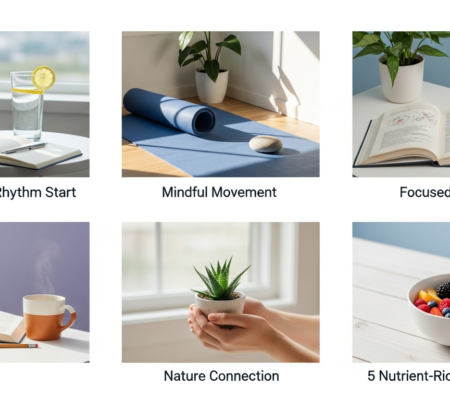
- Prioritize Sleep: Quality sleep is fundamental for both pain management and mood regulation. Establish a consistent sleep schedule, create a relaxing bedtime routine, and ensure your sleep environment is conducive to rest. Addressing sleep disturbances directly can significantly reduce both pain and emotional distress.
- Nutritious Diet: Focus on an anti-inflammatory diet rich in fruits, vegetables, whole grains, and lean proteins. Reduce processed foods, excessive sugar, and unhealthy fats, which can exacerbate inflammation and negatively impact mood. Consider consulting a nutritionist for personalized guidance.
- Regular, Gentle Exercise: While it may seem counterintuitive when in pain, appropriate physical activity is crucial. Activities like walking, swimming, cycling, or water aerobics can release endorphins (natural pain relievers and mood boosters), improve circulation, and maintain mobility. Start slowly and listen to your body.
- Stay Hydrated: Dehydration can worsen fatigue, headaches, and muscle cramps. Ensure you’re drinking plenty of water throughout the day.
4. Emotional & Social Support: Connect and Flourish
- Therapy & Counseling: A therapist specializing in chronic pain or health psychology can provide invaluable support, helping you process emotions, develop coping skills, and navigate the challenges of living with pain.
- Support Groups: Connecting with others who share similar experiences can reduce feelings of isolation and provide a sense of community, validation, and practical advice.
- Open Communication: Talk openly with trusted friends, family, and your partner about your experiences. Educating them about the link between your pain and mood can foster understanding and strengthen your support network. This is crucial for maintaining healthy relationships and can even enhance your connection, perhaps even paving the way for Surefire Ways To Impress Your Partner On Date Night by ensuring you’re both on the same page about your needs.
- Boundary Setting: Learn to say no to commitments that overextend you and exacerbate your pain or stress. Protecting your energy is a powerful act of self-care.
5. Self-Care & Joy: Treat Yourself with Compassion
- Engage in Hobbies: Make time for activities that bring you joy and distraction, whether it’s reading, gardening, crafting, or listening to music. These activities can shift your focus away from pain and boost your mood.
- Practice Self-Compassion: Be kind to yourself. Understand that living with pain is challenging, and it’s okay to have bad days. Celebrate small victories and acknowledge your resilience. This aligns perfectly with the philosophy of Treat Yourself: No One Loves You Like You Do – recognizing that prioritizing your well-being is not selfish, but essential.
- Pamper Yourself: Indulge in warm baths, massages, or simply quiet moments of relaxation. These acts of self-nurturing can soothe both body and mind.
By integrating these strategies, you can create a personalized toolkit to manage your pain more effectively and cultivate a more positive and resilient mood. Remember, breaking the cycle is an ongoing journey, not a destination, and every step you take towards holistic well-being is a victory.
Empowering Your Journey: Advocacy, Awareness, and Self-Compassion
The journey of living with pain and its impact on mood can feel isolating, but it’s crucial to remember that you are not alone, and you have the power to influence your experience. Empowering your journey involves a blend of self-advocacy, increasing awareness, and cultivating deep self-compassion. This means taking an active role in your healthcare, educating those around you, and treating yourself with the kindness and understanding you deserve.
Advocacy begins with finding your voice within the healthcare system. Many women report feeling dismissed or having their pain minimized by medical professionals. It’s vital to clearly articulate your symptoms, their impact on your daily life, and the emotional toll they take. Don’t hesitate to seek second opinions, request referrals to specialists, or bring a trusted friend or family member to appointments for support and to help you remember details. Keep a pain journal to track patterns, triggers, and the effectiveness of treatments – this objective data can be a powerful tool in advocating for appropriate care. Remember, you are the expert on your own body, and your experience is valid.
Awareness extends beyond just understanding your own condition. It involves educating your support network – friends, family, and colleagues – about the invisible link between pain and mood. Help them understand that your pain isn’t “all in your head” but that its experience is profoundly shaped by your emotional state, and vice versa. Explaining that chronic pain can lead to fatigue, irritability, and social withdrawal can foster empathy and reduce misunderstandings. This awareness can transform a potentially isolating experience into one where you feel supported and understood, allowing you to maintain connections that are vital for your emotional health.
Perhaps most importantly, cultivate radical self-compassion. Living with pain is incredibly challenging, and it’s natural to experience a wide range of emotions, including frustration, sadness, and even anger. Instead of judging yourself for these feelings or for your limitations, treat yourself with the same kindness and understanding you would offer a dear friend. Acknowledge your struggles, validate your emotions, and remind yourself that you are doing your best. Self-compassion is not about self-pity; it’s about recognizing your humanity, allowing yourself to rest when needed, and celebrating your resilience in the face of adversity. This means setting realistic expectations for yourself, forgiving yourself for not always being “on,” and consciously choosing moments of rest and joy. Prioritizing your well-being, whether it’s through a quiet moment of meditation or a gentle walk in nature, is not a luxury; it’s a necessity for thriving.
Your journey with pain and mood is unique, but by embracing advocacy, fostering awareness, and practicing profound self-compassion, you can empower yourself to navigate its complexities with greater strength and hope. Remember, finding relief and improving your quality of life is a testament to your resilience, and you deserve every bit of support and understanding along the way. Your well-being is paramount, and taking charge of your narrative is one of the most powerful steps you can take in 2026.
Frequently Asked Questions
Recommended Resources
Check out Best Self Care Ideas For Women At Home on The Contextual Life for a deeper dive.
You might also enjoy Entryway Decor Ideas 2026 from Rock Salt Plum.