
Updated March 2026. Welcome to your definitive skincare beauty guide for women, tailored specifically for navigating the exciting decades of your 20s, 30s, and 40s. This period marks a dynamic evolution in life, career, and personal well-being, and your skin, much like you, is constantly adapting.
From the preventative measures of your twenties to the targeted treatments of your thirties and forties, understanding your skin’s changing needs is paramount to maintaining a healthy, radiant complexion. This guide will demystify the vast world of cosmetics and dermatology, offering practical, evidence-based advice to help you cultivate a routine that not only enhances your natural radiance but also supports your skin’s long-term health. We’ll explore everything from foundational steps and crucial sun protection to effective anti-aging strategies, the nuances of clean beauty, makeup essentials, and how to build a regimen that truly fits your lifestyle and budget.
Why Is Skincare the Foundation of Your Beauty Routine?
In the vast universe of cosmetics, it’s easy to get sidetracked by the latest makeup trends or quick-fix solutions. However, a fundamental truth remains: healthy skin is the ultimate canvas for any look. Without a strong foundation, even the most expertly applied makeup can fall flat, failing to achieve that coveted glow or flawless finish. Taking care of your complexion isn’t merely about superficial aesthetics; it’s an investment in your skin’s health, resilience, and longevity, impacting how you look and feel for years to come.
Think of your skin as a protective barrier, constantly defending you against environmental aggressors like pollution, UV radiation, and harsh weather. Neglecting this barrier can lead to a cascade of issues, from premature aging and hyperpigmentation to increased sensitivity and breakouts. A consistent and thoughtful routine acts as a shield, reinforcing your skin’s natural defenses and providing it with the nutrients it needs to repair and rejuvenate itself. This proactive approach is particularly crucial as you transition from your 20s into your 30s and 40s, when natural collagen production begins to slow, and the cumulative effects of sun exposure and lifestyle choices become more apparent.
Beyond protection, effective daily care actively promotes cellular health. Regular cleansing removes impurities, excess oil, and dead skin cells, preventing clogged pores and allowing your skin to breathe. Hydration, through toners and moisturizers, maintains the moisture barrier, keeping it plump, supple, and less prone to irritation. Targeted treatments, such as serums rich in antioxidants or active ingredients, address specific concerns like fine lines, uneven tone, or loss of firmness. Dermatologists consistently emphasize the importance of a daily regimen for maintaining skin health and preventing disease, highlighting that a healthy complexion is intrinsically linked to a healthy body. For those just starting their journey, understanding the basics is key. You can find an excellent ultimate skincare routine for beginners to help you lay the groundwork.
Moreover, the psychological benefits of a dedicated routine are profound. The ritual itself can be a moment of self-care, a calming start or end to your day that fosters a sense of well-being and confidence. When your face feels healthy and looks its best, you naturally feel more empowered. This confidence transcends the need for heavy makeup, allowing your natural radiance to shine through. While this guide focuses heavily on your complexion, remember that holistic beauty also encompasses hair care, mindful fashion choices, and overall well-being. Ultimately, caring for your skin is not just about looking good; it’s about feeling good, promoting a healthy self-image, and investing in your future.
Types of Essential Skincare Steps and When to Apply Them
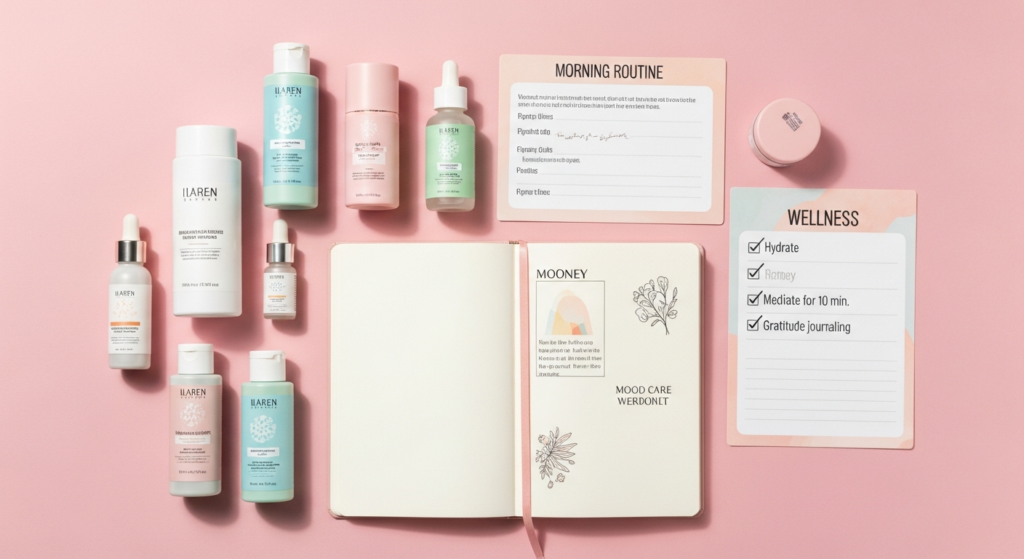
Building an effective regimen doesn’t have to be complicated or overwhelming. While the market is flooded with countless products, a few core steps form the backbone of any successful routine. Consistency is far more important than complexity, and these essential steps, practiced daily, will yield significant benefits for your skin’s health and appearance, regardless of your age in your 20s, 30s, or 40s. Think of it as a daily ritual that cleanses, treats, and protects your skin, preparing it for the day ahead and repairing it overnight.
Morning Routine: Prepare and Protect
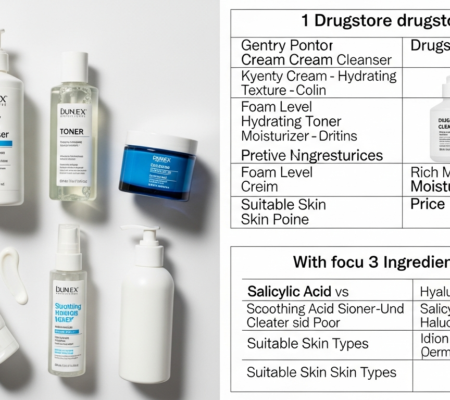
- Cleanse: Start your day by gently cleansing your face to remove any overnight accumulation of oil, sweat, and residual product. Choose a mild, pH-balanced cleanser that won’t strip your skin of its natural oils. For oily or acne-prone skin, a salicylic acid cleanser might be beneficial. For dry or sensitive skin, a creamy or hydrating cleanser is ideal.
- Tone (Optional but Recommended): A toner helps to balance your skin’s pH after cleansing, remove any lingering impurities, and prepare it to better absorb subsequent products. Look for alcohol-free toners with ingredients like hyaluronic acid for hydration, witch hazel for oil control, or gentle acids for exfoliation.
- Serum: This is where you deliver concentrated active ingredients to address specific concerns.
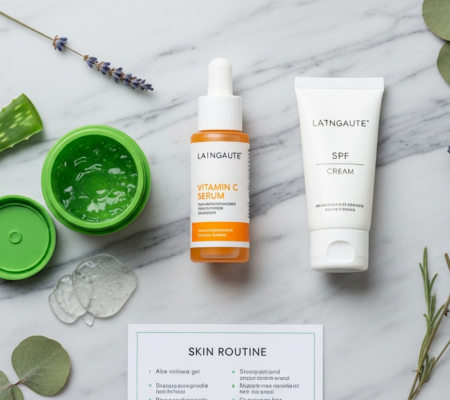
- For your 20s: Focus on antioxidant serums (like Vitamin C) to protect against environmental damage and maintain brightness. A glowing skin naturally guide will often highlight Vitamin C.
- For your 30s-40s: Incorporate Vitamin C for brightening and collagen support, and consider peptides or growth factors for firmness and elasticity.
Apply serums to slightly damp skin to enhance absorption.
- Moisturize: Even oily skin needs moisture! A good moisturizer hydrates the skin, locks in the benefits of your serums, and reinforces the skin barrier. Choose a lightweight, non-comedogenic formula for oily skin, and a richer, more emollient cream for dry or mature skin. Our comprehensive guide to moisturizers can help you find the perfect match.
- Sunscreen: This is arguably the most critical step in any morning routine. Daily application of a broad-spectrum SPF 30 (or higher) sunscreen protects your skin from harmful UVA and UVB rays, which are responsible for premature aging, dark spots, and skin cancer.
Evening Routine: Repair and Regenerate
- Double Cleanse: If you wear makeup or heavy sunscreen, a double cleanse is highly recommended. Start with an oil-based cleanser, balm, or micellar water to dissolve makeup, SPF, and impurities. Follow with a water-based cleanser to thoroughly clean your skin.
- Tone: Similar to the morning, a toner can prep your skin for deeper absorption of nighttime treatments.
- Treatment Serum: The evening is the best time for more potent treatment serums, especially those that can increase sun sensitivity.
- For your 20s: Consider a gentle AHA/BHA exfoliant a few times a week if you experience breakouts or dullness.
- For your 30s-40s: Incorporate retinoids (retinol, retinal, tretinoin) to stimulate collagen production, reduce fine lines, and improve skin texture. Start slowly (2-3 times a week) to build tolerance.
- Eye Cream: The skin around your eyes is thinner and more delicate, making it prone to fine lines, puffiness, and dark circles. An eye cream can provide targeted hydration and ingredients like peptides or caffeine to address these specific concerns.
- Moisturize: Finish with a nourishing night cream to support your skin’s natural repair and regeneration processes overnight. Night creams are often richer and contain ingredients that work best while you sleep.
Supplementary Steps (1-3 times a week):
- Exfoliation: Regular exfoliation removes dead skin cells, revealing brighter, smoother skin and improving product absorption. Be careful not to over-exfoliate, as this can damage your skin barrier.
- Masks: Sheet masks, clay masks, or hydrating masks can provide an extra boost of specific ingredients or hydration.
To maximize the efficacy of these products, mastering skincare layering techniques ensures that each active ingredient penetrates properly without pilling or neutralizing other formulas.
[INLINE IMAGE 2: Morning skincare routine steps for women in 2026.]
How Do You Choose the Right Sunscreen for Daily Protection?
If there’s one non-negotiable step in any daily regimen, regardless of age, skin type, or climate, it is daily sunscreen application. Sunscreen is your skin’s most potent defense against premature aging, hyperpigmentation, and, most critically, skin cancer. The sun’s ultraviolet (UV) rays are relentless, penetrating clouds and windows, making year-round protection essential. Understanding the nuances of SPF will empower you to make an informed choice that integrates seamlessly into your daily life. For a deeper dive, our comprehensive sunscreen guide offers extensive details.
Understanding UV Rays and SPF
The sun emits two primary types of UV radiation that affect our skin:
- UVA Rays: These rays penetrate deep into the skin, contributing significantly to premature aging (wrinkles, fine lines, sagging), sunspots, and long-term skin damage. They are present with consistent intensity throughout the year, even on cloudy days.
- UVB Rays: These are the primary cause of sunburn and play a major role in the development of skin cancer. Their intensity varies by season, time of day, and geographical location.
When choosing a sunscreen, always look for the term “broad-spectrum.” This indicates that the product protects against both UVA and UVB rays. The American Academy of Dermatology Association (AAD) recommends using a broad-spectrum sunscreen with an SPF of 30 or higher. An SPF 30 blocks about 97% of UVB rays, while SPF 50 blocks about 98%. While the difference seems small, every percentage point of protection counts, especially for prolonged exposure.
Physical vs. Chemical Sunscreens
Sunscreen formulations broadly fall into two categories:
- Physical (Mineral) Sunscreens:
- Key Ingredients: Zinc oxide and/or titanium dioxide.
- How they work: These active minerals sit on the surface of your skin, creating a physical barrier that reflects and scatters UV radiation away from the skin.
- Pros: Generally well-tolerated by sensitive and acne-prone skin, immediate protection upon application, less likely to irritate.
- Cons: Can sometimes leave a white cast, especially on darker skin tones, though newer micronized formulations have significantly improved this. Can feel thicker.
- Chemical Sunscreens:
- Key Ingredients: Oxybenzone, avobenzone, octinoxate, octisalate, homosalate, octocrylene.
- How they work: These organic compounds absorb UV radiation, convert it into heat, and then release it from the skin.
- Pros: Tend to be lighter in texture, absorb easily, and don’t leave a white cast, making them popular for daily wear and under makeup.
- Cons: Some individuals with sensitive skin may experience irritation, and certain ingredients have raised environmental concerns (e.g., coral reef damage) and health debates, though widely deemed safe by regulatory bodies. Protection takes about 20 minutes to become effective after application.
Factors to Consider When Choosing
- Skin Type:
- Oily/Acne-Prone: Look for “non-comedogenic” (won’t clog pores) and “oil-free” formulas. Gel or fluid textures are often preferred. Mineral sunscreens with zinc oxide can also be beneficial due to zinc’s anti-inflammatory properties.
- Dry: Opt for hydrating formulas with ingredients like hyaluronic acid or ceramides. Creamy textures are usually suitable.
- Sensitive: Mineral sunscreens are often the safest bet to avoid irritation. Avoid added fragrances and dyes.
- Finish: Do you prefer a matte, dewy, or natural finish? Many brands now offer sunscreens that double as primers or tinted moisturizers, catering to various aesthetic preferences.
- Lifestyle: If you’re active or sweat a lot, choose “water-resistant” or “sweat-resistant” formulas. Remember to reapply every two hours, or more frequently if swimming or sweating.
Making sunscreen a daily habit is the single most impactful action you can take for your skin’s health and youthful appearance. It’s an investment that pays dividends for decades.
The Science of Anti-Aging Skincare in Your 30s and 40s
As women transition from their 20s into their 30s and 40s, the focus of their routine often shifts from purely preventative to a combination of prevention and targeted correction. This is the period when the early signs of aging—fine lines, uneven skin tone, loss of elasticity, and hyperpigmentation—may begin to emerge or become more pronounced. The good news is that advancements in dermatological science have provided us with a powerful arsenal of ingredients that genuinely work to mitigate these concerns. The key is to understand which ingredients are effective, how they work, and how to incorporate them safely into your routine. For more in-depth information, refer to our comprehensive guide on the best anti-aging skincare ingredients.
The Powerhouse Ingredients
- Retinoids (Vitamin A Derivatives):
- What they are: This family of ingredients includes retinol, retinaldehyde, and prescription-strength tretinoin. They are widely considered the gold standard in anti-aging.
- How they work: Retinoids stimulate collagen production, accelerate cell turnover, and inhibit collagen degradation. This leads to reduced appearance of fine lines and wrinkles, improved skin texture, diminished hyperpigmentation, and clearer pores.
- For your 30s: Start with an over-the-counter retinol serum (0.25%-0.5%) a few nights a week to build tolerance. It’s excellent for preventing deeper wrinkles and addressing early signs of sun damage.
- For your 40s: You might benefit from a higher-strength retinol (0.5%-1%) or consider a prescription retinoid like tretinoin, especially if you have deeper wrinkles, significant sun damage, or persistent acne.
- Vitamin C (Ascorbic Acid):
- What it is: A potent antioxidant and a vital nutrient for skin health.
- How it works: Vitamin C neutralizes free radicals caused by UV exposure and pollution, preventing oxidative damage. It’s also crucial for collagen synthesis, brightening hyperpigmentation (dark spots), and evening out skin tone.
- For your 30s & 40s: A daily Vitamin C serum (typically 10-20% L-ascorbic acid or a stable derivative) in the morning is highly recommended. It acts as a powerful preventative measure against environmental damage and helps maintain skin radiance.
- Hyaluronic Acid (HA):
- What it is: A humectant naturally found in the skin that can hold up to 1,000 times its weight in water.
- How it works: HA draws moisture from the environment into the skin, providing intense hydration, plumping up fine lines, and improving skin elasticity. It’s not strictly an “anti-aging” active in the way retinoids are, but its hydrating properties make the skin look smoother and more supple, thereby reducing the visible signs of aging.
- Alpha Hydroxy Acids (AHAs) and Beta Hydroxy Acids (BHAs):
- What they are: Chemical exfoliants. AHAs (glycolic acid, lactic acid) are water-soluble and work on the skin’s surface to loosen dead skin cells. BHAs (salicylic acid) are oil-soluble and can penetrate into pores.
- How they work: They promote cell turnover, improve skin texture, reduce fine lines, fade dark spots, and enhance radiance. BHAs are particularly effective for acne-prone skin and blackheads.
- Peptides:
- What they are: Short chains of amino acids, the building blocks of proteins like collagen and elastin.
- How they work: Peptides signal the skin to produce more collagen, elastin, and other proteins, helping to improve firmness, elasticity, and reduce the appearance of wrinkles.
Beyond Ingredients: Lifestyle Factors
While topical treatments are powerful, they are most effective when supported by healthy lifestyle choices. Adequate sleep, a balanced diet rich in antioxidants, stress management, and consistent sun protection are all crucial components of an effective anti-aging strategy. Remember, patience and consistency are key; visible results from anti-aging products often take weeks to months to appear, as skin cell turnover and collagen production are gradual processes. Consulting with a board-certified dermatologist can provide personalized recommendations and guidance on integrating these powerful ingredients into your routine effectively and safely.
[INLINE IMAGE 4: Effective anti-aging skincare ingredients for women 30s and 40s.]
Categories of Clean Beauty Ingredients and What to Avoid
The term “clean beauty” has surged in popularity, reflecting a growing consumer demand for products that are perceived as safer, more transparent, and environmentally friendly. However, “clean beauty” is not a legally regulated term, leading to confusion and varying definitions across brands and retailers. Essentially, it generally refers to products made without a long list of potentially harmful or controversial ingredients, often prioritizing natural and sustainably sourced components. Navigating this landscape requires an informed approach, understanding what to look for, what to avoid, and recognizing that “natural” doesn’t always equate to “safe” or “effective.” Our dedicated clean beauty guide offers a more detailed exploration of this complex topic.
What Does “Clean” Mean?
While there’s no universal standard, most clean brands adhere to a philosophy of transparency and exclude ingredients that are linked to potential health concerns, such as endocrine disruption, carcinogenicity, skin irritation, or environmental harm. This often includes a “blacklist” of ingredients that are either banned or restricted in more regulated markets (like the EU) but may still be permissible in others. It’s about minimizing exposure to ingredients that could be problematic, not just for human health but also for the planet.
Ingredients to Often Look For (and Why):
- Transparent Ingredient Lists: Brands committed to clean formulations will clearly list all ingredients, often explaining their source and function. Look for understandable names and fewer synthetic fillers.
- Plant-Based Oils and Extracts: Ingredients like jojoba oil, argan oil, shea butter, green tea extract, and aloe vera are commonly found. These offer natural hydration, antioxidant benefits, and soothing properties.
- Mineral Sunscreens: Zinc oxide and titanium dioxide are favored over some chemical sunscreen filters due to their perceived safety for both humans and marine ecosystems.
- Natural Preservatives: While some synthetic preservatives are deemed safe, clean brands often opt for natural alternatives or minimal preservation systems.
- Certifications: Look for certifications from reputable third-party organizations that verify claims like “organic” (USDA Organic), “cruelty-free” (Leaping Bunny), or “vegan.” These provide an extra layer of assurance.
Common Ingredients to Look Out For:
It’s important to note that many of these ingredients are approved by regulatory bodies like the FDA and are considered safe in certain concentrations. The concern often stems from potential long-term effects, cumulative exposure, or individual sensitivities.
- Parabens: Used as preservatives, parabens have been linked to potential endocrine disruption, mimicking estrogen in the body.
- Phthalates: Often used to make plastics more flexible or as solvents in fragrances. Linked to potential endocrine disruption and reproductive issues.
- Sulfates (SLS, SLES): Common foaming agents in cleansers and shampoos. Can be harsh and strip natural oils, leading to skin irritation and dryness, especially for sensitive skin.
- Synthetic Fragrances/Parfum: “Fragrance” or “Parfum” can be a proprietary blend of hundreds of undisclosed chemicals, many of which are known allergens or irritants.
- Formaldehyde-Releasing Preservatives: These preservatives slowly release small amounts of formaldehyde, a known human carcinogen and common allergen.
Making Informed Choices
Navigating this space requires a balanced perspective. Not all synthetic ingredients are bad, and not all natural ingredients are good (e.g., some essential oils can be irritating). The goal is to be an educated consumer. Read ingredient labels, do your research using databases like the EWG Skin Deep, and listen to your skin. Ultimately, your skin’s reaction is the most important indicator. If a “clean” product irritates your skin, it’s not clean for you. Share your favorite clean beauty product in the comments below!
Essential Makeup Techniques for Every Age
Makeup should enhance, not mask, your natural features. For a complete beauty regimen, understanding basic makeup application is just as crucial as your skincare prep. Start with a primer suited to your skin type, followed by a lightweight foundation or tinted moisturizer. Concealer should be used sparingly to brighten the under-eye area and cover blemishes. For the eyes, a neutral eyeshadow palette, a reliable mascara, and a brow gel are everyday staples that provide a polished look without requiring hours of application.
Age-specific nuances play a significant role in how you approach your makeup bag. In your 20s, it’s a great time to experiment with bold colors, graphic liners, and trend-driven techniques like heavy contouring. As you enter your 30s, the focus often shifts to a polished, professional look—think well-defined brows, a signature lip color, and a flawless, even base. By your 40s, hydration becomes the ultimate goal; cream-based blushes, highlighters, and foundations will melt into the skin beautifully, providing a youthful, dewy finish without settling into fine lines the way heavy powders often do.
Don’t forget to explore clean makeup brands that align with the principles discussed earlier. Brands utilizing mineral pigments and nourishing botanical oils offer excellent color payoff without compromising skin health. Whether you are mastering advanced contouring techniques or keeping it simple with a five-minute face for busy mornings, always remember to thoroughly remove your makeup at the end of the day to allow your skin to breathe and repair overnight.
What Are the Most Common Skincare and Beauty Questions?
What is clean beauty?
Clean beauty generally refers to cosmetic and skincare products formulated without ingredients linked to harmful health effects. While not legally regulated, it prioritizes transparent labeling and often favors natural, sustainably sourced components over controversial synthetic additives like parabens, phthalates, and undisclosed synthetic fragrances.
How often should I exfoliate?
For most women, exfoliating 1 to 3 times a week is sufficient. Those in their 20s with oilier skin might tolerate more frequent chemical exfoliation (like BHAs), while women in their 30s and 40s should focus on gentle AHAs to promote cell turnover without damaging the delicate moisture barrier.
What are retinoids and when should I start using them?
Retinoids are Vitamin A derivatives that stimulate collagen production and accelerate cell turnover. Dermatologists often recommend introducing a mild over-the-counter retinol in your late 20s or early 30s as a preventative measure against fine lines, uneven texture, and early signs of sun damage.
Sources & References
- American Academy of Dermatology Association. “Sunscreen FAQs.” AAD.org.
- Food and Drug Administration. “FDA Authority Over Cosmetics: How Cosmetics Are Not FDA-Approved, but Are FDA-Regulated.” FDA.gov.
- Zasada, M., & Budzisz, E. (2019). “Retinoids: active molecules influencing skin structure formation in cosmetic and dermatological treatments.” Advances in Dermatology and Allergology/Postępy Dermatologii i Alergologii.
Reviewed by Dr. Emily Carter, Board-Certified Dermatologist — Last reviewed: March 2026