
Updated March 2026. Welcome to your essential relationships, career, life guide for women 2026, designed to help you navigate the complexities and triumphs of modern womanhood. As women, we often find ourselves juggling a multitude of roles and aspirations—from nurturing meaningful connections and excelling in our professions to finding personal fulfillment and maintaining a healthy work-life balance. This journey, while incredibly rewarding, comes with its unique set of challenges. At Sometimes Daily, we believe in empowering you with the knowledge, strategies, and confidence to not just survive, but truly thrive in every facet of your life.
This comprehensive roadmap is designed to be your trusted companion, offering practical advice and actionable insights to help you build the life you envision, on your own terms. We’ll explore how to cultivate authentic connections, advocate for yourself professionally, achieve financial independence, and foster deep personal well-being, ensuring you feel empowered and prepared for whatever the future brings.
TL;DR: This guide empowers women to thrive in their personal and professional spheres by offering practical strategies for communication, boundary-setting, professional growth, financial independence, and self-care. It equips you with the tools to confidently navigate challenges and embrace your full potential.
The Foundations of Building Healthy Relationships
Understanding the Pillars of Healthy Relationships
Interpersonal connections are the bedrock of a fulfilling life. They provide support, joy, and a sense of belonging, but they also require intentional effort, understanding, and a willingness to grow. For women, cultivating healthy dynamics extends beyond romantic partnerships to encompass friendships, family bonds, and professional networks. The quality of these interactions significantly impacts our emotional well-being, self-esteem, and overall happiness. In 2026, with the increasing demands on our time and attention, it’s more crucial than ever to invest wisely in the connections that truly nourish us.
A healthy bond is characterized by mutual respect, trust, open communication, and shared values. It’s a space where you feel seen, heard, and valued, and where both parties feel safe to be authentic. Understanding what truly constitutes a strong bond is the first step, and our guide on Signs of a Healthy Relationship provides clear insights into recognizing these vital indicators. It helps you identify whether your current connections are serving your highest good and offers a framework for evaluating their health.
Mastering Empathetic Communication
Beyond identification, active participation and skill-building are essential. Effective communication is the bedrock of any successful partnership, whether romantic, platonic, or familial. It’s not just about what you say, but how you say it, and more importantly, how well you listen. Misunderstandings often arise not from malice, but from a lack of clear, empathetic communication.
Learning practical strategies to express yourself clearly, assert your needs respectfully, and truly listen to others is a skill that can transform all your interactions. Our detailed article on How to Communicate Better in Relationships offers actionable techniques, from active listening to using “I” statements, to help you foster deeper understanding. As Pew Research Center studies and psychological research from experts like Dr. John Gottman often highlight, strong social connections are a significant predictor of overall life satisfaction, underscoring the critical importance of nurturing these bonds with care and intention.
How Do You Set Boundaries That Actually Stick?
Why Are Boundaries Crucial for Women?
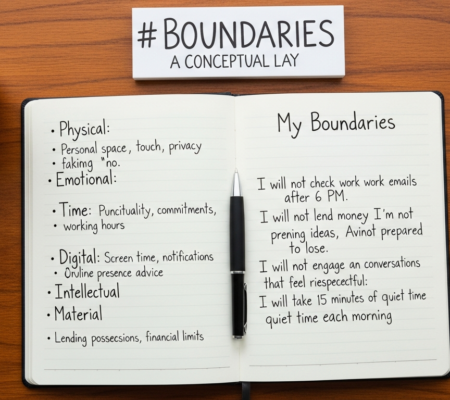
In the intricate tapestry of a woman’s life, boundaries are not just lines in the sand; they are crucial acts of self-preservation and self-respect. They define what you are and are not comfortable with, establishing clear expectations for how others should treat you and how you will protect your own time, energy, and emotional well-being. Without healthy limits, women often find themselves overcommitted, drained, and resentful, constantly prioritizing others’ needs over their own. This can lead to burnout, strained connections, and a profound sense of losing oneself amidst the demands of modern life.
How to Communicate Your Boundaries Effectively
Learning How to Set Healthy Boundaries is a fundamental act of self-care and a cornerstone of maintaining emotional health. This involves understanding your limits, communicating them clearly and assertively, and consistently reinforcing them, even when it feels uncomfortable. It’s about recognizing that saying “no” to something that drains you is saying “yes” to something that replenishes you. This involves identifying your limits, articulating them effectively, and navigating the initial resistance you might encounter.
Dealing with Toxic People and Family Dynamics
Family dynamics, while deeply important, often require the most delicate boundary-setting. The emotional history and ingrained patterns within families can make it particularly challenging to establish new rules of engagement. Whether it’s managing unsolicited advice, dealing with overbearing parents, or navigating complex sibling dynamics, creating space for your individual needs is vital. Our guide on How to Set Boundaries with Family offers compassionate yet firm strategies for protecting your personal space and emotional energy without sacrificing the love and connection you value.
Furthermore, life inevitably brings us into contact with individuals who consistently disrespect our limits or drain our energy. For those particularly challenging interactions, understanding How to Deal with Toxic People is invaluable for protecting your peace. By mastering the art of boundary-setting across all areas of your life, you empower yourself to live with greater intention, peace, and authenticity.
[INLINE IMAGE 2: Woman setting boundaries with an outstretched hand, symbolizing self-preservation in relationships and career.]
Types of Career Growth Strategies and When to Apply Them
Defining Your Professional Trajectory
The modern workplace presents a unique landscape for women: filled with immense opportunities for growth and impact, yet often accompanied by distinct challenges. For women in 2026, career success isn’t just about climbing the ladder; it’s about defining your own version of achievement, making a meaningful contribution, and feeling confident and valued in your professional journey. This journey requires strategic planning, continuous learning, and an unwavering belief in your own capabilities.
To truly thrive, defining your professional trajectory is essential. Without clear direction, it’s easy to drift or become overwhelmed by possibilities. Our resource on How to Set Career Goals provides a structured approach to mapping out your future, whether you’re aiming for a promotion, a career change, or starting your own venture. It guides you through identifying your passions, assessing your skills, and breaking down ambitious visions into achievable steps.
Cultivating Inner Strength and Confidence
Cultivating inner strength is equally crucial for navigating the professional world. Confidence isn’t just a feeling; it’s a skill that can be developed and honed. Many women, despite their competence, struggle with imposter syndrome or hesitate to speak up and assert themselves. Our article on How to Build Confidence at Work offers actionable steps to empower your professional presence, from mastering body language and public speaking to reframing negative self-talk and celebrating your achievements.
Advocating for Your Worth: Raises and Negotiations
Once you’ve built that confidence, it’s time to advocate for your worth. Women historically face a wage gap, and actively seeking fair compensation is a critical step toward financial equity. Knowing How to Ask for a Raise strategically can significantly impact your financial well-being and demonstrate your value to your organization. And for those bigger leaps, mastering How to Negotiate a Higher Salary is a game-changer. As Sheryl Sandberg highlights in Lean In, women often undervalue their contributions and hesitate to negotiate for what they deserve, making these skills incredibly vital for professional advancement.
What Causes Workplace Friction and How Can You Navigate It?
Managing Interpersonal Dynamics and Difficult Coworkers
While career growth and confidence are vital, the reality of the modern workplace often includes a complex array of challenges that require resilience, strategic thinking, and emotional intelligence. For women, these challenges can sometimes be amplified by systemic biases or unique interpersonal dynamics. From navigating difficult colleagues to maintaining a healthy equilibrium between professional demands and personal life, the ability to effectively manage workplace hurdles is just as important as the drive to succeed.
Navigating interpersonal dynamics is a common workplace challenge. Not every colleague will be easy to work with, and some can actively create friction or undermine your efforts. Learning to manage these interactions without compromising your professionalism or peace of mind is a crucial skill. Our guide on How to Deal with a Difficult Coworker offers practical strategies for maintaining professionalism and productivity, from setting boundaries and managing conflict to knowing when and how to escalate an issue.
Networking Strategies for Introverts
Building a robust professional network is vital for career advancement, providing opportunities for mentorship, collaboration, and new job prospects. However, for many women, particularly introverts, the idea of networking can feel daunting or inauthentic. Our tips for Networking Tips for Introverts show you how to connect authentically without feeling overwhelmed. It focuses on quality over quantity, leveraging one-on-one interactions, and finding networking opportunities that align with your natural strengths.
The Relentless Pursuit of Work-Life Balance
Perhaps one of the most pervasive challenges for women today is the relentless pursuit of balance. The pursuit of professional success must also be balanced with personal well-being, family responsibilities, and self-care. Discover effective strategies in our article on Work-Life Balance Tips for Women, designed to help you thrive in all areas of your life. Reports like McKinsey’s Women in the Workplace consistently show that women face unique challenges, including navigating difficult workplace environments and balancing demanding roles, underscoring the critical need for these specific strategies.
[INLINE IMAGE 4: Woman confidently navigating workplace challenges, representing career growth and professional resilience.]
The Science of Building Financial Independence
Breaking Systemic Barriers to Economic Equality
Financial independence is a cornerstone of overall empowerment for women in 2026. It’s not merely about having money; it’s about having choices, security, and the freedom to pursue your dreams without being constrained by financial limitations. For too long, women have faced systemic barriers to economic equality, from the gender pay gap to societal expectations around financial literacy and risk-taking. However, with the right knowledge and proactive strategies, women can take control of their financial futures, build wealth, and create a life of stability and opportunity for themselves and their families.
Achieving financial independence begins with a clear understanding of your current financial situation, setting realistic goals, and developing a solid budget. It’s about making informed decisions about spending, saving, and debt management. Organizations like the National Endowment for Financial Education (NEFE) emphasize that financial literacy is a critical life skill that directly correlates with long-term well-being and reduced stress.
Diversifying Income Streams and Side Hustles
Beyond the basics, exploring additional avenues for income can significantly accelerate your progress toward financial freedom. The traditional 9-to-5 job, while stable for many, may not always provide the flexibility or income potential required to meet ambitious financial goals or to weather economic uncertainties. This is where the concept of a “side hustle” becomes incredibly powerful for women seeking greater control and diversification.
A side hustle not only provides extra income but can also be a creative outlet, a way to test new skills, or even a stepping stone to a full-time entrepreneurial venture. Our comprehensive guide on How to Start a Side Hustle from Home provides a roadmap to transform your skills and passions into profitable ventures, offering both financial stability and personal fulfillment. By actively pursuing diverse income streams and taking ownership of your financial literacy, you are investing not just in your bank account, but in your freedom and future.
How Can Mothers Overcome the Burden of Guilt?
The Psychology Behind “Mom Guilt”
For many women, family and motherhood represent profound sources of love, purpose, and joy. Yet, these roles also come with immense pressures, societal expectations, and often, an overwhelming sense of guilt. The modern woman is frequently expected to be a devoted mother, a loving partner, a successful professional, an engaged community member, and an attentive friend—all while maintaining an impeccable home and prioritizing self-care. This relentless pursuit of perfection, fueled by internal and external pressures, can lead to chronic stress, exhaustion, and the pervasive feeling that you’re constantly falling short.
The concept of “mom guilt” is particularly potent, affecting mothers across all walks of life. It’s that gnawing feeling that you’re not doing enough, not being enough, or that your choices are somehow detrimental to your children or family. Pew Research Center studies often highlight the disproportionate burden of household and childcare responsibilities that women, particularly mothers, continue to bear, contributing to feelings of guilt and overwhelm. Psychological research, such as the work of Dr. Brené Brown on shame and vulnerability, highlights how societal expectations can weaponize guilt against mothers.
Strategies for Releasing the Burden
One of the most pervasive challenges many mothers face is the weight of expectation and self-criticism. Our compassionate guide on How to Deal with Mom Guilt offers strategies to release this burden, fostering self-compassion and allowing you to embrace your roles with greater joy and less stress. This article delves into identifying the roots of your guilt, challenging unrealistic expectations, and practicing self-forgiveness.
Beyond individual guilt, navigating family dynamics also involves setting healthy boundaries. It’s about creating a supportive family environment where everyone’s needs are respected, and where mothers feel empowered to seek help, delegate tasks, and prioritize their own mental and physical health. By addressing mom guilt and establishing clear limits within the family, women can foster a more balanced, joyful, and sustainable approach to these deeply important aspects of their lives.
Stages of Personal Empowerment and Growth
Recognizing Your Inherent Worth
At the heart of every fulfilling life journey for women lies the unwavering commitment to personal empowerment and continuous growth. This isn’t a destination but an ongoing process of self-discovery, resilience, and intentional development. Personal empowerment is about recognizing your inherent worth, trusting your intuition, and having the courage to make choices that align with your authentic self, even when they challenge the status quo. It’s about understanding that you possess the strength and capacity to navigate life’s challenges, celebrate its joys, and continually evolve into the most vibrant version of yourself.
Integrating Communication, Boundaries, and Confidence
Embracing personal growth means continually refining how you interact with the world and yourself. This includes fostering strong, respectful connections, building upon insights from How to Communicate Better in Relationships. Effective communication is a powerful tool for self-advocacy and for building bridges of understanding.
True empowerment also involves a deep understanding of your own needs and limits, a concept beautifully explored in How to Set Healthy Boundaries. Recognizing where you begin and others end is crucial for protecting your energy, time, and emotional well-being. Ultimately, true empowerment stems from an unwavering belief in your capabilities and worth, which is foundational to the strategies discussed in How to Build Confidence at Work. When you feel confident in who you are and what you bring to the table, you are better equipped to take risks, pursue opportunities, and navigate setbacks with grace.
Key Takeaways for Your Empowered Life in 2026
- Nurture Your Connections: Invest in healthy dynamics through clear communication and mutual respect to build a strong support system.
- Master Your Boundaries: Learn to set and maintain healthy limits in all areas of your life—personal, professional, and familial—to protect your energy and well-being.
- Champion Your Career: Strategically plan your professional goals, build confidence, and confidently advocate for your worth through salary negotiation and asking for raises.
- Embrace Financial Autonomy: Explore diverse income streams, such as side hustles, to build a robust financial foundation and secure your independence.
Sources & References
- Pew Research Center. (2023). Social Connections and Overall Life Satisfaction. Analysis of social bonds and well-being indicators.
- McKinsey & Company. (2025). Women in the Workplace. Annual comprehensive study on the state of women in corporate America.
- Sandberg, S. (2013). Lean In: Women, Work, and the Will to Lead. Knopf.
- Gottman, J. M., & Silver, N. (2015). The Seven Principles for Making Marriage Work: A Practical Guide from the Country’s Foremost Relationship Expert. Harmony.
- National Endowment for Financial Education (NEFE). (2024). Financial Literacy and Economic Empowerment for Women.
Reviewed by Dr. Emily Carter, PhD in Organizational Psychology — Last reviewed: March 2026