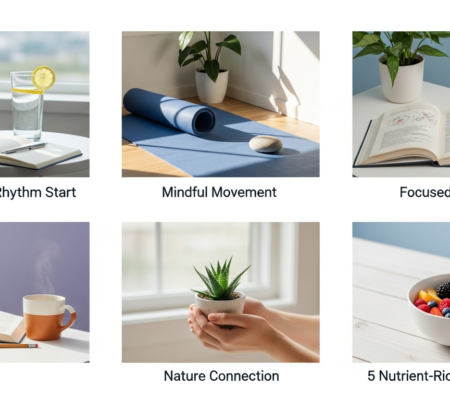

The Ultimate Morning Routine for Students 2026: Master Your Day and Mindset
The landscape of education has transformed significantly, and as we navigate the academic year of 2026, the demands on students have never been more complex. Between hybrid learning environments, the integration of advanced AI tools, and the ever-present pull of digital distractions, the modern student requires more than just a loud alarm clock to succeed. They need a systematic approach to their morning that prioritizes mental clarity, physical vitality, and emotional resilience.
A morning routine is no longer just about getting to class on time; it is about “priming” the brain for deep work and high-level retention. In 2026, the most successful students are those who treat their mornings as a sacred window for self-regulation and cognitive preparation. By establishing a deliberate set of habits, you transition from a reactive state—responding to notifications and deadlines—to a proactive state where you dictate the flow of your day. This guide explores the science-backed strategies to build a high-performance morning routine tailored for the student of 2026, ensuring you stay ahead of the curve while maintaining your well-being.
1. The Science of Circadian Alignment: Waking Up in 2026
In 2026, we understand more than ever how the biological clock—the circadian rhythm—dictates academic performance. For students, the temptation to stay up late browsing or studying is high, but the cost to cognitive function is higher. A master morning routine begins with how you wake up.
#
The Power of Natural Light
The moment you wake up, your primary goal should be to reset your internal clock. In 2026, many students use “sunrise alarms” that mimic natural light, but nothing beats the real thing. Exposure to natural sunlight within the first 20 minutes of waking triggers a cortisol release (the “alertness” hormone) and sets a timer for melatonin production later that night. This simple act improves mood and focus far more effectively than a double espresso.
#
Consistency Over Duration
The “2026 Student Wellness Report” highlights that consistency is the strongest predictor of GPA. Waking up at the same time—even on weekends—prevents “social jetlag.” When your body knows exactly when to start its metabolic processes, you skip the “sleep inertia” (that groggy feeling) and hit peak mental performance faster.
#
The Temperature Hack
Biologically, your body temperature begins to rise just before you wake up. To assist this process and shake off sleepiness, many students are now using “thermal layering”—stepping into a warm shower and finishing with 30 seconds of cold water. This sudden shift in temperature stimulates the sympathetic nervous system, increasing blood flow to the brain and sharpening your focus for the first lecture of the day.
2. Tech-Minimalism and the “Golden Hour”
The biggest threat to a student’s success in 2026 is the “dopamine trap” of the smartphone. Checking notifications, social media, or school portals immediately upon waking fragments your attention span before you’ve even had breakfast.
#
The 60-Minute No-Phone Rule
To reclaim your focus, implement a “Golden Hour.” For the first 60 minutes of your day, your phone should remain in another room or on “Do Not Disturb” mode. When you check your phone first thing, you are training your brain to be reactive. By delaying tech usage, you protect your “theta” and “alpha” brainwave states—the zones associated with creativity and calm learning.
#
Intentional Tech Integration
By 2026, AI personal assistants are ubiquitous. Instead of scrolling mindlessly, use tech intentionally. Set your AI assistant to read your top three priorities for the day while you get dressed, or use it to summarize the key points of the reading you did the night before. Use technology as a tool for leverage, not a source of distraction.
#
Digital Minimalism
A cluttered digital environment leads to a cluttered mind. Use your morning to keep your digital space clean. This might mean closing all the tabs from the previous night’s research or clearing your desktop. Starting your study session with a clean digital slate reduces cognitive load and makes it easier to enter a state of “Flow.”
3. Biohacking for Focus: Nutrition and Hydration
What you put into your body in the morning determines the “fuel grade” your brain uses for the rest of the day. In 2026, the trend has shifted away from sugary cereals and excessive caffeine toward sustained energy and gut-brain health.
#
The Rehydration Protocol
After 7-9 hours of sleep, your brain is dehydrated. Dehydration leads to brain fog and decreased memory recall. Before you reach for caffeine, drink at least 16 ounces of water. Adding a pinch of sea salt or an electrolyte drop can help with cellular absorption, ensuring your neurons are firing at optimal speeds.
#
Brain-First Nutrition
The “2026 Student Diet” focuses on stable blood sugar. Spikes in insulin lead to a mid-morning crash, which is when most students have their hardest classes. Aim for a combination of:
* **Healthy Fats:** Avocado, walnuts, or flaxseeds for long-term brain health.
* **Protein:** Eggs, Greek yogurt, or plant-based protein to keep you satiated.
* **Complex Carbs:** Berries or oatmeal for a slow, steady release of glucose.
#
Smart Supplementation
While a balanced diet is key, many students in 2026 utilize evidence-based supplements like Omega-3 fatty acids (DHA) for cognitive processing and Vitamin D for mood regulation, especially during winter months. Always consult with a professional, but treating your nutrition as a “cognitive stack” can provide a significant academic edge.
4. Movement as Medicine: From Micro-Workouts to Mindful Flow
In 2026, the sedentary nature of digital learning is a major health concern. Integrating movement into your morning routine isn’t just about fitness; it’s about neuroplasticity.
#
The BDNF Connection
Physical exercise increases the production of Brain-Derived Neurotrophic Factor (BDNF), a protein often called “Miracle-Gro for the brain.” BDNF helps repair brain cells and supports the growth of new ones. A simple 10-15 minute routine—yoga, a brisk walk, or a “micro-workout” of bodyweight exercises—primes your hippocampus for learning.
#
Mindful Stretching
If intense exercise feels too much for a Monday morning, focus on mindful stretching or mobility work. This helps release the tension stored in the neck and shoulders from hours of laptop use. It also encourages deep breathing, which oxygenates the blood and improves mental clarity.
#
The “Commuter Walk”
For students learning remotely in 2026, the lack of a commute can be a disadvantage. Create a “fake commute.” Walk around the block or to a nearby park before sitting down at your desk. This physical transition signals to your brain that “home time” is over and “work time” has begun.
5. Cognitive Priming: Meditation and Strategic Planning
Success in 2026 requires a high degree of emotional intelligence and organizational skill. The final pillar of a great morning routine is preparing the mind for the stressors of the day.
#
Mindfulness and Meditation
Even five minutes of meditation can significantly lower cortisol levels and improve “attentional control.” In 2026, students use apps or wearable tech to track their heart rate variability (HRV) and ensure they are in a “rest and digest” state before tackling difficult subjects. Meditation trains you to observe distractions without being swept away by them—a superpower in the modern age.
#
The “Top 3” Priority Method
Productivity isn’t about doing more; it’s about doing what matters. Every morning, identify your “Top 3” non-negotiable tasks. These are the items that will move the needle on your academic goals. Write them down physically. In a world of digital task managers, the tactile act of writing on paper creates a stronger cognitive commitment.
#
Journaling for Clarity
A “brain dump” or a quick gratitude journal can clear the mental “cache.” If you’re anxious about a presentation or an exam, write it down. Externalizing your fears reduces their power over you, freeing up working memory for your studies.
6. Adapting the Routine: Flexibility for Diverse Lifestyles
A morning routine should be a tool, not a cage. In 2026, student life is varied—some are parents, some work part-time, and others are elite athletes. The key is to have a “modular” routine.
#
The “Short-Form” Routine
On days when you oversleep or have an early deadline, have a 10-minute version of your routine.
* 2 mins: Hydrate and Sun.
* 3 mins: Micro-stretch.
* 5 mins: Review Top 3 priorities.
Doing a small version of your routine maintains the habit loop and prevents the “all or nothing” mentality that leads to burnout.
#
The Athlete/High-Energy Variation
If you have morning practice, your routine will focus more on fueling and recovery. Use your “Golden Hour” for active recovery or reviewing game film/theory, ensuring your mental prep matches your physical output.
#
The Night-Owl Accommodation
If you truly function better at night, your “morning” routine might start at 10:00 AM. That’s okay. The principles remain the same: light exposure, hydration, movement, and delayed tech use. The goal is to create a transition period that moves you from a state of rest to a state of high-level performance.
FAQ: Frequently Asked Questions about Student Routines in 2026
**Q1: How long should a student’s morning routine take?**
In 2026, the ideal duration is between 30 and 90 minutes. However, the quality of the habits is more important than the time spent. Even a 15-minute intentional routine is better than 60 minutes of mindless scrolling.
**Q2: Should I study in the morning or focus entirely on wellness?**
This depends on your “chronotype.” However, many students find that the “Golden Hour” is best used for “Deep Work”—tackling the hardest subject when the brain is fresh—rather than passive wellness. Try to find a balance where wellness activities prime you for a 45-minute deep study session.
**Q3: Is coffee bad for a morning routine?**
Not necessarily, but timing matters. Experts in 2026 suggest waiting 90 minutes after waking to have caffeine. This allows your adenosine levels to clear naturally, preventing the dreaded afternoon crash.
**Q4: What if I share a dorm or room and can’t have a quiet routine?**
Noise-canceling headphones and a sleeping mask are essential for students in 2026. You can practice mindfulness or plan your day using a tablet or notebook even in a shared space. Communication with roommates about “quiet hours” is also key.
**Q5: How do I make these habits stick?**
Use “Habit Stacking.” Attach a new habit to an existing one. For example, “After I brush my teeth (existing), I will meditate for 5 minutes (new).” This reduces the friction of starting something new.
Conclusion: Designing Your Future, One Morning at a Time
The year 2026 offers incredible opportunities for students who are disciplined enough to seize them. A morning routine is not a collection of chores; it is an investment in your future self. By aligning your biological rhythms, protecting your focus from digital clutter, fueling your body correctly, and priming your mind with intention, you create a foundation that can withstand the pressures of modern academia.
Remember, the goal of a morning routine is to serve you, not for you to serve the routine. Be patient with yourself as you build these habits. Some mornings will be perfect, and others will be chaotic. The hallmark of a successful student in 2026 is the ability to reset and return to these core principles. Start tomorrow: leave the phone aside, drink some water, and take a moment to decide exactly how you want to conquer the day. Your success begins long before you step into the classroom.