
Master Your Daily Hydration Goals for Optimal Health: The 2026 Guide to Wellness
In the fast-paced world of 2026, where biohacking and personalized wellness have become the standard for high-performers, one foundational habit remains more critical than any high-tech supplement: hydration. Water is the silent architect of our biology, influencing everything from the clarity of our thoughts to the efficiency of our metabolism. Yet, despite its importance, many of us struggle to meet our daily hydration goals, often mistaking thirst for hunger or pushing through fatigue that a simple glass of water could alleviate. Building a better daily habit isn’t just about drinking more; it’s about understanding the “why” behind the “how.” Whether you are a fitness enthusiast or someone looking to reclaim their energy levels, mastering your hydration is the most accessible way to upgrade your health. This guide explores the science-backed strategies to help you set, track, and achieve your hydration milestones, ensuring your body functions at its peak every single day.
The Science of Sustained Hydration: Why Your Body Craves H2O
To understand why daily hydration goals are so vital, we must look at the cellular level. Human beings are roughly 60% water, but this isn’t just “filler” fluid. Every chemical reaction in your body—from the creation of ATP for energy to the synthesis of neurotransmitters in the brain—requires water as a solvent. When you are even slightly dehydrated, these processes slow down, leading to a cascade of physiological “lag.”
Water serves three primary functions that are non-negotiable for health. First is thermoregulation. Your body maintains a steady internal temperature through sweating and respiration, both of which require significant water reserves. Second is detoxification. Your kidneys and liver rely on a steady flow of fluids to filter out metabolic waste products. Without adequate hydration, these toxins can accumulate, leading to inflammation and oxidative stress. Finally, water acts as a lubricant for your joints and a shock absorber for your brain and spinal cord.
In 2026, wellness researchers have emphasized that “cellular hydration”—the ability of water to actually enter the cells rather than just passing through the digestive tract—is the key to longevity. This is why meeting your goals isn’t just about volume; it’s about consistency and quality.
Calculating Your Personalized Daily Hydration Goals
The old “eight glasses a day” rule is a relic of the past. Modern health science suggests that hydration is deeply individual, influenced by factors such as body weight, activity level, climate, and even the altitude at which you live. Setting a generic goal often leads to either under-hydration or unnecessary trips to the bathroom.
A more accurate baseline for 2026 is to consume between 0.5 to 1 ounce of water per pound of body weight. For a person weighing 150 pounds, this equates to 75 to 150 ounces per day. If you are sedentary and living in a temperate climate, the lower end is sufficient. However, if you are an athlete or live in a humid environment, you likely need to aim for the higher end of that spectrum.
To refine your goal, consider the “Bio-Feedback Method.” Pay attention to two key indicators: the color of your urine and your thirst levels. Your urine should ideally be the color of pale straw. If it’s crystal clear, you may be over-hydrating and flushing out electrolytes; if it’s dark like apple juice, you are in a state of dehydration. By using these biological cues alongside a weight-based formula, you can create a daily hydration goal that is perfectly tailored to your unique physiology.
Hydration and Mental Performance: The Brain-Water Connection
One of the most overlooked benefits of hitting your daily hydration goals is the impact on cognitive function. Your brain is approximately 75% water, and research has shown that even a 1% to 2% drop in hydration levels can lead to significant impairments in focus, short-term memory, and mood stability.
In a world where mental clarity is a competitive advantage, dehydration is a silent productivity killer. When you are dehydrated, your brain tissue actually shrinks slightly, pulling away from the skull, which can cause “dehydration headaches.” Furthermore, the lack of fluid reduces blood flow to the brain, meaning less oxygen and fewer nutrients are delivered to your neurons.
If you find yourself hitting a “3:00 PM slump,” it is rarely a lack of caffeine; it is often a sign that your hydration levels have dipped. By maintaining a steady intake of water throughout the workday, you support the brain’s ability to maintain neuroplasticity and executive function. Building a habit of drinking water before you reach for a second cup of coffee can stabilize your energy levels and prevent the irritability often associated with metabolic stress.
Practical Habits: How to Seamlessly Integrate Hydration Into Your Routine
Setting a goal is easy, but building the habit is where most people stumble. To succeed in 2026, we utilize “habit stacking,” a concept popularized by behavioral psychology. This involves tethering your hydration goals to existing routines that you already do without thinking.
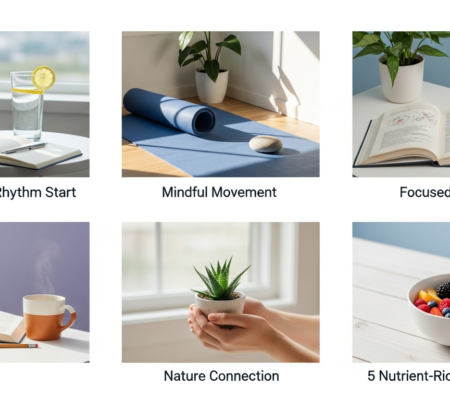
1. **The “Wake Up and Wash” Rule:** Drink 16 ounces of water immediately upon waking. Your body has spent 7-9 hours losing moisture through breath and skin; rehydrating first thing restarts your metabolism and clears morning brain fog.
2. **The Visual Anchor:** Keep a high-quality, reusable water bottle with you at all times. If it is in your line of sight, you are significantly more likely to sip throughout the day.
3. **The “Transition Sip”:** Drink a glass of water every time you switch tasks—such as finishing a meeting, getting in your car, or starting to cook dinner.
4. **Tech Integration:** Use a smart bottle or a simple tracking app to log your progress. Many 2026 wellness apps now sync with your wearable devices to adjust your hydration goal based on the sweat you lost during a workout.
By making water consumption an automated part of your day, you remove the “decision fatigue” involved in staying healthy. It stops being a chore and starts being a natural rhythm of your life.
Beyond the Glass: Hydrating Foods and Electrolytes
Meeting your daily hydration goals doesn’t mean you have to drink plain water all day long. In fact, “eating your water” is a highly effective way to stay hydrated while also consuming vital phytonutrients. Many fruits and vegetables are over 90% water and provide a slow-release form of hydration that the body absorbs efficiently.
**Top Hydrating Foods Include:**
* Cucumbers (96% water)
* Watermelon (92% water)
* Strawberries (91% water)
* Zucchini (94% water)
* Celery (95% water)
Furthermore, hydration is a balance of water and minerals (electrolytes). Sodium, potassium, and magnesium act as the “gatekeepers” that pull water into your cells. If you drink massive amounts of plain, filtered water without adequate minerals, you risk diluting your blood’s sodium levels (hyponatremia), which can lead to fatigue and muscle cramps. In 2026, many wellness enthusiasts add a pinch of high-quality sea salt or a sugar-free electrolyte drop to their morning water to ensure the fluid is actually being utilized by the body rather than just passing through.
Overcoming Common Barriers to Meeting Hydration Goals
Despite the best intentions, several barriers often get in the way of optimal hydration. Recognizing these obstacles is the first step toward overcoming them.
**The “Frequent Bathroom Trip” Excuse:** This is the most common complaint. Initially, as you increase your water intake, your body will flush out the excess. However, within 7 to 10 days, your bladder and kidneys typically “re-train” themselves and adapt to the new volume. To manage this, try to consume the bulk of your water during the daylight hours and taper off two hours before bed.
**The “Water is Boring” Problem:** Many people struggle with the lack of flavor. Instead of turning to sugary sodas, try “infusion” bottles. Adding mint, ginger, cucumber, or lemon can make the experience more sensory and enjoyable. Herbal teas (hibiscus, peppermint, or rooibos) also count toward your hydration goals and offer additional antioxidant benefits.
**The “I Just Forget” Factor:** If your day is hectic, it’s easy to lose track. Set “water alarms” on your phone or use a bottle with time markers. Remember, your thirst mechanism is actually quite delayed; by the time you feel thirsty, you are already slightly dehydrated. Proactive hydration is the goal.
Frequently Asked Questions (FAQ)
#
1. Does coffee or tea count toward my daily hydration goals?
Yes, they do. While caffeine has a mild diuretic effect, the water used to brew coffee and tea still contributes to your overall fluid intake. However, it should not be your *only* source of hydration, as plain water is more efficient for cellular processes.
#
2. Can I drink too much water?
Yes, a condition called hyponatremia occurs when you drink so much water that your blood sodium levels become dangerously low. This is rare in everyday life but can happen during extreme endurance events. Stick to your calculated goals and listen to your body.
#
3. How do I know if I’m meeting my goals if I’m exercising heavily?
A good rule of thumb for 2026 athletes is to weigh yourself before and after a workout. For every pound of weight lost during exercise, you should drink roughly 16 to 24 ounces of water to replace the lost fluids.
#
4. Is sparkling water as hydrating as still water?
Generally, yes. Carbonated water is just as hydrating as still water. However, some people find the carbonation makes them feel full faster, which might lead them to drink less overall. Watch out for added sugars or artificial sweeteners in flavored brands.
#
5. Should I drink water with my meals?
Sipping water during a meal can aid digestion by helping break down food. However, gulping massive amounts of water may dilute digestive enzymes for some individuals. Aim for a balanced approach—a small glass with your meal is perfectly healthy.
Conclusion
Mastering your daily hydration goals is perhaps the most profound yet simple investment you can make in your long-term health. As we look ahead through 2026 and beyond, the move toward personalized, habit-based wellness shows us that the smallest actions often yield the greatest results. By calculating your specific needs, leveraging habit-stacking techniques, and focusing on both water and electrolytes, you provide your body with the foundation it needs to thrive.
Hydration is not just about quenching thirst; it is about fueling your brain, protecting your organs, and maintaining the energy required to pursue your best life. Start today by drinking one glass of water. Tomorrow, drink two. Before you know it, optimal hydration will no longer be a goal you’re chasing—it will be a lifestyle you’re living. Your body, your mind, and your future self will thank you for the clarity and vitality that only consistent hydration can provide.