
Define Your Style: The Ultimate Women’s Fashion & Style Guide for Every Occasion
By Sarah Jenkins | Published: | Last updated:
Table of Contents
- Discovering Your Style DNA: The Foundation of Authentic Expression
- Building Your Power Wardrobe: Essential Staples for Every Woman
- The Art of Color, Texture, and Pattern: Elevating Your Look
- Dressing for the Occasion: A Guide to Confident Wardrobe Choices
- The Power of Accessories: From Statement Pieces to Subtle Enhancements
- Cultivating a Mindful Wardrobe: Sustainability and Longevity
- Evolving Your Style: Staying Authentic and Confident
- Frequently Asked Questions
Discovering Your Style DNA: The Foundation of Authentic Expression
Before you can build a wardrobe, you must first understand the blueprint: your unique style DNA. This isn’t just about what you like; it’s about what genuinely resonates with your personality, your lifestyle, and your body. Taking the time for this introspection is the most crucial step in truly learning to Define Your Style: The Ultimate Women’s Fashion & Style Guide for Every Occasion.
Identify Your Personal Aesthetic & Inspiration: Start by gathering visual cues. Create a digital mood board on Pinterest or a physical one with magazine clippings. What images consistently catch your eye? Are you drawn to minimalist lines, bohemian prints, classic silhouettes, edgy details, or vibrant colors? Think about adjectives that describe how you want to feel when you get dressed: confident, relaxed, sophisticated, creative, powerful, approachable. Consider iconic figures, past or present, whose style you admire. Is it Audrey Hepburn’s timeless elegance, Rihanna’s fearless experimentation, or Meghan Markle’s polished minimalism? Don’t copy them entirely, but identify elements that speak to you.
- Apple Shape: Typically carries weight around the midsection, with a less defined waist, broader shoulders, and slender legs/arms. Focus on elongating the torso with V-necks, empire waistlines, and A-line dresses. Opt for structured jackets and straight-leg or bootcut trousers to balance.
- Pear Shape: Narrower shoulders and bust, with wider hips and thighs. Emphasize your upper body with statement necklaces, interesting necklines, and brightly colored tops. Choose A-line skirts, bootcut or wide-leg pants that skim over the hips, and darker colors on the bottom.
- Hourglass Shape: Proportional bust and hips with a defined, narrow waist. This shape is naturally balanced. Cinch your waist with belts, wear fitted tops, wrap dresses, and tailored garments that follow your curves. Avoid overly baggy or shapeless clothing.
- Rectangle Shape: Shoulders, waist, and hips are roughly the same width, creating a straight silhouette. Create curves and definition with empire waists, ruffled tops, peplum blouses, and belted dresses. Layering and structured pieces can also add interest.
- Inverted Triangle Shape: Broader shoulders or bust with narrower hips. Balance your proportions by drawing attention downwards. Wear darker tops and lighter, fuller bottoms like A-line skirts, wide-leg pants, or trousers with interesting details. V-necks and U-necks can soften the shoulder line.
Remember, these are guidelines, not strict rules. The goal is to feel comfortable and confident in your clothes.
Assess Your Lifestyle & Practical Needs: Your style must fit your life. Do you work in a corporate office, a creative studio, or from home? Are you a busy mom, a frequent traveler, or a social butterfly? How much time do you realistically have to get ready each day? If your wardrobe is 80% evening gowns but your life is 90% casual errands, there’s a disconnect. Your style should serve you, not the other way around.
Actionable Tip: Dedicate an hour to creating a digital “style file.” Save images of outfits, individual pieces, colors, and textures that resonate. Write down 3-5 adjectives that describe your ideal personal style. Take full-length photos of yourself in your favorite outfits and note what you love about them. This visual and written exercise will provide a clear starting point for defining your unique style.
Building Your Power Wardrobe: Essential Staples for Every Woman
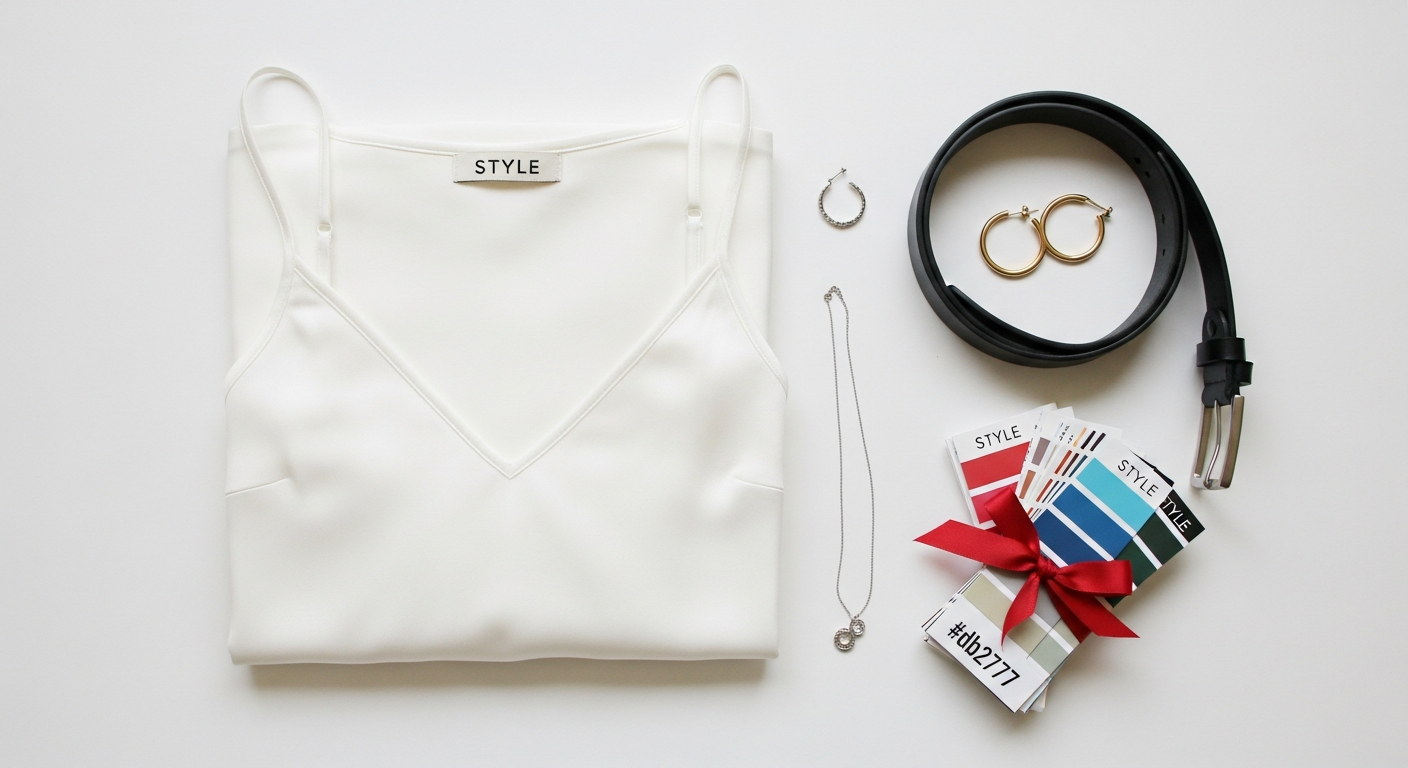
Once you understand your style DNA, it’s time to construct a foundational wardrobe that is versatile, durable, and truly represents you. This isn’t about buying a lot; it’s about curating smart, high-quality pieces that can be mixed and matched effortlessly. A well-built wardrobe is the backbone of truly learning to Define Your Style: The Ultimate Women’s Fashion & Style Guide for Every Occasion.
The Capsule Wardrobe Philosophy: Embrace the concept of a capsule wardrobe – a collection of essential, versatile items that can be worn in multiple combinations. This reduces decision fatigue, saves money in the long run, and promotes mindful consumption. While the exact number of items varies, the principle remains: invest in quality basics that form the core of your looks.
Key Staples for Every Woman’s Closet:
- The Perfect White Shirt: A crisp, well-fitting white button-down or a classic white tee. It’s endlessly versatile – dress it up with a skirt, down with jeans, or layer it under a blazer.
- Tailored Black Blazer: Instantly elevates any outfit. Choose a style that flatters your frame, whether oversized, fitted, or a boyfriend cut.
- Dark Wash Jeans: A high-quality pair of dark denim in a flattering cut (straight-leg, skinny, bootcut) is a non-negotiable. They can be dressed up for smart casual or kept relaxed.
- Little Black Dress (LBD): Find one that makes you feel incredible. It’s your go-to for countless semi-formal or cocktail occasions.
- Versatile Tailored Trousers: A pair of black, navy, or grey tailored trousers that fit perfectly. Essential for work or polished casual looks.
- Classic Trench Coat: A timeless layering piece that adds sophistication and protection from the elements.
- Quality Knitwear: Cashmere or merino wool sweaters, cardigans, and turtlenecks in neutral colors. They provide warmth and a luxurious feel.
- Flattering Skirt: A pencil skirt, A-line skirt, or midi skirt in a neutral color or classic print, suitable for your lifestyle.
- Basic Camisoles/Tanks: Essential for layering under sheer tops, blazers, or sweaters.
Focus on Quality Over Quantity: It’s better to own fewer items that are well-made and fit beautifully than a closet full of ill-fitting, low-quality pieces. Quality fabrics (natural fibers like cotton, linen, wool, silk) drape better, last longer, and often feel more comfortable. Look for strong stitching, well-aligned patterns, and durable hardware.
Understanding Fabrics:
- Cotton: Breathable, durable, easy to care for. Great for everyday wear.
- Linen: Lightweight, highly breathable, known for its elegant wrinkles. Ideal for warm weather.
- Wool (Merino, Cashmere): Excellent insulators, breathable, naturally wrinkle-resistant. Merino is fine and soft, cashmere is luxuriously soft and warm.
- Silk: Smooth, luxurious, drapes beautifully, great for special occasions or elevated basics.
- Modal/Tencel: Semi-synthetic fabrics made from wood pulp, known for their softness, breathability, and drape. More sustainable than conventional synthetics.
Actionable Tip: Conduct a thorough wardrobe audit. Pull everything out of your closet. Create three piles: “Love & Keep,” “Donate/Sell,” and “Alter.” For the “Love & Keep” pile, identify any foundational gaps based on the list above. Create a targeted shopping list for these essential items, prioritizing quality and versatility.
The Art of Color, Texture, and Pattern: Elevating Your Look
Beyond the basic garments, it’s the interplay of color, texture, and pattern that truly brings your style to life and makes your outfits memorable. Mastering these elements allows you to express your creativity and refine your aesthetic, becoming a key part of how you Define Your Style: The Ultimate Women’s Fashion & Style Guide for Every Occasion.
Mastering Color Theory Basics:
- Warm vs. Cool Tones: Understanding your personal undertones (do you look better in gold or silver? Are your veins blue or green?) can guide your color choices. Warm tones often suit those with golden or peachy undertones, while cool tones complement pink or blue undertones.
- Neutral Foundation: Black, white, navy, grey, and beige are your wardrobe’s best friends. They are versatile, sophisticated, and provide a canvas for bolder choices.
- Color Combinations:
- Monochromatic: Varying shades of the same color (e.g., light blue shirt with dark blue jeans). Creates a sleek, elongated look.
- Analogous: Colors next to each other on the color wheel (e.g., blue, green, teal). Harmonious and pleasing.
- Complementary: Colors opposite each other (e.g., blue and orange, red and green). Creates a bold, high-contrast look when used together.
- Triadic: Three colors evenly spaced on the color wheel (e.g., red, yellow, blue). Vibrant and playful.
Finding Your Personal Color Palette: Pay attention to what colors make your skin glow, your eyes sparkle, and your face look refreshed. Hold different colored fabrics up to your face in natural light. Which ones make you look vibrant and which wash you out? You might be drawn to deep jewel tones, soft pastels, earthy neutrals, or bright primaries. Incorporate colors that genuinely make you feel good.
Playing with Texture: Texture adds dimension and interest to an outfit. A monochromatic look can become incredibly rich when you mix textures. Think about pairing:
- A soft cashmere sweater with a sleek leather skirt.
- A chunky knit cardigan over a delicate silk camisole.
- Structured denim with a flowing chiffon blouse.
- Rough linen with smooth satin.
Don’t be afraid to combine contrasting textures to create a more dynamic and luxurious feel.
Incorporating Patterns: Patterns are a fantastic way to inject personality and trendiness into your look. From timeless stripes and polka dots to bold florals, animal prints, and intricate geometrics, there’s a pattern for every style.
- Start Small: If you’re new to patterns, begin with accessories like a patterned scarf, bag, or shoes.
- One Statement Piece: Let one patterned item be the star of your outfit and keep the rest of your ensemble in solid, complementary colors.
- Mixing Patterns (Advanced): For a more daring look, combine different patterns. The trick is to vary the scale (large floral with small polka dots), keep colors in the same family, or use a neutral base to ground the mix (e.g., striped shirt with a floral skirt, both featuring navy).
Actionable Tip: Choose one item in your wardrobe (e.g., a simple white tee) and challenge yourself to create three distinct looks using different color palettes, textures, and patterns from your existing clothes. For example: white tee + denim jeans + chunky knit cardigan; white tee + silk slip skirt + tailored blazer; white tee + patterned wide-leg pants + delicate jewelry. This helps you visualize the transformative power of these elements.
Dressing for the Occasion: A Guide to Confident Wardrobe Choices
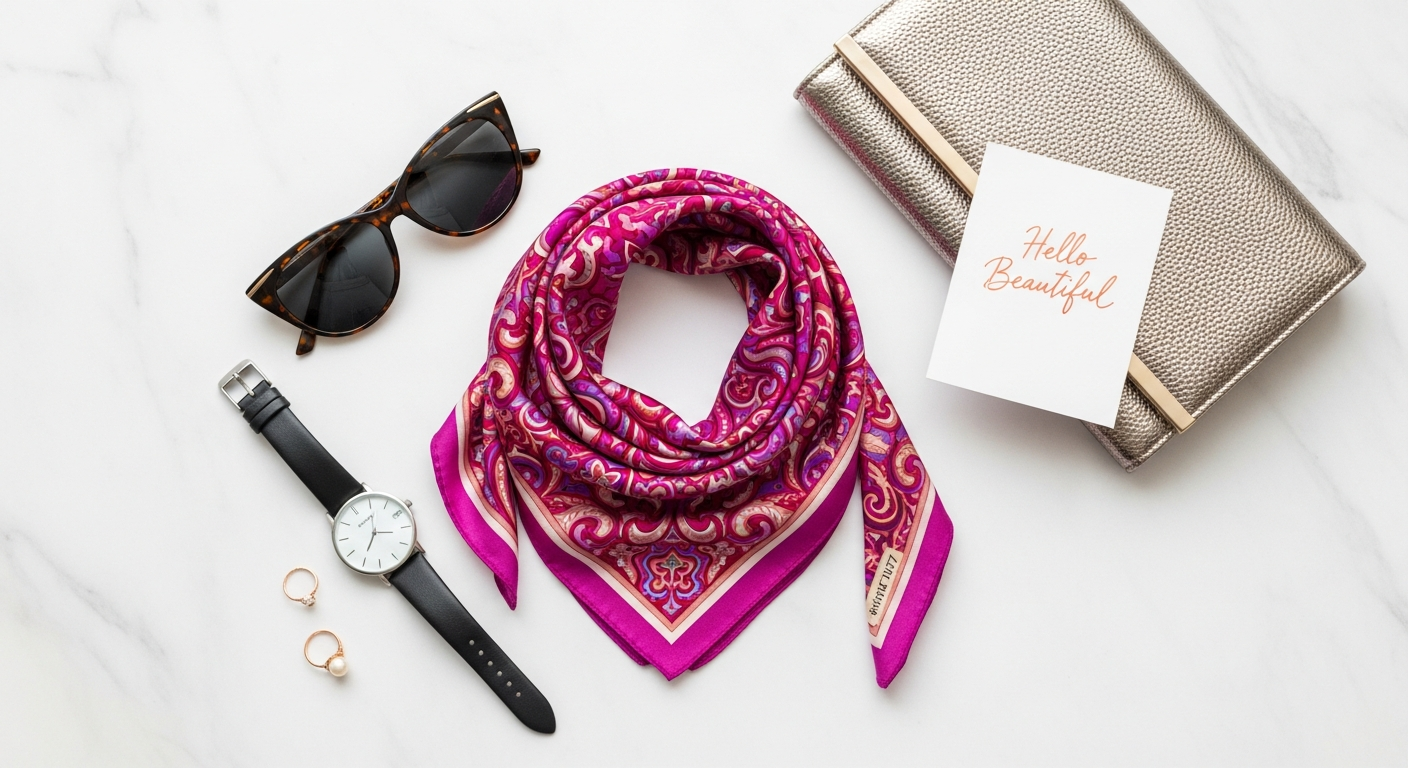
One of the most practical aspects of a well-defined personal style is the ability to confidently dress for any situation. Truly mastering how to Define Your Style: The Ultimate Women’s Fashion & Style Guide for Every Occasion means understanding the unspoken dress codes and adapting your aesthetic gracefully. Here’s a breakdown of common scenarios and how to navigate them with poise:
1. Casual & Everyday:
- When: Errands, weekend outings, relaxed social gatherings, working from home.
- Key Pieces: Well-fitting jeans, comfortable but stylish sneakers, elevated tees and sweaters, leggings, stylish loungewear, practical jackets (denim, utility).
- Tips: Focus on comfort and practicality without sacrificing style. A good rule of thumb is “elevated casual”—think quality fabrics, intentional layering, and thoughtful accessories. For example, dark-wash jeans, a cashmere sweater, and clean white sneakers are chicer than faded sweats and an old t-shirt.
2. Smart Casual:
- When: Casual office environments, dinner with friends, weekend brunch, art gallery visits, networking events.
- Key Pieces: Chinos, tailored trousers, dark wash jeans, stylish skirts (midi, A-line), blazers, dressy blouses, knitwear, ankle boots, loafers, block heels.
- Tips: This is a step up from purely casual. It blends relaxed elements with polished ones. Avoid overly distressed denim or t-shirts. A blazer is often the easiest way to achieve smart casual. Pair a nice top with tailored jeans or trousers, or a chic dress with flats or low heels.
3. Business Casual:
- When: Most modern office settings, business lunches, conferences, professional networking.
- Key Pieces: Tailored trousers, pencil or A-line skirts (knee-length or midi), blazers, collared blouses, quality knit tops, conservative dresses, closed-toe heels or flats.
- Tips: Aim for polished and professional without being overly formal. Avoid denim, shorts, or anything too revealing. Fabrics should be neat and wrinkle-free. A blazer, tailored pants, and a silk blouse are a classic business casual combo.
4. Business Professional:
- When: Corporate boardrooms, formal meetings, job interviews, traditional office environments.
- Key Pieces: Matching suit (skirt suit or pantsuit), tailored sheath dresses, crisp button-down shirts, professional blouses, closed-toe pumps, minimal jewelry.
- Tips: This is the most formal end of workwear. Focus on clean lines, neutral colors (navy, black, grey, charcoal), and impeccable tailoring. Avoid bright colors, bold patterns, or anything too trendy. The goal is to project authority and seriousness.
5. Cocktail / Semi-Formal:
- When: Evening parties, formal dinners, weddings (unless black tie specified), charity galas.
- Key Pieces: Cocktail dresses (knee-length to midi, often in luxurious fabrics like silk, satin, lace), dressy separates (e.g., wide-leg trousers with a embellished top, elegant jumpsuit), dressy heels, clutch bag, statement jewelry.
- Tips: This calls for elegance and celebratory attire. Avoid anything too casual or too grand (like a full ball gown). A chic LBD, a sophisticated jumpsuit, or a midi dress in a rich color are excellent choices.
6. Black Tie / Formal:
- When: Highly formal weddings, grand galas, opera openings, exclusive events.
- Key Pieces: Full-length evening gown, elegant floor-length dress, sophisticated formal separates, dressy heels (often strappy or embellished), evening clutch, fine jewelry.
- Tips: This is the pinnacle of formal dressing. A floor-length gown is typically expected. Choose luxurious fabrics and a silhouette that makes you feel glamorous. Hair and makeup should also be polished and elevated.
Seasonal Dressing: Remember to factor in the season and local climate. Layers are key in colder months (think cashmere, wool, thermal undergarments), while breathable fabrics like cotton and linen are essential for warmer weather. Always check the weather forecast before choosing your outfit.
Actionable Tip: For your most frequent occasions, create 2-3 “go-to” outfit formulas. For example, “Business Casual: tailored pants + silk blouse + blazer + loafers.” Having these pre-planned combinations will drastically reduce your decision time and ensure you’re always appropriately dressed.
The Power of Accessories: From Statement Pieces to Subtle Enhancements
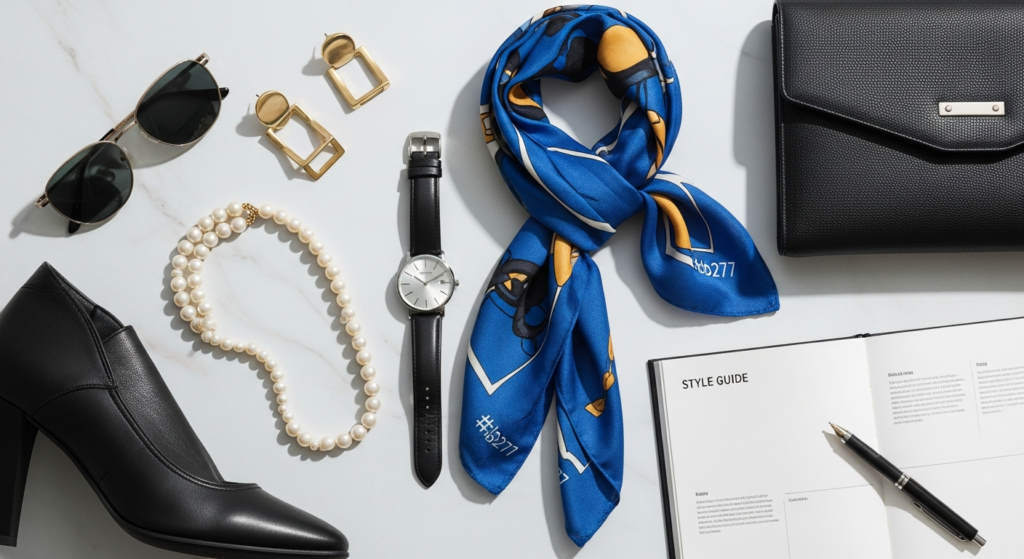
Accessories are the unsung heroes of any wardrobe. They can transform a simple outfit, express your personality, and add that final, polished touch. Knowing how to wield them effectively is crucial to truly learning to Define Your Style: The Ultimate Women’s Fashion & Style Guide for Every Occasion.
Jewelry: Your Personal Signature:
- Necklaces: A delicate chain for everyday, a statement necklace to elevate a simple top, or a layered look for bohemian flair. Consider the neckline of your garment when choosing.
- Earrings: Studs for subtle sparkle, hoops for a classic touch, or chandelier earrings for evening glamour. Choose styles that flatter your face shape.
- Bracelets & Rings: A curated stack of bracelets, a classic watch, or a few well-chosen rings can add personality.
- Metals: Do you prefer gold, silver, rose gold, or a mix? Stick to what complements your skin tone and other accessories for a cohesive look.
- Less is Often More: Instead of wearing every piece you own, select a few impactful pieces that complement each other and your outfit.
Bags: Function Meets Fashion:
- Everyday Tote/Shoulder Bag: Large enough for your essentials, durable, and versatile. Choose a neutral color like black, tan, or navy.
- Crossbody Bag: Perfect for hands-free convenience, great for travel or casual outings.
- Clutch/Evening Bag: Essential for formal events. Opt for a sleek design in a metallic, black, or embellished finish.
- Consider the Occasion: A large tote won’t work for a black-tie event, just as a tiny clutch isn’t practical for daily errands.
Shoes: Comfort, Style, and Impact:
- Versatile Flats: Ballet flats, loafers, or stylish sneakers for comfort and smart casual looks.
- Classic Heels: Pumps, block heels, or elegant sandals in neutral colors. Choose a heel height you can comfortably walk in.
- Boots: Ankle boots, knee-high boots, or over-the-knee boots add seasonal style and warmth.
- Match the Mood: Shoes can completely change an outfit. Sneakers with a dress create a relaxed vibe, while heels elevate the same dress to a formal occasion.
Other Enhancements: Scarves, Belts, & Eyewear:
- Scarves: Silk scarves can add a pop of color, pattern, or sophistication tied around the neck, hair, or bag handle. Chunky knit scarves provide warmth and texture.
- Belts: Cinch a dress, define your waist in oversized knitwear, or add polish to trousers. Invest in a few quality belts in different widths and colors.
- Eyewear: Your glasses (prescription or sunglasses) are a key accessory. Choose frames that flatter your face shape and reflect your personal style.
Actionable Tip: Before leaving the house, always add one accessory you might usually skip. It could be a watch, a pair of earrings, a belt, or a stylish pair of sunglasses. See how it instantly elevates your look and helps you feel more “finished.” Practice styling a basic outfit (e.g., jeans and a white tee) with three different sets of accessories to create three distinct looks.
Cultivating a Mindful Wardrobe: Sustainability and Longevity
As you refine your personal style, consider the impact of your fashion choices. A truly well-defined style also encompasses conscious consumption and responsible choices. Integrating sustainability into how you Define Your Style: The Ultimate Women’s Fashion & Style Guide for Every Occasion not only benefits the planet but also encourages a more intentional and satisfying approach to your wardrobe.
Understanding Slow Fashion vs. Fast Fashion:
- Fast Fashion: Characterized by rapid production cycles, low prices, and disposable trends. It often comes at a high environmental and ethical cost (excess waste, pollution, poor labor conditions).
- Slow Fashion: Emphasizes quality, longevity, ethical production, and timeless design. It encourages consumers to buy fewer items, choose well, and make them last.
Embracing Sustainable Practices:
- Invest in Quality: As discussed, opting for well-made garments from durable, natural fibers is a cornerstone of sustainable fashion. These items last longer, reducing the need for frequent replacements.
- Shop Secondhand: Thrift stores, consignment shops, vintage boutiques, and online marketplaces (like Poshmark, Depop, The RealReal) are treasure troves for unique, pre-loved pieces. Buying secondhand extends the life of clothing and significantly reduces its environmental footprint.
- Support Ethical & Sustainable Brands: Research brands that prioritize fair labor practices, use eco-friendly materials (organic cotton, recycled polyester, Tencel, linen), minimize waste, and offer transparency in their supply chains. Certifications like GOTS (Global Organic Textile Standard) or Fair Trade can be good indicators of ethical brands.
- Repair & Alter: Instead of discarding items with minor damage or imperfect fits, learn basic mending skills or seek out a good tailor. Hemming pants, replacing buttons, or adjusting a silhouette can give garments a new lease on life.
- Care for Your Clothes: Proper garment care is essential for longevity. Read care labels, wash clothes less frequently, use cold water, air dry when possible, and store items correctly.
- Rent or Borrow for Special Occasions: For unique event wear that you might only wear once, consider renting from services like Rent the Runway or borrowing from friends.
The Capsule Wardrobe as a Sustainable Strategy: The capsule wardrobe intrinsically supports sustainable living. By curating a smaller, versatile collection, you naturally reduce overconsumption, minimize waste, and make more intentional purchases. This leads to a more efficient and environmentally friendly approach to dressing.
Actionable Tip: The next time you feel the urge to buy something new, pause and ask yourself: “Do I truly need this? Will it integrate seamlessly into my existing wardrobe? Is it a quality item that will last? Can I find a similar item secondhand or from an ethical brand?” Challenge yourself to make one sustainable fashion choice this month, whether it’s mending an item, buying a secondhand piece, or researching an ethical brand.
Evolving Your Style: Staying Authentic and Confident
Your personal style isn’t a fixed destination; it’s a dynamic journey that evolves with you. As you grow, change, and experience new things, so too should your fashion reflect these shifts. The ultimate goal in learning to Define Your Style: The Ultimate Women’s Fashion & Style Guide for Every Occasion is to cultivate a style that is always authentically yours, imbued with confidence.
Style is a Journey, Not a Destination: What felt right in your 20s might not resonate in your 30s or 40s. Your career path, relationships, hobbies, and even your self-perception will change, and your clothing should adapt alongside them. Embrace this evolution rather than fighting it. Regularly revisit your style DNA and ask yourself if your current wardrobe still aligns with who you are and who you’re becoming.
Experimentation and Thoughtful Trend Integration: While it’s important to build a timeless foundation, don’t be afraid to experiment. Fashion should be fun! Try new silhouettes, colors, or unexpected combinations. Follow trends that genuinely appeal to you and integrate them thoughtfully into your existing style. For instance, if oversized blazers are trending and you love a tailored look, you might try a slightly more relaxed fit blazer instead of a full boxy version. Use trends as an opportunity to refresh and inject new energy, not to overhaul your entire identity.
The Power of Confidence: The most important accessory you can ever wear is confidence. When you feel good in what you’re wearing, it shines through. An expensive outfit worn with hesitation looks less appealing than a simple, well-fitting ensemble worn with self-assured grace. True style comes from within, radiating outward.
Refine, Reassess, Recharge:
- Regular Wardrobe Audits: At least twice a year (e.g., with seasonal changes), go through your closet. What still fits? What do you actually wear? What no longer brings you joy or fits your lifestyle? Be ruthless in decluttering.
- Stay Curious: Continue to seek inspiration from fashion magazines, blogs, social media, art, and travel. Observe what others wear and note what you like and dislike.
- Invest in Experiences: Sometimes the best way to evolve your style is through new experiences. A new hobby, a trip abroad, or a career change can subtly (or dramatically) influence your fashion choices.
Actionable Tip: Once a month, try one outfit combination that pushes you slightly out of your comfort zone, but still feels authentically “you.” Maybe it’s a new color pairing, a different layering technique, or an accessory you usually wouldn’t wear. Pay attention to how you feel throughout the day. This low-stakes experimentation is how you discover new facets of your style and grow your confidence.
Conclusion
Defining your style is a powerful act of self-expression, a journey that goes far beyond just clothes. It’s about understanding who you are, what makes you feel confident, and how you want to present yourself to the world. From discovering your unique style DNA and building a versatile power wardrobe to mastering the nuances of color and dressing for every occasion, this guide has equipped you with the tools to embark on your fashion journey with clarity and purpose.
Remember, your style is fluid, evolving just as you do. Embrace the process, experiment with joy, and always choose pieces that make you feel truly, wonderfully you. There’s immense power in a wardrobe that aligns with your authentic self, allowing you to walk into any room with grace, confidence, and undeniable presence. Ready to curate a style that truly resonates with your inner essence?
Frequently Asked Questions